







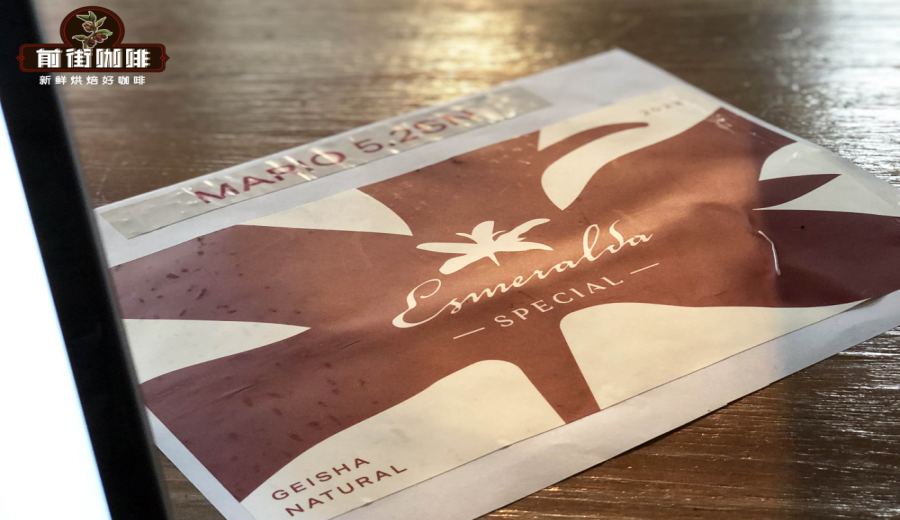
Introduction:The Geisha coffee from Panama’s Hacienda La Esmeralda is a legendary variety in the specialty coffee world. Since its championship win at the BOP (Best of Panama) competition in 2004, its Red Label, Green Label, and Blue Label grading system has become a key reference for many coffee enthusiasts when making purchasing decisions. This article delves into the definitions, origins, and unique flavor profiles of these three grades, introduces the estate’s three main sub-farms and their smaller lot divisions, and offers practical pour over recommendations and extraction parameters to help you gain a more comprehensive understanding of this top-tier coffee.
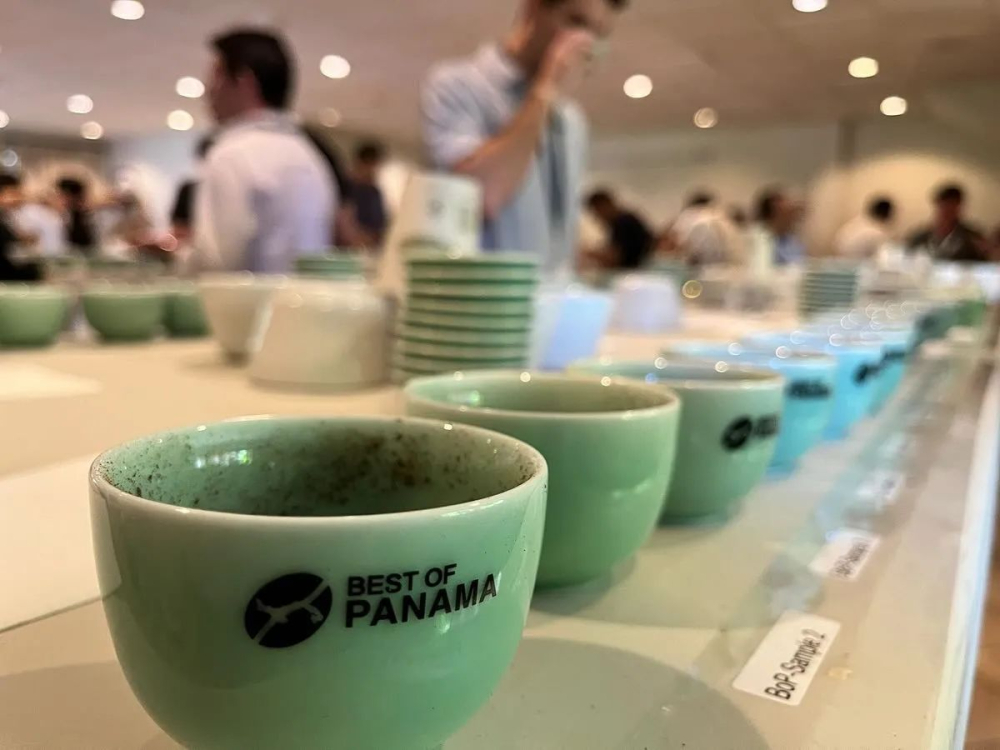
Geisha coffee has now become synonymous with specialty coffee, and the Geisha produced by Panama’s Hacienda La Esmeralda is widely regarded as the industry benchmark. In 2004, this estate stunned the world with a lightly roasted Geisha bean at the BOP (Best of Panama) green coffee competition, not only reshaping the destiny of Panamanian coffee but also propelling the Geisha variety to overnight fame.
The Geisha products from Hacienda La Esmeralda are mainly divided into Red Label, Green Label, and the now-discontinued Blue Label. Each grade has its own unique definition, origin, and flavor expression. This article will analyze the differences between these three tiers in detail, taking you through their associated small lots and processing methods, and supplementing with practical pour over tips and parameters to help you feel more confident in selecting and brewing this exceptional coffee.
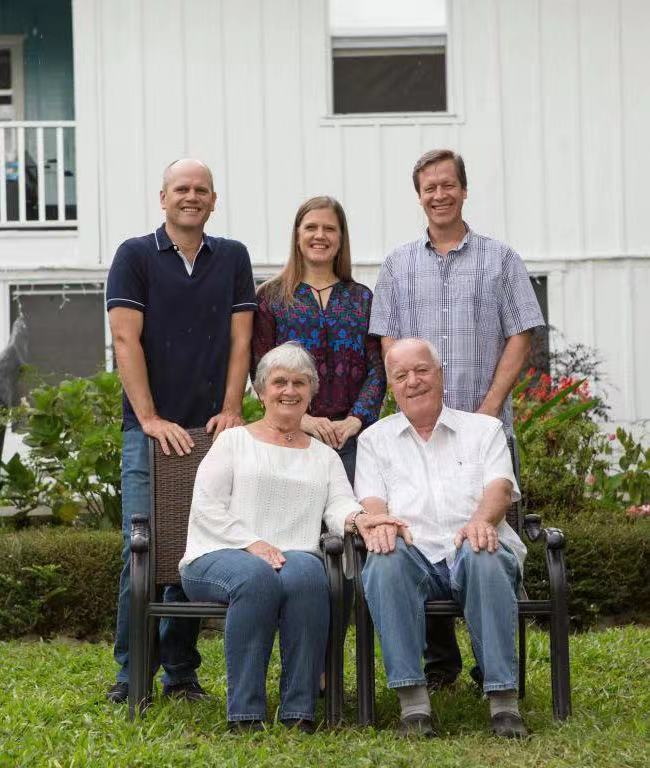
Hacienda La Esmeralda is located in Panama’s Boquete region, an important specialty coffee producing area known for cultivating varieties such as Typica, Bourbon, Caturra, and Geisha, and is certified by the Rainforest Alliance. The estate is primarily divided into three main sub-farms: Jaramillo, Canas Verdes, and El Velo, each of which is further subdivided into multiple small lots. Elevations generally range between 1600 and 1900 meters, providing an ideal growing environment for Geisha.
Among them, the average elevation of the Jaramillo sub-farm is 1600–1700 meters and it is subdivided into five small lots: Mario, Noria, Reina, Bosque, and Buenos Aires. Canas Verdes sits at a slightly higher elevation of 1600–1800 meters and contains nine small lots: Lino, Coronado, Fundador, León, Montaña, Trapiche, Chinta, Cabaña, and Tumaco. As for the newly acquired El Velo sub-farm, it reaches even higher elevations of 1700–1900 meters and consists of seven small lots: Guabo, Portón, Durazno, Higuerón, Higo, Buena Vista, and Águila.
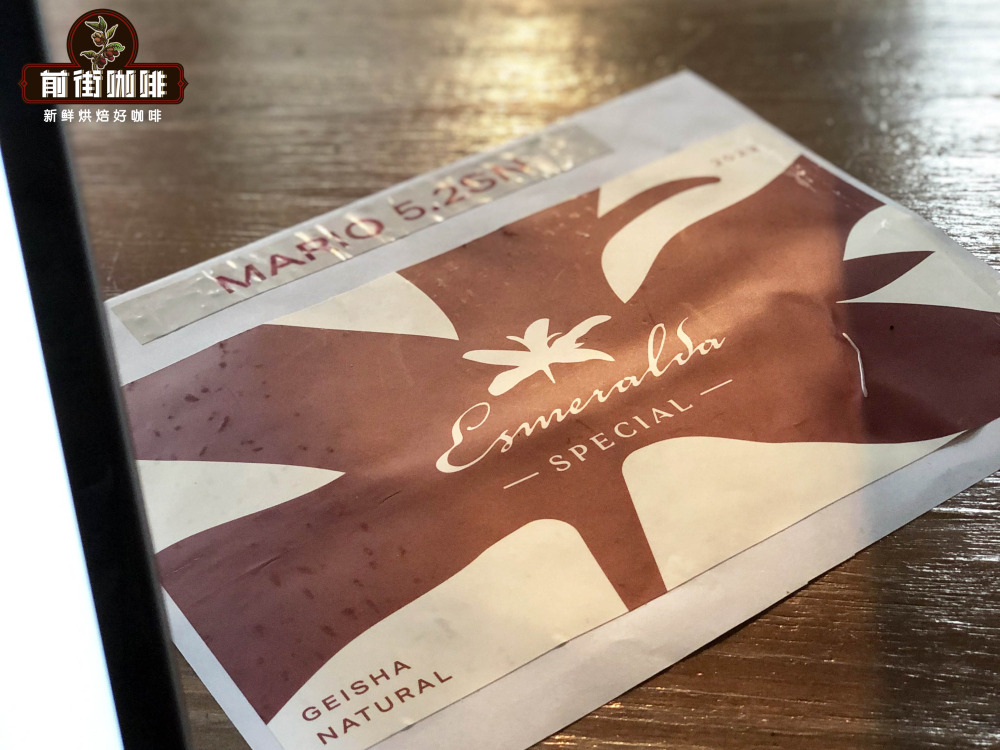
The estate’s Geisha product line is mainly divided into two major series: “Esmeralda Special” and “Private Collection,” which are the well-known Red Label and Green Label. The Red Label Geisha is the highest-grade product of the estate, selected exclusively from lots with cupping scores above 90 and sourced from specific small lots, typically grown at elevations between 1600–1800 meters, usually from Jaramillo and Canas Verdes. Each Red Label batch has its own unique number, and all the beans come from the same small lot. For example, the well-known Red Label Geisha comes from the Mario lot. This high traceability allows coffee enthusiasts to choose a batch based on their preferred flavor profile.
The Green Label Geisha falls under the Private Collection series and emphasizes the signature flavors of high-altitude Geisha without highlighting any particular lot. This series is a blend of batches from multiple small lots, which can be understood as a non-lot-specific Red Label. Its flavor profile is relatively balanced, making it suitable for consumers who prefer stable and classic Geisha characteristics.
As for the formerly available Blue Label, originally named “Geisha1500” and widely recognized by its blue packaging logo, it was defined as a blend of Geisha coffee from all three sub-farms (Jaramillo, Canas Verdes, and El Velo) grown at around 1500 meters. However, according to official information, Hacienda La Esmeralda officially discontinued the Blue Label series after the 2021 harvest season, and the related information has since been removed from the official website’s product page. Currently, only the Red Label and Green Label of Hacienda La Esmeralda Geisha remain on the market.
If you want to enjoy Hacienda La Esmeralda Geisha, it is recommended to choose a light roast to preserve its bright acidity and captivating floral and fruity aromas. Since Geisha beans are relatively hard and have a higher density due to the high-altitude growing environment, care should be taken to avoid clogging the filter during brewing. A coarseness level with about 78% sieve retention using a Chinese Standard No. 20 sieve (close to the size of fine sugar) is recommended, with water temperature controlled between 90–91°C.
Practical pour over suggestions are as follows: Use 15 grams of coffee grounds with a Hario V60 size 01 filter. Set the coffee-to-water ratio at 1:16. Employ a three-stage extraction method: start by pouring 30 grams of water for a 30-second bloom at timing start; then proceed with the second stage by pouring in a circular motion up to 125 grams. Once the water level drops halfway, continue pouring to reach 225 grams. The total extraction time should be controlled within 2 minutes and 10 seconds to 2 minutes and 20 seconds, which will fully showcase the layered flavors and fruity notes of the Geisha.
In summary, the grading system of Hacienda La Esmeralda Geisha not only reflects the refinement of its origin and processing but also directly influences its flavor expression. Whether you prefer the vibrant fruity and floral notes of the Red Label, the balanced and easy-drinking character of the Green Label, or the once-classic Blue Label, understanding the differences between these grades will help you find the Geisha coffee that best suits your taste.
The above content is compiled by CoffeeHunters, a coffee news website.


