







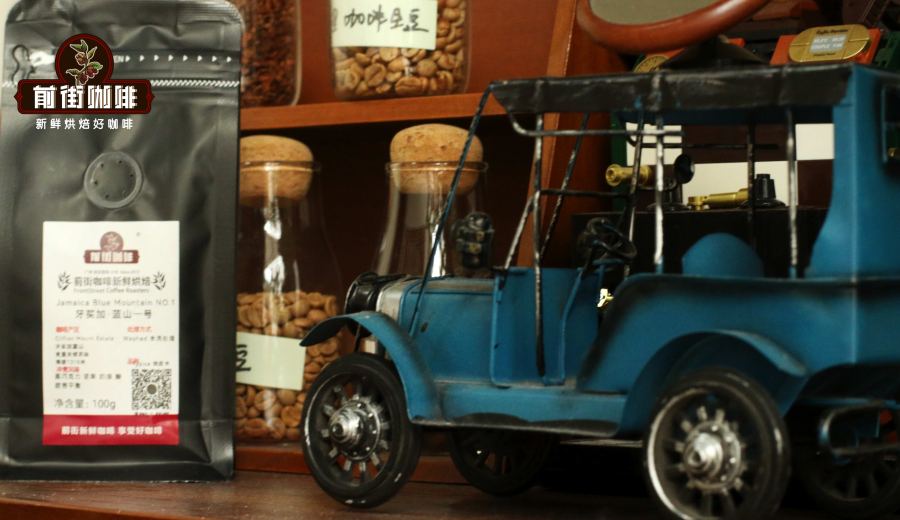
Introduction:Jamaica Blue Mountain coffee is world-renowned for its scarce production and unique flavor, yet counterfeit products abound in the market. This article will delve into the official certification standards and grading system of Blue Mountain coffee, and teach you how to distinguish between genuine and fake products based on price, packaging, and certificates. It will also introduce the origin and characteristics of the Blue Mountain No. 1 grade, helping you select truly high-quality Blue Mountain coffee and enjoy the most authentic flavor experience.
Jamaica Blue Mountain coffee, with its exceptional flavor and extremely limited production, has long been a dream product for coffee enthusiasts. However, precisely because of its popularity, the market is flooded with various counterfeit or misleading products. How can you identify real Blue Mountain coffee? What are the certification standards? How is the grading system structured? This article will explore the key points of identifying Blue Mountain coffee from the perspective of the official certification body, the CIB, and explain why Blue Mountain No. 1 is considered the top grade.
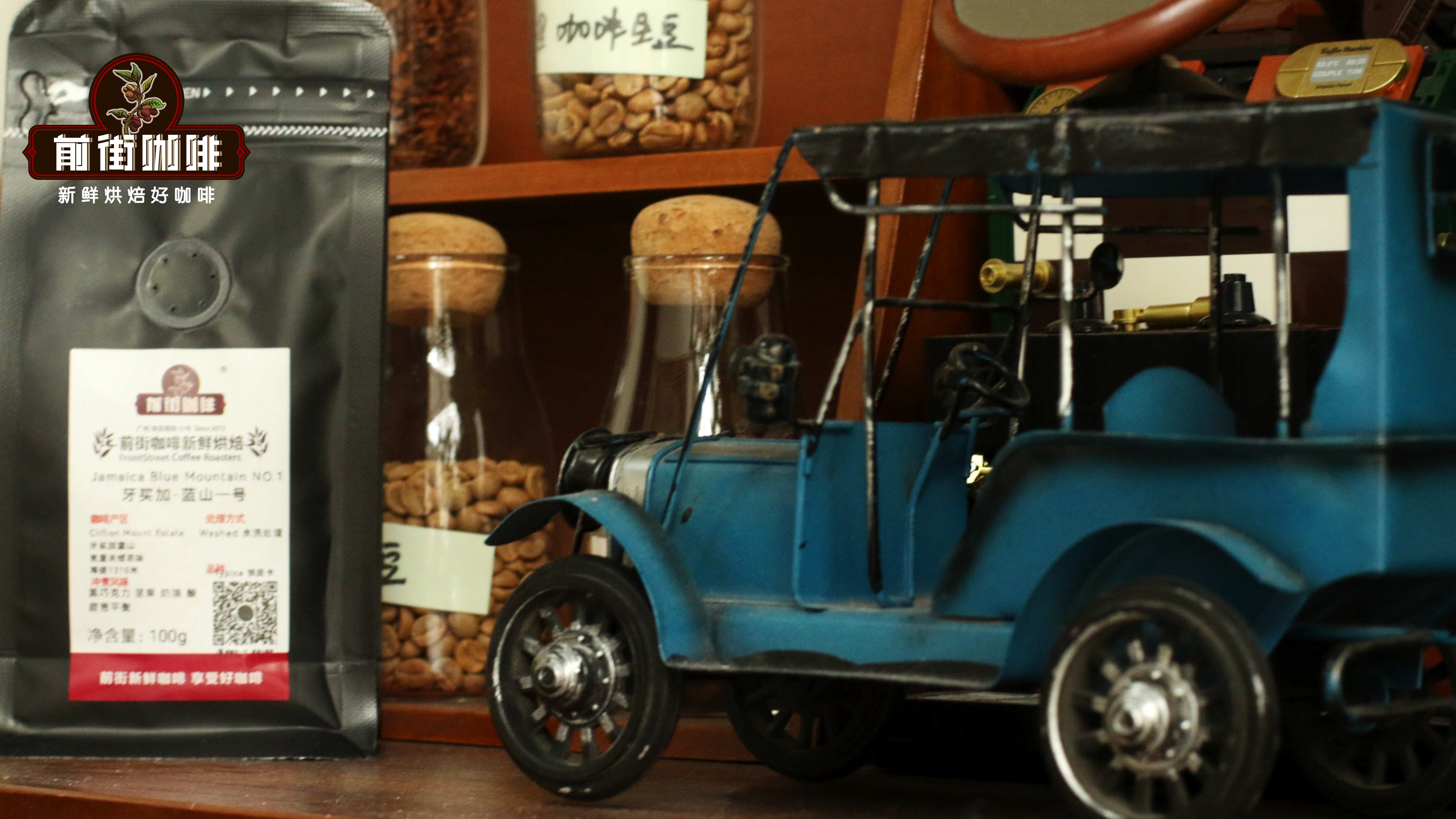
First, when it comes to identifying the authenticity of Blue Mountain coffee, price is a major indicator. Due to the fact that Blue Mountain coffee is grown on steep mountain terraces, making mechanized farming difficult, coupled with high labor costs and weather-related factors, its production is extremely limited. As a result, genuine Jamaica Blue Mountain No. 1 coffee beans typically sell for between 150 and 300 yuan per 100 grams in China. If the price is too low, it is very likely not authentic.
Another key method of identification is the packaging. According to Jamaican government regulations, all exported Blue Mountain coffee must be shipped in exclusive wooden barrels. These handcrafted wooden barrels are not only a means of transport but also an important symbol of authenticity. Therefore, when purchasing, it is recommended to confirm whether the seller can provide complete Blue Mountain wooden barrel packaging, or at least relevant shipping records and proof, to avoid buying products passed off as Blue Mountain but actually from other regions.
In addition, the certificate of origin is also an important basis for judging the authenticity of Blue Mountain coffee. First-hand green bean buyers can apply for certification from the Jamaica Coffee Industry Board (CIB) or specific estates, and this certificate can effectively prove the origin and grade of the coffee beans. When purchasing, you might ask the seller if they hold any relevant certificates issued by official institutions, to ensure that what you’re buying is genuine.
Currently, almost all single-origin Blue Mountain beans available on the market belong to the highest grade—Blue Mountain No. 1. So, why is Blue Mountain No. 1 considered the top-tier Blue Mountain coffee? This is related to the strict grading system established by the CIB. The institution uses a scientific and objective approach to classify Blue Mountain coffee into multiple grades—including Blue Mountain No. 1, Blue Mountain No. 2, Blue Mountain No. 3, and Blue Mountain Peaberry—based on factors such as the size, color, uniformity, defect ratio, moisture content, and cupping performance of the green beans.
Among these, the requirements for Blue Mountain No. 1 are the most stringent. The green beans must pass through a sieve larger than 17 mesh, indicating that the beans are sufficiently large in size; the defect rate must be below 3% to ensure consistent quality; the moisture content is around 13%, which is beneficial for subsequent roasting performance. Additionally, during cupping, the beans must exhibit rich aroma, smooth and balanced flavor, low acidity, and a lingering aftertaste. These criteria make Blue Mountain No. 1 the pinnacle of Blue Mountain coffee.
To maintain the quality of green beans during transportation, the Jamaica coffee-growing region insists on using traditional handmade wooden barrels for storage and shipment of Blue Mountain green beans. These wooden barrels not only prevent moisture intrusion but are also one of the symbols of Blue Mountain coffee. When you make a purchase, seeing such wooden barrels can also serve as supplementary evidence for verifying authenticity.
In terms of flavor profile, Blue Mountain No. 1 offers an extremely balanced taste. Roasters typically opt for a medium to dark roast to fully bring out the chocolate and nutty aromas of the coffee, while preserving its gentle acidity and natural sweetness. This roasting method results in a more rounded overall flavor, making it suitable for coffee lovers who appreciate delicate taste profiles.
In summary, to purchase genuine Jamaica Blue Mountain coffee, in addition to paying attention to price and packaging, it is essential to confirm the presence of official certification and certificates. Understanding the grading standards and flavor characteristics of Blue Mountain No. 1 can also help you make a smarter choice and savor the unique charm of this world-class coffee.
The above content is compiled by CoffeeHunters, a coffee news website.


