








Introduction:Kenyan coffee is renowned for its vibrant berry acidity and layered complexity. Behind its success lies a unique system of cultivation, grading, and processing. This article takes you from the development of the SL28 and SL34 varieties to an understanding of Kenya’s auction system, the 72-hour extended washed fermentation process, and the characteristics of core regions such as Nyeri, Kirinyaga, and Murang’a. It also compiles practical pour over parameters and flavor descriptions to help you gain a deeper appreciation of this highly acclaimed African specialty coffee.
Kenya’s exceptional geographical and climatic conditions make it one of the world’s premier producers of top-tier Arabica coffee. These beans often exhibit bright acidity, delicate floral notes, and intense fruitiness—particularly with tart-sweet profiles reminiscent of berries and cherry tomatoes—making them a favorite among many coffee enthusiasts. From highland smallholders to specialized processing facilities, every step of Kenyan coffee production reflects a commitment to quality.
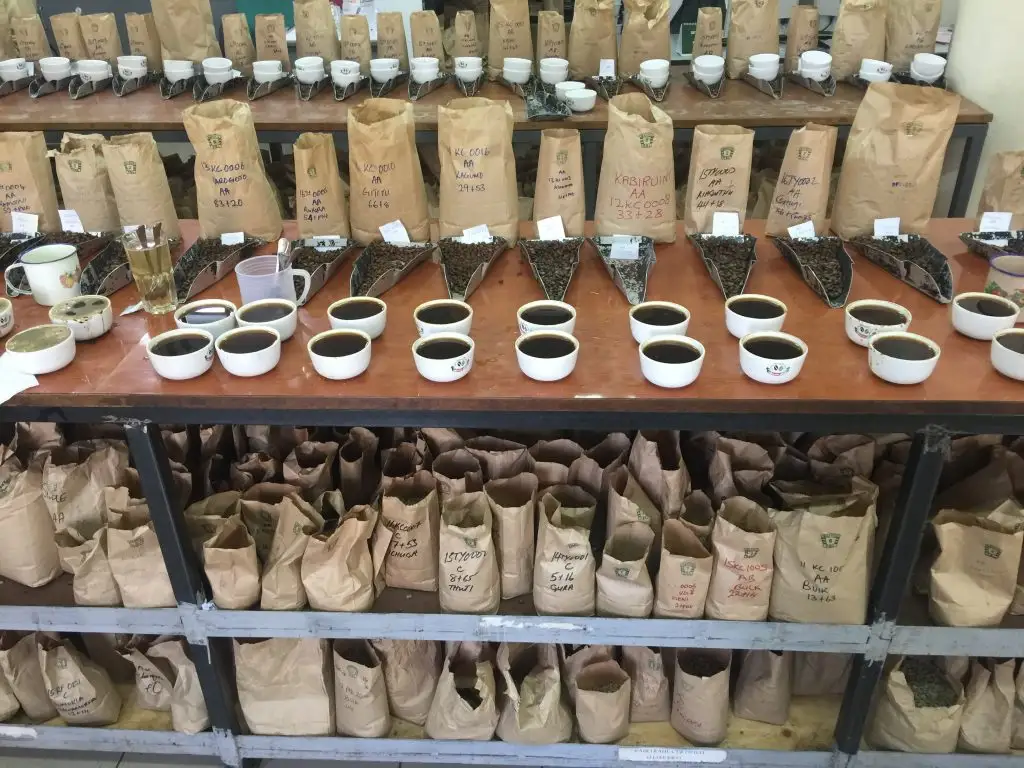
When discussing Kenyan coffee, one cannot overlook the Dormans Boman Estate. Established in 1950, this large-scale coffee producer is one of the country’s most important coffee export sources. The estate consistently sources high-altitude beans grown by smallholder farmers in the Nairobi hills, adhering to hand-picking and natural sun-drying methods, while rigorously classifying the beans based on altitude and harvest season. The estate’s coffee cuppers taste approximately 1,500 samples each week, selecting only the finest beans for subsequent roasting to ensure that each batch showcases the best of Kenyan coffee.
The success of Kenyan coffee is inseparable from the establishment and refinement of a series of industry mechanisms. Initially, in the early 20th century, coffee cultivation was introduced by the British colonial government, and in 1922, the Scott Agricultural Laboratories (Scott Labs) were established. This lab later successfully identified the renowned SL28 and SL34 coffee varieties, which remain the soul of Kenyan coffee to this day. Additionally, Kenya founded the Coffee Growers Cooperative Union in 1931 and launched the Nairobi Coffee Exchange in 1937, officially instituting the auction system to make coffee trading more transparent and institutionalized.
Kenya’s coffee grading system is also highly distinctive, primarily based on bean size and cupping quality. The main grades, from highest to lowest, are AA, AA+, AB, PB, C, E, TT, and T. Among these, AA and AA+ grades consist of the largest beans (17–18 mesh) and often deliver the most outstanding flavor profiles; the AB grade (15–16 mesh) is the most produced. In addition to official grading, some exporters further subdivide beans based on cupping results using unofficial categories such as TOP, PLUS (+), and FAQ to further distinguish flavor profiles, though these are not nationally certified standards. A certain café once imported a Kenyan Assaliya product whose flavor profile reached the TOP level, representing high quality.
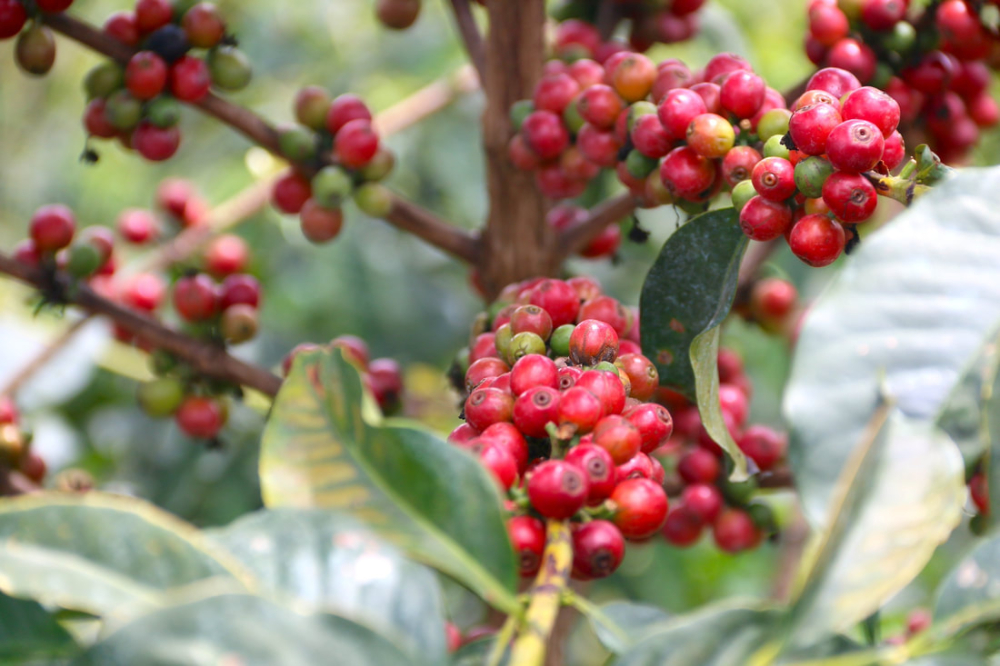
In terms of processing methods, Kenyan coffee is most famous for its “K72 washed process.” This technique differs from standard washed processing, extending the fermentation time to 72 hours—far beyond the usual 36 hours—allowing for more thorough mucilage breakdown while retaining more fruitiness and acidity. After fermentation, the beans are dried for an extended period until their moisture content stabilizes at around 12%. This process gives Kenyan coffee its distinctive bright acidity and rich juiciness, as well as clearer layers of berry, citrus, and dark chocolate flavors.
Kenya’s coffee-growing regions are mainly concentrated in the central and western highlands, among which Nyeri, Kirinyaga, and Murang’a are the most renowned. Nyeri is located at the foot of Mount Kenya, boasting fertile red soil and high altitudes (1,200–2,300 meters). It is home to many small cooperatives, with main varieties including SL-28, SL-34, Ruiru11, and Batian. The harvest season is divided into the main season from October to December and the fly season from June to August.
Murang’a is also located in the Central Province, at elevations of about 1,350 to 1,950 meters, and is a volcanic soil region with a high proportion of smallholder coffee farmers. This area also primarily grows classic varieties such as SL-28 and SL-34, with harvest seasons similar to Nyeri, and the coffee produced often features clear acidity and fruity notes.
The Kirinyaga region is situated on the slopes of Mount Kenya, adjacent to Nyeri, and is known for its intense flavors, layered complexity, and full body, making it one of the representatives of Kenya’s top-tier coffee. The coffee in this region is primarily processed by smallholder farmers through cooperatives, with processing facilities providing professional washed equipment to ensure stable quality. The altitude ranges from about 1,300 to 1,900 meters, with main varieties similar to those of neighboring regions.
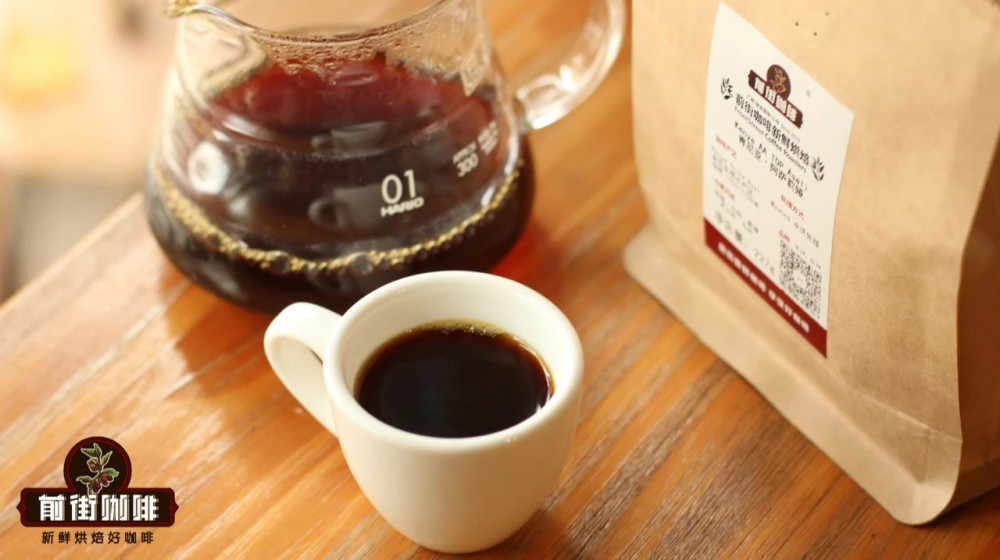
If you’d like to personally experience the charm of Kenyan coffee, try the Kenyan tomato-like flavored beans produced by the Assaliya factory in the Nyeri region. This coffee uses the SL28 and SL34 varieties, is washed processed, and grows at an altitude of about 1,550 to 1,750 meters, featuring distinct berry, dark cocoa, and rich juiciness. It is recommended to use the pour over method for extraction, with reference parameters as follows: 15 grams of coffee grounds, a 1:15 coffee-to-water ratio, water temperature of 89–92°C, and grind size around EK43S#10, with a total extraction time of about 2 minutes. The specific steps are: first, bloom with 30 grams of water for 30–35 seconds, then pour water up to 125 grams, wait until the water level drops by half, and then pour the remaining water. The entire extraction process should be completed within 1 minute and 30 to 1 minute and 40 seconds. In terms of flavor, this bean exhibits a bright berry tone, medium-high acidity, and a smooth dark chocolate aftertaste, with a clean and layered mouthfeel—perfectly suited for coffee lovers who enjoy fruity acidity and complexity.
The above content is compiled by CoffeeHunters, a coffee news website.


