







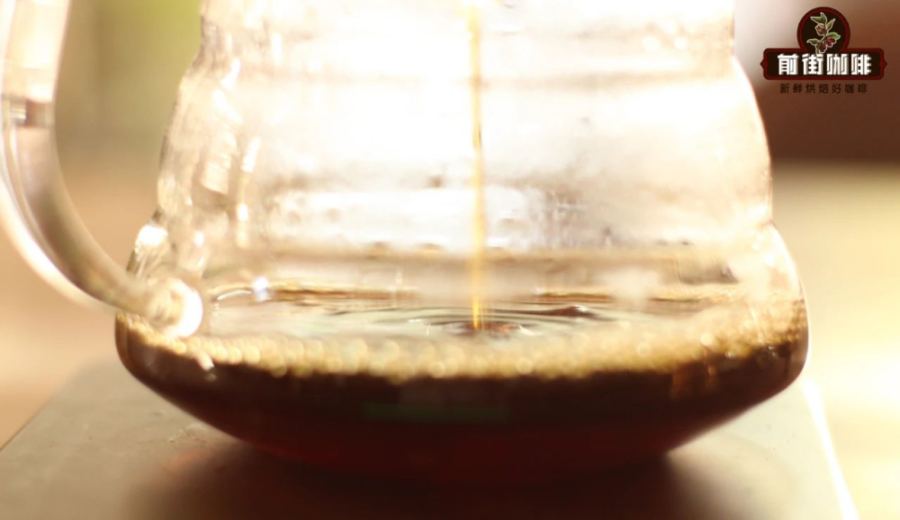
Introduction:Ever wondered why Panamanian Geisha has become the pinnacle of specialty coffee? This article takes you from the Ethiopian origins of Geisha, to the rise of Hacienda La Esmeralda at the BOP competition, delving into the secrets behind its floral, citrus, and honey flavors, while also uncovering the supply and cultivation challenges behind its high price. It also provides brewing recommendations for washed Geisha from the Boquete region with medium-light roasting using the V60, teaching you how to experience classic orangey-honey notes at an affordable price.
In today’s era of growing specialty coffee popularity, consumers are no longer satisfied with traditional bold and bitter flavors, but are beginning to pay attention to the origin, variety, and processing methods of coffee beans. Amid this third wave of coffee, a variety from Panama quickly rose to fame, captivating the palates of coffee lovers worldwide with its unique citrus, honey, and rich floral notes — that is Geisha.
However, the story of Geisha did not begin in Panama. As early as 1931, this variety was first discovered in the Gesha forest of Ethiopia, where it did not receive much attention at the time. It was then sent to the Kenya Coffee Research Institute, later spreading to Uganda and Tanzania, until it was finally cataloged by Costa Rica’s CATIE research institute in the 1950s under the number T2722. By the 1960s, these seeds were introduced to Panama, but initially, due to low yield and unremarkable appearance, they were mostly planted as windbreaks and went largely unnoticed.
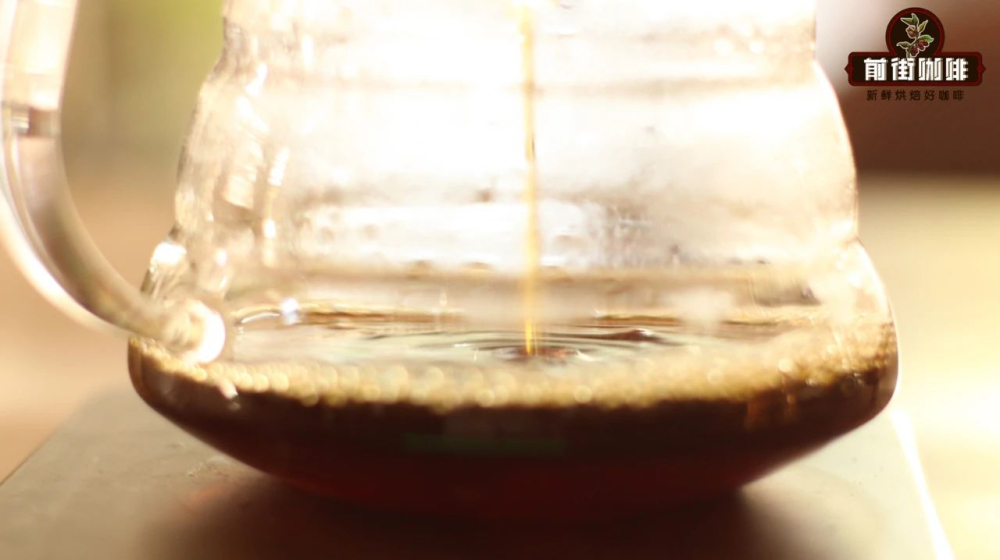
The turning point came at the end of the 20th century. Hacienda La Esmeralda in the Boquete region of Panama discovered during a routine cupping session that coffee from a certain plot exhibited an exceptionally unique citrus juice-like flavor, honey sweetness, and rich floral aroma. Upon investigation, it turned out to be the Geisha variety originally introduced from Ethiopia. This discovery laid the foundation for the coffee competition glory that followed.
In 2003, Hacienda La Esmeralda first entered Geisha into the Best of Panama (BOP) competition and achieved commendable results. The following year, in 2004, Geisha won the championship and stunned the industry with a record-breaking auction price, thus gaining widespread fame. Since then, the Geisha category in the BOP competition has consistently drawn global attention, continually breaking the highest auction prices and establishing the variety as a legend in the specialty coffee world.
It is worth mentioning that to prevent other varieties from being completely overshadowed by Geisha in the competition, the BOP organizers later specifically divided the event into “Geisha” and “Non-Geisha” categories to maintain diversity and fairness in the competition.
Although many regions have launched their own versions of “Geisha,” including Costa Rica, Colombia, and Ethiopia, most coffee experts still believe that the most representative Geisha flavor comes from the Boquete region of Panama, particularly the beans produced by Hacienda La Esmeralda. The supplier’s selection list includes multiple labels from Hacienda La Esmeralda: Red Label, Green Label, and Blue Label — all excellent choices for experiencing classic Geisha flavors at the entry level.
When it comes to Geisha, many people’s first reaction is “it’s too expensive.” Indeed, Geisha is often hailed as the “luxury item of the coffee world,” with prices far exceeding those of regular specialty coffee beans, even surpassing the famously pricey Kopi Luwak. But why does its price remain so high?
The primary reason is supply falling short of demand. Geisha beans that stand out at BOP are often produced in limited quantities, while global acclaim for their flavor drives ever-increasing demand. In addition, these top-tier Geishas typically come from high-altitude microclimates with harsh growing conditions, which naturally limit yields. Moreover, renowned producers like Hacienda La Esmeralda invest significant effort in cultivation management and post-harvest processing to ensure each batch of beans showcases the purest Geisha characteristics, and these costs are naturally reflected in the retail price.
However, for coffee enthusiasts who are just starting to explore Geisha, there is no need to purchase expensive auction-grade Geisha right away. For instance, the washed Geisha from the Boquete region offered by this shop also delivers clear citrus, honey, and floral notes, yet provides a high cost-performance tasting experience at a more affordable price.
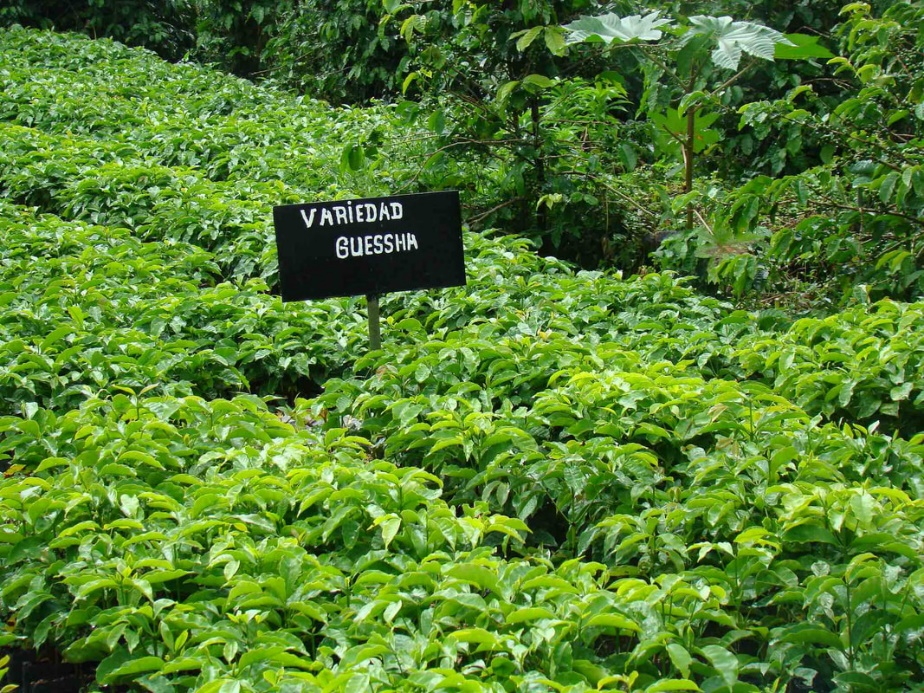
Coffee cultivation in Panama is primarily concentrated in the Chiriquí Volcanic Region, among which the Boquete region, with its fertile volcanic soil, abundant rainfall, suitable altitude, and stable microclimate, has become the ideal growing environment for Geisha. Hacienda La Esmeralda is located right here, enjoying uniquely favorable geographical conditions.
In terms of processing methods, washed processing is a classic way to showcase the bright and fresh flavor profile of Geisha. Through steps such as depulping, fermentation, washing, and drying, washed processing helps the green beans retain higher cleanliness and vibrant acidity. When processing Boquete washed Geisha, this shop first removes the skin and pulp of the coffee cherries, then ferments the mucilage-covered beans in water for about 24 hours, followed by washing and removing the parchment, and finally drying them appropriately to control the moisture content at around 12%, ensuring bean stability and flavor potential.
For roasting, to preserve the delicate acidity and complex fruit notes of Geisha, this shop typically opts for medium-light roasting. This roast level highlights the firm texture and clear layers of high-altitude beans, but also places higher demands on extraction. To fully release the floral, citrus, and honey flavors, it is recommended to use a V60 filter cone with slightly higher water temperature and finer grind size, and adjust the powder-to-water ratio appropriately to enhance overall extraction efficiency.
Below are the V60 three-stage pour over parameters for Boquete washed Geisha recommended by this shop, suitable for coffee lovers seeking clear fruit acidity and floral-fruity aromas:
Filter cone:V60
Water temperature:91-92°C
Coffee dose:15g
Powder-to-water ratio:1:16
Grind size:Fine sugar size (about 80% passing through a #20 sieve)
Three-stage extraction steps:
1. Wet the filter paper and preheat the lower carafe, then discard the remaining water.
2. Pour in the coffee grounds, gently tap to level the bed, and pour 30g of water for a 30-second bloom.
3. Continue pouring to reach 125g, using a steady circular motion.
4. When the water level drops by about half, proceed to the final pour up to 225g, with total extraction time around 2 minutes.

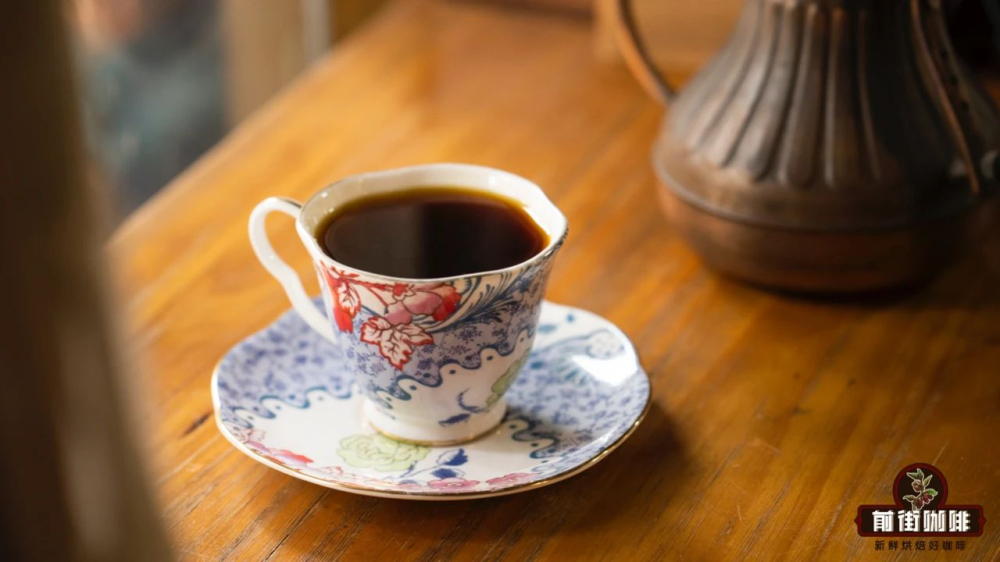
The resulting Geisha coffee will exhibit distinct citrus, lemon, and bergamot acidity, a silky mouthfeel like butter, and a lingering finish with light sweetness of green tea and honey. Such a flavor profile is one of the reasons why Geisha is so captivating.
Lastly, to fully experience the aroma and layers of the coffee, it is recommended to choose freshly roasted beans within 5 days of roasting and store them properly to maintain flavor freshness. This shop insists on shipping only freshly roasted Geisha coffee to ensure every customer enjoys beans at their best.
The above content is compiled by CoffeeHunters, a coffee news website.


