







Introduction:Yunnan is China’s primary Arabica coffee-producing region. Its coffee varieties have gradually shifted from the early Typica to the disease-resistant and high-yield Catimor, giving rise to the region’s unique flavor profile. This article delves into the evolution of Yunnan’s small-grain coffee varieties, comparing Catimor and Typica in terms of flavor, processing methods, and adaptability. It also provides pour-over brewing suggestions and resting guidelines for sun-dried Typica to help you fully grasp the characteristics and brewing techniques of Yunnan coffee.
As China’s representative Arabica coffee region, Yunnan has garnered significant attention for its development in the specialty coffee scene in recent years. Since 2013, many coffee brands have ventured into areas like Lincang, engaging in the entire process from planting to roasting to enhance the quality of local beans. This article focuses on the varietal development trajectory of Yunnan coffee—from the once-dominant Typica to the now widely cultivated Catimor—analyzing their growth characteristics, disease resistance advantages, and the controversies surrounding their flavor profiles. Through practical cuppings and pour-over experiments, it takes you deep into the real-world performance and distinctive traits of Yunnan small-grain coffee and Typica beans.
Why Catimor Became Yunnan’s Dominant Variety
The coffee variety widely planted in Yunnan today is Catimor, a hybrid of Timor and Caturra. It boasts excellent disease resistance and high yield, and is also extensively cultivated in Central and South America. A certain brand’s “Yunnan Small-Grain Coffee” is of the Catimor variety. It’s worth noting that the traditional meaning of “small-grain coffee” originally referred to purebred Arabica, originating from Ethiopia or the Arabian Peninsula, whereas today’s Yunnan small-grain coffee is mainly distributed across regions like Lincang, Baoshan, Simao, Xishuangbanna, and Dehong.
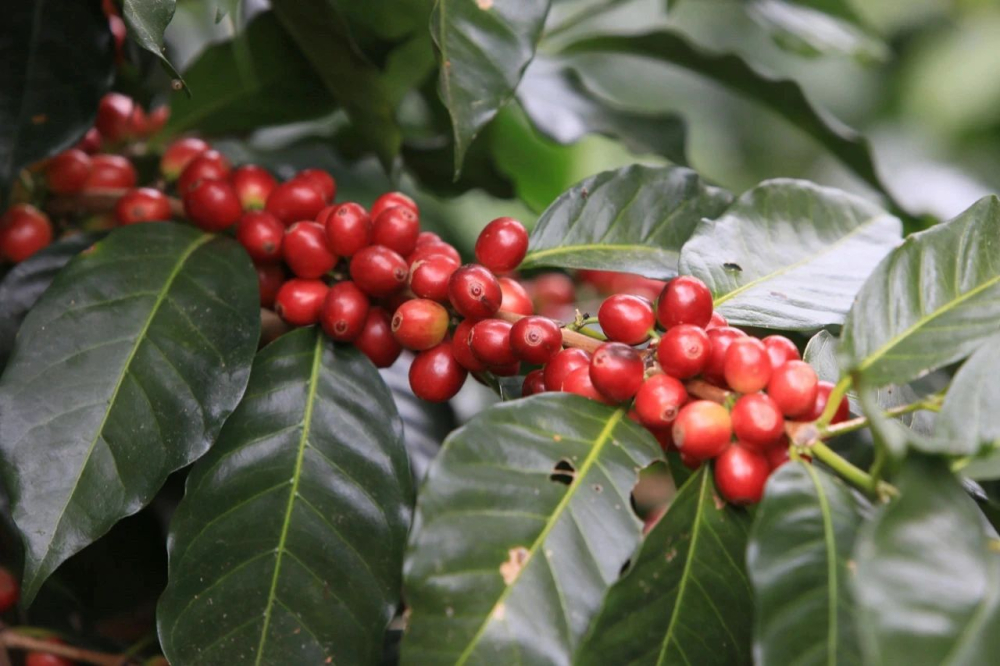
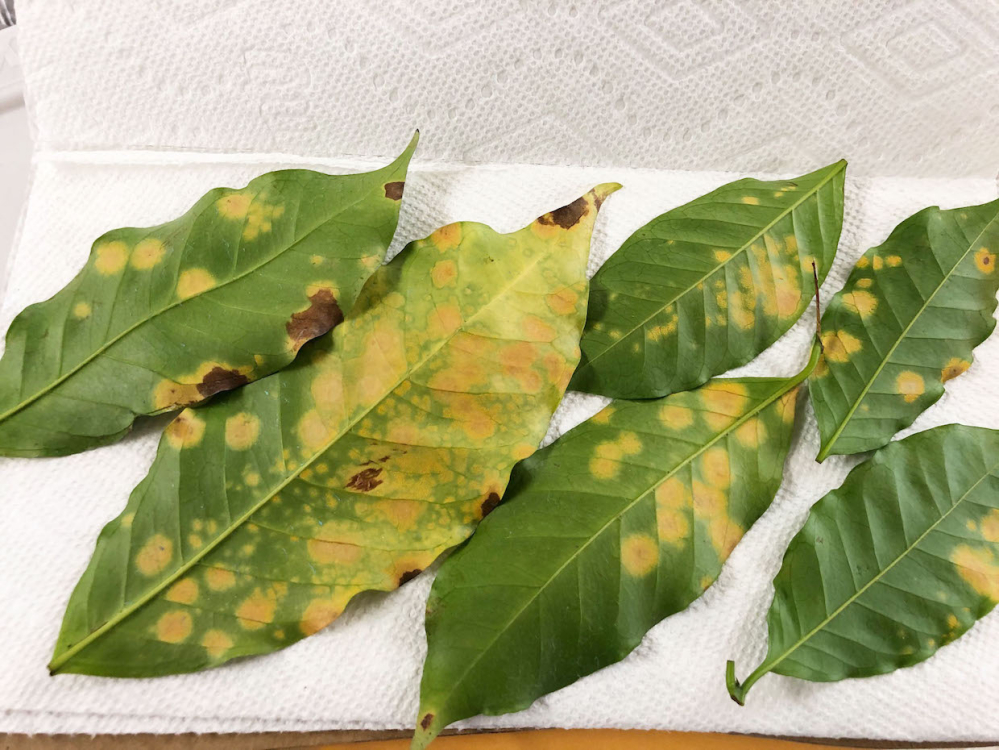
Catimor exhibits robust growth vigor in Yunnan, with bright green young leaves and an overall dark green foliage. The plant has a columnar shape, short internodes, and multiple branches, making it highly adaptable and endowed with certain drought and cold resistance capabilities. Compared to traditional Typica, Catimor yields higher per unit area and is easier to manage, thus becoming the dominant cultivated variety locally. However, the variety initially planted on a large scale in Yunnan was not Catimor but Typica, which boasts attractive appearance and prominent sweetness. Yet, due to Typica’s susceptibility to rust disease, lower yield, high management threshold, and limited economic benefits, it has gradually been phased out by farmers.
Controversy and Actual Performance of Catimor’s Flavor
The flavor of Catimor has long been a focal point of industry discussion, with some critics describing its flavor profile as having a “devil’s aftertaste.” However, some industry players argue that coffee flavor is the result of multiple factors and should not be attributed solely to the variety. For instance, Indonesia’s renowned Mandheling coffee also primarily uses Catimor, yet its flavor is widely praised in the market, demonstrating that post-harvest processing and environmental factors are equally crucial.
Flavor Advantages and Processing Characteristics of Typica
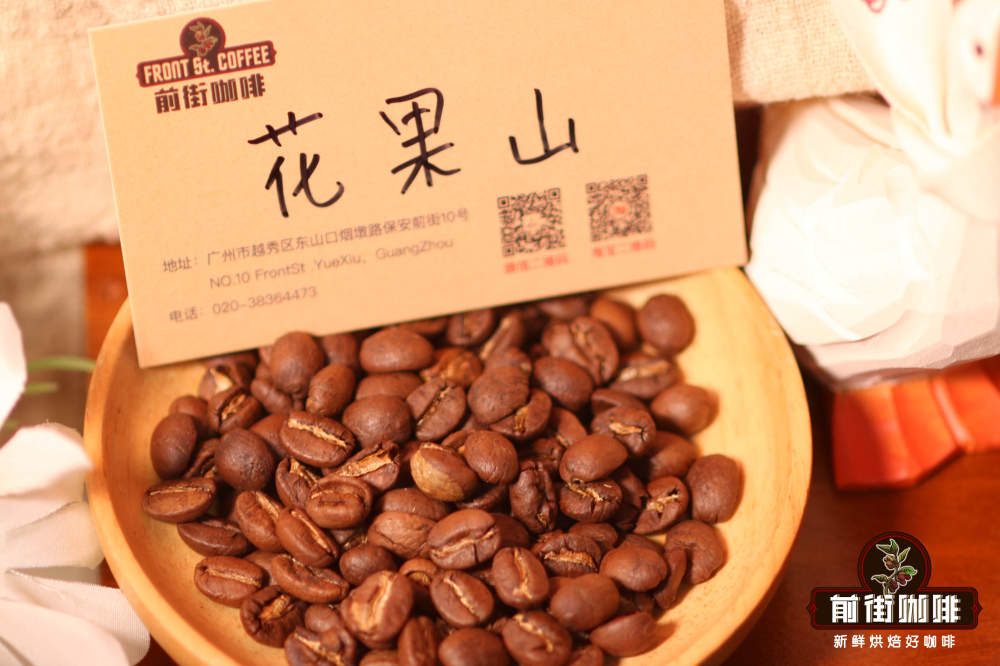
Despite its limited planting area, Typica performs quite impressively in Yunnan. A certain brand’s “Flower-Fruit Mountain Coffee” uses the Typica variety, and its washed-processed flavor is clear and layered. Yunnan’s year-round high temperatures and abundant rainfall lead local farmers to leverage these natural conditions, employing the washed method: first removing the pulp with a depulper, then fermenting the beans in water tanks for about 18 hours to effectively remove the mucilage before sun-drying.
Cupping Experiments and Flavor Profile Analysis
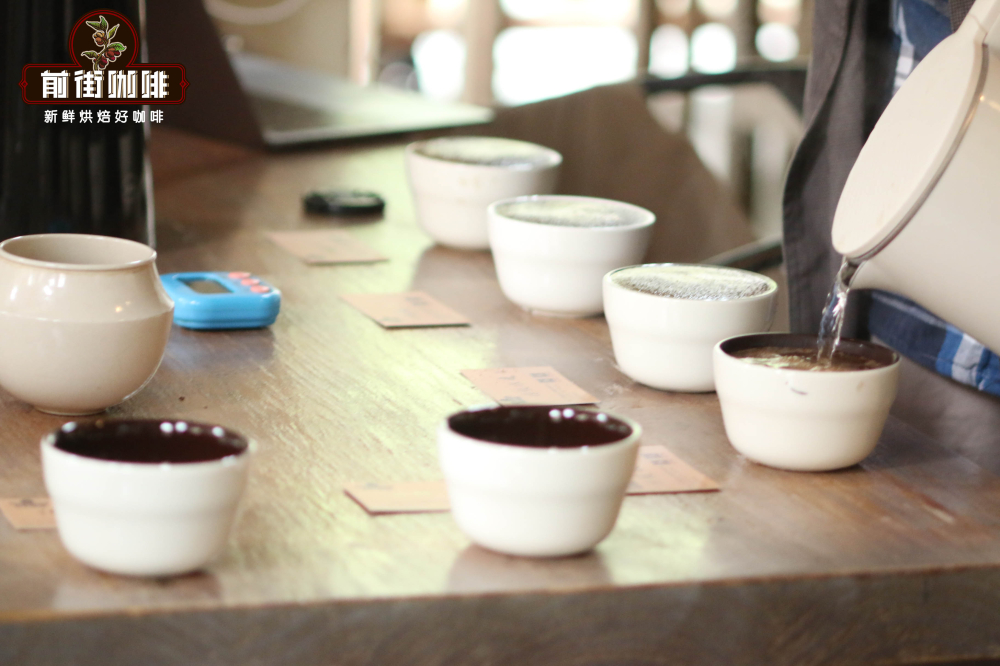
A certain brand conducted systematic cuppings and pour-over experiments on “Yunnan Small-Grain Coffee” and “Flower-Fruit Mountain Coffee.” Both beans were medium-roasted to fully showcase their inherent varietal flavor characteristics. According to SCAA standards, cuppings used 200ml ceramic bowls, with water temperature controlled at 94°C, grind size passing through a #20 sieve at 70%-75%, a brew ratio of 1:18.18 (11g coffee to 200ml water), and an extraction time of about 4 minutes, ensuring concentration falls within the Golden Cup range (1.15%-1.35%).
Cupping results showed that the 2013 Typica from a certain brand had pronounced melon and herbal aromas upon entry, a smooth mouthfeel, nutty and chocolatey notes in the mid-palate, and a lively finish with plum acidity, black tea, and brown sugar undertones. Meanwhile, Yunnan small-grain coffee exhibited bright acidity, balanced overall flavor, and distinct layers, with notable dark chocolate, honey, and cane sugar notes emerging as it cooled.
Geographic and Climatic Conditions of the Yunnan Growing Region
Overall, Yunnan coffee does not excel in intense acidity but rather establishes a balanced flavor profile with nuts and brown sugar as its base notes. This is closely tied to its geographic location—Yunnan, like Colombia, lies in a low-latitude, high-altitude zone with significant day-night temperature variations, aiding the accumulation of coffee flavor compounds. Additionally, coffee trees typically take four years to mature, with their flowering period occurring between March and May each year. This period is brief and heavily influenced by rainfall and temperature.

Most coffee-growing areas in Yunnan sit at elevations exceeding 1,000 meters—for example, Kunming at approximately 1,895m, Baoshan at 1,653.5m, Dali at 1,976m, Chuxiong at 1,773m—while Dehong averages between 800–1,500m, and Diqing even higher, averaging 3,380m. Moreover, the “coffee belt” lies between the Tropic of Cancer and the Tropic of Capricorn. Yunnan, situated within this zone and shielded by the Gaoligong Mountains, enjoys a microclimate that effectively reduces the risk of cold air intrusion, providing ideal growing conditions.
Brewing Suggestions and Pour-Over Tips for a Certain Brand’s Sun-Dried Typica
A certain brand owns a plantation in Lincang, where it has cultivated the original Arabica variety Typica since 2013. The region has an average annual temperature of around 21°C, peaking above 40°C, making it highly suitable for small-grain coffee growth. The resulting coffee is rich without being bitter, full-bodied, and aromatic. After the 2022 harvest season, the latest batch of Yunnan sun-dried Typica from this brand has officially gone on sale.
This sun-dried Typica is produced at the brand’s coffee plantation at an altitude of 1,300m, using the traditional sun-drying processing method. After ample sun exposure, the coffee offers a fuller mouthfeel, vibrant sweet-and-sour notes, citrus and berry tones, along with subtle fermented wine-like aromas. The finish reveals a caramel sweetness and creamy, velvety aftertaste.
Recommended pour-over parameters are as follows: use a Hario V60 filter, water temperature at 90°C, 15g coffee, 1:15 brew ratio, and grind size passing through a Chinese standard #20 sieve at 80%. Brewing steps: start with a 30g bloom for 30 seconds, then pour in a thin stream in circular motions from the center outward to 125g for the first pour, wait for the water level to drop, then pour to 225g total. Total extraction time should be controlled around 2 minutes.
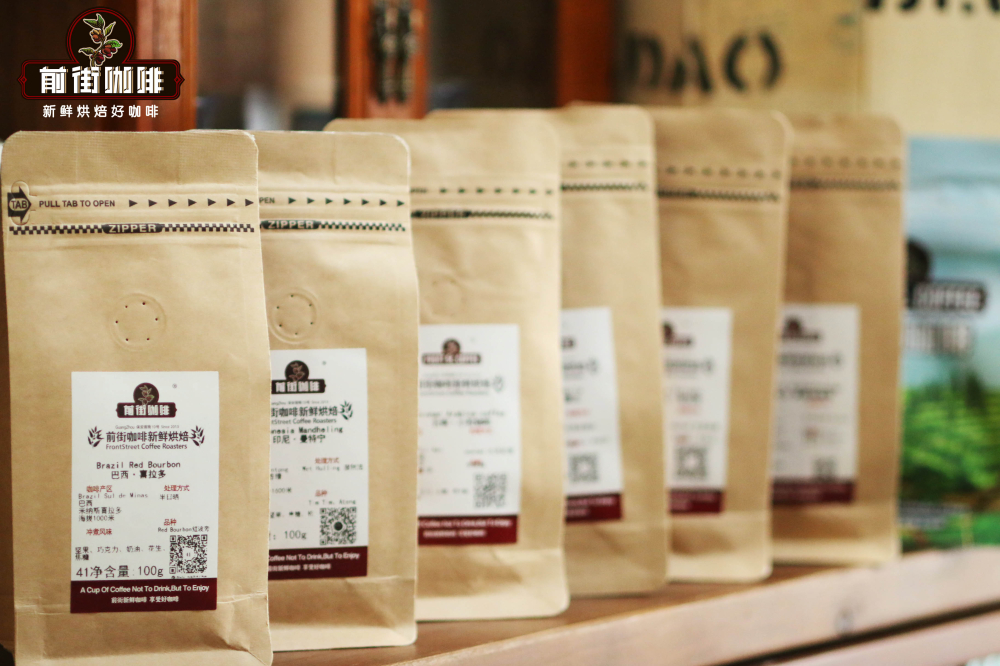
All coffee beans produced by a certain brand are shipped fresh within 5 days of roasting. Upon receipt, they have already undergone 4–7 days of resting, with flavors at their peak. Note that once coffee is ground, its volatile flavor compounds dissipate significantly faster. It’s recommended to buy whole beans and grind them just before brewing for optimal taste. Additionally, the initial “hamburger”-like bloom formed during the first bloom pour helps expel CO₂, ensuring stable and even extraction afterward.
The above content is compiled by CoffeeHunters, a coffee news website.


