







Introduction:The Huila region of Colombia is renowned for producing specialty coffee with rich and balanced flavors. Its beans often exhibit notes of nuts, chocolate, and caramel, making it a top choice for many coffee enthusiasts. This article will delve into the geographical environment, flavor characteristics of Huila coffee, as well as the varieties and grading system in the region, while also offering practical pour over brewing recommendations to help you better understand this highly acclaimed coffee bean.
In the world of coffee, each region, due to its unique geography and climate, produces beans with distinct flavors. As one of the world’s major Arabica coffee producers, Colombia is home to several renowned coffee-growing areas, among which Huila stands out for its consistently high-quality beans that have garnered widespread acclaim. This article will provide you with a comprehensive understanding of Colombia’s Huila region—from its geography and climate to the flavor profiles, variety classifications, and grading system—allowing you to deeply appreciate the charm of this specialty coffee.
Huila Province is located in the southwestern part of Colombia, covering an area of approximately 19,890 square kilometers, with a population of around 1.13 million in 2013. The province is surrounded by majestic mountains, and its coffee-growing areas are mainly distributed on the slopes of high-altitude valleys. This terrain not only provides an ideal elevation for cultivation but also contributes to significant day-night temperature variations, further enhancing the complexity of the coffee’s flavors.The Magdalena River, which flows through the region, along with Nevado del Huila, the second highest peak in Colombia, together shape the area’s unique microclimate.
The provincial capital, Neiva, is situated at 2°59′55″ N latitude and 75°18′16″ W longitude, on the right bank of the Magdalena River, approximately 240 kilometers from the capital city of Bogotá. Due to the natural barrier formed by the mountainous terrain, the region is protected from cold, strong winds, while the mountain breezes maintain a cool and stable temperature. Coupled with abundant rainfall, this creates an environment highly suitable for growing Arabica coffee.
The coffee trees grown in the Huila region are mostly located at high altitudes between 1,500 and 2,000 meters. Such elevation not only slows down the ripening process of the coffee cherries but also allows for the accumulation of more flavor compounds, resulting in coffee beans that possessa rich, full-bodied taste and complex layers.These coffees typically exude aromas of nuts, chocolate, and caramel, accompanied by gentle fruit acidity. They offer a balanced flavor profile and a long-lasting aftertaste upon tasting, thus qualifying them as specialty coffee.
In terms of varieties, the Huila region primarily cultivates traditional and resilient Arabica varieties, including Caturra, Castillo, and Bourbon. These varieties perform exceptionally well in the local environment and can showcase distinct regional characteristics. Additionally, because the Huila region maintains strict quality standards for its coffee, harvesting is carried out usingmanual picking methodsto ensure that only fully ripe coffee cherries are selected, thereby further enhancing the overall quality of the coffee.
Colombia’s coffee grading system is mainly based on the processing method, altitude, and cupping quality of the beans. Coffee beans from the Huila region typically fall under the high-altitude-grown categories of Strictly High Grown (SHG) or Strictly Hard Bean (SHB), indicating that the beans are grown at elevations above 1,200 meters. Due to the slower growth rate at high altitudes, the beans have higher density and more concentrated flavors. Moreover, Huila coffee is commonly processed using the washed method, which highlights the coffee’s cleanliness and bright acidity, making it suitable for drinkers who prefer a clear and defined flavor profile.
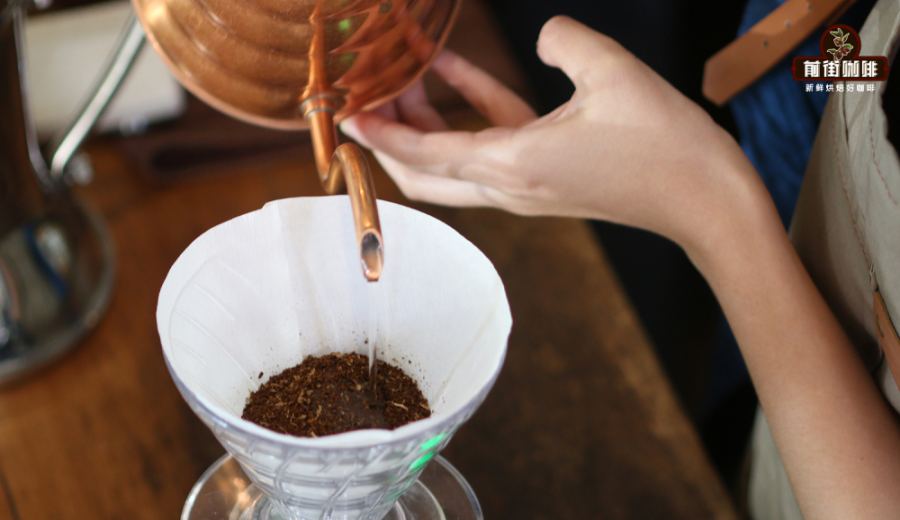
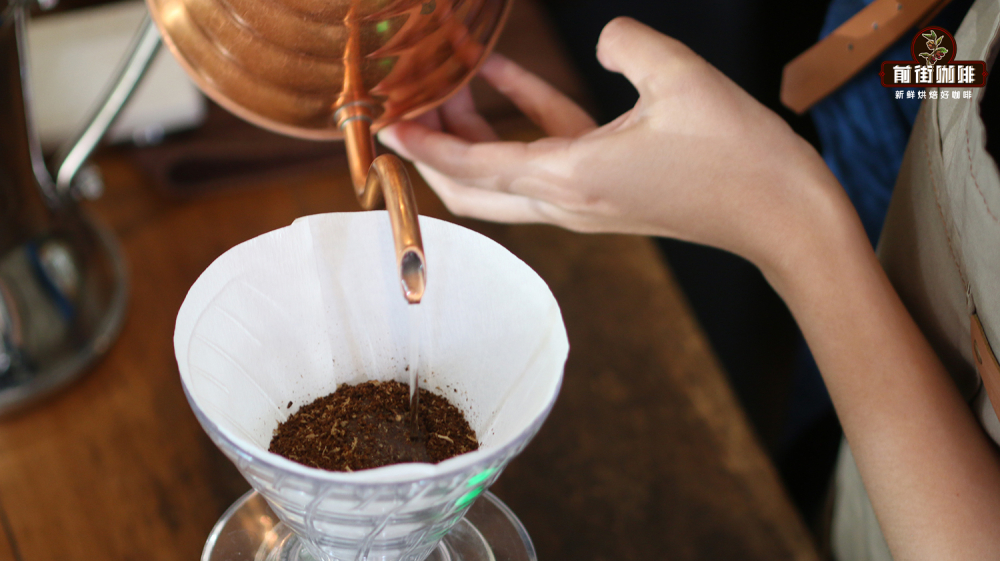
For pour over coffee enthusiasts, coffee beans from the Huila region are an excellent choice to try. It is recommended to use beans with a medium-light roast level and brew them using the pour over method to better highlight their bright acidity and complex aroma layers. The generally suggested brewing parameters are: medium grind size (such as the medium-fine grind recommended for the filter used), water temperature around 90–93°C, and a coffee-to-water ratio of 1:15 to 1:16. During the brewing process, a pulse pouring technique can be employed to fully extract the coffee’s sweetness and layered flavors.
In summary, thanks to its exceptional geographical environment, rigorous planting and harvesting processes, and distinctive flavor characteristics, the Colombian Huila region has become one of the most noteworthy regions in the specialty coffee market. Whether you’re a coffee novice or a seasoned enthusiast, you can find your own unique flavor experience in Huila coffee.
The above content is compiled by CoffeeHunters, a coffee news website.


