







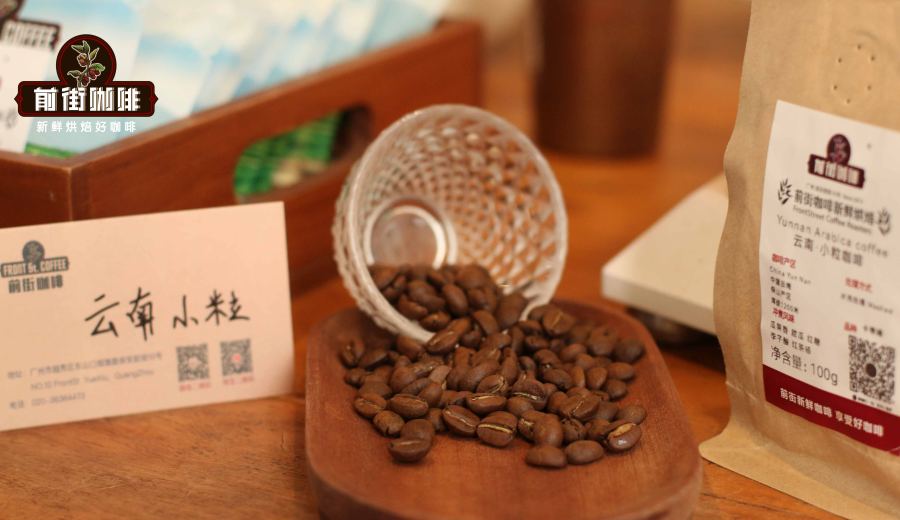
Introduction:Want to explore the charm of Baoshan smallholder coffee from Yunnan, China in depth? This article takes you through the region’s geographical advantages, the characteristics of the Typica variety, and the complete journey from cultivation to flavor. We also provide practical pour over parameters and extraction tips to help you better highlight the nutty, chocolatey, and fruity layers of this coffee—beneficial for both beginners and advanced enthusiasts.
Located in southwestern China, Baoshan in Yunnan is one of the key regions for smallholder coffee. Thanks to its unique altitude and climate conditions, it produces high-quality beans with a rich body and pronounced fruity notes. The smallholder coffee here is mainly medium roasted and mostly processed using the washed method, showcasing a bright acidity and a complex aromatic profile—making it a top choice for many coffee lovers trying Chinese single-origin specialty coffee.
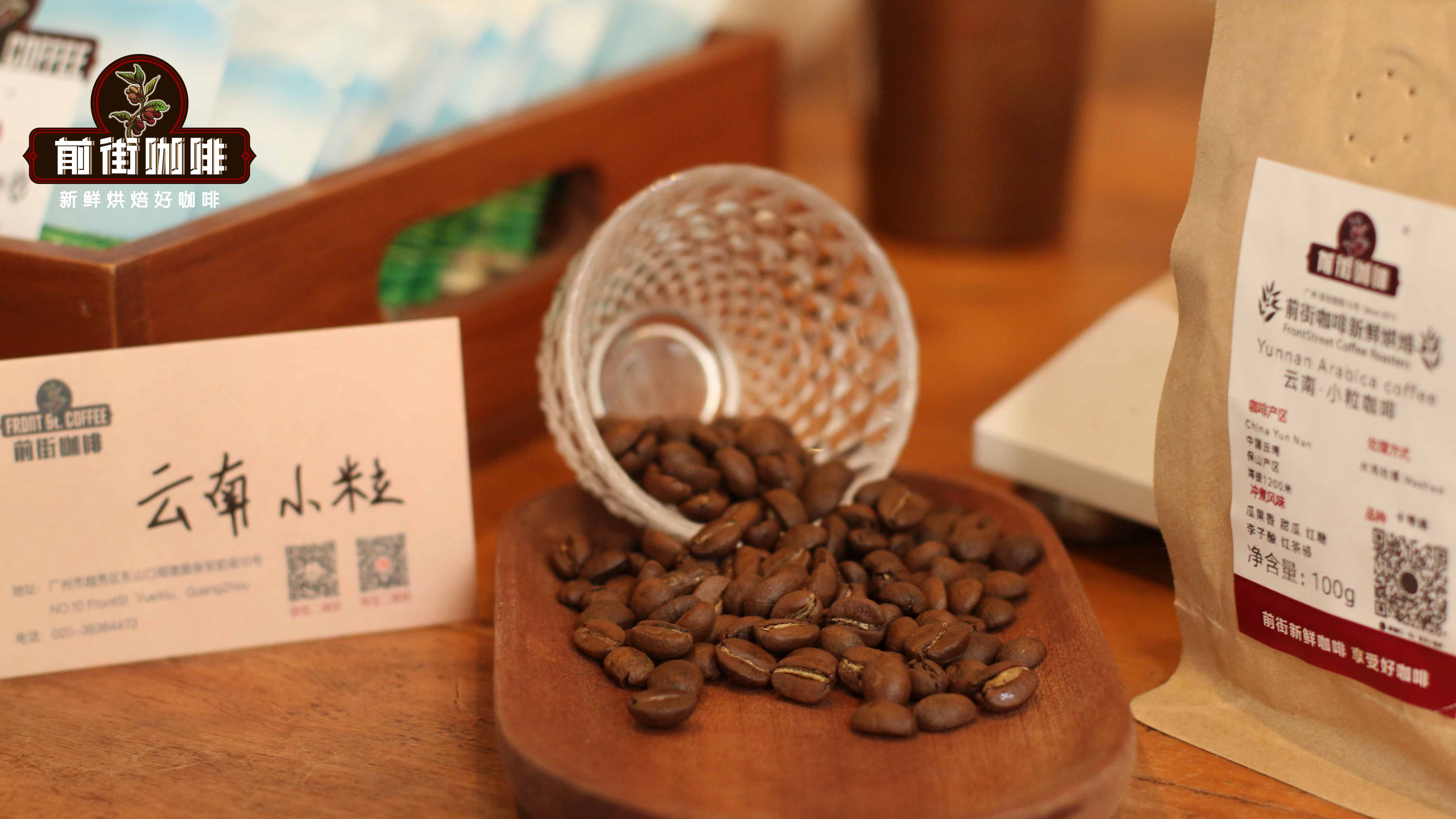
Smallholder coffee is generally suited to mountainous environments at elevations of around 800 to 1800 meters. If the altitude is too high, the coffee often has overly pronounced acidity; if too low, it can easily result in excessive bitterness. The Baoshan area sits at about 1200 meters above sea level, characterized by a dry-hot river valley terrain with stable climate conditions and moderate diurnal temperature variations. This not only helps accumulate sugar in the coffee cherries but also results in a more balanced final flavor. The region experiences almost no frost throughout the year, with an average annual temperature of about 21.5°C and extreme highs reaching up to 40.4°C—making it highly suitable for growing smallholder coffee varieties. As a result, it is considered one of China’s most ideal coffee-growing areas.
Besides Baoshan, other areas in Yunnan such as Lincang, Simao, Xishuangbanna, and Dehong also have excellent conditions for cultivating smallholder coffee, with overall output of stable quality and international standards. The International Coffee Organization once rated Yunnan-produced coffee as being similar to Colombian wet-processed smallholder varieties, classifying it among the world’s high-quality coffee categories—highlighting its potential and reputation.
In terms of variety, this batch of Yunnan smallholder coffee is primarily Typica. Typica is a historic Arabica variety originating from Ethiopia and southeastern Sudan, and serves as the base variety for many classic coffees in well-known producing regions such as Jamaica Blue Mountain, Papua New Guinea, and Tanzania. This variety is relatively hardy but sensitive to sunlight and not suited to prolonged direct strong light. Its top leaves exhibit a distinctive reddish-copper color, hence it is also known as "red-topped coffee." Typica coffee beans are usually smaller in size with uniform shape, and their flavor profile often features pronounced fruity notes along with a rich and delicate mouthfeel.
In terms of growth cycle, the Yunnan coffee used here comes from trees that are about 3 to 4 years old and fruit-bearing. Smallholder varieties are short-day plants, with a flowering habit characterized by multiple blooms and concentrated flowering periods, typically occurring between February and July each year, with the peak flowering season from March to May. The timing and density of flowering are highly influenced by rainfall and temperature, particularly requiring a moderately moist environment to facilitate pollination. Coffee blossoms have an extremely short flowering period, usually lasting only 2 to 3 days, with most flowers opening between 3 to 5 AM and reaching full bloom between 5 to 7 AM.
The process from flowering to fruit maturity is lengthy. Smallholder coffee cherries require approximately 8 to 10 months of development, typically reaching harvest maturity between October and December of the same year. During this period, the amount of rainfall directly affects the size of the cherries, sugar accumulation, and the ultimate flavor expression. Therefore, stable climatic conditions are crucial to the quality of Yunnan smallholder coffee.
The 2013 Typica coffee introduced here has a clear and distinct flavor profile, built on a base of nuts and chocolate, with intense dried apricot aromas. The mid-palate reveals a notable melon sweetness, while the finish offers a hint of the richness and smoothness reminiscent of black tea. The overall profile is balanced and layered, making it suitable for drinkers who enjoy medium-to-dark roast flavors but still want to experience fruity brightness.
If you’d like to brew this Yunnan smallholder coffee at home, here are the recommended pour over parameters and tips: Use 15 grams of coffee grounds, with a medium-fine grind size akin to sugar granules, paired with a V60 filter. Control the water temperature between 88–89°C. Begin with a 30-gram bloom for about 27 seconds—this step awakens the coffee grounds and releases aroma. Then pour water up to 105 grams for the first drawdown, wait until the coffee bed moisture drops to about half, then continue pouring slowly until the total water volume reaches 225 grams. Note that any impurities or over-extracted portions at the end may be omitted. It’s advised to maintain a 1:15 coffee-to-water ratio, with the total extraction time kept around 2 minutes to fully showcase the nutty, fruity, and black-tea-like finish of this Typica coffee.
The above content is compiled by CoffeeHunters, a coffee news website.


