







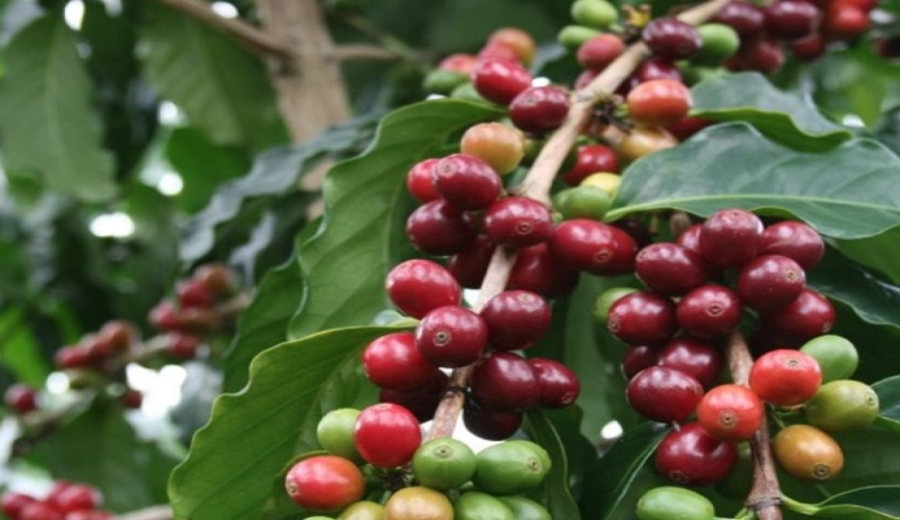
Introduction:This article delves into the revival journey of Bolivia’s specialty coffee, from the geographical conditions of its producing regions and historical development challenges, to the quality-driven innovations and smallholder support initiatives led by the Rodríguez family, with a special focus on the representative Java and Geisha varieties. It offers a comprehensive exploration of this high-altitude South American country's unique coffee charm, from flavor characteristics to processing techniques.
In the landlocked highland nation of Bolivia in South America, the revival of specialty coffee is closely tied to the Rodríguez family, particularly Pedro Rodríguez, a key figure seen as driving the rise of Bolivia’s coffee industry. The Geisha variety produced on his estate has received high praise in international competitions. Japanese competitor Miki Suzuki even secured second place in the 2017 World Brewers Cup using Geisha from this estate, bringing Bolivian coffee back into the spotlight of the global specialty market. Additionally, the industry recently cupped two standout coffees from the Rodríguez family: a cacao natural-processed Java variety and a washed Java Typica from their Tomorrow’s Sun Project, both showcasing impressive and distinctive flavor profiles.
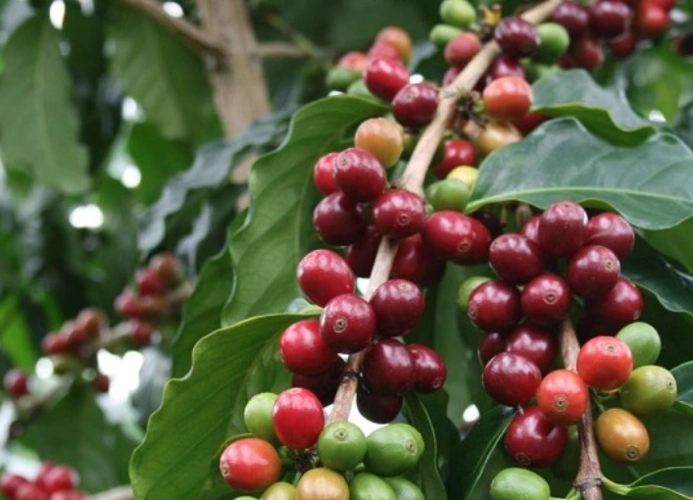 When it comes to Pedro Rodríguez of Bolivia, he is almost a household name in the specialty coffee community. Not only is he hailed as a pivotal figure in the country’s coffee revival, but he has also earned the favor of several internationally renowned specialty coffee brands. For instance, Intelligentsia actively seeks to purchase his green beans every year. Moreover, Japanese competitor Miki Suzuki stood out in international competitions with Geisha from Pedro’s estate—first winning at the national level in Japan, then taking second place in the 2017 World Brewers Cup, fully demonstrating the potential of Bolivia’s high-altitude coffee. The industry has also specifically cupped the Java variety produced by the Rodríguez family, whose balanced acidity and sweetness, along with a creamy mouthfeel, left a deep impression.
Bolivia is a landlocked South American country bordering Brazil, with terrain ranging from the towering peaks of the Andes Mountains to vast salt flats. The entire country has an average elevation of over 3,000 meters. Although Sucre is the constitutional capital, government institutions are actually located in La Paz, which sits at over 3,600 meters above sea level, making it the highest capital city in the world. Such a high-altitude environment should naturally offer advantages for coffee cultivation, yet due to multiple constraints, Bolivia’s coffee production has long remained low, at only about 223,000 bags (60 kg per bag), placing it among the smaller-producing countries in the global market.
The reasons for low production are multifaceted. First, transportation infrastructure is underdeveloped, with many coffee-growing areas located in remote mountainous regions where roads are treacherous, especially the North Yungas Road, known as the “Death Road” (El Camino de la Muerte). This route features narrow paths, steep cliffs, lack of guardrails, and frequent fog, resulting in numerous accidents each year that severely hinder coffee transport efficiency. Although the government has gradually invested in improvements in recent years, challenges remain. Second, the country has a population of only about 10.5 million, with many residents living in poverty. Many farmers have abandoned coffee cultivation—or even left their land fallow—because growing coca leaves (used for making drugs) offers higher profits and relatively controllable risks. Coca cultivation also severely damages the soil, hindering the growth of subsequent crops. In addition, the major outbreak of coffee leaf rust in 2013 caused Bolivia’s coffee output to plummet by 50% within just one year, marking another major blow to the long-term stagnation of its coffee industry.
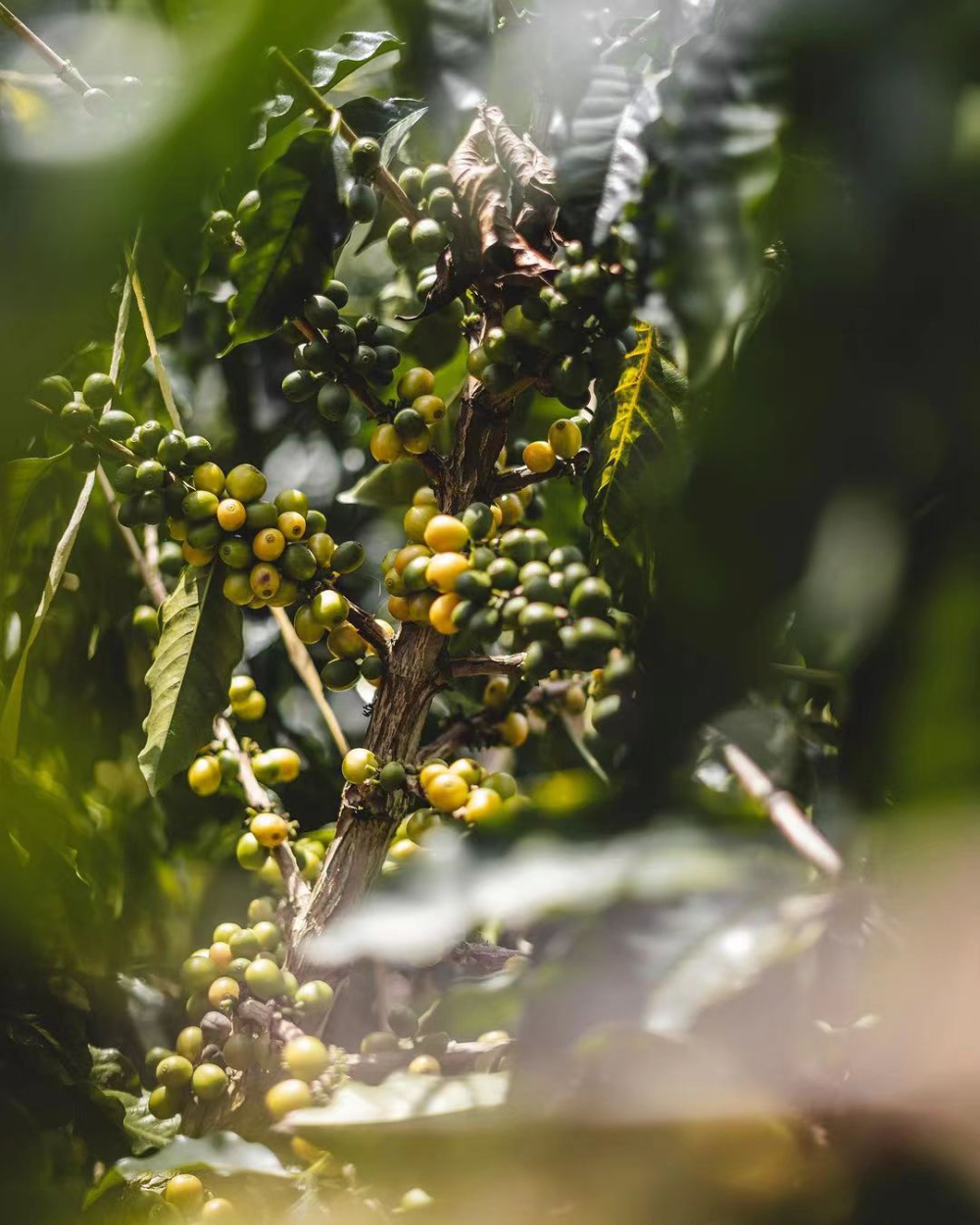 Looking back at the development of Bolivia’s coffee industry, its production scale was once substantial in the 1880s, mainly concentrated on large farms north of La Paz. However, by 1991, although the government introduced a program to encourage indigenous coffee farming, it failed to prioritize quality improvement. At the same time, because coca leaf profits were several times higher than those from coffee, farmers turned en masse to coca cultivation, even abandoning their coffee fields. In the early 2000s, the United States intended to aid Bolivian agriculture, but relations soured due to the Bolivian government’s continued support for coca cultivation, leading to the failure of aid programs and the interruption of many coffee development projects. It wasn’t until later, with support from the United States Agency for International Development (USAID), that some competitions such as COE (Cup of Excellence) were restarted, successfully held in 2004. That year, 13 specialty lots scored over 84 points, with the champion achieving an impressive 90.44, driving up the price of green beans.
However, after 2009, Bolivia did not participate in the COE competition again due to political reasons. The coffee leaf rust epidemic in 2013, coupled with the government’s longstanding coca policy, caused Bolivia’s coffee production to decline by more than 70% over the past decade, reducing it from a once-promising producing country to a small-scale producer. Although it signed a coffee export quality inspection agreement with China in 2018, the coup and unrest in 2019 once again cast a shadow over export and industry prospects.
Coffee farming in Bolivia is mostly carried out by small farms or cooperatives. Following the land reform of 1991, the number of large landowners sharply decreased. Currently, there are approximately 23,000 coffee farming families nationwide, with an average cultivation area of only 1.2 to 8 hectares per household, representing a typical smallholder farming model. The main producing region is Yungas, accounting for 95% of the country’s output, with cultivation altitudes ranging between 800 and 2,300 meters and a harvest season from July to November. Located on the eastern foothills of the Andes Mountains and covered by vast virgin forests, this region is not only Bolivia’s oldest coffee-producing area but also one of the highest-altitude coffee-growing zones in the country. La Paz is situated to the west of this producing area. Additionally, there is some coffee cultivation in Santa Cruz and Beni, but due to limitations in terrain and altitude, the proportion of high-quality coffee is relatively low.
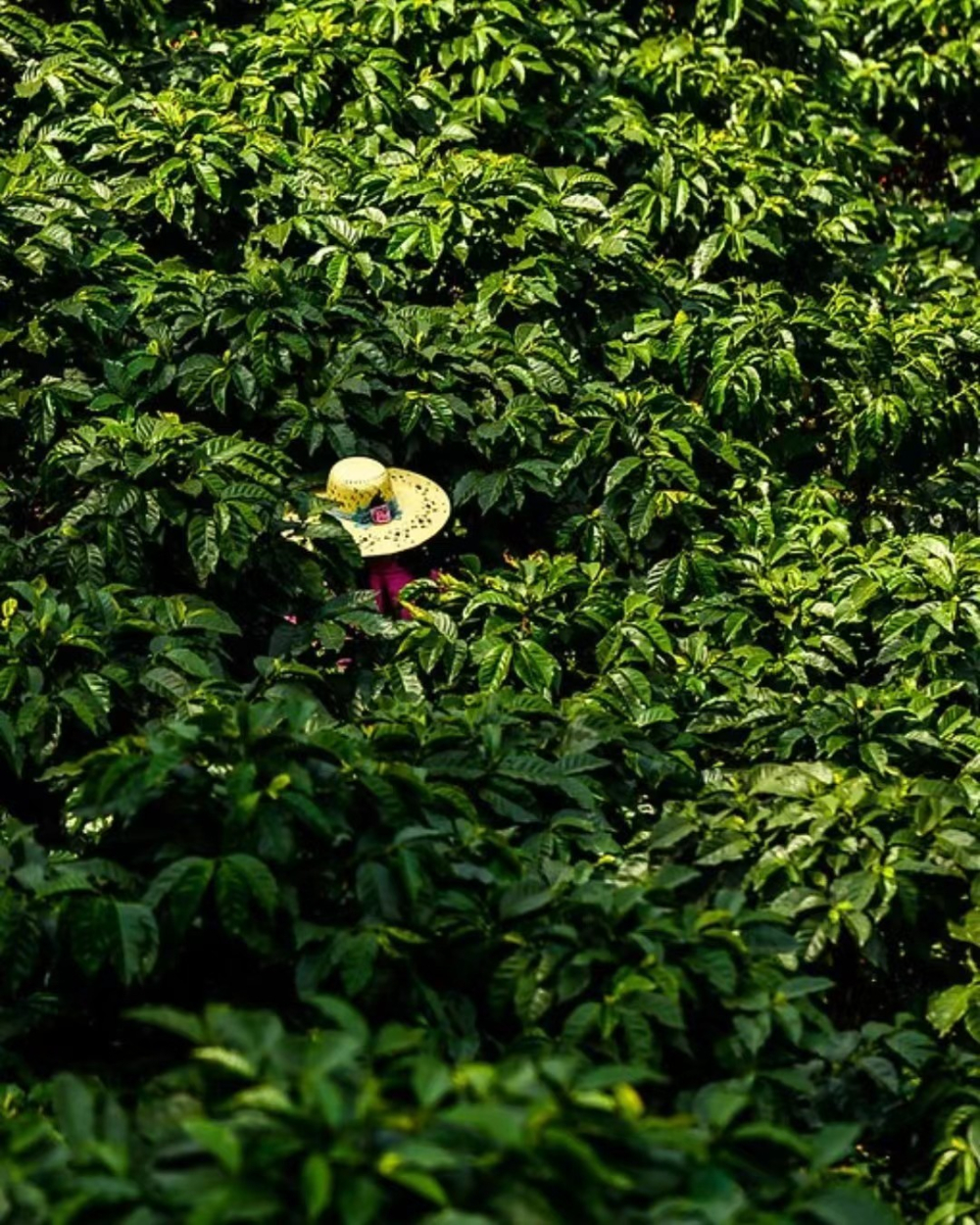 In the process of reviving Bolivia’s specialty coffee, the Rodríguez family has played a pivotal role. Since 1986, the family has been dedicated to coffee cultivation. Facing the dual challenges of policy restrictions and natural disasters, they actively acquired land, built new estates, and focused on cultivating high-quality specialty coffee, including renowned varieties like Geisha. The Rodríguez family currently owns a total of 12 estates, four of which are located in Santa Cruz and eight in the Caranavi region of La Paz, achieving full autonomy in operations from harvesting, processing, packaging to exporting.
To further enhance overall coffee quality and improve farmers’ livelihoods, the Rodríguez family launched the “Tomorrow’s Sun Project El Sol de Mañana” in 2016. This initiative provides vocational training, discounts on purchasing quality seeds, professional technical consultations, and fairer trading prices, along with incentive mechanisms to encourage farmers to grow coffee with high cupping scores. This fosters a positive cycle between quality and income, effectively promoting the sustainable development of the local coffee industry.
The industry has cupped a washed Java Typica from this project, which exhibited soft strawberry acidity, pronounced caramel sweetness, and delicate cocoa and almond aftertastes, with a rich and balanced flavor profile.
In terms of varieties, Bolivia traditionally focused on Typica, Catuai, and Red & Yellow Caturra. But over the past two decades, with the rise of the specialty coffee trend, many estates began introducing internationally renowned varieties such as Geisha, Pacamara, and SL28. Among them, the Geisha grown by the Rodríguez family was imported from the renowned Finca El Paraíso. In addition, the Java (Java Nica) variety has also attracted significant attention. This variety originates from the Abyssinian lineage of Ethiopia and shares a common ancestry with Geisha, naturally possessing intense floral and fruity notes, hence often referred to as Geisha’s “cousin.” It’s important to clarify that this “Java” is the name of a coffee variety, completely different from Indonesia’s Java coffee region; Indonesian Java, due to long-term genetic erosion, is no longer the premium variety it once was, and the two belong to different plant lineages.
The Java variety was first planted in Indonesia before being introduced to Timor Island and East Africa’s Cameroon. It was first released for cultivation in Cameroon in the 1980s. In 1991, CIRAD (the International Center for Agricultural Research and Development) introduced Java to Costa Rica to offer smallholders more fertilizer-efficient variety options, subsequently promoting it across Central and South America. In high-altitude environments, Java has demonstrated exceptional flavor potential, especially through the promotion by Nicaragua’s Mierisch family, helping this variety gradually gain recognition in the specialty market and earning the name JAVA NICA (referring to Java from Nicaragua). After the Rodríguez family introduced it to Bolivia, through careful cultivation, they successfully developed a high-quality Java coffee with local characteristics.
This year’s cupped “Bolivia Waliki Estate Cacao Natural Java” is a prime example. This lot comes from the small Waliki estate, located about 10 kilometers outside the town of Caranavi in La Paz, in the Bolinda community, at an altitude of over 1,600 meters—a high-altitude region with cold climates and longer growth cycles. The following sections will further explore its unique processing technique and flavor expression.
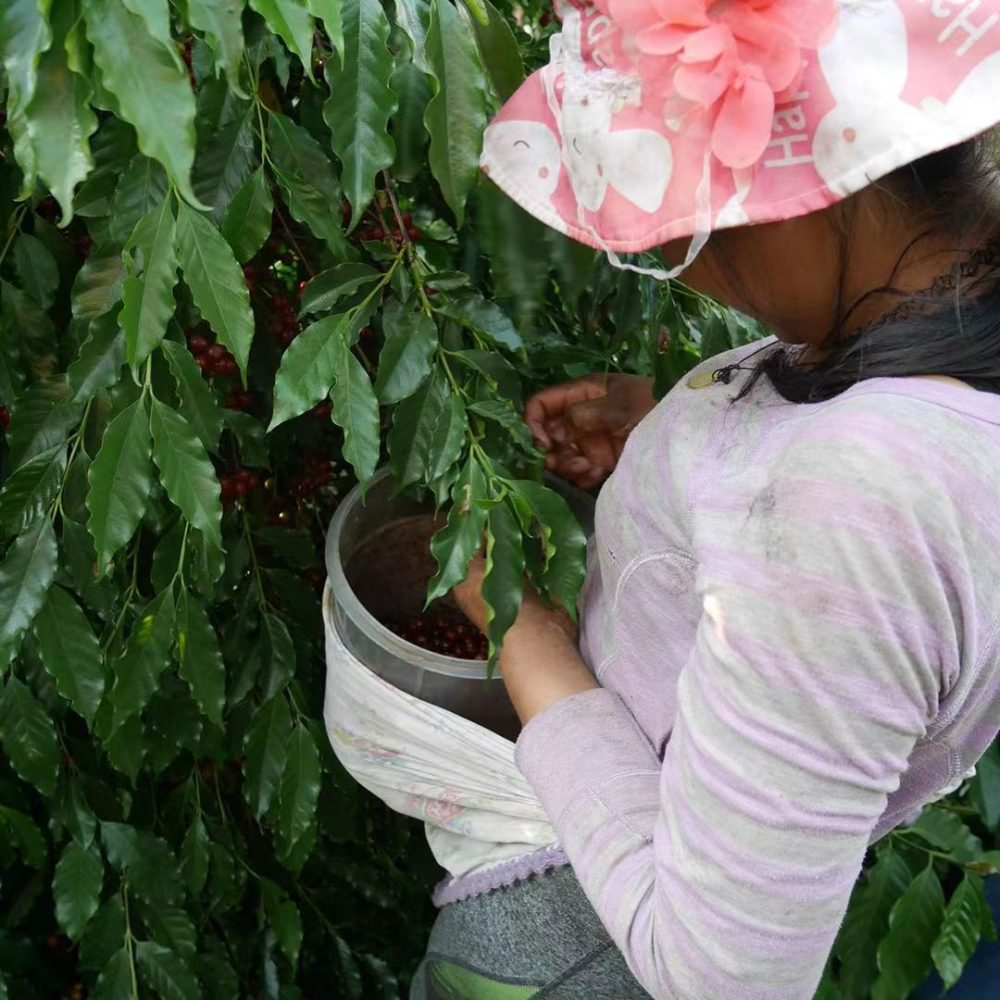 In terms of processing methods, most smallholder farmers in Bolivia use traditional washed processing, but some larger estates have also experimented with natural, honey, and even anaerobic fermentation techniques. The Rodríguez family is a pioneer in innovative processing, and their “Cacao Natural” method is a standout highlight. In this process, after strict selection and weighing, the coffee cherries are washed and placed on African-style raised beds for sun drying. They are turned hourly to ensure even drying, and after about a week, moved into a cacao dryer. This equipment, typically used for cacao beans, was first applied to coffee by the Rodríguez family. They found that in a low-temperature environment (not exceeding 40°C), it allows for a more stable and slower drying rate of the coffee beans, significantly reducing the impact of weather. The drying process takes about 35 hours, with the beans being turned every 30 minutes, after which they are transported to La Paz for resting, then undergo hulling and hand sorting at a specialized facility to ensure every bean meets high standards.
The industry recommends using a light roast to fully showcase the aromatic and juicy-toned characteristics unique to the Java variety. Based on actual roasting curve tests, the Bolivia Waliki Estate Cacao Natural Java exhibits the following cupping flavors:
Dry Aroma:Fermented aroma, grape
Wet Aroma:Honey, floral
Flavor:Grape, citrus, honey, nuts, cream
The above content is compiled by CoffeeHunters, a coffee news website.


