







Introduction:To brew a delicious cold brew coffee at home, the key lies in mastering three essential elements: coffee bean selection, grind size and coffee-to-water ratio, as well as appropriate steeping time. This article delves into how to choose the right beans from light to dark roasts, provides tested grind recommendations and the golden coffee-to-water ratio, and walks you through a step-by-step process using 80g of coffee, a 1:10 ratio, and 12 hours of refrigeration — ensuring a reliably reproducible cold brew. Whether you prefer bright fruity acidity or rich low-acidity profiles, you can find your perfect formula.
Making a great-tasting cold brew coffee at home is actually not difficult. Through low-temperature slow extraction, cold brew allows the small aromatic molecules and sweet, acidic components in coffee to be released first, resulting in a beverage that is refreshing, bright in acidity, and rich in layers. All you need to prepare are coffee grounds, water, a sealed container, and a refrigerator to easily enjoy the fun of hand-brewed coffee. However, the key to successfully extracting the desired flavors lies in three core parameters: the choice of coffee beans, grind size and coffee-to-water ratio, and control over steeping time.
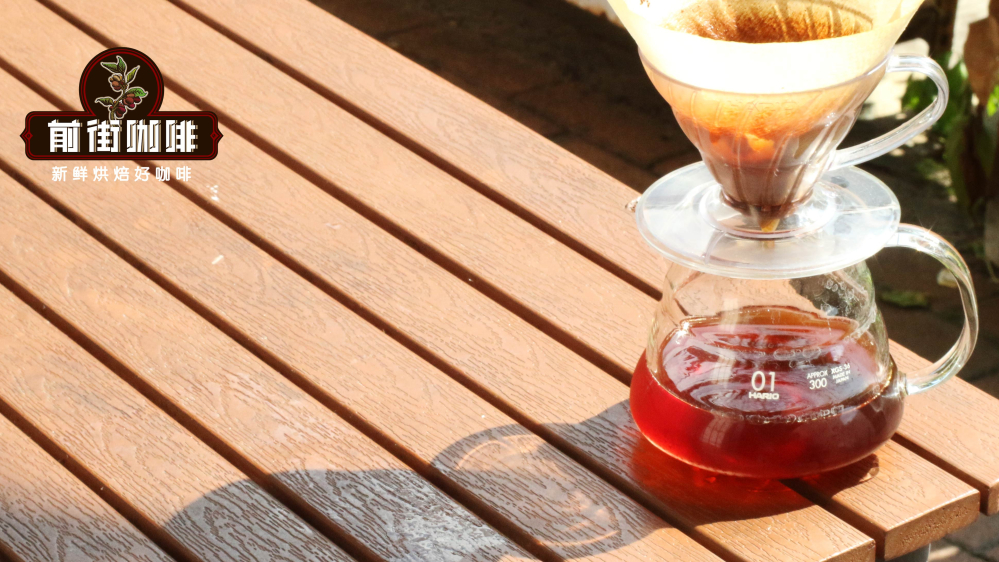
The principle behind cold brew coffee is to use a low-temperature environment where water molecules slowly penetrate the coffee grounds, extracting small molecules with fruity aromas and bright acidity first. As a result, the final product often has a distinct fruity acidity and a light mouthfeel. Since no specialized equipment is required — just basic tools and a refrigerator — anyone can easily achieve caffeine freedom and enjoy a worry-free icy coffee experience.
Many people encounter issues such as bland flavors or poor mouthfeel when trying to make cold brew at home. The main reason is often the failure to accurately control the key parameters. In fact, by choosing coffee beans that suit your taste and adjusting the grind size, coffee-to-water ratio, and steeping time, you can consistently brew satisfying cold brew even without expensive equipment. Next, we’ll start with bean selection and gradually break down practical tips for each step.
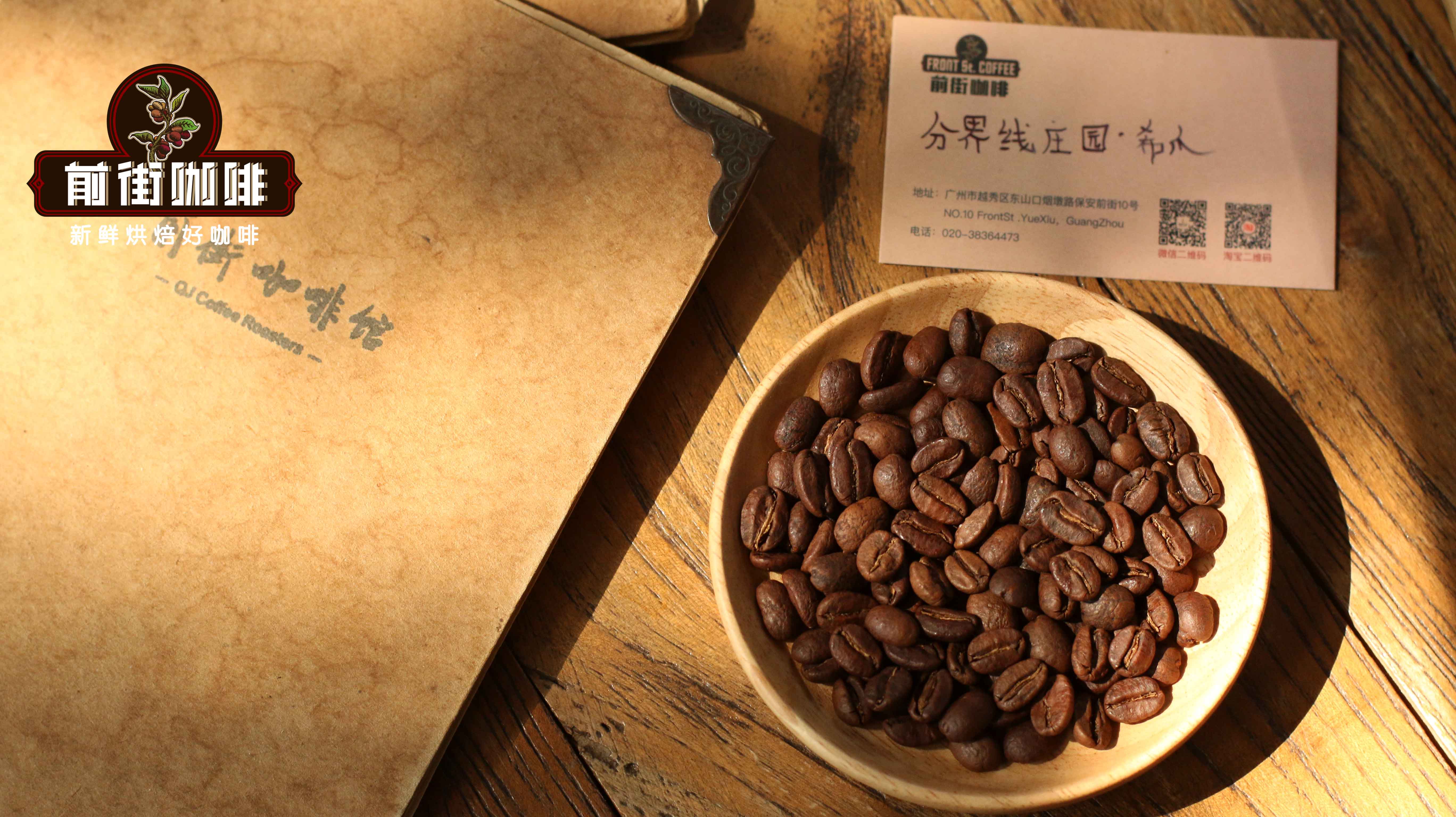
First, selecting the right coffee beans based on your personal preference is the first step to success. If you prefer a juicy, balanced flavor with both acidity and sweetness, it’s recommended to choose beans roasted to a light to medium level. For example, Hua Kui processed with natural drying offers soft notes of berries, citrus, and floral tones, with a clean and low-bitter profile — making it very suitable for cold brew.If you’re looking for more intense fermentation complexity, you can try Xi Zha, a Colombian single-origin bean that undergoes double anaerobic natural processing. With a higher degree of fermentation, this coffee reveals tropical fruit aromas reminiscent of fruit wine after cold brewing, offering a unique and layered flavor.

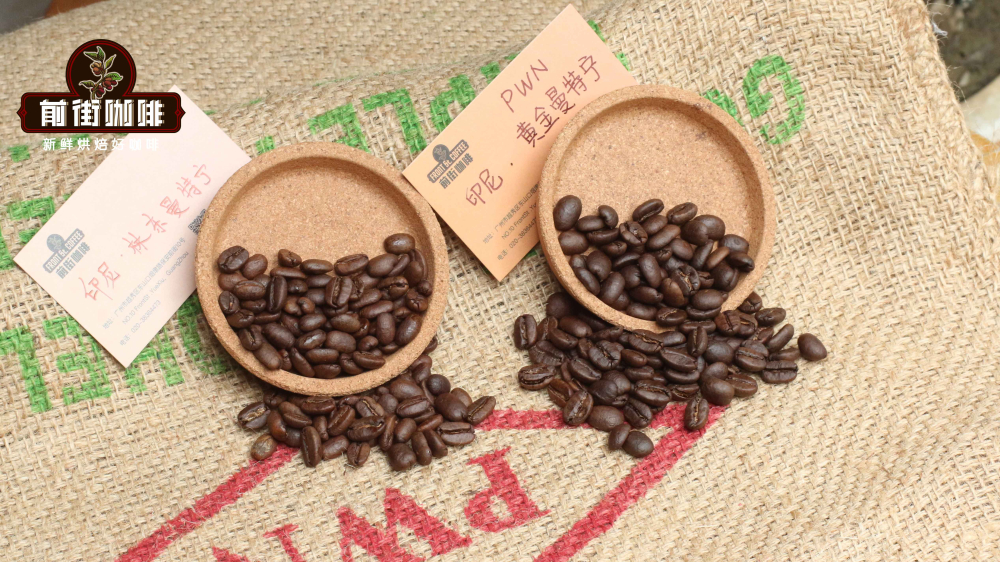
For those who prefer a richer, fuller-bodied cold brew with lower acidity, Queen’s Estate beans roasted to a medium-dark level are a good choice. If you want to avoid acidity altogether, dark-roasted PWN Golden Mandheling delivers a bold and solid rich flavor, ideal for drinkers who enjoy a strong taste. Once you’ve chosen the right beans, the next step is to focus on the three key parameters — grind size, coffee-to-water ratio, and steeping time — to ensure full flavor release.
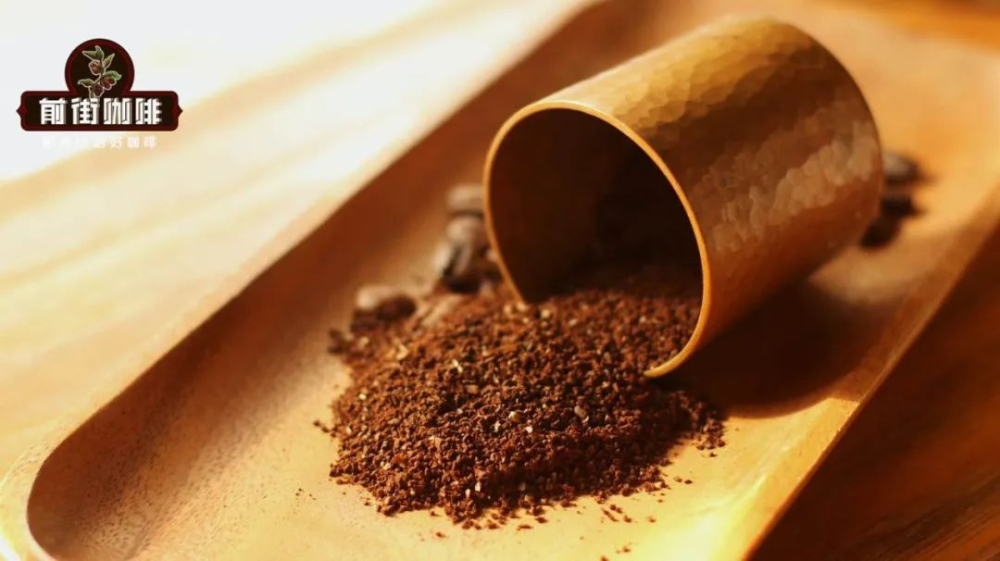
The grind size of coffee grounds directly affects extraction efficiency. In the cold brew process, since the method involves steeping, a finer grind increases the total surface area of the coffee, allowing water molecules to more easily penetrate and extract flavor compounds. It is recommended to adjust the grind to a level slightly finer than that used for pour over — similar to the texture of fine sugar — which helps improve flavor solubility, but avoid grinding too finely to prevent filtration difficulties.An overly coarse grind may lead to under-extraction, resulting in a thin-tasting coffee; too fine a grind may prolong filtration time and even affect clarity.
The coffee-to-water ratio is the core factor determining the strength of your cold brew. A common mistake is adding too much water, which leads to an overly diluted result. It is recommended to use a ratio between 1:10 and 1:12 — for example, 80g of coffee grounds with 800ml of water — to ensure a solid concentration base, which can later be adjusted with ice according to personal taste. A ratio that is too low may make the coffee overly concentrated, which is not conducive to balanced flavor.When starting out, it’s advisable to begin with a slightly higher coffee-to-water ratio to ensure sufficient base strength, then fine-tune based on actual taste.
The length of steeping time directly influences how much flavor is extracted. Generally, the standard steeping time for cold brew is 12 to 24 hours, but if you want a more intense extraction, you can extend it to around 16 hours. Too short a steeping time may result in incomplete extraction and a lack of depth; too long may extract excessive bitter and astringent compounds. It’s recommended to flexibly adjust the steeping duration based on the roast level and flavor characteristics of the beans you’ve chosen, to find the balance that works best for you.
Now that you understand the key parameters above, you can start making cold brew coffee for real. Using the specific formula of 80g of coffee, a 1:10 ratio, and 12 hours of refrigeration as an example, here’s a detailed walkthrough of the process. First, prepare a sealable container and pour in coffee grounds ground to the texture of fine sugar.Note that the grind setting can refer to the 9th setting on an Ek43 grinder, or ensure a sieve retention rate of about 85% through a No. 20 sieve to achieve the ideal extraction fineness.

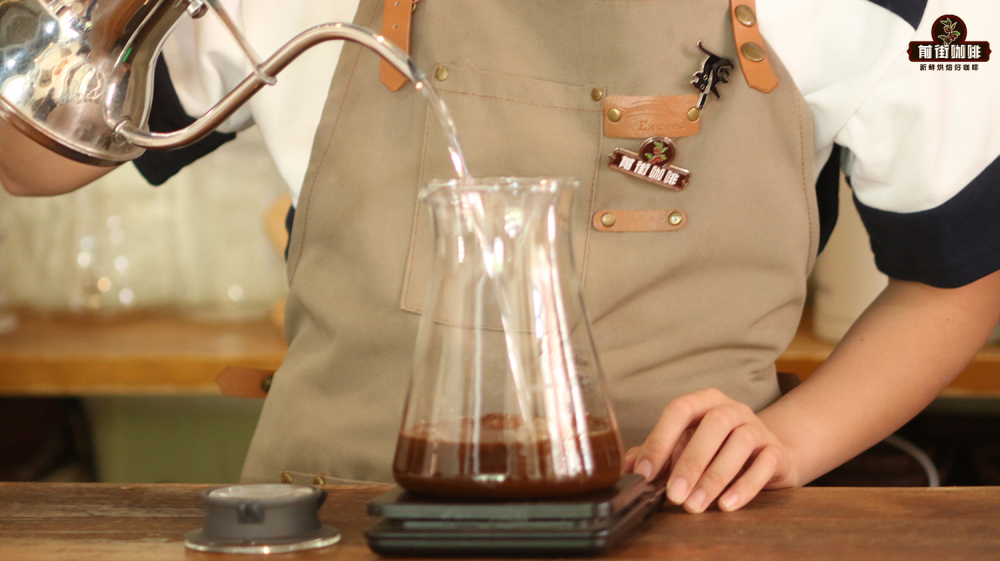
After adding 80g of coffee grounds to the container, slowly pour in 800ml of room-temperature water. It is recommended to use filtered water to ensure pure flavor. After pouring the water, gently stir for about 30 seconds to ensure all the coffee grounds are evenly moistened, preventing clumping that could affect extraction consistency. Once stirring is complete, immediately seal the container and place it in the refrigerator. It is recommended to keep the steeping time around 12 hours, which can be fine-tuned based on personal taste preferences.
After steeping, filter the cold brew liquid through paper or cloth filters to remove coffee grounds before enjoying. If the resulting cold brew is quite strong, you can add ice cubes to dilute it to your preferred taste. When filtering, it’s recommended to use fine filter paper to ensure a clear, residue-free coffee liquid and enhance the drinking experience.The filtered cold brew can be stored in the refrigerator for 1 to 2 days, but it’s best consumed as soon as possible to enjoy its optimal flavor.
The above content is compiled by CoffeeHunters, a coffee news website.


