







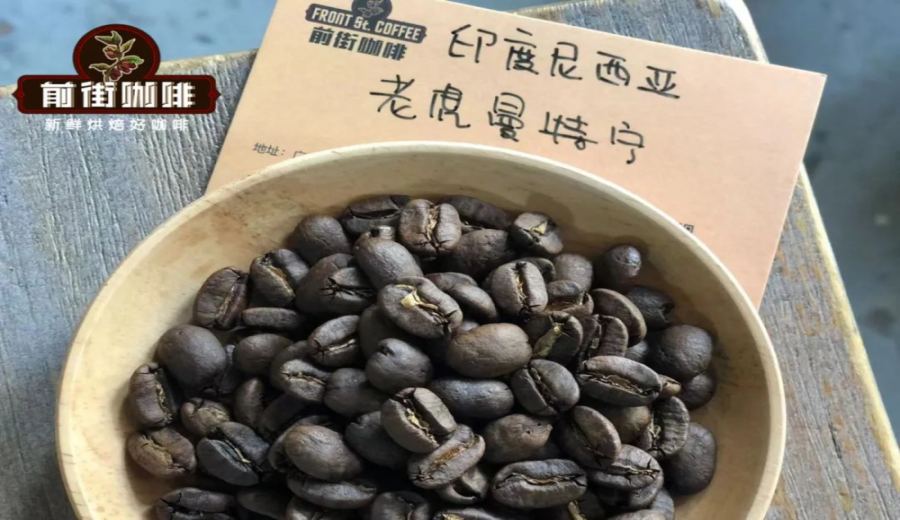
Introduction:The Sumatra Tiger Mandheling G1 coffee beans are renowned for their rich aroma and full-bodied taste, making them a classic choice for many coffee enthusiasts. This article provides an in-depth analysis of this 19-screen selected Mandheling from the Aceh region, covering wet-hulled processing, variety characteristics, roasting profiles, as well as pour over filter types and brewing parameters, offering a complete flavor experience and practical extraction suggestions.
Deep within the tropical rainforests of Sumatra, Indonesia, grows a premium coffee bean known as "Tiger Mandheling." Its name is inspired by the endangered Sumatran tiger native to the area, symbolizing the coffee’s intense aroma and bold body akin to the strength of a tiger. This G1-grade Mandheling is carefully selected through a 19-screen mesh and undergoes three rounds of manual sorting to ensure uniform ripeness, resulting in its distinctive flavor profile.
Produced in Aceh Province at the northern tip of Sumatra, this region lies near the equator with year-round high temperatures and abundant rainfall, featuring distinct wet and dry seasons. These conditions contribute to the beans’ rich herbal and dark chocolate notes. Cupping various Aceh coffees—including Longberry Dragon Fruit Mandheling and Aged Mandheling—most exhibit a bold, sweet, and clean profile. Tiger Mandheling further distinguishes itself with intense aroma and silky smoothness.
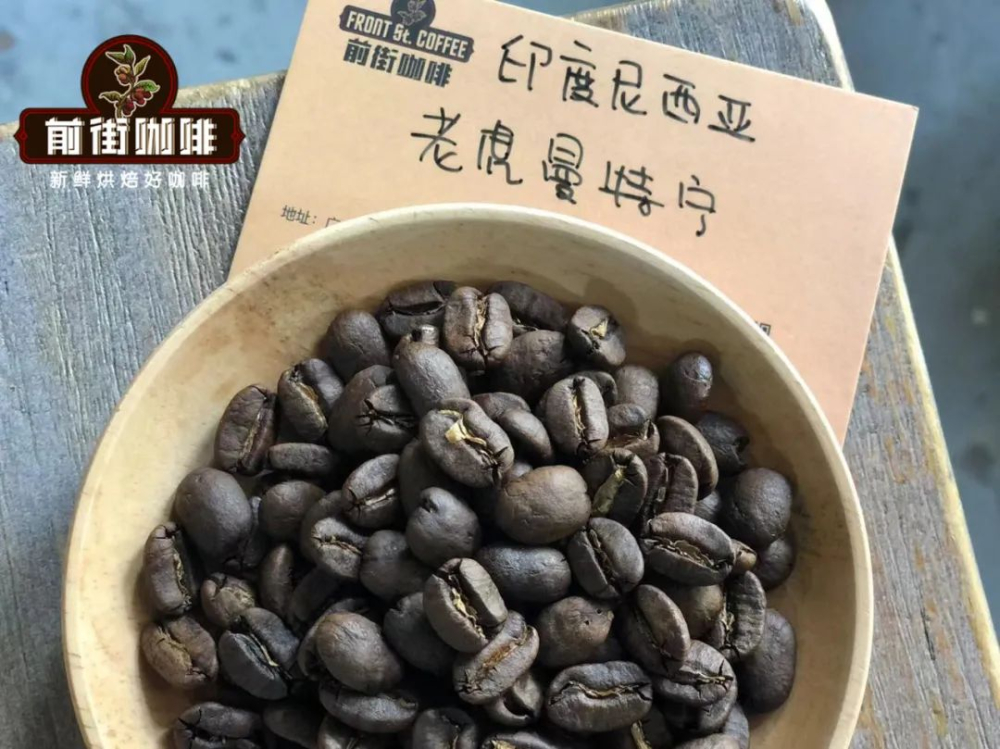
The term "Tiger Mandheling" stems from its strict 19-screen selection process, where only uniformly sized coffee cherries are chosen and then manually sorted three times to ensure consistent ripeness. As a result, these beans are hailed as a rare treasure akin to the "Sumatran tiger." During cupping, it demonstrates exceptionally high body and smoothness, with deep lingering sweetness and complexity, much like the steadiness and power of a tiger on the prowl.
In terms of processing, Tiger Mandheling employs Sumatra’s traditional wet-hulled method. This involves removing the skin and pulp, briefly fermenting, then sun-drying before stripping off the mucilage and parchment layer, and finally drying to approximately 12% moisture content. With the total drying time shortened to just 2–4 days, the acidity is reduced while body is significantly enhanced, accompanied by caramel, fruity, and even herbal and woody notes, forming the unique "regional character" of Sumatran Mandheling.
This Mandheling primarily uses two varieties: Typica and Caturra. Typica features bronze-tipped leaves and oval-shaped beans, offering elegant but low-yield, disease-susceptible flavors often showcasing a clean and delicate profile in cupping. Caturra, a Bourbon mutation, has slightly curved, slender beans, with higher yield and disease resistance than Bourbon, and delivers bright, sweet flavors. Roasters observe that Tiger Mandheling green beans are plump, yellowish-green, with high moisture content, making them suitable for medium-dark roasting to balance acidity and enhance richness and overall balance.
The roasting curve is designed to minimize excessive acidity and enhance body. The charge temperature is 200°C, with the fan set to level 3. After 30 seconds, the heat is adjusted to 160°C, with the turnaround point around 45 seconds as the beans begin to yellow and grassy notes fade, entering the drying phase. The heat and fan settings are gradually reduced, and by 7 minutes 30 seconds, the beans show wrinkles and dark spots, releasing a toast-like aroma, signaling first crack is near. First crack begins at the 9-minute mark, heat is lowered to 110°C, the fan is fully open, and development continues for about 4 minutes, with the roast finishing at 203°C.
Cupping results show this coffee’s dry aroma features prominent herbal and nutty notes, transitioning to herbal and caramel scents when wet. The flavor profile is clear, including layers of herbal, nutty, creamy, and dark chocolate notes, with pronounced sweetness, a long-lasting finish, and a clean cup.
For this medium-dark roasted, bold bean, it is recommended to use a Kono filter for pour over to fully showcase its rich characteristics. The Kono filter’s ribs are concentrated at the bottom, allowing the filter paper to cling tightly to the cup walls, effectively slowing water flow and extending contact time to extract more coffee compounds. Suggested parameters: 15g coffee, 1:15 brew ratio, water temperature at 88°C, grind size medium-coarse (approximately 73% through a 0.85mm sieve).
For brewing steps, start with a 30g bloom for 30 seconds, then pour in small circles. At 125g, perform the first pour, and when the water level is about to expose the coffee bed, continue pouring to 225g before stopping. Let the drip finish before removing the filter. Total brew time should be around 2 minutes 5 seconds. This method effectively highlights flavors of nuts, cream, dark chocolate, and caramel, along with subtle traditional herbal notes, delivering pronounced sweetness and a clear, balanced cup.
The above content is compiled by CoffeeHunters, a coffee news website.


