







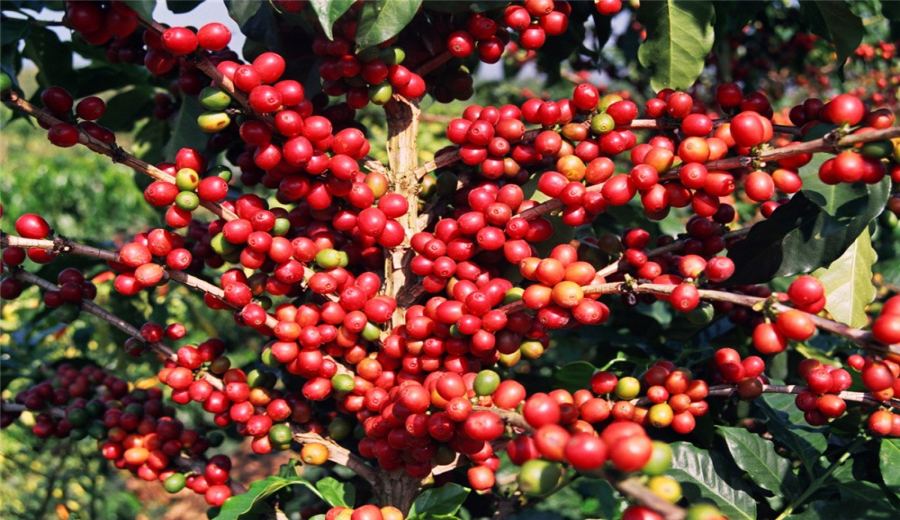
Introduction:Delve into Catimor, the dominant variety of Yunnan coffee, exploring its varietal background, genetic makeup, flavor profile, and cultivation status to help readers fully understand the uniqueness of this Asian bean. Practical pour over parameters are also provided along with detailed steps, enabling you to brew Yunnan coffee’s layers and flavors at home.
In recent years, Yunnan coffee has gradually garnered global attention. This is not only due to the region’s climate and terroir, but varietal selection plays a crucial role. From the early introduction of Typica to the now widely planted Catimor, each varietal shift represents a trade-off between disease resistance, yield, and flavor expression. This article will guide you through the evolution of Yunnan coffee varieties, analyze the genetic differences and cup characteristics between Catimor and Typica, and offer practical pour over suggestions to help you explore the unique coffee flavors nurtured by this highland.
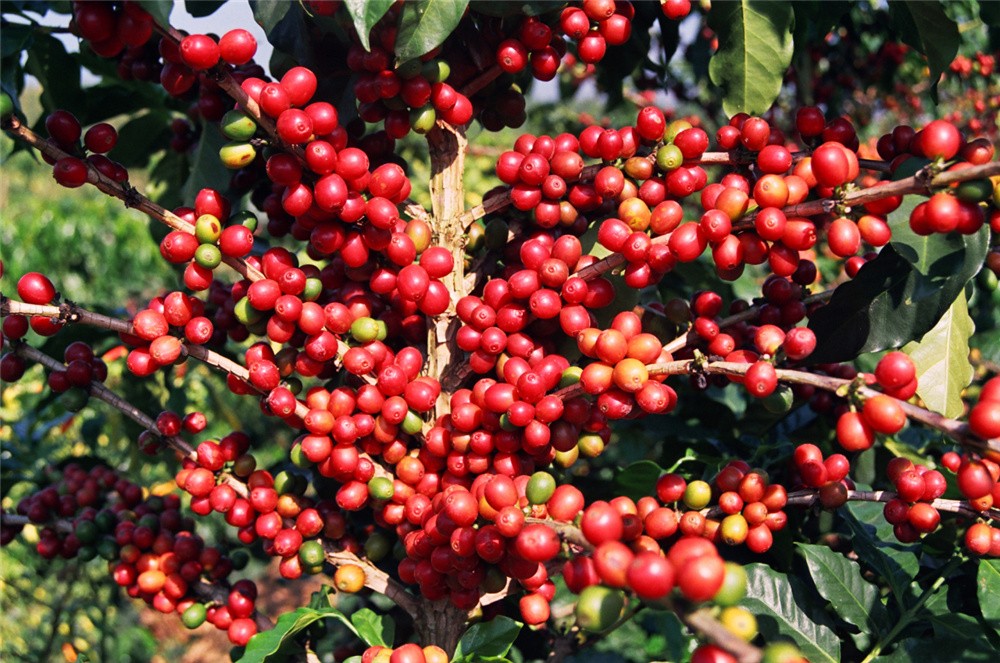
The earliest coffee varieties planted in Yunnan were mostly Typica and Bourbon. Among them, Typica is a representative of Arabica’s small-bean variety and also the origin of the early name “Yunnan small-bean coffee.” Typica trees are relatively tall, with bronze-colored leaves and long, slender beans that taper at both ends, exhibiting pronounced citrus acidity and a clean aftertaste. It was once known for its elegant and delicate flavor — for example, the famous Jamaican Blue Mountain coffee is of the Typica variety. However, this variety has weak disease resistance, especially to leaf rust, and its yield per unit is relatively low. In an agricultural environment prioritizing stable returns, it has gradually been replaced by more robust varieties.
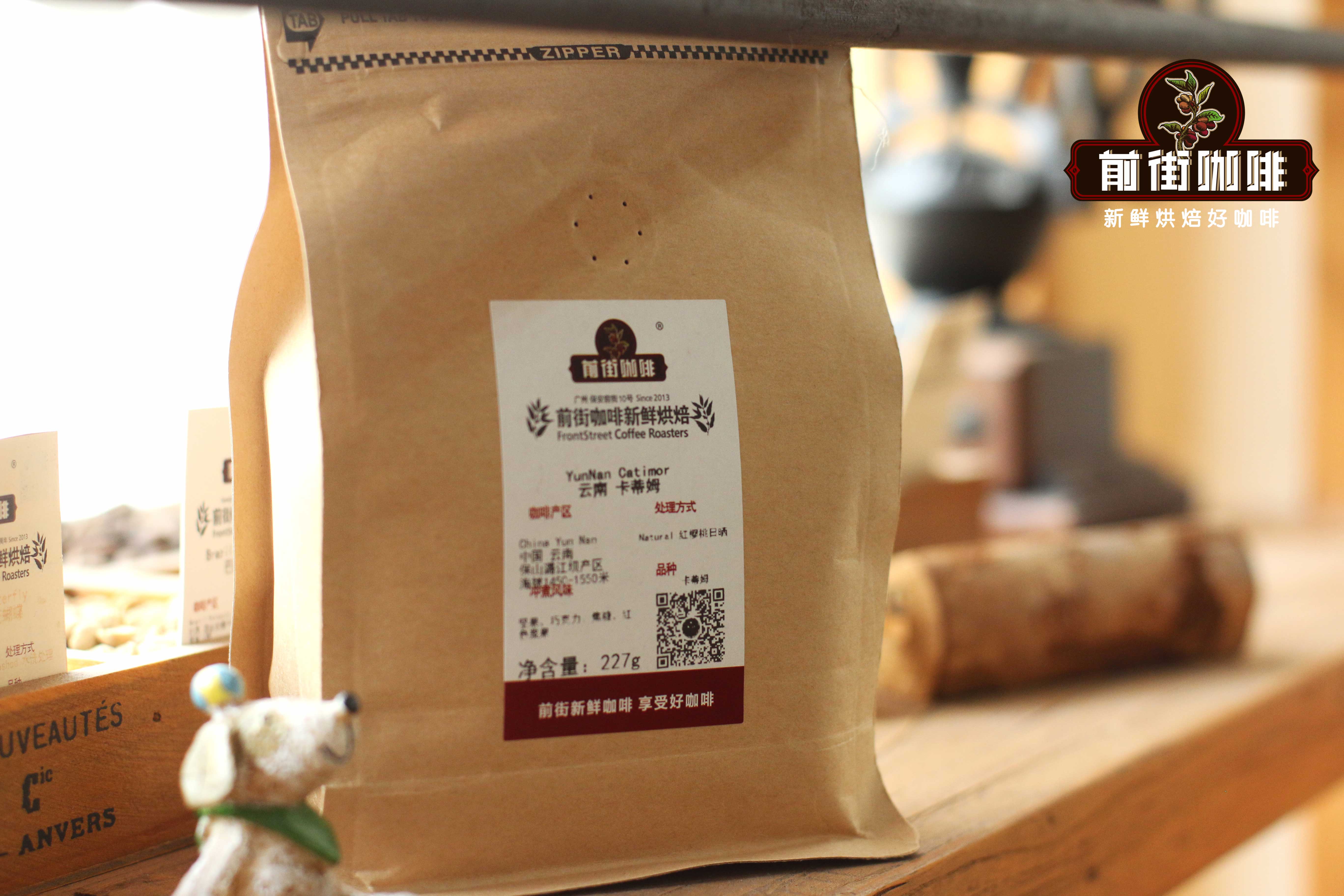
With the entry of international brands such as Nestlé into Yunnan, driven by the demands for yield and disease resistance, local coffee farmers switched to varieties resistant to leaf rust and suitable for high-yield cultivation, such as S288 and later Catimor. Among these, Catimor quickly became the dominant variety, and today, almost all coffee farms in Yunnan plant this cultivar. It’s worth noting that the so-called “Yunnan small-bean coffee” now mostly refers to the Catimor variety. Although its flavor is not as delicate as Typica, it still retains the grassy, nutty foundation and mild fruit acidity typical of Asian beans, delivering an overall balanced profile that is ideal for everyday drinking.
As one of the oldest Arabica varieties, Typica originated in Ethiopia between the 15th and 16th centuries. Its plants are tall, with bronze-tipped top leaves, and the coffee beans are long and oval-shaped, tapering at both ends like eggs. These beans typically display bright citrus acidity paired with a sweet aftertaste, featuring a clear and refined flavor profile, and are hailed as the epitome of “elegant and clean.” However, aside from poor disease resistance, Typica also yields less than ideally, making it difficult to meet the demands of modern commercial cultivation. For instance, although Jamaican Blue Mountain is famous for its Typica variety, the region’s unique microclimate and long-term localized cultivation have led to the evolution of more resistant plants. Coupled with high altitude conditions and strict management, this has created its distinctive specialty flavor.
In contrast, Catimor is a quintessential result of modern coffee varietal improvement. This variety was developed in 1959 by Portugal’s CIFC Coffee Leaf Rust Research Center through the hybridization of the highly disease-resistant Timor variety (which contains 25% Robusta genetics) and Caturra. This genetic combination endows Catimor with stronger pest and disease resistance, a dwarf tree structure conducive to dense planting, and significantly improved yield performance. However, due to its Robusta lineage, Catimor tends to have a more straightforward flavor, occasionally carrying grassy notes and a distinct bitter base, with cleanliness and fruit aroma layers usually inferior to pure Arabica. Nevertheless, in Yunnan’s high-altitude and foggy environment, many estates, through meticulous management and proper post-harvest processing, can still showcase Catimor beans with distinct flavors, particularly when washed processing is used to highlight its rich body and nutty character.
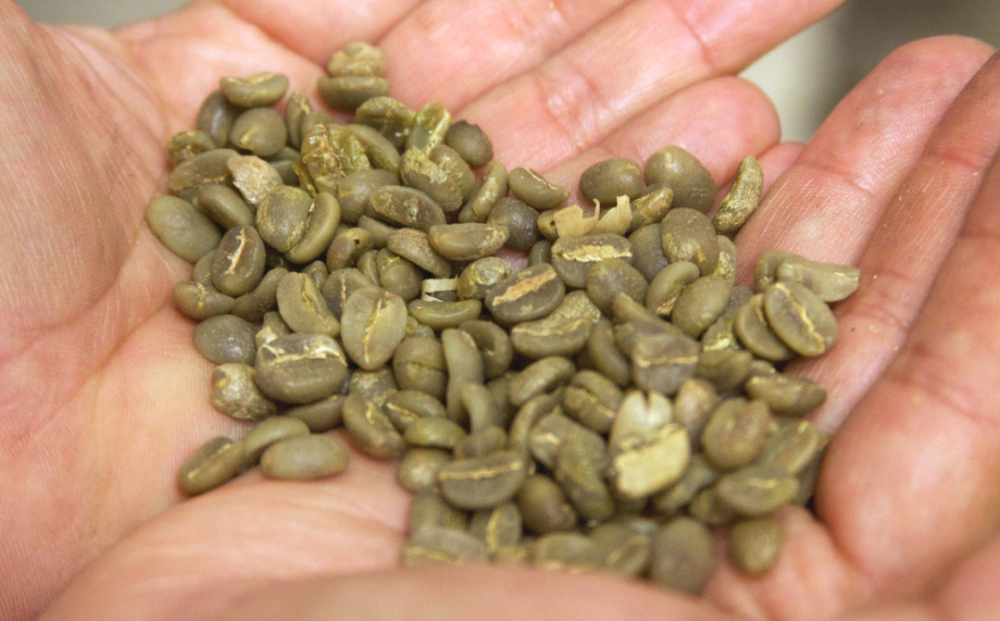
As the mainstream of global specialty coffee, Arabica originates from Ethiopia and thrives in high-altitude environments ranging from 600 to 2200 meters. The ideal temperature range is 15 to 24°C, with an annual rainfall requirement of 1200 to 2200 millimeters. Its chlorogenic acid content is moderate, about 5.5% to 8%, which helps resist pests but also makes the plants more susceptible to environmental changes. Compared to Robusta, Arabica has lower caffeine content (approximately 0.9% to 1.2%) and higher fat and sugar levels, resulting in a softer mouthfeel, bright acidity, and rich complexity, making it the preferred choice for coffee enthusiasts. Yunnan, located on the southwestern plateau, boasts a climate and geography suitable for Arabica growth, with main cultivation areas including Pu’er, Wenshan, Baoshan, Dehong, and Lincang. Many of these regions exceed 1600 meters in elevation, holding potential for producing high-quality coffee.
Take Lincang as an example. Due to the Tropic of Cancer passing through the region, coupled with distinct wet and dry seasons and abundant sunshine, it has emerged as a new hotspot for coffee agriculture in recent years. The area not only hosts large-scale nursery bases but has also attracted several specialty coffee brands. Additionally, Dehong Prefecture is renowned for its high-altitude organic cultivation, often yielding coffee with clear fruit aromas and a rich aftertaste, earning widespread praise for its quality. Since the 1950s, Baoshan has continuously improved its cultivation methods and aligned with international markets. Its “Baoshan Small-Bean Coffee” has even obtained China National Geographical Indication protection, becoming a premium bean source favored by international buyers.
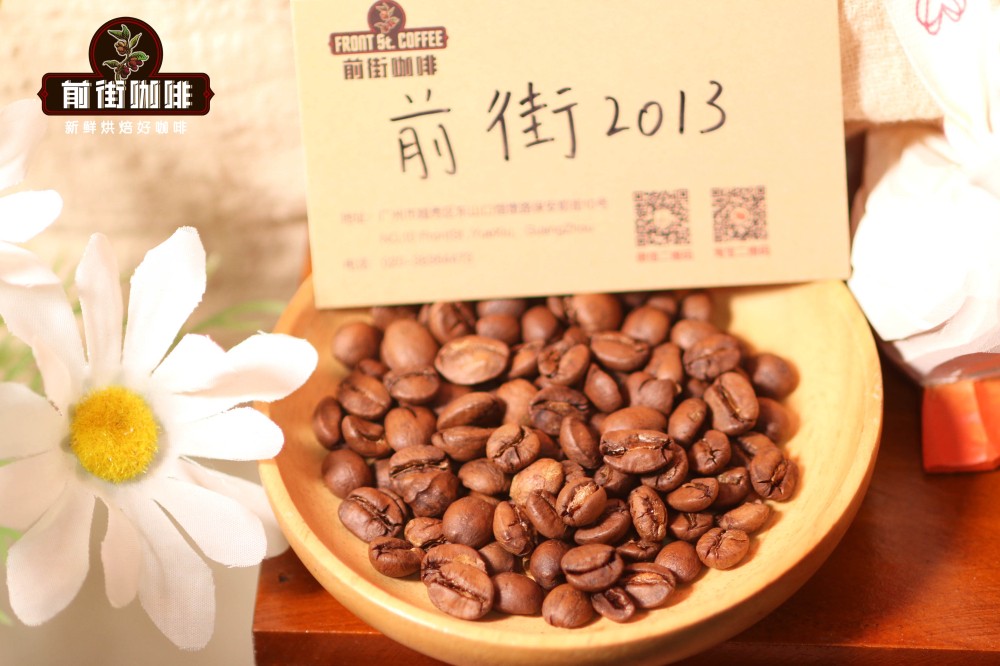
Due to Yunnan’s rainy and humid subtropical highland climate, washed processing has become the most mainstream method for green bean production. It helps reduce off-flavors, enhance cleanliness, and accentuate fruit acidity and complexity. Of course, some estates opt for natural (sun-dried) processing, extending fermentation time through sun exposure to impart richer sweetness and a fuller mouthfeel. Sun-dried Catimor and sun-dried Typica often exhibit unique spice and berry notes. The washed process includes removing the pulp, fermenting to remove mucilage, rinsing with clean water, and sun drying. The resulting flavors are typically crisp and clean, with distinct acidity — suitable for those who enjoy well-defined layers and a clean finish.
For pour over brewing of Yunnan coffee, it is recommended to aim for a medium-light to medium roast to bring out its optimal flavor balance. A V60 dripper can be used with a 1:15 coffee-to-water ratio, a medium-coarse grind size (similar to coarse sugar, or approximately 75% extraction through a Chinese No. 20 sieve), and water temperature controlled around 88°C. Specifically, a staged extraction method can be employed: start with a 30-second bloom using twice the coffee’s weight in water (e.g., 60g water for 30g coffee) to release CO₂ and initiate extraction; then pour in a slow circular motion until reaching 125g for the first pour, continue until 225g total, and stop. Total brew time is around 2 minutes. After the dripping finishes, gently swirl the coffee in the cup before enjoying.
Such parameter settings help highlight Yunnan beans’ grassy foundation, nutty aromas, and subtle caramel sweetness, while preserving the vibrancy of fruity acidity in the aftertaste. When using high-quality washed Yunnan beans, one often experiences a rounded flavor interweaving chocolate and nuts; if opting for sun-dried Catimor, richer spice, plum, and caramel notes may emerge; while the rare sun-dried Typica can even showcase an excellent balance of berry acidity and brown sugar sweetness, with a gentle tea-like aftertaste — perfect for slow savoring.
The above content is compiled by CoffeeHunters, a coffee news website.


