







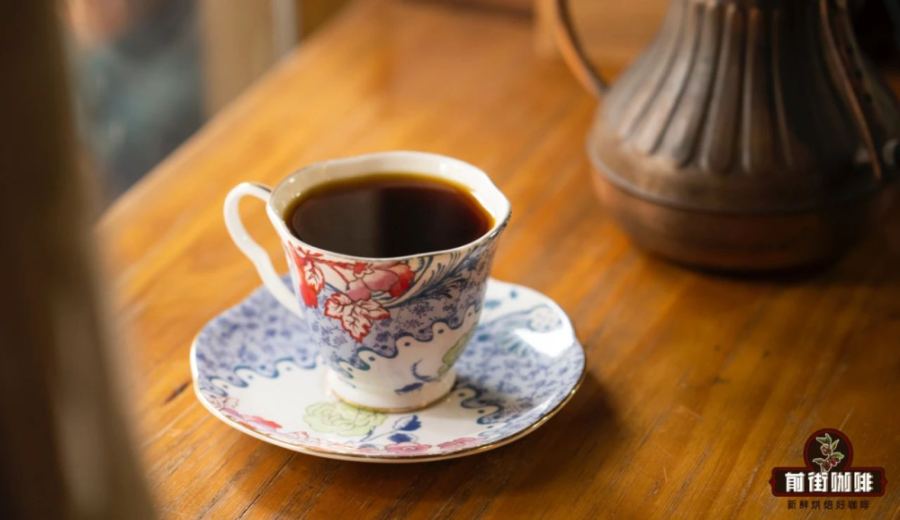
Introduction:The French press is a staple brewing tool in many coffee lovers' homes. It’s simple to use yet capable of producing richly flavored coffee. This article delves into the techniques for using a French press, including the ideal grind size, water temperature control, coffee-to-water ratio, and plunger technique—key factors that influence the brew. Through practical testing with light, medium, and dark roasted beans, we explore how different roast levels perform in the French press. Finally, we recommend several coffee varieties well-suited for this brewing method, offering insights valuable for both beginners and advanced enthusiasts.
The French press is a classic and practical immersion-style coffee brewer, renowned for its simplicity and ability to deliver a bold, full-bodied cup. It's highly suitable for home brewing. First appearing in France around 1850, its basic structure consists of a heat-resistant glass (or transparent plastic) carafe paired with a plunger outfitted with a metal filter. This design is versatile—not only can it brew coffee, but it can also be used for tea or even frothing milk. Its working principle involves fully steeping hot water and coffee grounds together, allowing flavors to slowly extract without requiring precise pour-over skills, making it ideal for everyday use.
When making coffee with a French press, the coffee grounds are directly immersed in hot water and, after a set period, separated from the liquid via the metal filter at the bottom. This method fully highlights the coffee’s body and richness, resulting in a smoother mouthfeel with a natural oily sensation. The overall flavor profile tends to be clean and refreshing.
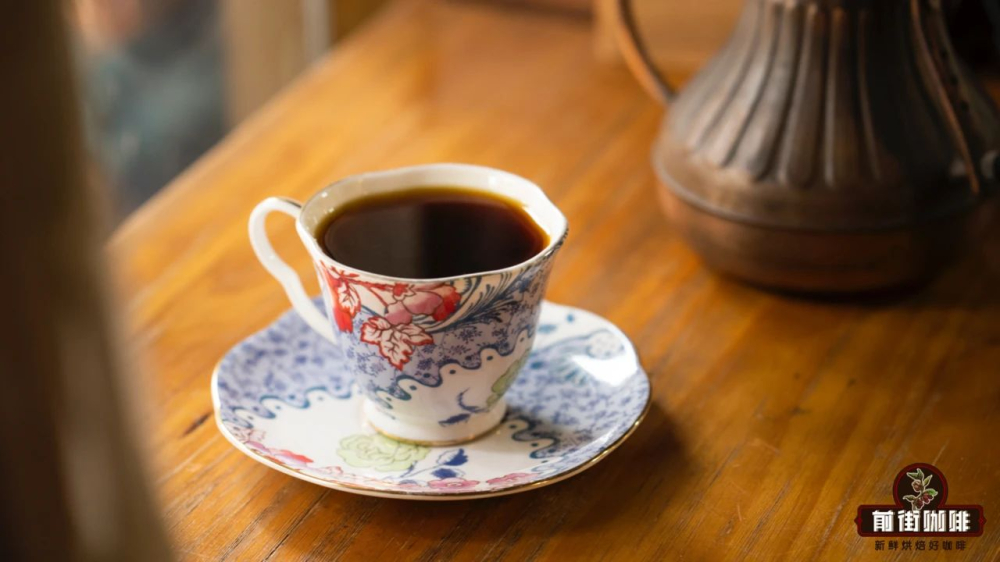
However, to brew a delicious cup of French press coffee, there are still several key details to pay attention to. First is:Grind SizeThe French press works best with a coarse grind, similar in size to white sugar grains but slightly coarser. Grinding too fine can cause excessive fine particles to pass through the filter into the coffee, not only affecting the taste but also making the cup feel less clean, with a gritty or muddy texture.
Next is the:Preheating Stepwhich may seem simple but is often overlooked.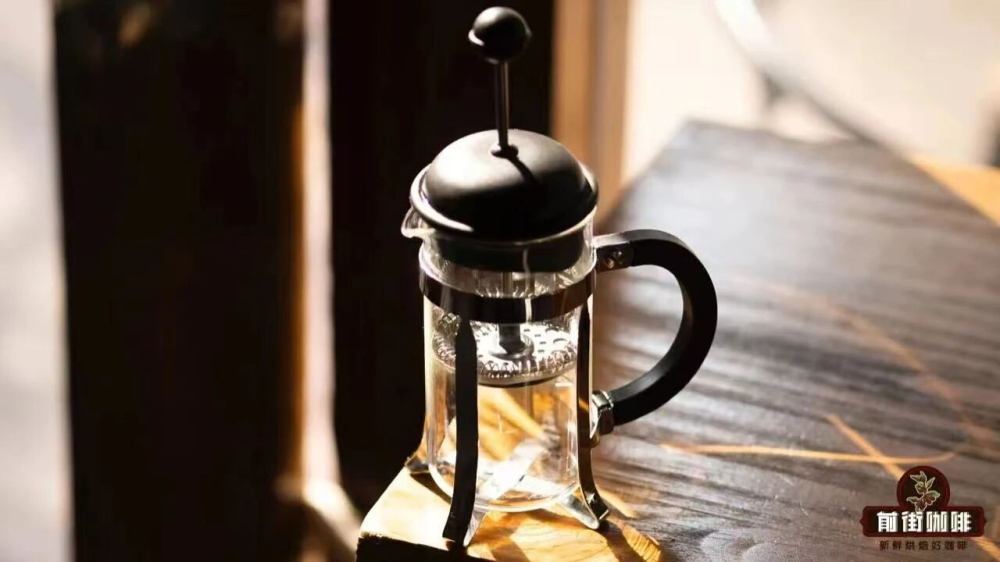 Since most French presses are made of glass, it’s recommended to preheat the carafe with hot water before pouring in the actual brew water. This reduces heat loss during brewing, helping maintain a stable extraction temperature—an important factor influencing the final flavor.
As for the:Coffee-to-Water Ratio, a common range falls between 1:15 and 1:18. That is, 15 grams of coffee grounds to 225 ml of water. This proportion can be fine-tuned according to personal taste preferences for strength. Beginners might start with 1:16 or 1:17 to find their ideal balance.
There’s also a trick to pressing down the filter: you mustmaintain an even speed and press straight to the bottom in one smooth motion. Avoid repeatedly pressing up and down, as this can disturb the settled coffee grounds and stir sediment back into the cup, negatively affecting the drinking experience.
As for coffee beans suited for French press brewing, we tested three varieties with different roast levels:Light-roasted 【Elida】,Medium-roasted 【Hartmann】, andDark-roasted 【Tiger Mandheling】. Testing revealed that while the light-roasted Elida showcased bright acidity and tropical fruit notes such as jackfruit and passion fruit, the long steeping time characteristic of the French press caused its acidity to become overly prominent, overshadowing the delicate floral and fruity layers. The medium-roasted Hartmann, on the other hand, exhibited wine-like fermentation aromas with balanced sweet and sour tropical fruit notes, resulting in a relatively rounded cup. The dark-roasted Tiger Mandheling delivered a bold, full-bodied mouthfeel, with distinct notes of dark chocolate, caramel, and cream, along with a rich oiliness and excellent overall balance.
Based on our comprehensive testing, since the French press employs an immersion brewing method where coffee grounds remain in contact with hot water for a longer duration,medium to dark roasted beans are better able to highlight their sweetness and caramelized flavors, as well as deliver a rich, full-bodied taste. In contrast, while light roasted beans offer vibrant and distinctive profiles, they are prone to over-extraction in the French press, resulting in excessive acidity that can mask the subtle layers of fruity notes.
For beginners new to the French press, it’s recommended to start with classic dark roast options like ‘PWN Golden Mandheling’, ‘Blue Mountain’, or ‘Queen Estate’—varieties that all perform exceptionally well in the French press, yielding bold yet balanced flavors. If you prefer a slightly fruit-forward cup, consider beans like ‘Strawberry Candy’, ‘Mozart’, or ‘Sidamo’. However, based on multiple tests,dark roasted beans remain the type that best brings out the strengths of the French press, fully showcasing its rich body and complex flavor layers, allowing you to effortlessly enjoy a smooth, full-bodied hand-brewed coffee.
The above content is compiled by CoffeeHunters, a coffee news website.


