







Introduction:Rwandan coffee, nurtured by high-altitude volcanic soils, boasts distinctive flavors—especially the washed Red Bourbon variety, which is a favorite among pour over enthusiasts. This article delves into the region’s unique characteristics, varietal advantages, and processing methods, while offering expert pour over recommendations and a flavor profile to help you understand this African gem from origin to cup.
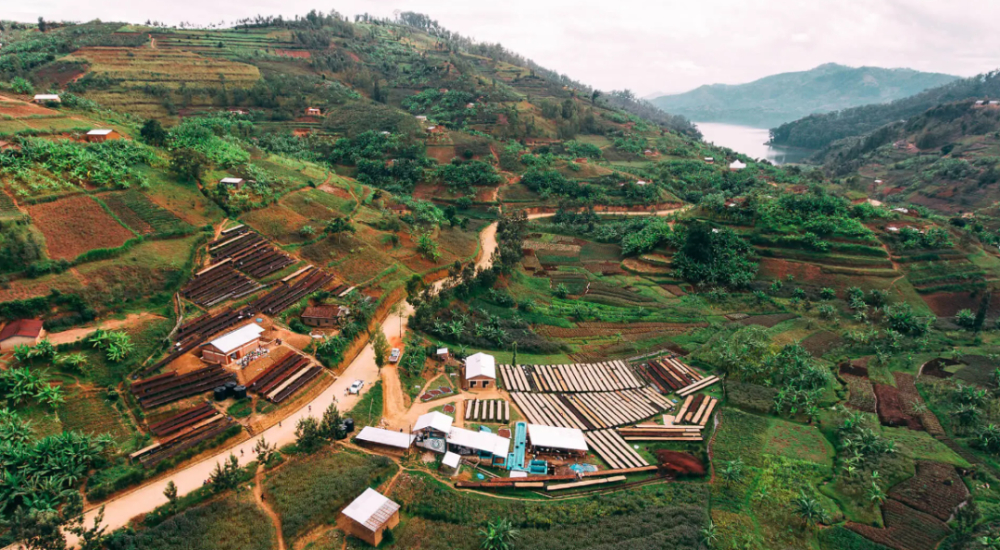
Located in Central Africa, Rwanda is a landlocked country but has managed tocultivate exceptional coffee at elevations between 1700 and 2000 meters, thanks to fertile volcanic soils and abundant sunshine. Known as the "Land of a Thousand Hills," the region’s coffee industry once suffered severe setbacks from the 1994 genocide and a global price collapse. Today, however, it has regained its footing in the international market withover 90% of its production being washed Bourbon varieties, showcasing delicate floral notes, citrus tones, and bright berry flavors.
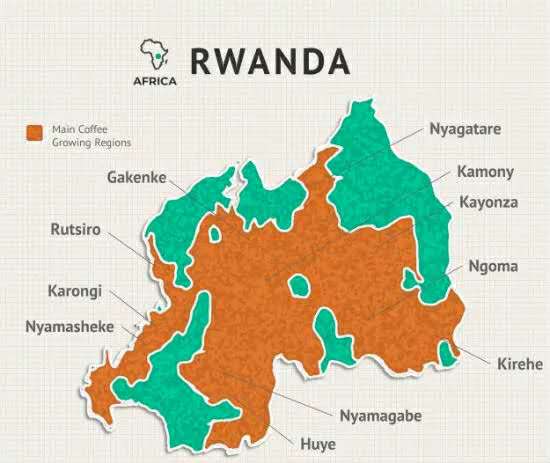
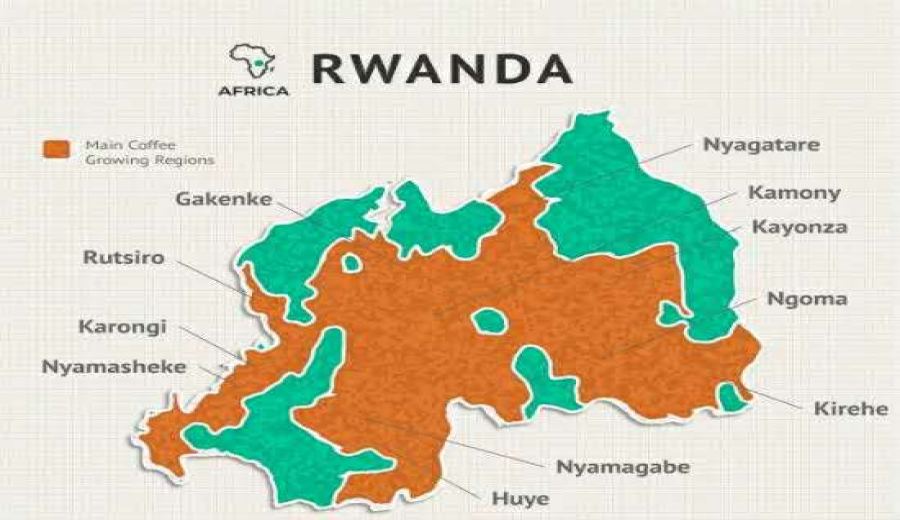
Rwanda’s coffee story began during the colonial period in the early 20th century. German missionaries were the first to introduce coffee to the Kivu region, followed by Belgian colonial authorities who expanded cultivation but strictly controlled export quality—leaving the region stuck in a dilemma ofhigh volume yet low qualityfor years. After the 1994 genocide, the country rebuilt its economy by revitalizing the coffee sector and gradually established modern washed processing systems. Major growing regions now include the southern Huye Mountains (altitudes 1800–2200m, known for citrus and floral notes), the western Nyamasheke area (near Lake Kivu, with intense fruitiness and juicy profiles), and the northeastern Ngoma Lakes (distinct chocolate and nutty tones).
In terms of variety, Rwandagrows over 90% Arabica coffee of the Bourbon type and its variants. Introduced in the 1950s from Puerto Rico, this variety, though more disease-resistant than Typica, is still considered delicate. Compared to Latin American examples like Brazil’s Red Bourbon or Colombia’s Pink Bourbon, Rwandan Bourbon develops a more pronouncedred fruit character and fuller bodydue to the region’s unique microclimate. It’s worth noting that local farmers often intercrop Catuai (higher yield) and Catimor (good wind resistance), but top-tier washed beans are predominantly pure Bourbon.
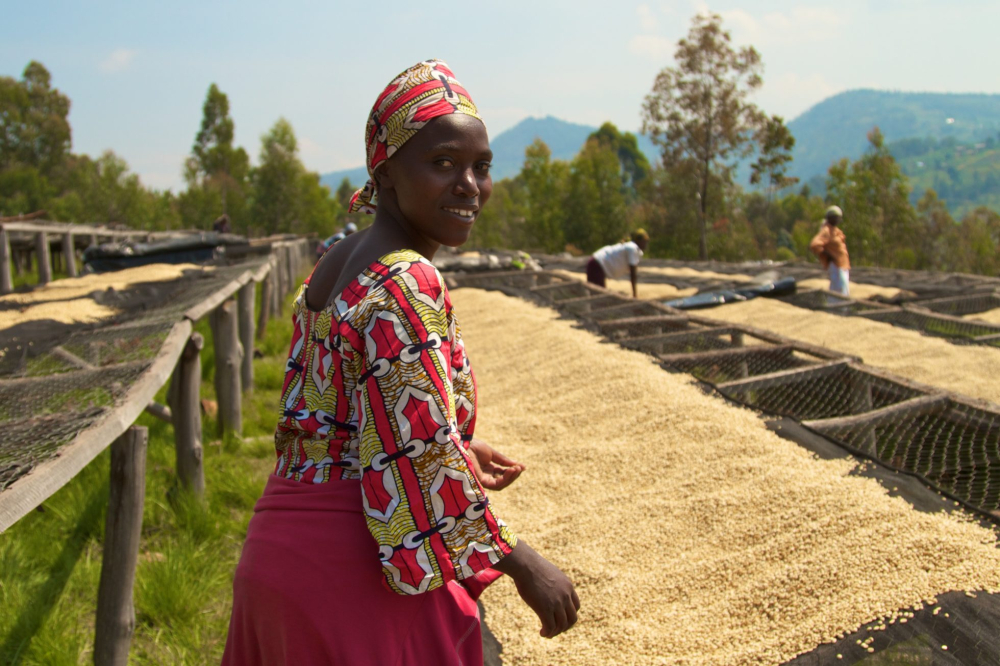
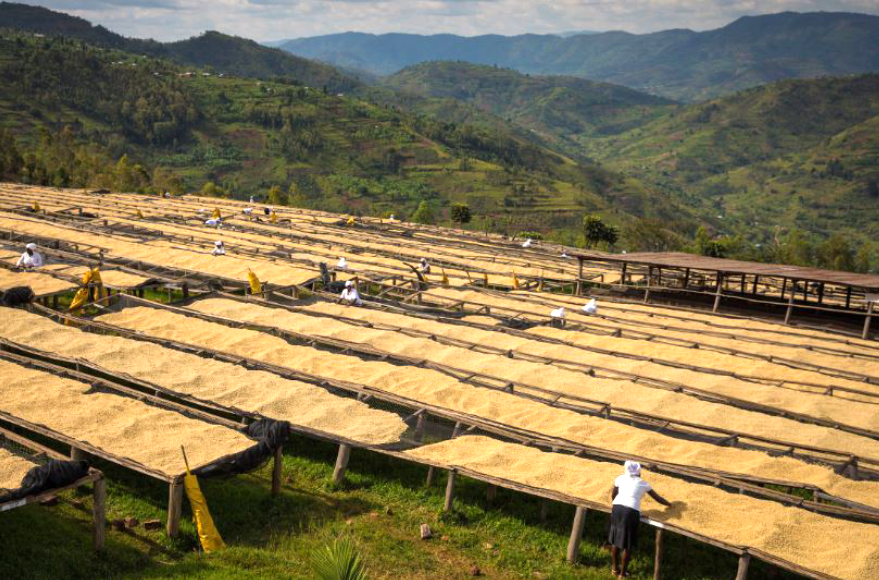
Processing is a key strength of Rwandan coffee. The standardwashed process involves: floatation to remove defective beans → pulping to remove the fruit skin → fermentation of the mucilage layer for 12–24 hours → rinsing with clean water → drying parchment-covered beans in the sun for 15–22 days until moisture content reaches 11–13%. Some premium processors employ a “honey process” variation, retaining some mucilage to boost sweetness. The purchased Red Bourbon washed beans undergo strict selection, with fermentation time limited to within 18 hours to ensure bright yet non-harsh acidity.
To highlight Rwandan coffee’scrisp acidity and fruity-floral aromas, a medium-light roast (Agtron around #65–#70) is recommended. For pour over, use a Hario V60 filter with the following parameters: 15g coffee, 90°C water, 1:15 coffee-to-water ratio (225ml total), grind size equivalent to EK43s setting 10 (80% passing through a #20 sieve). The suggested two-stage brewing method: start with a 30-second bloom using 30g water, then pour in small circles to reach 125g before a brief pause, and continue pouring to 225g once the water level drops to the coffee bed surface. Total brew time is about 2 minutes. These settings effectively balance the citrusy top notes and caramel finish.
Flavor-wise, Rwandan Red Bourbon washed beans typically exhibit:dry fragrance with notes of white peach and jasmine, transitioning to red berries and lemongrass upon grinding; the first sip delivers vibrant citrus acidity, followed by the juicy body of black plum and blueberry, mid-palate hints of roasted almonds and peanuts, and a lingering finish of blackstrap and maple sweetness. Pairs well with light cheesecake or blue cheese to enhance layered flavor complexity. Avoid overly high brewing temperatures (above 92°C may cause excessive sourness) and use freshly roasted beans (7–21 days post-roast for optimal flavor).
The above content is compiled by CoffeeHunters, a coffee news website.


