







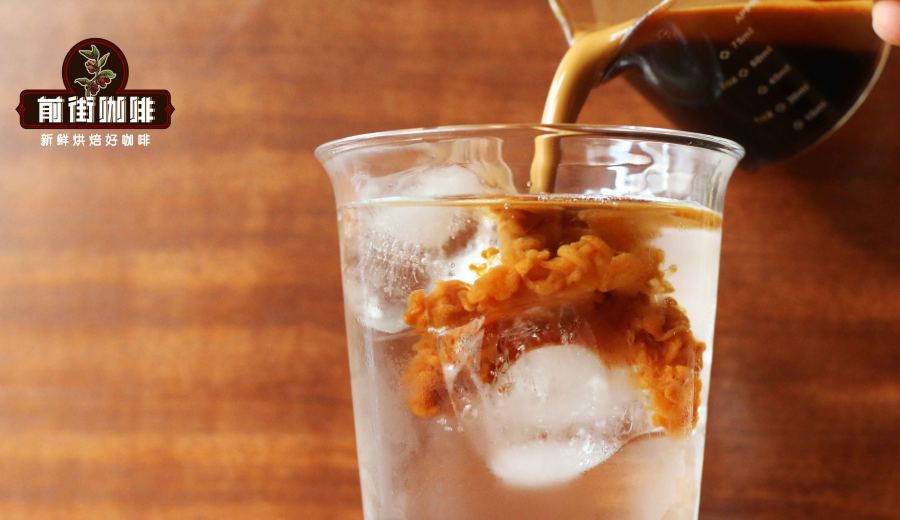
Introduction:To brew an outstanding Americano at home, choosing the right coffee beans is key. This article delves into the evolution of the Americano, compares traditional drip coffee with espresso-based methods, and offers practical extraction tips and optimal drinking temperatures for various espresso blends. Whether you prefer a bold dark roast or a bright medium-light one, you’ll find a coffee solution that suits your taste.
When it comes to Americano, many people’s first thought is simply diluted espresso—whether hot or iced—but the true soul of its flavor still lies in the coffee beans used. This piece will take you from the historical background of the Americano, analyze how it differs from traditional American black coffee, and further explore how espresso-based Americanos can achieve richer layers through bean selection and brewing methods.
In the United States, the term “Americano” was long used to describe a light-tasting drip black coffee, and drinking habits varied greatly by region. The East Coast and the South often preferred stronger coffee, while the West Coast tended to adjust strength by adding water to espresso. Additionally, coffee preferences differed notably among ethnic groups—Southern European and Latino immigrants often favored espresso, while those of British, German, or Nordic backgrounds leaned toward milder coffee. As life became busier, many Americans developed the habit of sipping drip coffee from a large pot throughout the day, resulting in a lighter flavor—another common criticism of local Americanos.
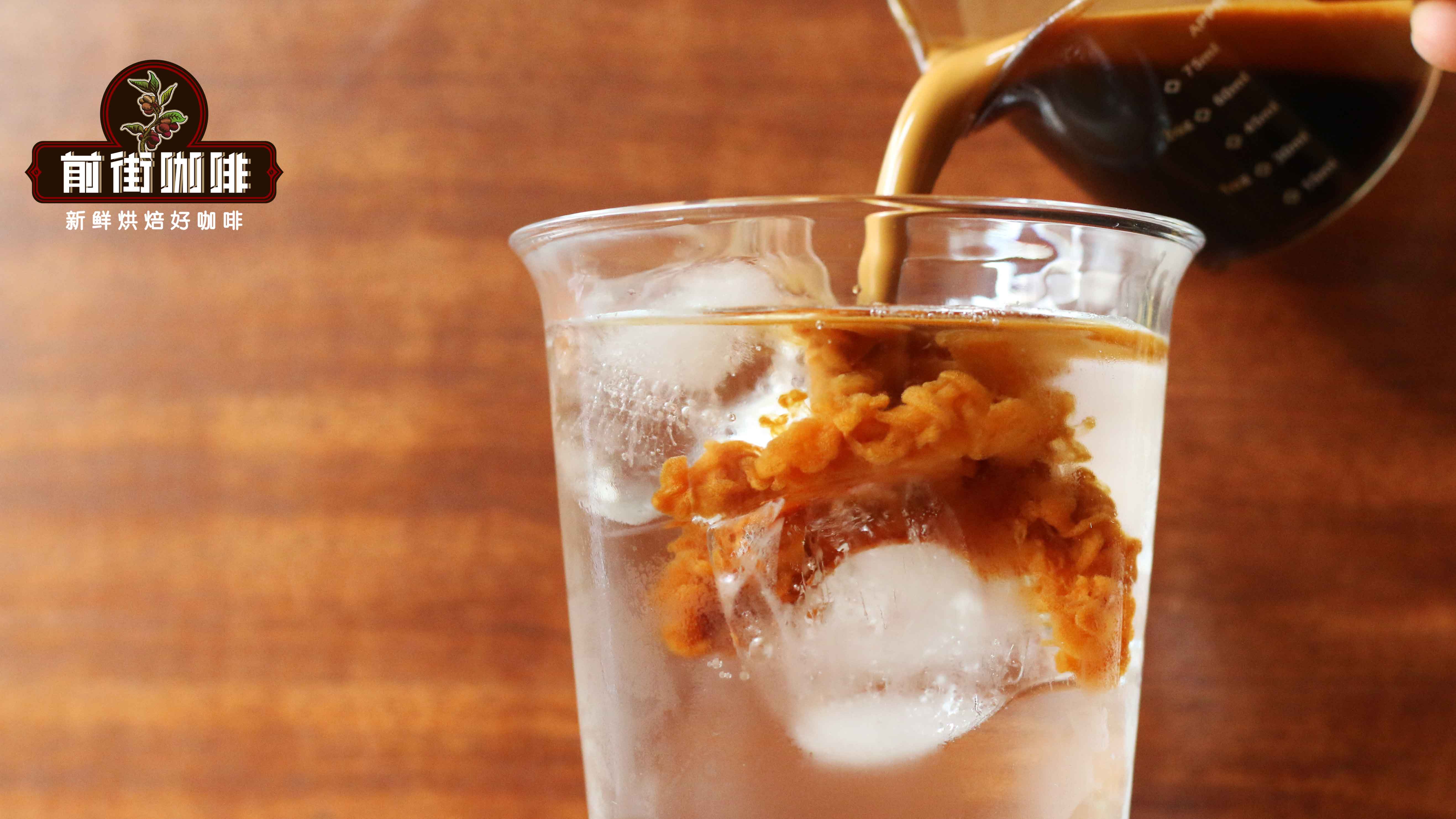
Compared to traditional American-style coffee, the espresso-based Americano not only has a richer and more aromatic flavor but is also more efficient to prepare, making it a favorite among office workers worldwide. With the rise of specialty coffee trends, cafes have begun paying more attention to the selection of espresso beans and roasting techniques, resulting in increasingly diverse and captivating flavor profiles in Americanos.
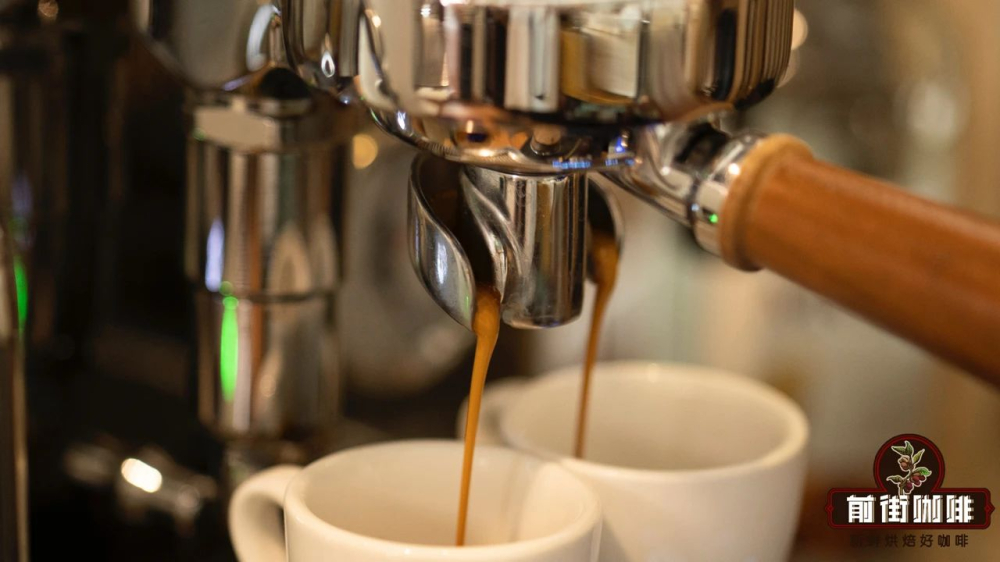
For example, a common espresso blend might combine Yirgacheffe Natural Red Cherry and Honduran Sherry beans. Such blends are typically recommended to be extracted as double espressos, with parameters set at 20 grams of coffee grounds yielding 40 grams of espresso, then mixed with hot or iced water at a 1:4.5 ratio according to personal taste. The resulting Americano not only carries wine-like and berry-like soft acidity but also finishes with charming hazelnut and dark chocolate notes.This recipe can serve as a reference for home brewing, and the proportions can be fine-tuned to taste.
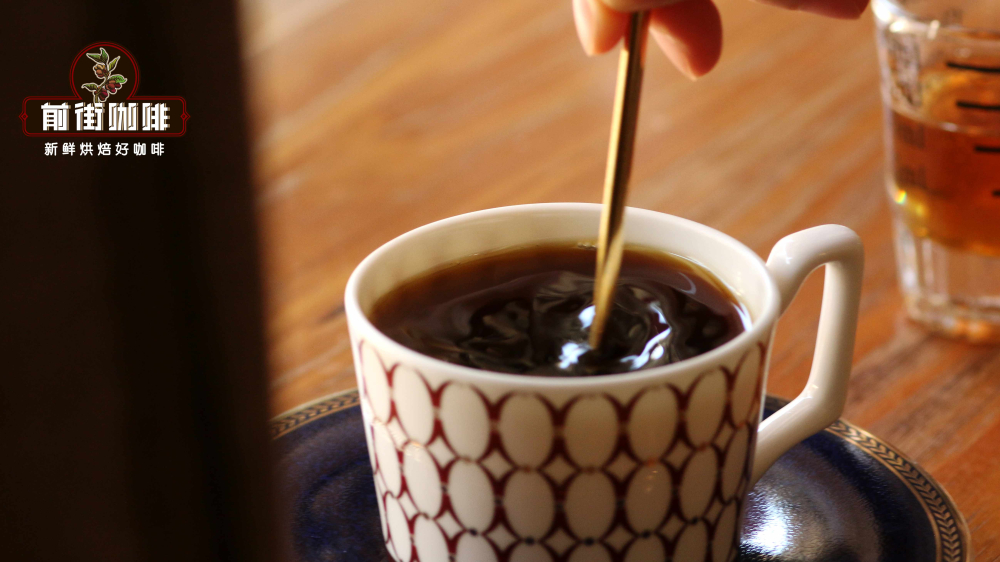
The widespread popularity of the Americano is not only due to its moderate strength and easy drinkability, but also because moderate consumption can aid digestion, reduce greasiness, and even help alleviate bloating. In the hot climate of Guangdong, iced Americano is an excellent summer refreshment—not only low in calories but also promoting metabolism. For fitness enthusiasts, drinking a small amount of iced Americano an hour before exercise can even aid in fat burning. However, it’s important to note that these benefits apply only to pure Americano without added syrups, condensed milk, or creamers; adding other ingredients significantly increases calorie content, which may impact health if consumed long-term.
As for the optimal drinking temperature of Americano, it is closely related to the roast level of the blend used. Blends primarily dark-roasted—such as common specialty commercial blends—with their high body and muted acidity, are recommended to be enjoyed at60–70 degrees Celsiusto fully appreciate their rich and full-bodied mouthfeel. Medium-roast blends, which often feature mild acidity and pronounced sweetness—such as certain fruit-toned blends—have an optimal drinking temperature of around50–60 degrees Celsius, balancing acidity, sweetness, and body. For single-origin beans with medium-light roasts—such as those with bright acidity and refreshing flavors—it’s suggested to keep the drinking temperature between40–55 degrees Celsiusto highlight their delicate fruit acids and aromas.
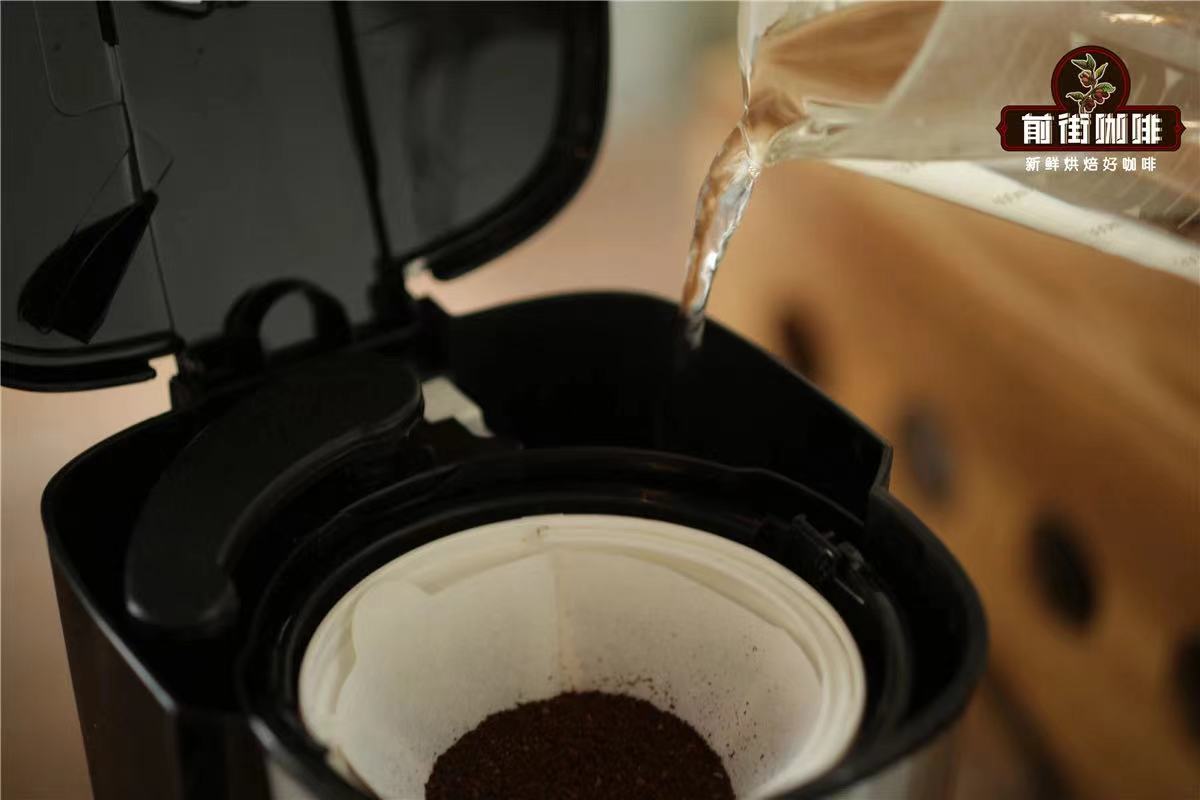
It’s worth noting that light-roast coffee beans, due to their higher density and denser structure, are prone to channeling or uneven extraction when used for espresso, which can negatively affect overall flavor. Therefore, if you plan to make espresso-based Americano at home, it’s recommended to prioritize medium-dark or dark-roast blends, which are not only easier to control in terms of extraction parameters but also help avoid failure due to unsuitable bean characteristics.If you insist on using light-roast beans, it’s better to brew them via pour over or drip methods to better bring out their bright and fresh flavors.
The above content is compiled by CoffeeHunters, a coffee news website.


