







Introduction:You often see the label "100% Arabica" in coffee shops, but do you know what it really means? This article delves into the origins, growing environments, flavor profiles, and market positioning of the world’s three major coffee species—Arabica, Robusta, and Liberica. It not only compares the two mainstream varieties in terms of aroma, disease resistance, and caffeine content, but also reveals their actual roles in Italian-style blends. This helps you understand why coffee prices can vary drastically from 10 to 30 yuan, and clarifies the truth behind Blue Mountain and Kopi Luwak.
Walking into a café, you’ll often see "100% Arabica" highlighted as a product feature, as if this label alone equates to high quality. However, Arabica is just one of many coffee bean varieties, not a specific type of drink. Understanding the three major coffee species—Arabica, Robusta, and Liberica—can help you choose and appreciate the diverse world of coffee more precisely.
The main types of coffee beans in the world can be divided into three categories: Arabica, Robusta, and Liberica (also known as Excelsa). Among them, Arabica accounts for about 60% to 70% of global coffee production and includes well-known sub-varieties such as Bourbon and Typica; Robusta makes up 30% to 40%, known for its strong flavor and high yield; as for Liberica, it only accounts for about 3% of the total, mostly found in the Asia-Pacific region. Due to its inferior flavor and disease resistance, its market share is extremely low. Today, it is mostly used for research and has almost disappeared from the commercial market.
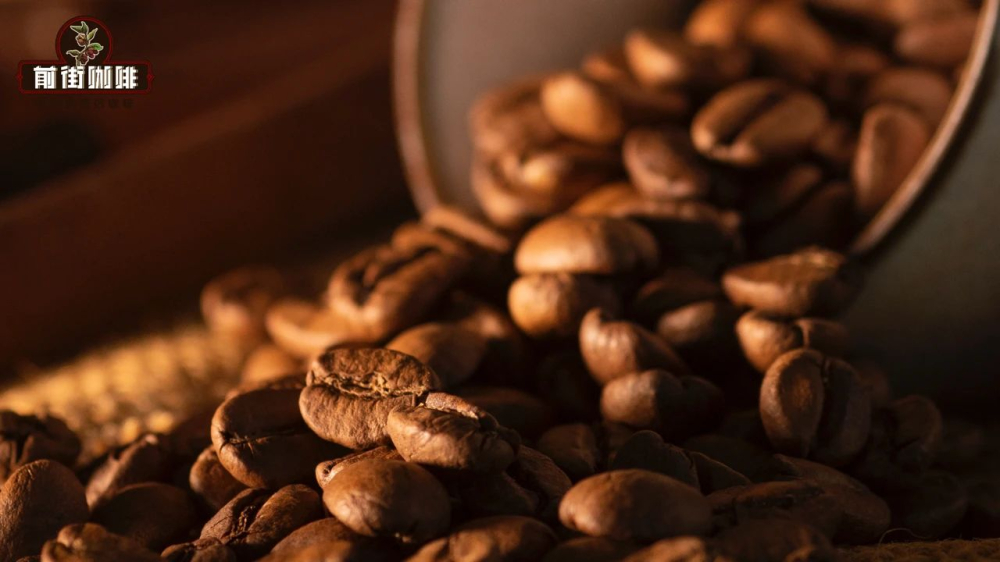
First, let’s talk about Arabica, also known as small coffee beans, which originated in Ethiopia and is one of the most highly regarded types of coffee today. This variety is typically grown at high altitudes between 1,000 and 2,000 meters, thriving in cool climates with temperatures between 15 and 24°C, and requiring abundant rainfall, with an annual precipitation of at least 1,500 millimeters. Due to its higher environmental and cultivation requirements, Arabica trees are mostly large shrubs with dark green oval leaves. The fruits they produce are also oval-shaped, containing two slightly flat beans. The beans are characterized by an elongated oval shape on the front, with a fine, slightly curved S-shaped crease in the middle, while the back is relatively flat. Its caffeine content is around 0.8% to 1.5%, which is relatively low.
What makes Arabica most fascinating is its diverse and delicate flavor profile, ranging from fruity and floral notes to caramel and chocolate, all of which can vary depending on origin, altitude, and processing methods. This is why single-origin coffees such as Jamaican Blue Mountain, Indonesian Mandheling, Yirgacheffe, and Brazilian coffee are often enjoyed and collected as single-origin offerings. However, Arabica is more susceptible to pests, frost, and drought, especially vulnerable to leaf rust, which is why various producing regions continuously invest in variety improvement to enhance its resistance and yield.
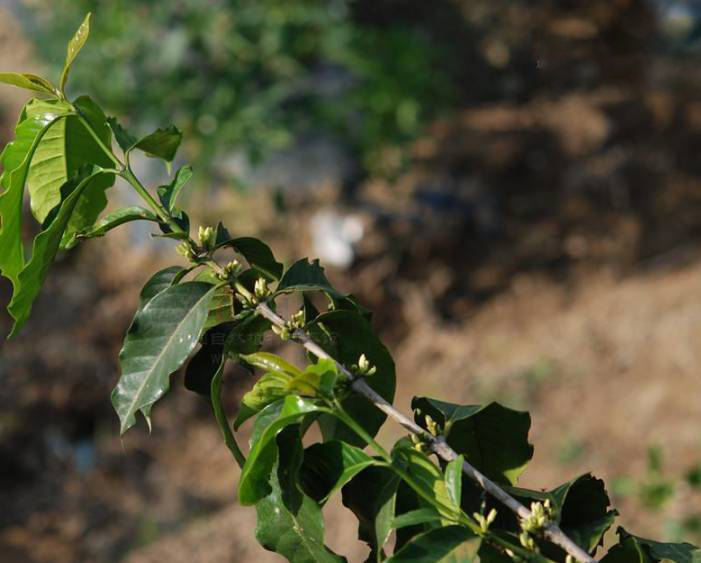
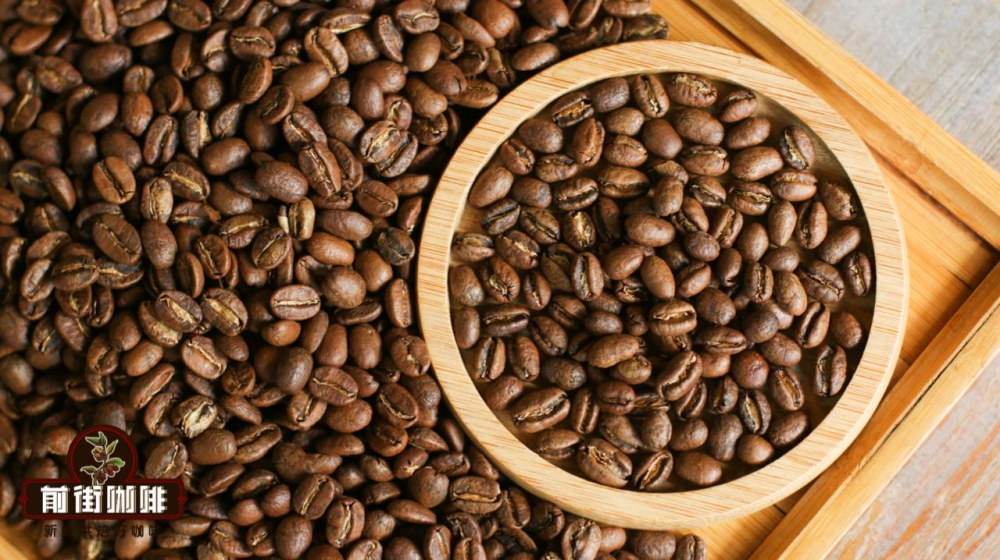
Next, let’s look at Robusta, also known as medium coffee beans, which originated in the Congo region of Africa. Compared to Arabica, Robusta is better suited to low-altitude environments, commonly found at elevations between 200 and 800 meters. It thrives in temperatures between 24 and 29°C and requires less water. Pollination of Robusta relies on insects or wind, and the time from pollination to fruiting is about 9 to 11 months, longer than that of Arabica. Its plants are somewhere between shrubs and trees, capable of growing up to 10 meters tall, but with shallow roots. The fruits are plumper, with a clearly vertical central seam and often appearing flat or slightly convex from the side. They feel hard like small stones, much more solid than Arabica beans.
In terms of flavor, Robusta is generally less refined than Arabica, often with a heavier earthy tone, woody notes, and a pronounced bitterness. However,its caffeine content is as high as 1.7% to 4%,more than double that of Arabica, which also gives it stronger disease resistance, particularly greater tolerance to leaf rust. Although its flavor is not outstanding when consumed alone, inItalian-style blends,Robusta plays an indispensable role.
Particularly in Italian espresso blends, adding a small amount of Robusta can significantly enhance the coffee’sbody and crema layer,making the espresso richer and fuller when combined with milk, resulting in more layered and aromatic lattes and cappuccinos. This is the irreplaceable value of Robusta in the commercial market.
Many consumers often wonder: "Why does some coffee cost just 10 yuan a cup, while others are 30 yuan or even more?" The difference mainly lies in the grading and quality of the coffee beans. Generally speaking, the coffee beans on the market can be divided into two main categories: commercial beans and specialty coffee beans. Due to its high yield and low cultivation threshold, the international futures price of Robusta is about $1,686 per ton, equivalent to approximately 11.5 yuan per kilogram, making it a lower-cost option, mostly used in instant coffee or mass-market ready-to-drink coffee. Specialty coffee beans, on the other hand, emphasize origin, processing methods, and roasting techniques. From meticulous washed, natural, to honey processes, each step affects the final flavor profile. Common descriptions include bright acidity, pronounced sweetness, and a lingering aftertaste, which naturally leads to higher prices.
Simply put, specialty coffee beans usually come from a single origin, showcasing the unique flavor characteristics shaped by the local soil and climate—for example, the berry notes of Kenyan coffee, the citrus aroma of Yirgacheffe, or the nutty chocolate flavors of Colombian coffee. In contrast, commercial beans are mostly blended for consistency and cost control, suitable for mass production of common coffee drinks like lattes and cappuccinos. Therefore, when you see a cup of coffee priced at 10 yuan, it’s likely made with a commercial blend; whereas options above 30 yuan have a higher chance of being premium specialty beans or single-origin coffee.
Finally, let’s clarify some common misconceptions. "Blue Mountain coffee" and "Kopi Luwak" are not coffee varieties, but specific coffee beverage names. The former refers to coffee brewed from Arabica beans produced in the Blue Mountains of Jamaica, known for its balanced and elegant flavor; the latter is made from coffee beans excreted by civets after consuming coffee cherries, then specially processed—a very unique product. Meanwhile, "Arabica" is a classification of coffee bean varieties, which includes many sub-varieties such as Typica, Bourbon, and Caturra. Many businesses promote "100% Arabica," which ensures varietal purity but does not necessarily mean the coffee is of specialty grade. In professional coffee shops, you’re more likely to see specific origin names such as "Yirgacheffe," "Colombia," or "Brazil"—these are the true keys to showcasing regional flavors and the charm of single-origin coffee.
The above content is compiled by CoffeeHunters, a coffee news website.


