







Introduction:Yirgacheffe is one of Ethiopia’s most iconic coffee-growing regions, renowned for its bright, fruity acidity and distinctive citrus notes. Among its processing methods, washed and natural (sun-dried) offer two distinctly different flavor profiles: the washed version is clean and crisp, highlighting lemon and jasmine floral tones, while the natural process delivers intense fruitiness and sweetness. This article delves into the processing techniques, flavor profiles, bean appearance identification tips, and provides a practical three-stage pour-over parameter guide along with comparative insights to help you discover your preferred flavor preference.
The Yirgacheffe region in Ethiopia is situated in a highland area at an altitude of around 2,000 meters and is world-famous for producing coffee beans with vivid floral and fruity characteristics. Among the various processing methods, washed and natural are the most common and are often the first choices for many coffee enthusiasts when they first encounter Yirgacheffe. These two processing methods not only influence the flavor expression of the coffee but also directly determine the brewing parameters and the ultimate taste experience.
The core of the washed processing method lies in removing the pulp and impurities through fermentation and washing, resulting in a coffee with a clear and transparent mouthfeel. The general process includes: after harvesting, the coffee cherries are first depulped by a pulper to remove the skin and flesh, then placed in a water tank to ferment for about 18 hours, allowing microorganisms to break down the mucilage. Afterwards, the beans are thoroughly rinsed with clean water and finally spread evenly on drying beds with their mucilage still attached, allowing the moisture to evaporate naturally to an ideal moisture content of around 11%. During this process, because the mucilage layer is effectively removed, washed Yirgacheffe often exhibits a cleaner and more refined acidity profile, with common flavors including citrusy notes such as lemon and orange, paired with subtle jasmine or white floral aromas, and a clean and layered aftertaste.
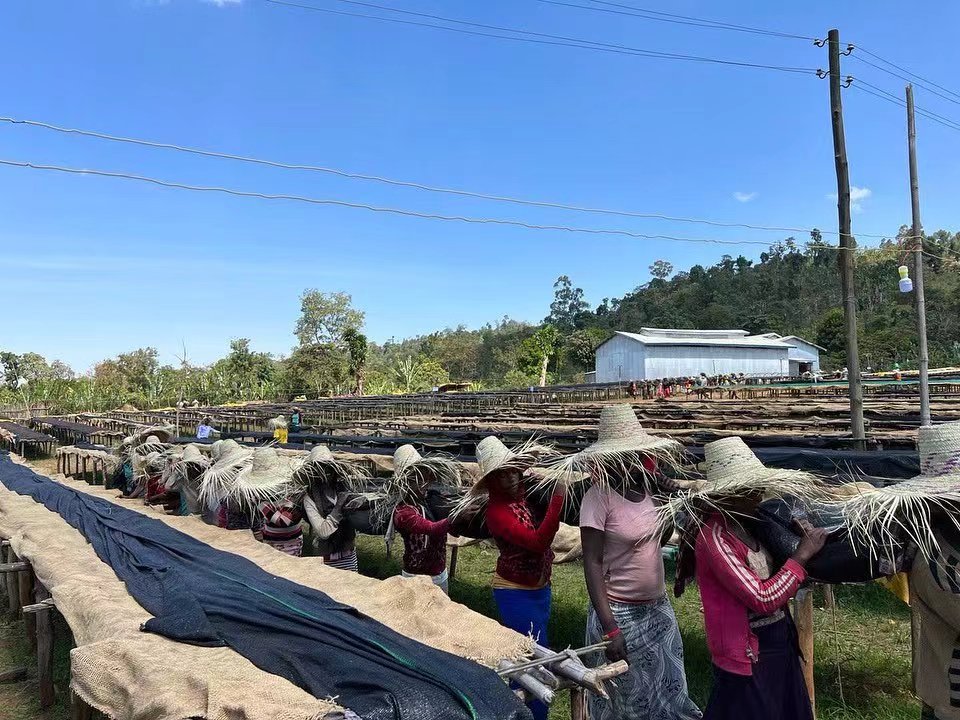
In contrast, the natural processing method is more traditional and relies heavily on natural conditions. The conventional approach is to spread the whole coffee cherries, still in their husks, directly onto drying beds, allowing the moisture in the fruit pulp to gradually evaporate over prolonged sun exposure. Meanwhile, the natural sugars in the mucilage gradually penetrate the bean, imparting richer sweetness and fermentation complexity. Yirgacheffe processed this way tends to have acidity that is less bright and sharp than the washed version but offers more roundness and body, often accompanied by aromas of ripe fruits such as berries and raisins, and may even feature a hint of wine-like fermented finish. The overall flavor is fuller and features more layered variations.
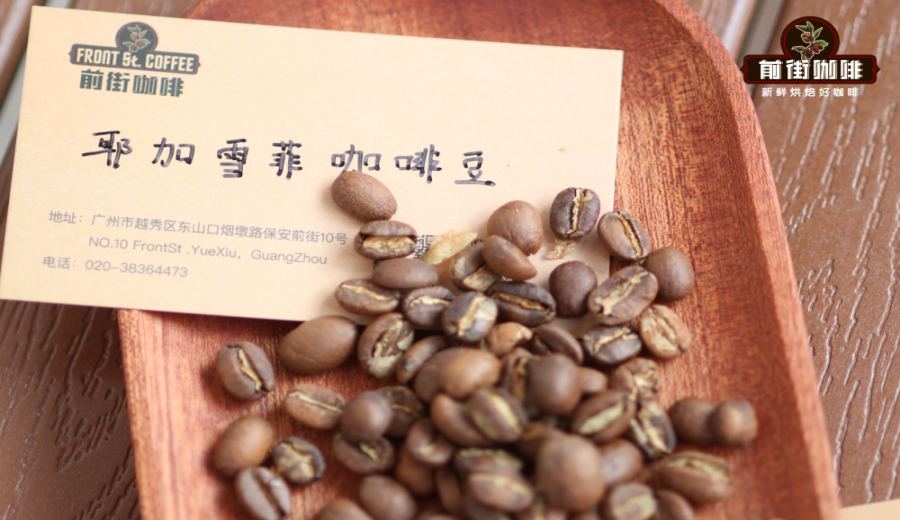
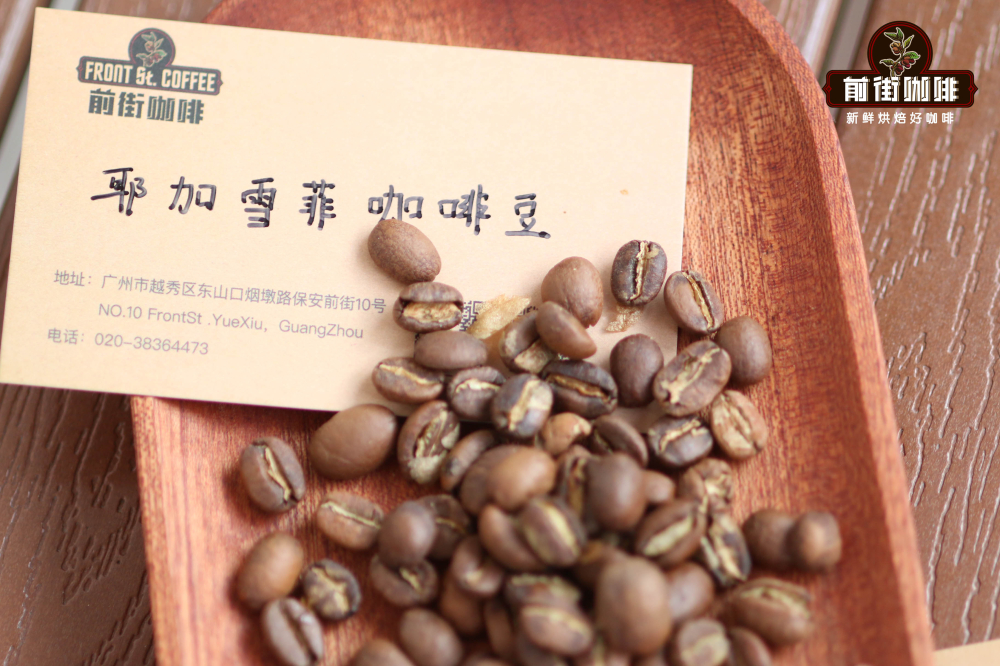
If you want to preliminarily distinguish the beans by appearance, washed Yirgacheffe usually presents a vivid bluish-green hue with relatively little silver skin (the thin membrane on the seed) because most of it has been removed during washing. Natural-processed green beans, on the other hand, are mostly yellow-green with noticeably more residual silver skin. Once roasted, washed beans may still show some silver skin, whereas natural beans appear relatively cleaner. Although these visual differences are not absolute, they can serve as preliminary reference points for identification.
In terms of flavor, washed Yirgacheffe is characterized above all by its “clean” profile, with sharp yet non-harsh acidity, often showcasing bright citrus tones paired with delicate floral notes, making it suitable for those who prefer a refreshing taste. The natural version emphasizes sweetness and fruitiness, with softer acidity but more complex layers and fermentation nuances, appealing to coffee lovers who enjoy rich fruitiness or pronounced sweetness. Both have their unique merits, and the choice can be based on individual taste preferences.
For actual pour-over brewing, it is recommended to use a three-stage pouring technique to fully extract the diverse flavors. A common parameter setting is: the first stage involves pouring 30 grams of hot water and letting it bloom for 30 seconds to initiate the release of coffee aroma; the second stage follows with about 95 grams (total around 125 grams), completed in approximately 1 minute; when the water level drops to about two-thirds of the coffee bed height, the third stage pours 100 grams (total around 225 grams), finished within about 1 minute and 35 seconds. The total extraction time is around 2 minutes and 10 seconds. These parameters are suitable for most Yirgacheffe coffee beans, whether washed or natural, and can be used as a reference.
Based on actual brewing experiences, washed Yirgacheffe often showcases distinct lemon-citrus acidity paired with subtle jasmine floral notes, delivering a clean and crisp mouthfeel. The natural-processed version, on the other hand, highlights more pronounced sweetness, with intense fruitiness and a rich juice-like body, and the aftertaste may even carry a honey or caramel-like gentle finish. Additionally, it is worth mentioning that due to the large size variation of coffee beans from the Yirgacheffe region, lighter roasts better preserve their delicate flavor characteristics, though some roasters may opt for medium roasts to balance acidity and enhance body. Consumers can further select based on personal preference.
In summary, the washed and natural processing methods of Yirgacheffe each have their own unique traits—the former focuses on bright acidity and floral-fruit aromas, while the latter emphasizes sweet fruitiness and fermentation complexity. If you’re new to pour-over brewing or prefer a bright and clean taste, the washed version is a great starting point; if you enjoy rich fruit aromas and sweet, full-bodied coffee, try the natural-processed Yirgacheffe. By understanding the processing methods, observing bean appearance differences, and using appropriate pour-over parameters, you’ll be able to more accurately find your own preferred direction in coffee flavor.
The above content is compiled by CoffeeHunters, a coffee news website.


