







Introduction:On hot summer days, the cool and refreshing cold brew coffee has become the top choice for many coffee enthusiasts. But do you know which type of coffee beans are best suited for cold brew? What’s the fundamental difference between it and regular Americano? This article provides a detailed analysis of the brewing principles of cold brew, recommends suitable bean varieties, and includes an experimental comparison between soda water and pure water extraction to help you master cold brew techniques and flavor characteristics, crafting your own unique iced coffee experience.
Cold brew coffee is extracted through a low-temperature, long-duration steeping process. This not only results in a smoother and more palatable taste but also avoids the bitterness and off-flavors often brought out by high temperatures, making it a beloved coffee option during summer. However, what kind of coffee beans should be chosen for making cold brew? How does it differ from common Americano? This article not only explores the preparation and pairing of cold brew but also conducts experiments using soda water and purified water to deeply analyze the differences in concentration and flavor between the two.
The process of making cold brew coffee is very simple: just mix coffee grounds with cold water, refrigerate it for 8 to 12 hours, then filter it through paper filters. This low-temperature extraction method preserves the acidic and aromatic compounds in the coffee while suppressing the release of excessive off-flavors. It’s worth noting that although cold brew can be stored in the refrigerator, volatile compounds such as floral notes will gradually diminish over time. It is recommended to consume it as soon as possible for the best flavor.
Talking about the origin of cold brew coffee, as early as the 17th century, Dutch sailors, unable to brew hot coffee at sea, started soaking coffee grounds in cold water for drinking and unexpectedly discovered that this method could also produce a decent flavor. By the 19th century, cold brew coffee gradually became visible in the West and even turned into a common beverage in the military. In the 1960s, Todd Simpson, who was living in Peru, was inspired by local cold brew methods and developed the Toddy cold brew system, which was later adopted by Starbucks, bringing this refreshing coffee drink into the public eye.
The biggest difference between cold brew coffee and regular Americano lies in the brewing method and equipment required. Americano is usually made by first extracting espresso with a high-temperature, high-pressure espresso machine and then diluting it with cold water, which demands relatively high-end equipment. In contrast, cold brew only requires coffee grounds and cold water, extracting through prolonged steeping without the need for expensive gear — it can even be easily made at home. This makes cold brew an excellent choice for many beginners entering the world of coffee.
As for which type of coffee beans are suitable for making cold brew, there are actually no absolute restrictions. Whether it’s light roast, medium roast, or dark roast, coffee beans from different origins can all showcase unique flavors in cold brew. Light roast typically features bright fruit acidity and floral notes, medium roast offers balanced sweetness and fruity aromas, while dark roast may present rich caramel and chocolate tones. The cold brew process can make these flavors softer, making it an excellent way to explore the characteristics of different beans.
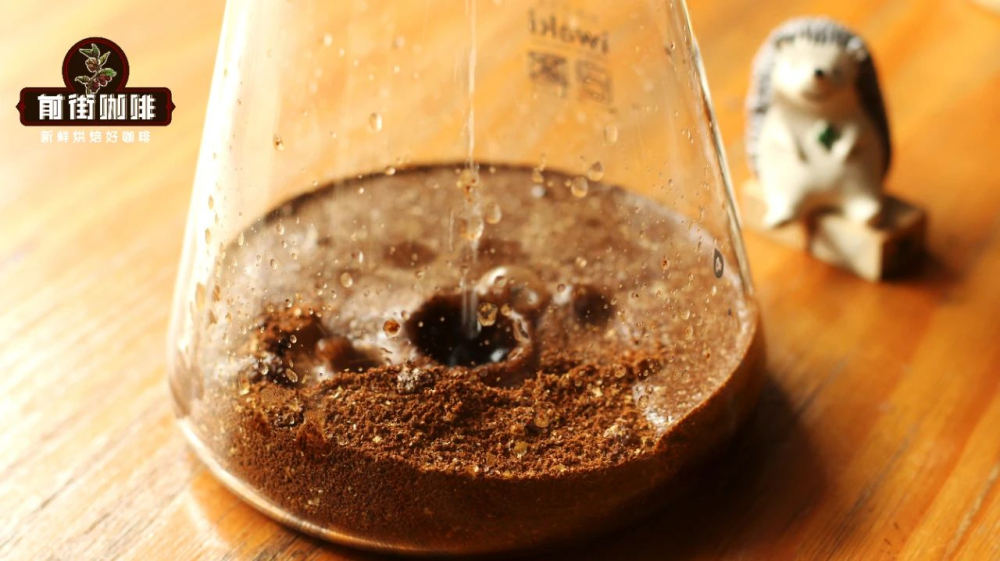
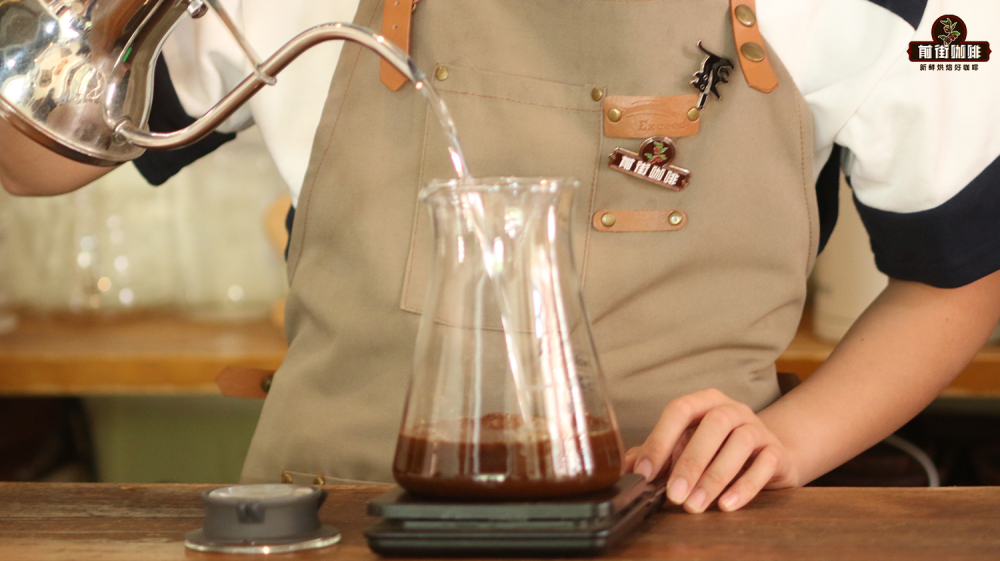
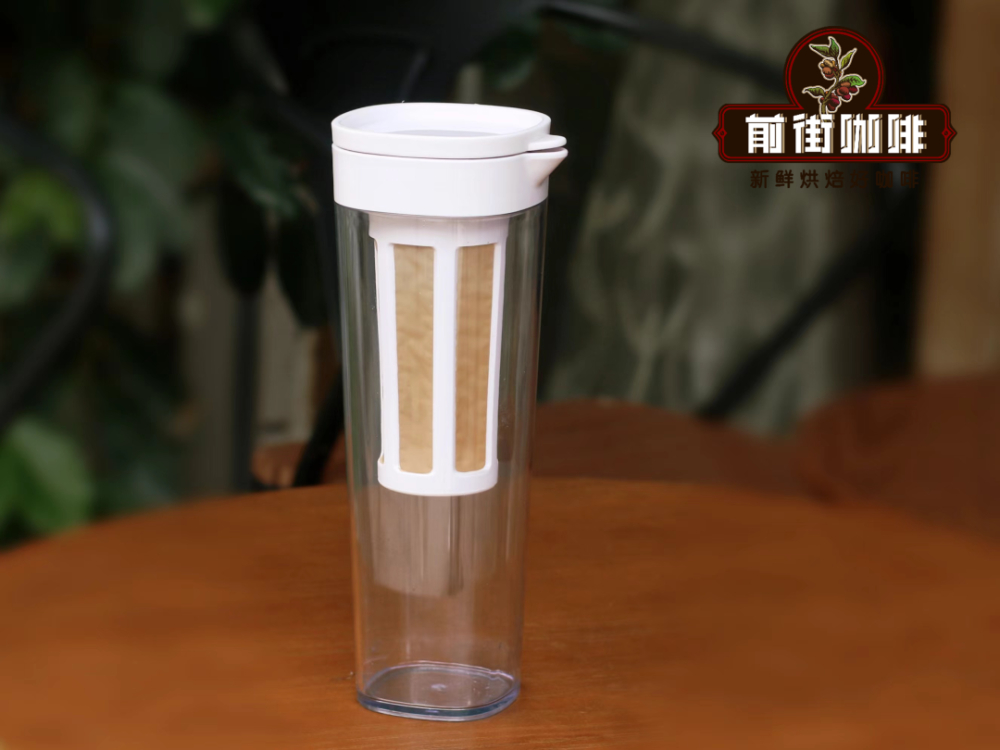
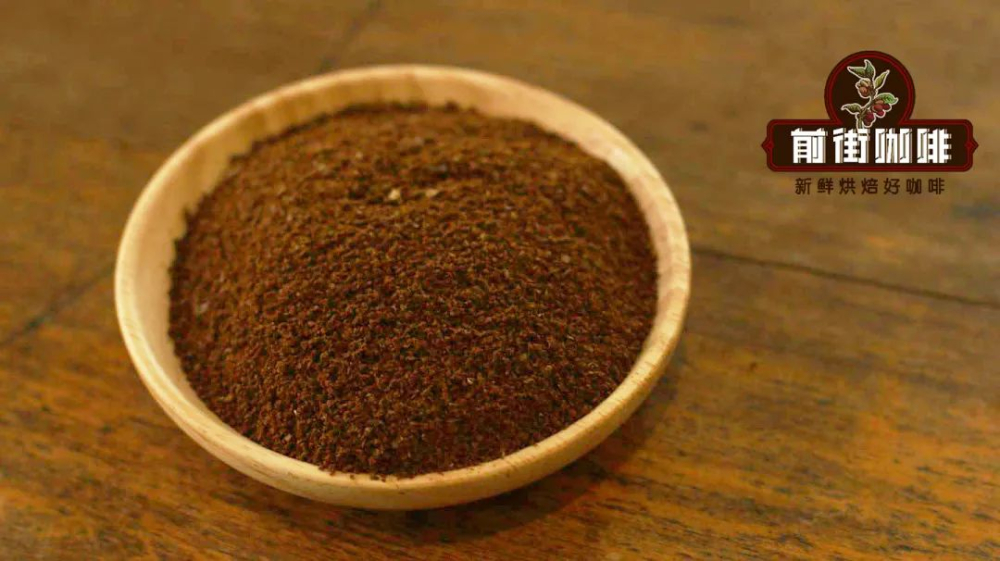
The basic method of making cold brew coffee is quite simple. First, prepare a sealable container; if you don’t have a dedicated cold brew bottle, a regular glass bottle or cup with plastic wrap will also work. Next, choose your preferred coffee beans — it’s recommended to grind them to a medium-coarse level similar to pour over, such as setting 9 on an EK43s grinder, and use a 1:12 coffee-to-water ratio (for example, 50 grams of coffee grounds to 600 milliliters of water) for steeping. After mixing the coffee grounds with cold water, refrigerate for about 8 hours, then filter through paper filters to complete the process. For added flavor, you can enjoy it with ice cubes.
So, what’s the difference between cold brew coffee and Americano? Although both are immersion-style coffees, Americano is made by first extracting espresso under high temperature and pressure and then diluting it with water, emphasizing richness and layering; whereas cold brew uses room temperature or low-temperature steeping over a long period, highlighting smoothness and freshness. Not only does it require less equipment, but it also has more lenient requirements for grind size, making it suitable for daily home preparation.
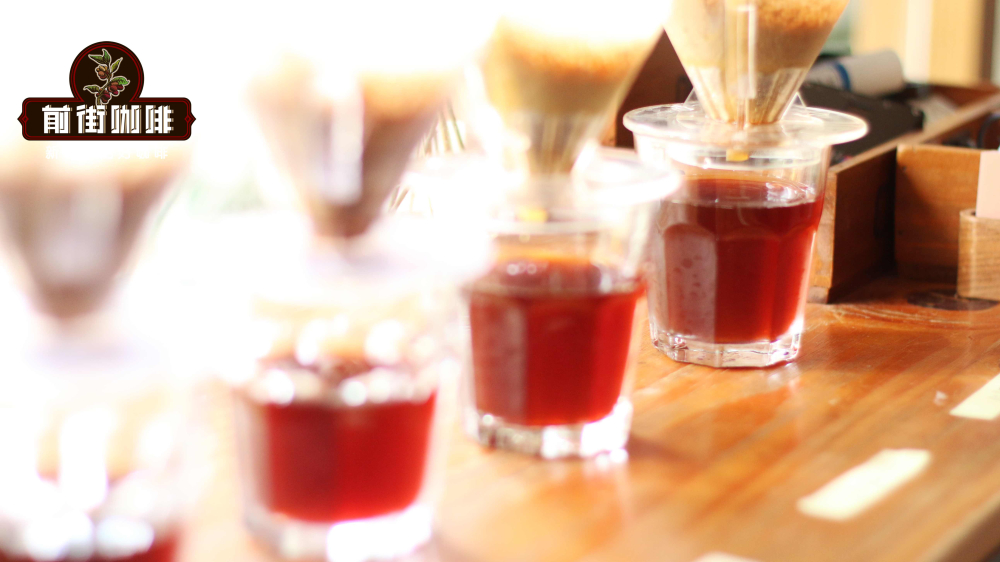
Interestingly, there was an experiment comparing the differences between using soda water and pure water to make cold brew. The experiment used washed beans from the Gedeb Guji Yirgacheffe Cooperative, known for their pronounced berry and citrus profiles. During the experiment, the bubbles in the soda water caused the coffee grounds to continuously move during steeping, promoting the release of more extracted compounds. As a result, the concentration of the soda water cold brew reached2.36%, higher than that of the pure water cold brew at1.94%. In terms of flavor, the soda water cold brew initially exhibited a stronger berry aroma, with a bubbly, tingling sensation upon tasting, while the pure water cold brew showcased a crisper citrus acidity and floral-fruity notes. It’s worth mentioning that after additional chilling, the soda water cold brew’s effervescence disappeared, giving way to a more pronounced tropical fruit sweetness, with a slightly bitter finish.
In summary, cold brew coffee is not only suitable for summer drinking, but its diverse bean selection and flexible brewing methods also allow every coffee lover to find their own unique flavor. Whether you prefer bright fruity notes, balanced richness, or intense sweetness, you can craft a personalized cold brew flavor experience by adjusting the bean variety, grind size, and steeping time.
The above content is compiled by CoffeeHunters, a coffee news website.


