







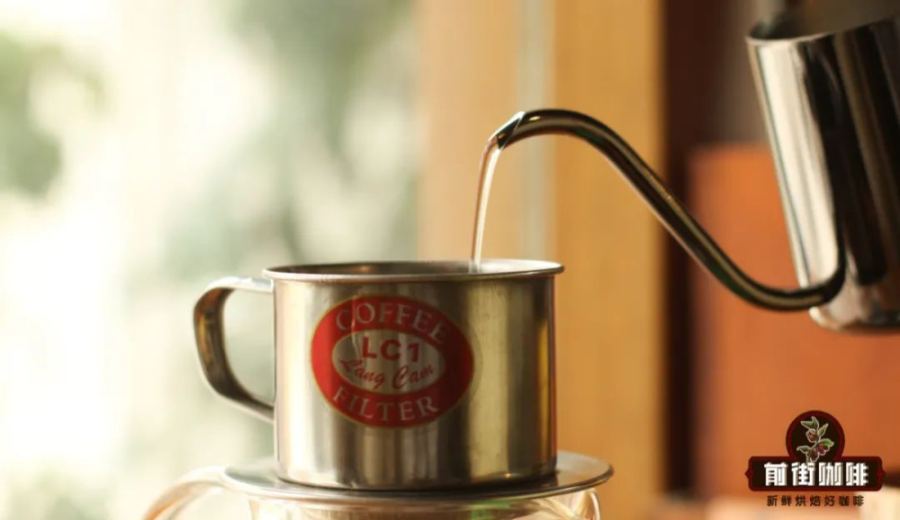
Introduction:Vietnamese drip coffee is renowned for its unique filtration method and bold flavor, but replicating its authentic taste at home is no easy feat. This article provides an in-depth look at the structure and workings of the Vietnamese drip filter, covering everything from filter installation and coffee-to-water ratios to blooming techniques, helping you master the key extraction parameters. It also offers professional-grade recommendations on coffee bean selection, including ideal roast levels, bean blends, and flavor profiles—whether you prefer classic black coffee or the sweet, creamy version with condensed milk, you’ll find the perfect formula.
Across the globe, uniquely regional coffee brewing devices have been developed. While these tools may not have originated locally, they are often infused with new life through cultural fusion. Beyond the bubbling sounds of a Turkish cezve or the pressure extraction of an Italian moka pot, the most iconic brewer on Vietnam’s streets is arguably the simple “drip filter.” This metal filter is not only a staple at Vietnamese breakfast tables but has also become a go-to choice for many coffee enthusiasts eager to explore Southeast Asia’s bold flavors.

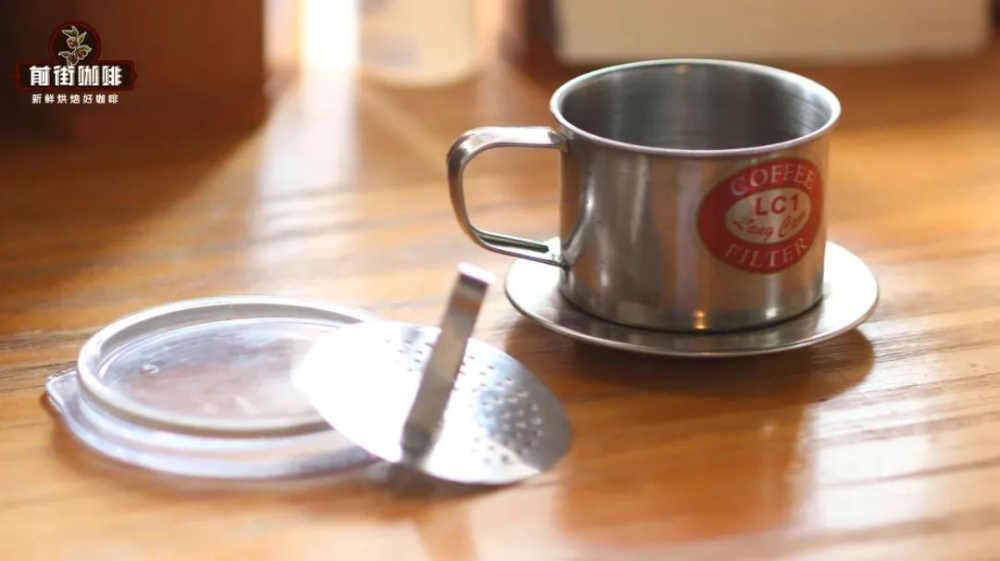
The design of the Vietnamese drip filter is highly intuitive, consisting mainly of a heat-resistant metal body, a precision-punched stainless steel filter plate, an adjustable pressure disc, and a heatproof lid for sealing. To brew, coarse-ground coffee is placed in the filter, the density of the coffee bed is controlled by adjusting the pressure plate, and then hot water is poured in. The coffee liquid slowly drips down into the cup below via gravity. This long-duration, low-flow extraction allows caffeine and flavor compounds to fully release, resulting in a rich, dark coffee liquid with a heavy body.
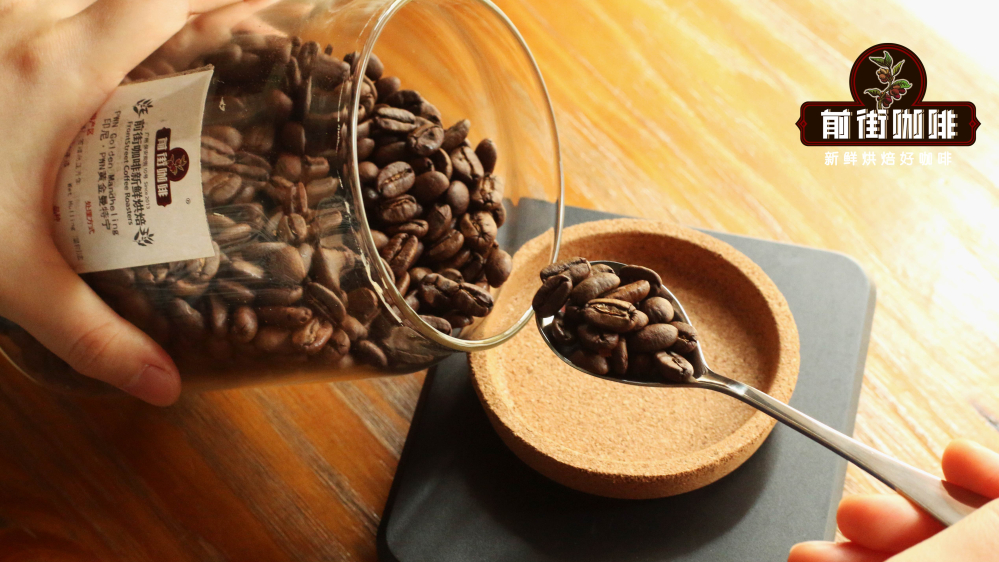
To recreate the classic taste of street-side vendors in Vietnam, the first priority is selecting the right coffee beans. Traditional methods favor dark-roasted Robusta beans, which are widely cultivated in Vietnam due to their disease resistance and stable yield. These beans exhibit a pronounced bitter-sweet profile with notes of roasted nuts, dark cocoa, and brown sugar, and their high body perfectly complements the sweetness of condensed milk. For a smoother profile, consider a blend of Robusta and Arabica, which balances acidity while retaining the signature bold base.
When actually brewing, it’s recommended to preheat your ceramic cup and addmedium-fine grindcoffee grounds (with a texture between fine sugar and espresso grind) at astandard dosage of 15–20 grams per cup. After placing the grounds into the filter, gently tap the brewer to level the surface. When attaching the pressure plate, be mindful of how tightly you screw it down—over-tightening restricts water flow, while too loose will cause the coffee to drip too quickly. For the initial pour, use a small amount of hot water (around 30°C) to perform a20-second bloom, activating the coffee grounds before filling with 90–95°C hot water. Then wait4–6 minutesto observe the completion of the drip.
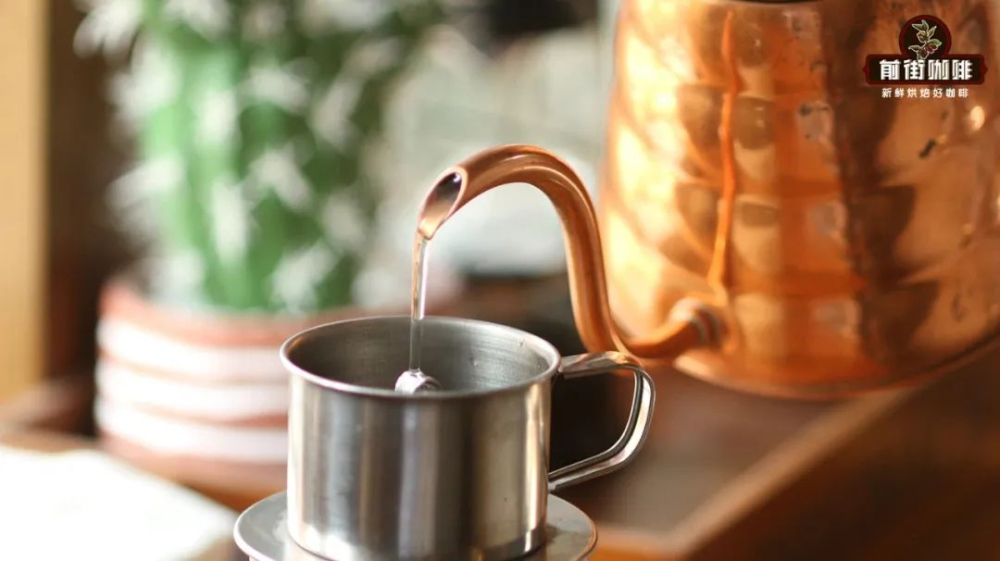
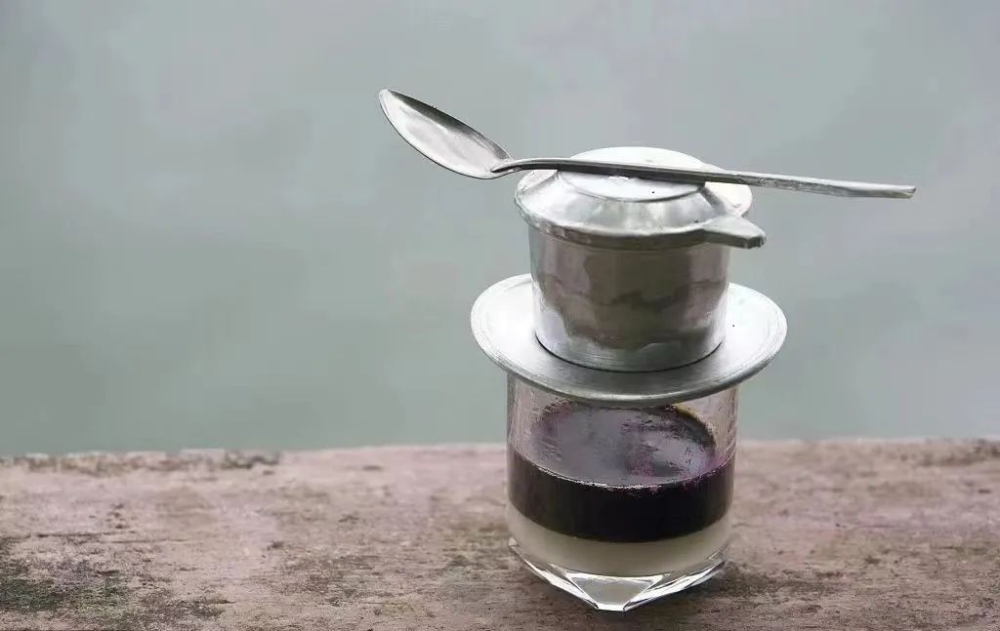
The finished coffee will have a deep amber-brown color. It’s recommended to stir it thoroughly to mix with the condensed milk before drinking. For a refreshing twist, you can skip the condensed milk and add ice for an iced drip version, or simply enjoy it as black coffee to experience the original flavor. Notably, the popular “iced drip coffee” in Vietnam involves placing the entire brewing device directly on top of a glass filled with ice, using the cool environment to extend extraction time and create a more concentrated, flavor-intense specialty drink. No matter which method you choose, maintaining a consistent coffee-to-water ratio and controlling the drip rate are essential.
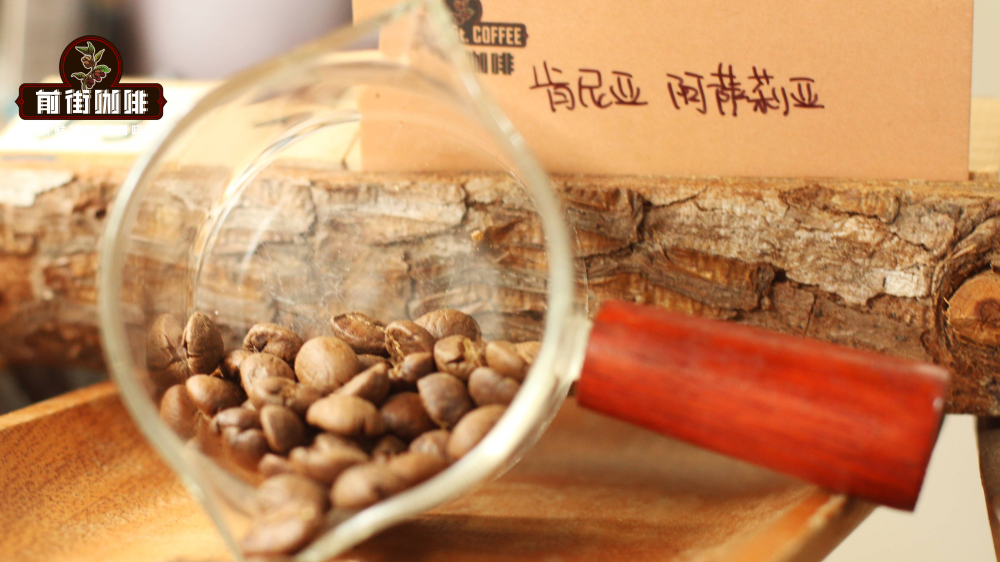
For beginners, it’s advisable to start with a dark-roast blend, as these beans offer a more forgiving extraction window and reduce the risk of mistakes. During brewing, observe the dripping speed: the ideal rate is about 1–2 drops per second. If you encounter clogging or overly fast dripping, you can slightly adjust the pressure plate tightness or check the grind size. Remember, the charm of Vietnamese drip coffee lies in the deep flavors created by a simple tool—once you grasp the basic principles, you can enjoy exotic coffee moments at home.
The above content is compiled by CoffeeHunters, a coffee news website.


