







Introduction:Yirgacheffe is renowned for its bright citrus acidity and floral notes, but many coffee enthusiasts often encounter issues such as prominent bitterness, overly strong cold brews, or unclear flavors when brewing at home. This article will explore the regional background and processing method differences, and provide comprehensive parameters for both washed and cold drip brewing of the fruit Dingding Cooperative beans (medium-light roast), including water temperature, brew ratio, grind size, and pouring techniques, to help you consistently extract a coffee with vibrant sweet-and-sour notes and a clear, juicy flavor profile.
With its transparent fruity-floral tones and lively acidity, Yirgacheffe has become a top choice for many specialty coffee lovers. However, many people face challenges when brewing at home, such as overly bitter coffee, thin body, or imbalanced concentration in cold brews. This article will start by discussing the history, variety characteristics, and processing methods of the region, then delve into how adjusting brewing parameters—especially water temperature and grind size—can effectively reduce bitterness and deliver a more balanced flavor.
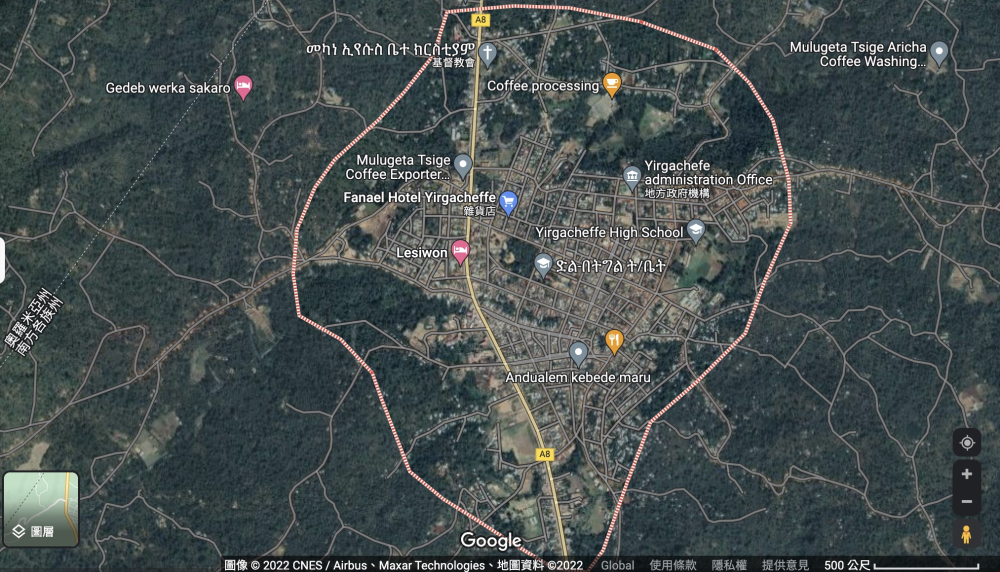
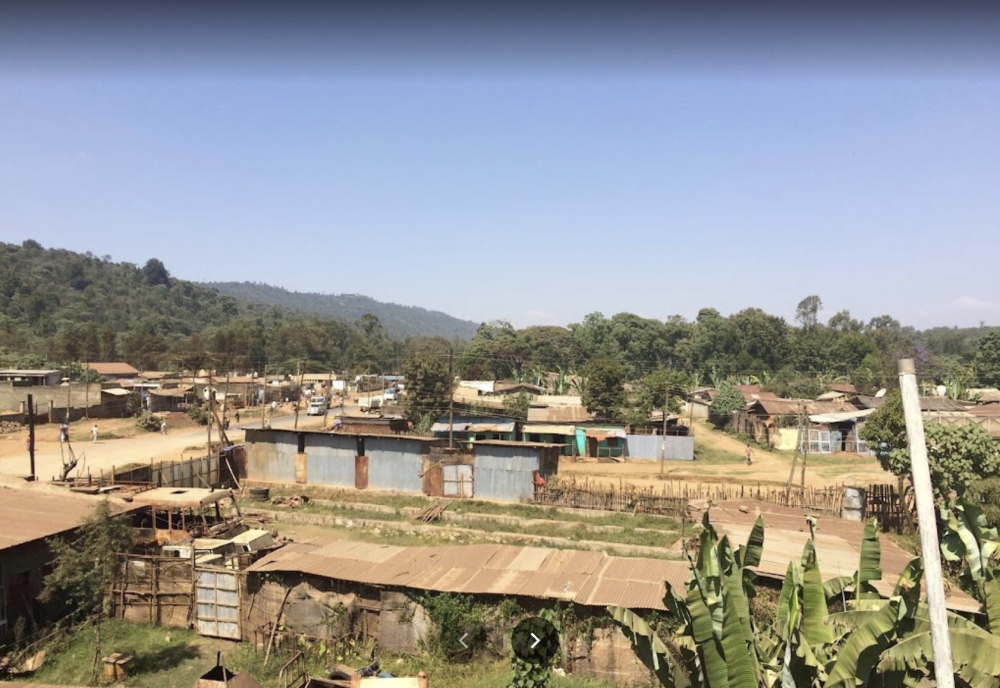
Originally just a small town within Ethiopia’s Sidamo Province, Yirgacheffe gained significant global attention due to the coffee grown in the area, which typically exhibits fresh floral aromas and pronounced citrus acidity. Even after administrative boundary adjustments moved Yirgacheffe under the Gedeo Zone (GEDEO), its status as a renowned coffee-producing region remains solid. The coffee here, thanks to high-altitude cultivation, diverse native varieties, and traditional washed and natural processing methods, develops a highly distinctive flavor profile.
Many people used to associate coffee with heaviness and bitterness, but Yirgacheffe completely changed that perception. It often showcases bright acidity reminiscent of citrus fruits like lemon and bergamot, paired with delicate floral notes and a honey-like sweet aftertaste. On the palate, it may even leave a tea-like lingering sweetness, making it especially appealing to consumers accustomed to tea culture.
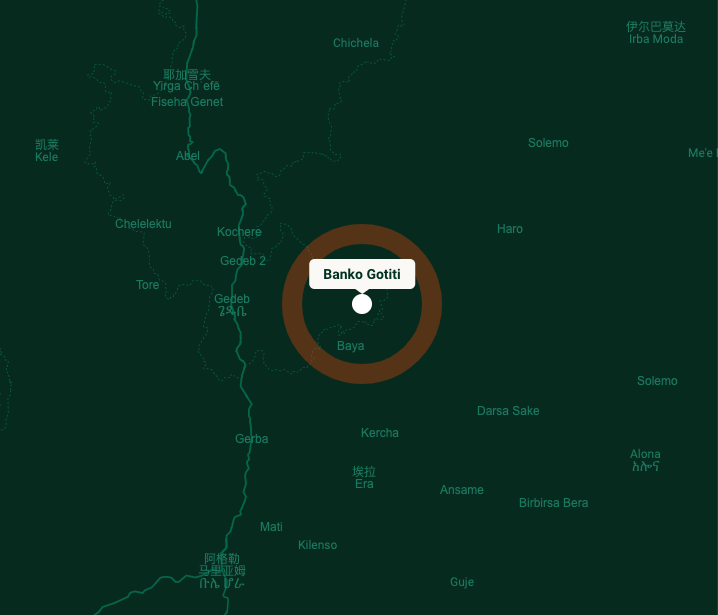
Although Yirgacheffe is now widely used as a synonym for a certain style of coffee flavor, the name is not limited to a single geographic area. According to the 2009 classification standard by Ethiopia’s Commodity Exchange, certain specific regions—such as Yigacheffe, Kochere, and Wenago—are certified as having classic Yirgacheffe flavor profiles (Yigacheffe A), while others are classified as Yigacheffe B. This means that many coffees labeled as Yirgacheffe on the market may come from surrounding areas but still possess similar flavor traits.
Currently, the Yirgacheffe region includes several well-known processing cooperatives, such as Gotiti, Kochere, Chelelektu, and Misty Valley. The coffee beans produced in these villages are often traded under the label “Yirgacheffe + Cooperative Name” to ensure transparency of flavor origin. It’s worth noting that Ethiopia’s coffee naming conventions are often closely tied to origin, though there are exceptions—such as the “Sidamo Huakui 8.0” found on some coffee brand menus, which is a market-oriented naming approach.
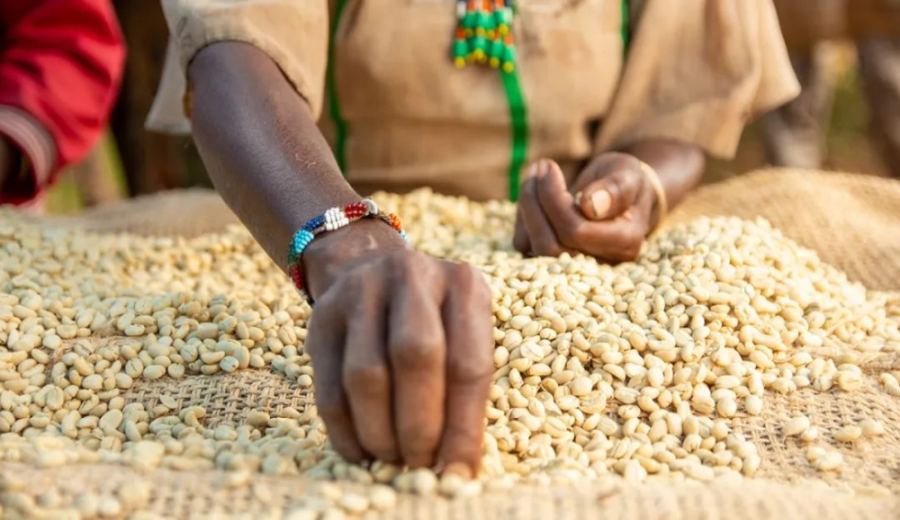
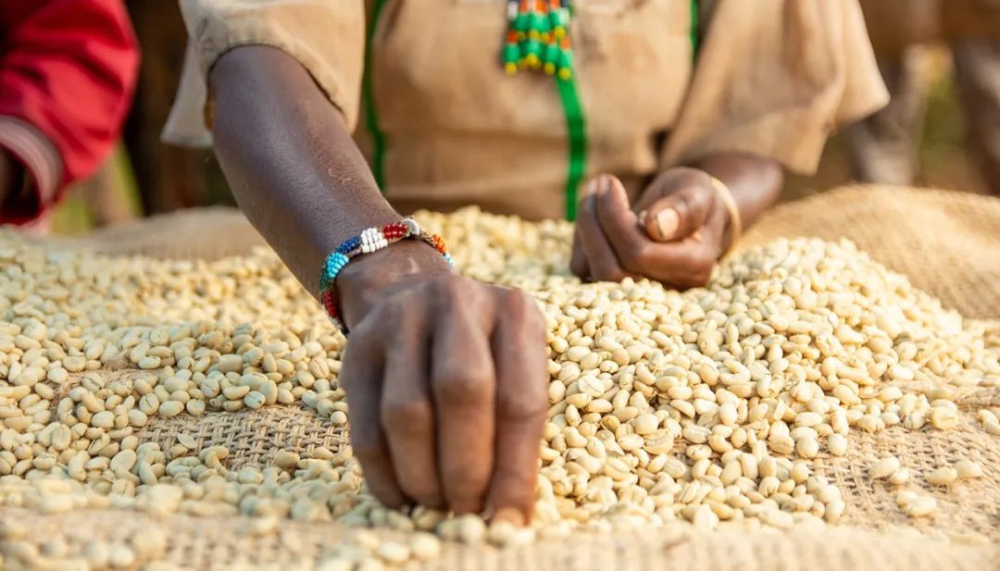
Ethiopia is the birthplace of many coffee varieties, and to this day, a large number of uncategorized native varieties remain. Local farmers often collectively refer to these diverse varieties as “Heirloom (传家宝).” Due to the mix of varieties and inconsistent bean sizes, Ethiopian coffee beans often display irregular specifications, which is actually one of the natural characteristics of the region’s coffee. In terms of processing, limited by climate conditions, washed and natural (sun-dried) are the two primary traditional methods.
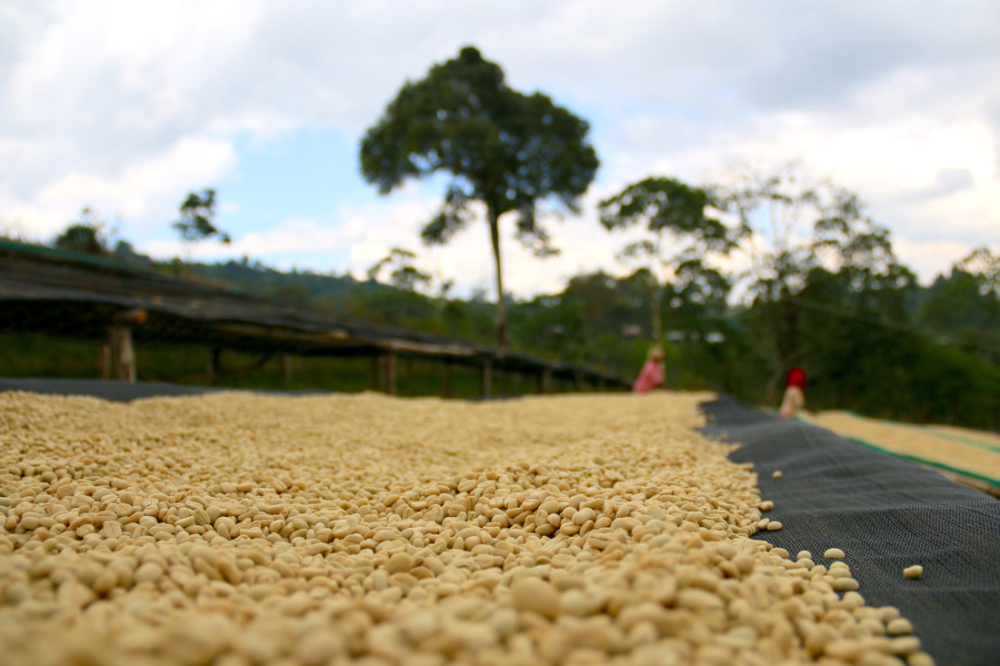
The unique flavor of Yirgacheffe coffee is not only due to its exceptional growing environment, but also owes much to the introduction of washed processing techniques. The Ethiopian government introduced washed processing from Central and South America in 1972. This method relies on stable water sources and washing tank equipment, and involves steps such as removing the pulp, fermenting to remove mucilage, multiple washes, and sun drying. It not only significantly improves the cleanliness of green beans but also results in a clearer, brighter final flavor. Practical cupping experience from one coffee brand shows that washed Yirgacheffe often demonstrates a cleaner, brighter acidity and greater overall consistency in quality.
In contrast, the natural (sun-dried) processing method involves directly sun-drying harvested coffee cherries to an appropriate moisture level. Though simpler, it tends to retain more sweetness and body from the fermented fruit pulp. However, due to abundant water resources, most coffee in the Yirgacheffe region is still washed, particularly those from the Gotiti Cooperative, whose beans exhibit excellent sweet-and-sour balance and juice-like mouthfeel under medium-light roasting.
Taking medium-light roasted Yirgacheffe Gotiti Cooperative beans as an example, it is recommended to use a water temperature of 90–91°C and a grind size similar to fine sugar (approximately 80% passing through a Chinese Standard No. 20 sieve). For actual brewing, a three-stage pouring method can be used: start with a 30-second bloom using 30 grams of water, then add 95 grams of hot water, and once the coffee bed has settled halfway, pour another 100 grams to complete extraction. Throughout the process, it is advised to pour with a small stream in circular motions from the center to ensure even extraction and avoid localized over-extraction that could lead to bitterness.
With these parameters, the Gotiti coffee offers an elegant first impression of jasmine and citrus acidity. The lemon acidity is bright yet non-abrasive, accompanied by a prominent sugarcane sweetness. As the temperature drops, the flavors transition into a green-tea-like refreshing aftertaste, resulting in a clean and layered mouthfeel overall.
If you wish to further enjoy the cool, sweet-and-sour profile of Yirgacheffe, cold drip is an excellent option. For medium-light roasted, acid-forward beans, it is recommended to follow the basic formula of “coffee grounds + fine grind + 10 parts hot water + 5 parts ice,” along with a hot water temperature control of 91–93°C. Using a three-stage pouring method with moderate stirring can not only help keep the total extraction time between 1 minute 50 seconds and 2 minutes but also effectively highlight the fruit acids and sweetness in the coffee, creating a juice-like refreshing taste.
Specifically, you can use 15 grams of coffee grounds with a brew ratio of 1:11 (i.e., 160 grams of hot water), and add 75 grams of ice. The grind size is suggested to be EK43s setting 9.5 (or C40 around 22 clicks). When using a Hario V60 dripper, place the ice in the server first, then add the coffee grounds. The first stage involves pouring 30 grams of hot water for blooming, maintaining a small stream and circular pouring from the center.
After 30 seconds, pour 90 grams of hot water with a slightly larger stream while raising the water level. During this step, it’s recommended to gently stir 5 times in the same direction along the inner wall of the dripper using a small spoon to promote even extraction. Once the cumulative pour reaches 120 grams, pause and allow the coffee to drip slowly. Finally, when the water level in the dripper is about to run low, pour the remaining 45 grams of hot water in small circular motions, with the total extraction time landing around 1 minute 55 seconds to 2 minutes 5 seconds.
Coffee brewed this way delivers an initial burst of flavors like yellow peaches, sweet oranges, and grapefruits—bright and sweetly acidic. The entire cup exudes the aroma of yellow stone fruits. Thanks to the stirring technique, in addition to lively fruit acids, it also brings out a smooth sweetness. Paired with the cooling effect of the ice, it feels like sipping a vibrant summer fruit tea—refreshing and layered.
The above content is compiled by CoffeeHunters, a coffee news website.


