








Introduction:Understanding how to choose a coffee bean suitable for making espresso is essential knowledge for every coffee enthusiast. This article delves into the flavor standards of espresso, the science behind crema formation, and blending strategies—from traditional dark roasts to modern medium-dark trends. It will guide you in mastering professional extraction parameters and recommend several classic blends ideal for both home and commercial use, helping you easily recreate café-level rich flavors.
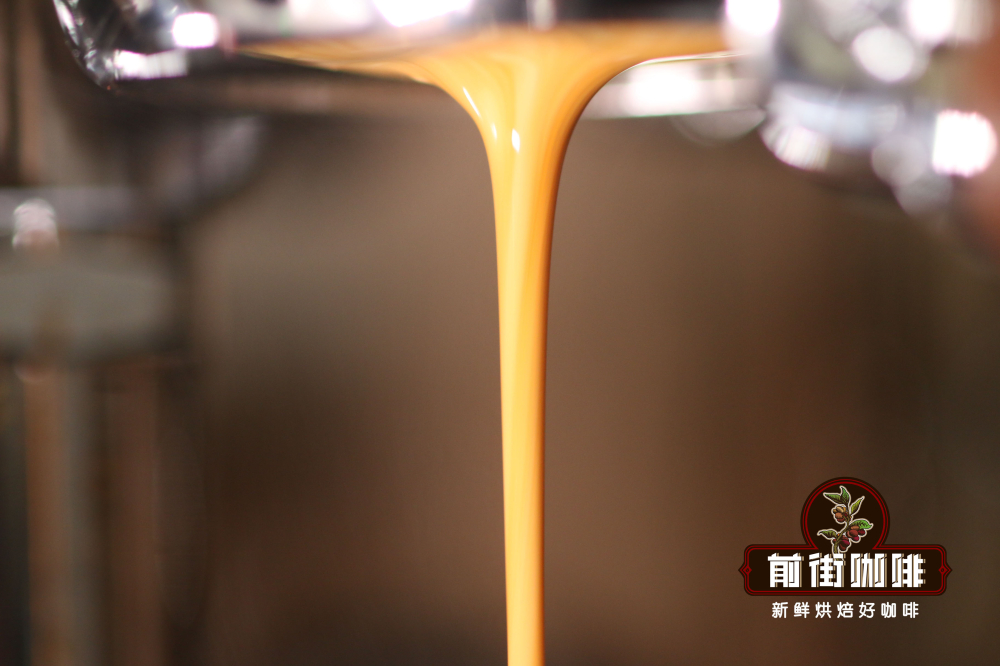
Espresso is hailed as the soul foundation of coffee beverages. A high-quality espresso should display a thick layer of reddish-brown crema with a fine, tiger-striped texture, free from any holes or liquid seepage. Upon tasting, the balance between acidity, sweetness, and slight bitterness reaches an optimal level. The mouthfeel is intense yet smooth without grittiness, and the finish offers a distinct aftertaste with lingering sweetness that can be felt on both the throat and tongue.
Ideal espresso is not only the pinnacle of single-origin enjoyment but also the soul of classic drinks such as lattes and cappuccinos. Many customers at cafés may not realize that their latte is actually based on this small shot of concentrated espresso. Therefore, understanding the essence of espresso is the first step into the world of professional coffee.

Espresso is made by forcing nearly boiling water under high pressure through a tightly compacted puck of finely ground coffee in an extremely short time, extracting a small but highly concentrated coffee liquid. This method originated in 19th-century Italy, where technicians used steam pressure to significantly improve extraction efficiency so that busy urban dwellers could quickly enjoy a strong cup of coffee—eventually evolving into the familiar espresso we know today.
Compared to traditional drip or immersion brewing, the espresso extraction environment is far more extreme: high water temperature, high pressure, and very fine grind size cause the acids, sweetness, and bitter compounds in coffee to be released instantly, forming a complex and layered flavor profile in the cup. For this reason, selecting the right blend for espresso is crucial.
In early Italy, consumer preferences for espresso flavors varied due to different lifestyles. Generally, those with higher disposable income preferred blends with balanced acidity and sweetness and lower bitterness, while those seeking stronger flavors accepted a higher proportion of Robusta beans for more intense bitterness and richness. However, with the rise of specialty coffee culture, modern Italian-style blends have gradually moved away from rigid flavor profiles, placing greater emphasis on stable performance and complexity.
Traditional espresso usually employs very dark roasts and blends in a certain proportion of Robusta beans, resulting in a strong, smoky aroma and heavy body, ideal for sipping slowly and savoring. However, with advancements in modern roasting techniques and green bean quality, more consumers are shifting toward espressos with more delicate flavors and brighter acidity and sweetness.
For example, blends based on honey-processed Costa Rican Tarrazú and Ethiopian beans, combined with some Colombian beans, can deliver low astringency and soft fruity acidity. The resulting crema is rich and has a clear texture, and the cup offers a sweet, gummy-like note reminiscent of strawberry candy—perfect for those who enjoy floral and fruity profiles. Such blends are suitable not only for single-origin espresso but also as a top choice for making lattes or cappuccinos at home or in small cafés.
If you prefer a rich and classic bold flavor, then medium-dark roasted commercial-grade blends are a reliable option. These blends typically combine beans from Brazil, Colombia, and Vietnam, emphasizing roasted aromas and a full-bodied mouthfeel, making them ideal for milk-based coffee drinks. Whether used as the base for Americano or paired with fresh milk for lattes, they offer a silky velvet texture and long-lasting aftertaste.
To make a professional-grade espresso, precise control over multiple parameters is required: it is recommended to use a double basket, with about 18 to 20 grams of coffee grounds. The extraction ratio should be set at 1:2, meaning 20 grams of coffee grounds yield 40 grams of coffee liquid. The extraction time generally falls between 20 to 35 seconds, with the ideal window being 28 to 30 seconds. Too short may result in under-extraction and weak flavors, while too long can lead to over-extraction and a burnt, bitter taste.
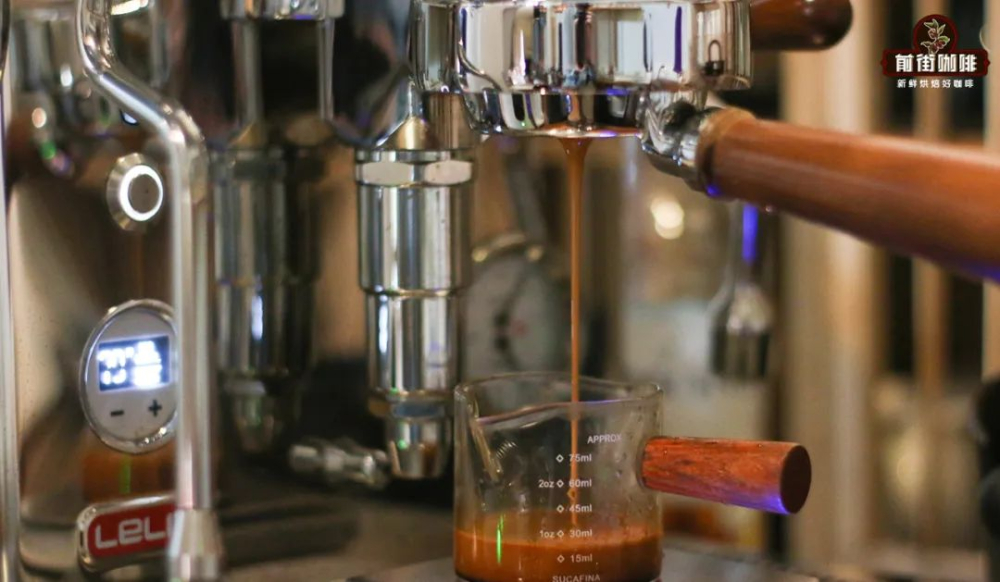
Before actual brewing, ensure the portafilter basket is dry, and grind the coffee beans to a fine consistency suitable for espresso using a grinder. After precisely weighing the coffee dose, distribute it evenly with a distribution tool, then apply vertical pressure using a tamper to ensure consistent puck density. Next, run water for 1 to 2 seconds to wet the brew head, remove any residual coffee grounds, and preheat the extraction system. Place the cup on the scale and tare it, then securely attach the portafilter and start the extraction.
Observe the flow rate and color changes of the liquid during extraction. When approximately 40 grams of coffee liquid have been extracted within around 30 seconds, stop the process. Be aware that daily humidity, ambient temperature, and bean freshness can all affect extraction performance, so it’s recommended to fine-tune the dose, grind setting, and extraction time based on real conditions to maintain a stable flavor output.
The finished espresso can be enjoyed directly. Drinking a glass of water afterward helps reset your palate, allowing you to better perceive the crema layers and deep, rich undertones. If you’re not accustomed to strong bitterness, you can adjust to your taste by adding hot water for an Americano or mixing with milk to make variations like lattes or cappuccinos.
For consumers who enjoy cold drinks, try combining a double shot of espresso with ice cubes and cold water to make an iced Americano. For example, in a 300-milliliter cup, first add 90 grams of ice cubes and 180 milliliters of cold water, then slowly pour in 40 milliliters of espresso, stir gently, and enjoy. This method highlights the floral and berry notes of the espresso while delivering a refreshing acidity with hints of orange and raisin, making it especially suitable for hot summer days—cool, smooth, and energizing.
The above content is compiled by CoffeeHunters, a coffee news website.


