







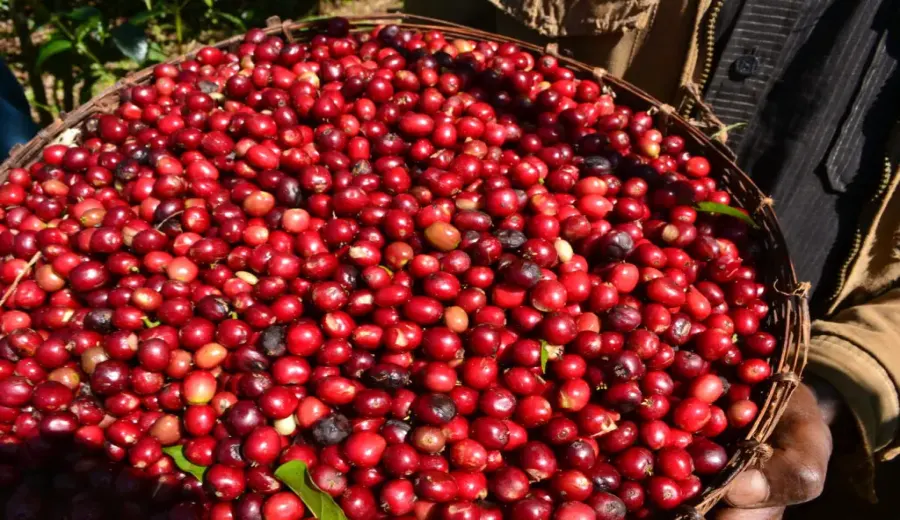
Introduction:This article provides an in-depth analysis of the natural-process coffee beans from the Gedeb Cooperative in Yirgacheffe, Ethiopia, covering regional background, processing method variations, varietal characteristics, as well as professional roasting profiles and pour-over parameters. From floral and fruity aromas to rich body, it helps you fully grasp the unique charm of this G1-grade specialty bean.
Yirgacheffe is not only one of Ethiopia’s most representative specialty coffee regions but also a global flavor destination for coffee enthusiasts. The Gedeb Cooperative, located in the Gedeb zone, boasts richly layered beans thanks to its unique natural processing method and high-altitude cultivation environment. Using a certain brand’s sourced Gedeb natural beans as an example, this article takes you through a comprehensive knowledge system, from regional history to brewing practice.
The Regional Origins of Yirgacheffe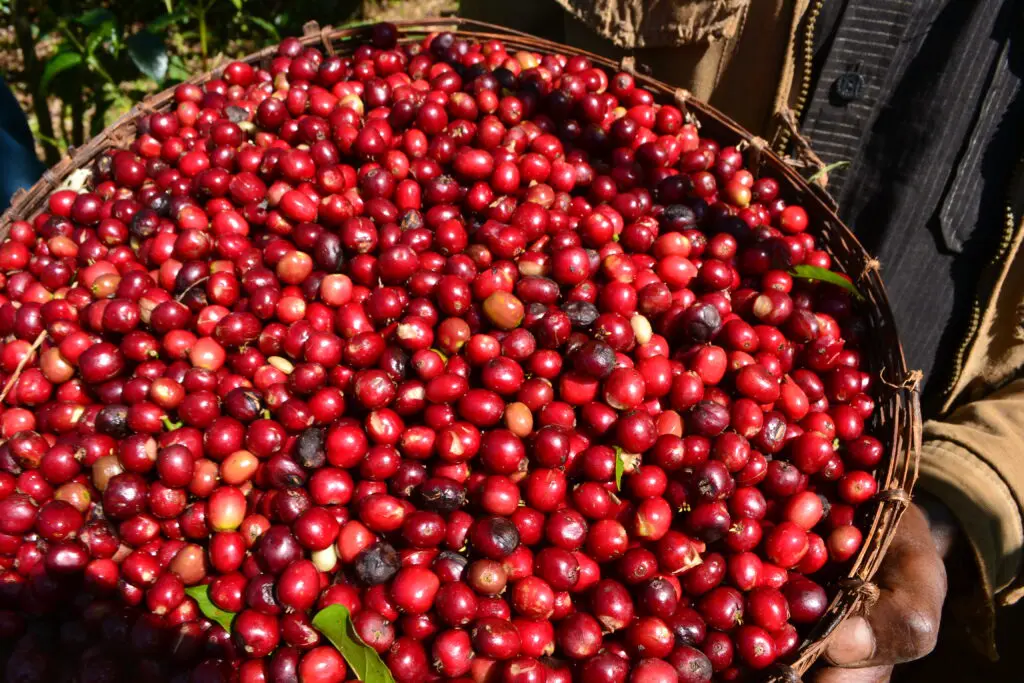
This small town, part of Ethiopia’s Sidama Region, got its name from the local wetland landscape (“Yirga” means settle, “Cheffe” means wetland). With a cool climate at altitudes of 1700–2100 meters and a farmyard-style planting model by farmers, it produces beans with signature bright acidity and floral notes. Notably, the region was independently designated in the late 20th century due to its distinctive flavors, becoming a benchmark in the specialty coffee market.
The Rise of the Gedeb Micro-Region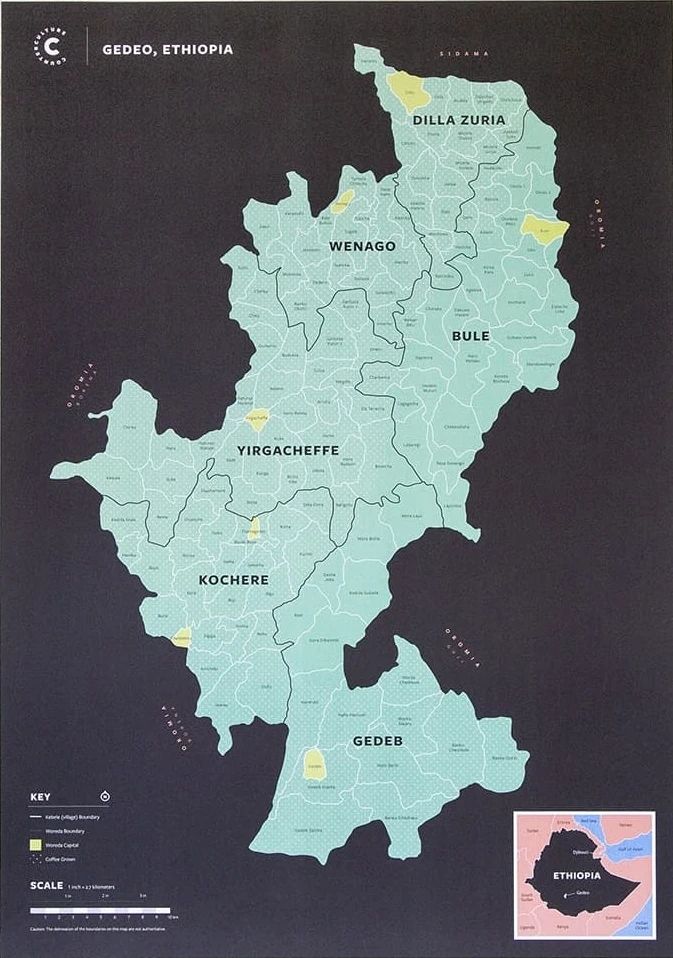
Located 60 kilometers from Yirgacheffe town, Gedeb (elevation 1900–2200 meters) belongs to the Wolkite wereda of the Kochere administrative zone. Although the ECX auction system once classified it under Kochere, the industry widely recognizes its independent micro-region status. The Wolkite zone, where the Gedeb Cooperative is located, is one of Gedeb’s most representative coffee-producing areas.
The Development of the Gedeb Cooperative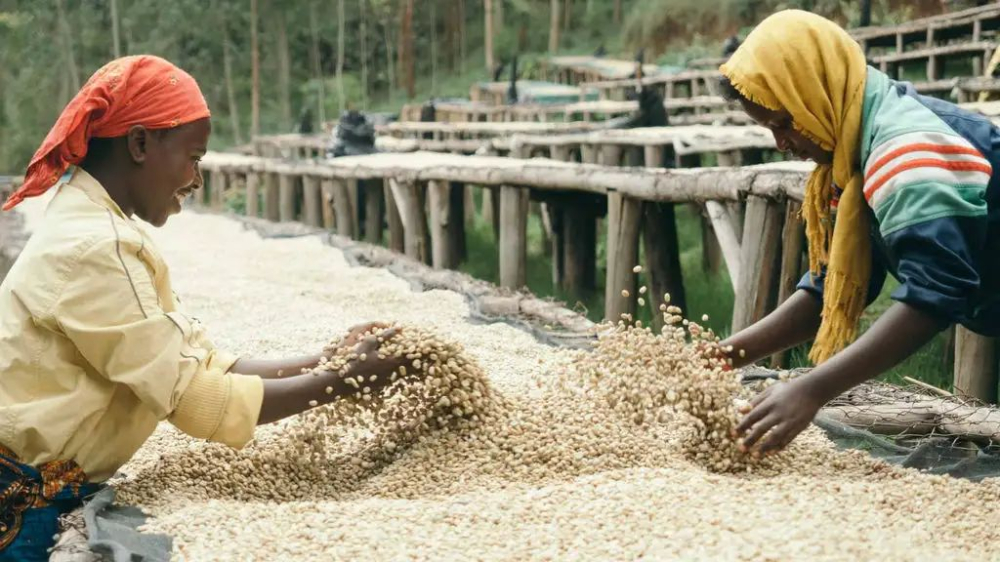
The Gedeb Cooperative, which split from the Yirgacheffe Union in 2012, consists of more than 300 smallholder farmers and adheres to traditional washed and natural processing methods. Against the backdrop of ECX system reforms (starting in 2018, private processing plants were allowed to export directly), such high-quality cooperatives have gained favor in the international specialty coffee market by improving traceability transparency.
Processing Methods and Varietal Characteristics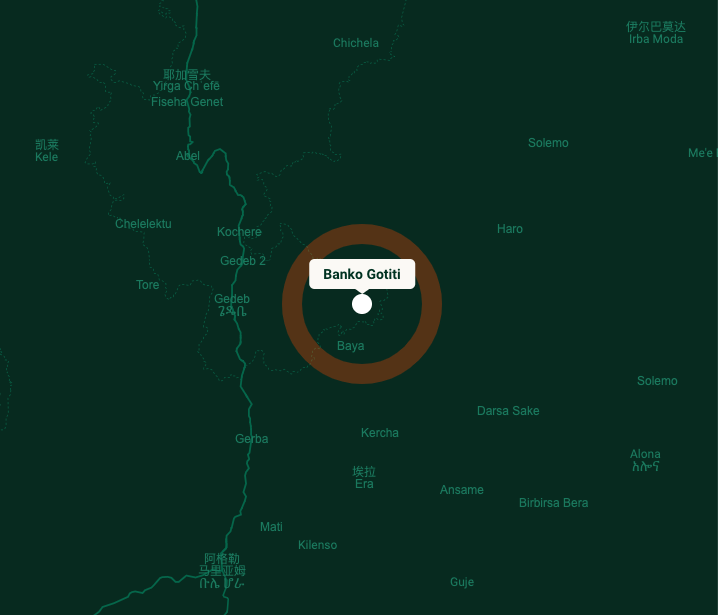
• Natural process: Fully preserves the fruit fermentation process, enhancing tropical fruit and honey flavors
• Heirloom: A cluster of wild Ethiopian varieties, comprising nearly 2000 unclassified strains
• Washed comparison: Offers clearer citrus notes through depulped fermentation, but Gedeb natural beans feature more pronounced rich layers
Professional Roasting Parameters
Using a Yangjia 800N roaster (300g capacity):
- Charge temperature 175°C, airflow 3 / heat 120
- At 1’32”, when temperature returns to 140°C, adjust airflow to 4
- At 166°C, reduce heat to 100; at 176°C, reduce to 80
- At 8’28”, first crack signs appear; at 9’38”, first crack begins and develops for 90 seconds
- Final drum temperature 193.5°C, Agtron bean color 74.6 / parchment 79.8, Delta value 5.2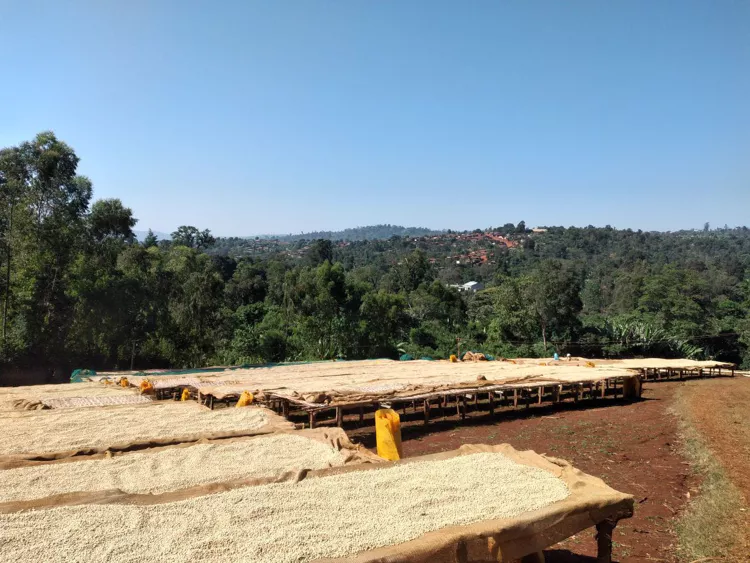
Pour-Over Brewing Guide
Recommended brewer: Hario V60
- Dose: 15g | Water temp: 91°C | Brew ratio: 1:15
- Grind size: 80% passing through China Standard #20 sieve (medium-fine)
- Steps:
1. Bloom with 34g water for 36 seconds
2. Pour in small circles to reach 120g (first pour)
3. Continue pouring to total 229g
4. Total extraction time: 2 minutes
Flavor Profile: Tropical fruit foundation with creamy texture, long-lasting citrusy sweet-and-sour finish. The light roast profile at 195°C perfectly balances floral-fruity notes with body.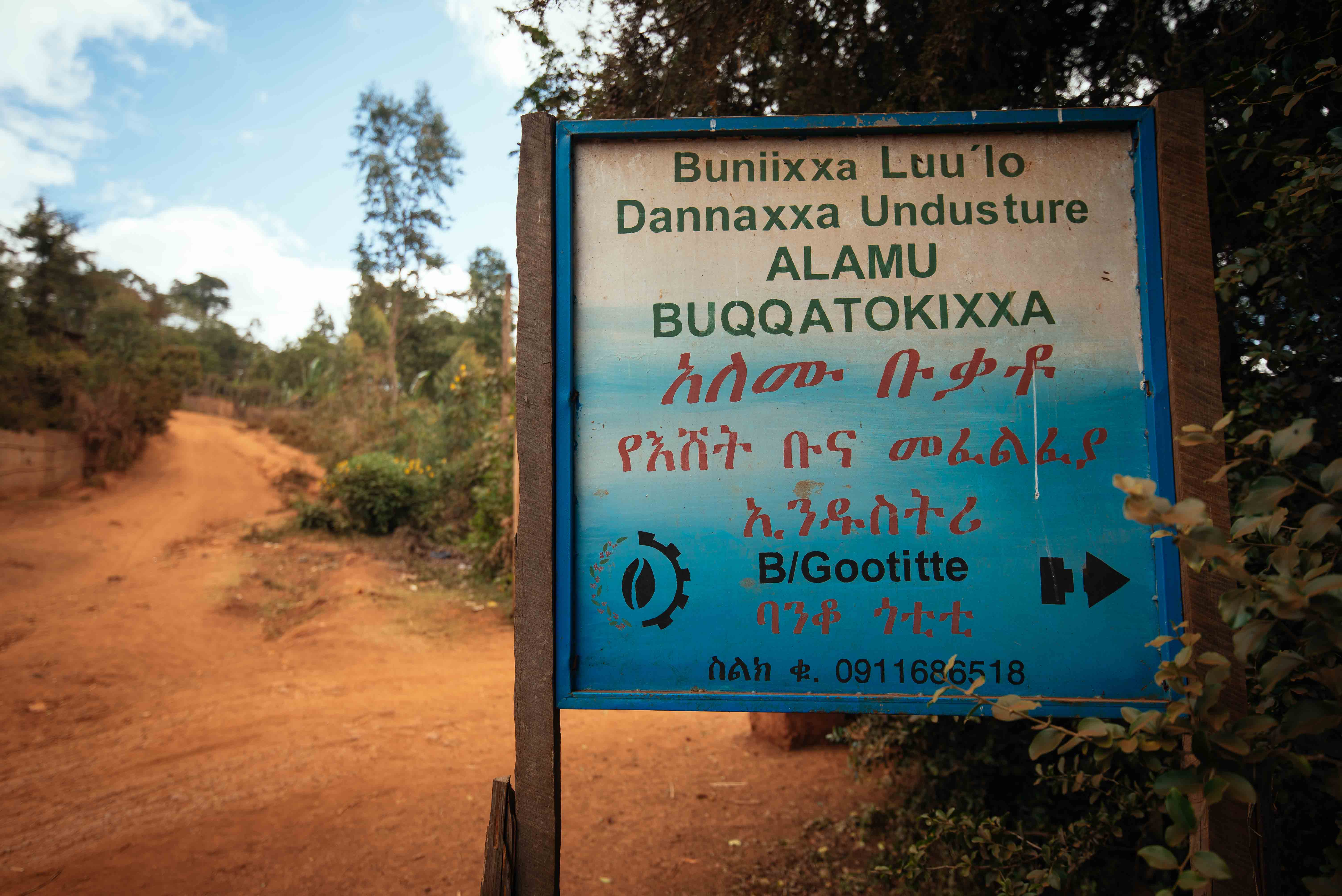
The above content is compiled by CoffeeHunters, a coffee news website.


