








Introduction:The world’s three major specialty coffee regions—Africa, Asia, and the Americas—produce distinct flavor profiles due to differences in geology, climate, and cultivation methods. This article delves into the unique flavor characteristics of each major producing country and region, from Ethiopia’s floral and citrus notes to Indonesia’s earthy and herbal aromas, and the rich fruitiness of Central and South America. It helps you find the coffee beans that best suit your taste preferences, enhancing your pour over or brewing experience.
Even beans from the same coffee farm can exhibit subtle differences depending on the plot of land, let alone the striking flavor contrasts between international regions. The three major specialty coffee regions—Asia, Africa, and the Americas—boast distinctly different regional characteristics due to variations in geography, climate, and processing methods. For example, Ethiopian coffee is renowned for its unique floral and citrus notes, while Asian regions often feature fuller-bodied and richer flavors. These differences not only shape the flavor profile of the coffee but also directly influence brewing parameters and flavor expression.
The world’s major specialty coffee-producing countries are primarily concentrated in these three regions. Africa is represented by Ethiopia and Kenya, known for their bright acidity and complex fruity and floral notes; Asia, including Indonesia and Vietnam, excels in low acidity, richness, and unique processing methods; and the Americas—countries such as Costa Rica, Panama, and Guatemala—are celebrated for their balanced body, rich flavors, and clear fruit notes. Understanding the characteristics of these regions helps you make more informed choices when selecting coffee beans, whether you prefer the bright acidity of pour over coffee or the bold, sweet finish of espresso-based drinks.
[African Regions: Floral, Fruity Notes & Bright Acidity]
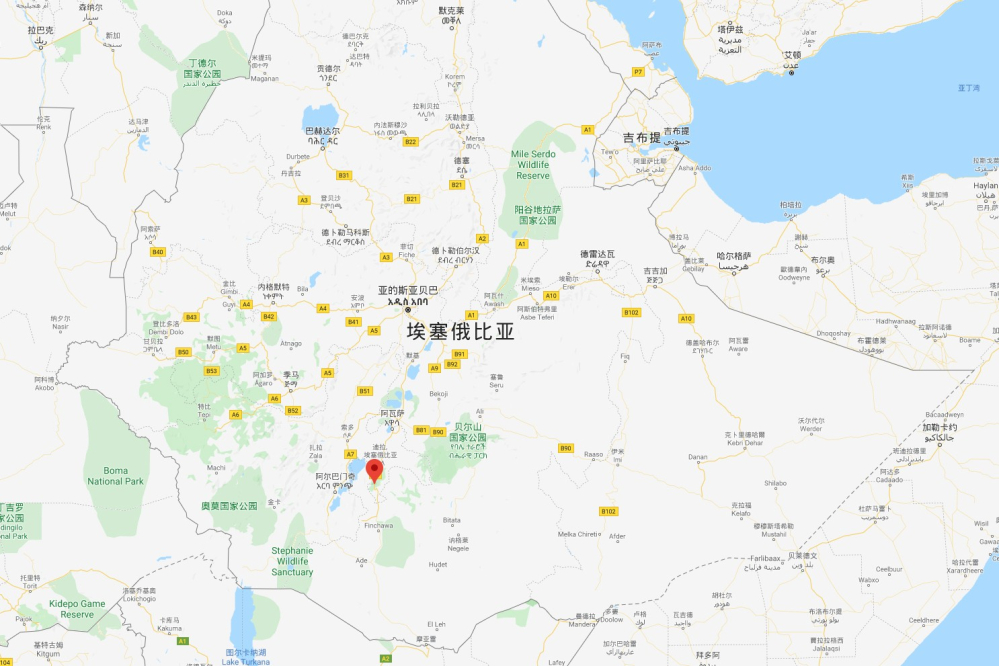
As one of the birthplaces of coffee, Ethiopia boasts an exceptionally diverse range of micro-regions, such as Yirgacheffe, Sidamo, and Harrar, each with its own unique flavor expression.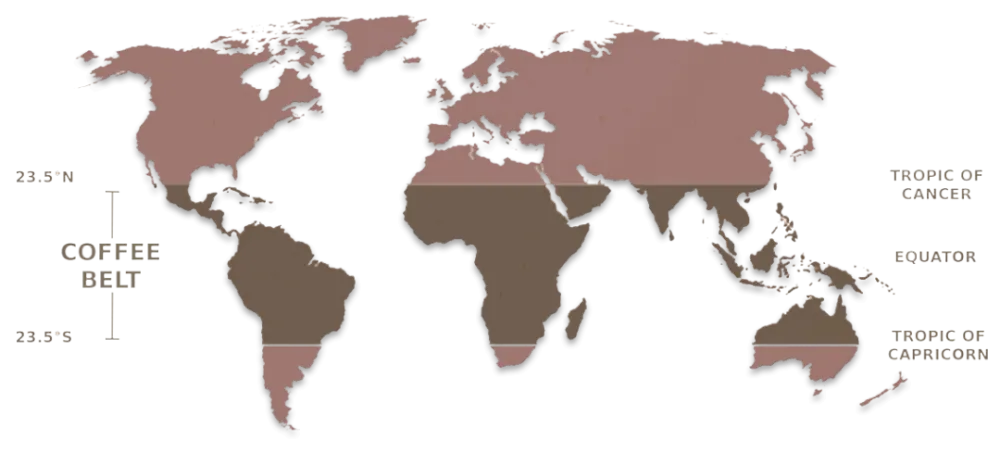 Yirgacheffe is famous for its light citrus and lemon tones paired with elegant floral notes. It often has a honey-like sweetness and a tea-like aftertaste, making it ideal for coffee lovers who enjoy bright acidity. Sidamo showcases even richer floral and fruity aromas, such as grapes and various tropical fruits, with bright acidity and a subtle lime note, sometimes even emitting peach-like scents as it cools.Harrar Regionfeatures intense jasmine floral notes, occasionally accompanied by mild fermented undertones, resulting in a richly layered flavor profile.
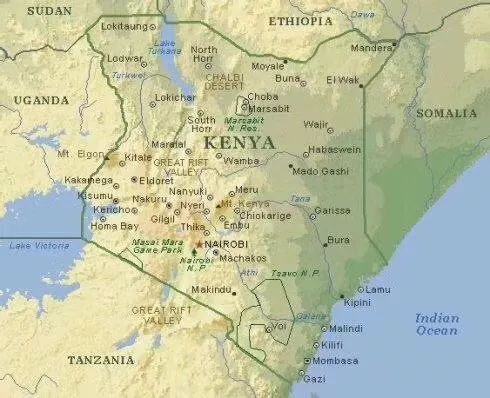
Kenyan coffee is known for its strong fruit acidity and rich aroma, commonly featuring varieties such as Bourbon, Typica, and SL28. Most plantations are located in the southwestern highlands.Kenya AA Little Tomatois a classic representative, with intense acidity and wine-like notes, often showcasing citrus and berry flavors. It’s well-suited for those who enjoy a balance of acidity and sweetness. Other regions, such as Nyeri with its blackberry and fruity notes, or Kirinyaga with its bright acidity and sweetness, also offer unique profiles.
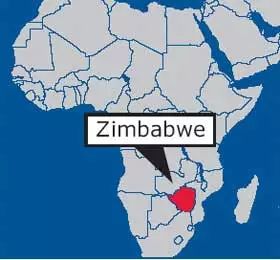
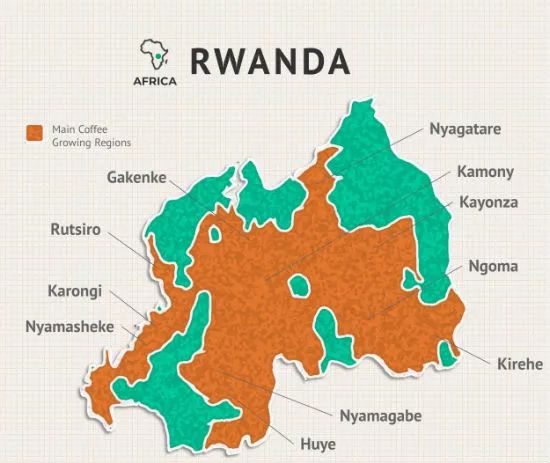
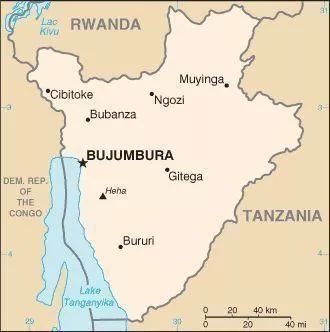
Other African regions such as Zimbabwe, Malawi, Rwanda, and Burundi also present distinctive regional flavors. Zimbabwean coffee features rich acidity and fruitiness, similar to Kenya but with a more wine-like aroma; Malawi is known for its citrus, honey, and gentle acidity; while Rwandan and Burundian coffees often exhibit floral, citrus, and nutty notes, appealing to consumers who prefer mild acidity and a full-bodied finish.
[Asian Regions: Low Acidity, Full Body & Unique Processing Methods]
Asian-region coffees are primarily characterized by low acidity, richness, and unique processing methods. Vietnam is the world’s largest producer of Robusta, with beans often used in instant coffee or three-in-one blends. Its flavor is bold and bitter, suiting those who prefer stronger tastes.
Indian coffee is represented by Monsooned Malabar, which undergoes special processing during the monsoon season, resulting in a smooth yet spicy profile suited for those who enjoy intense flavors. Indonesia’s Sulawesi and Kopi Luwak (civet coffee) showcase rich sweetness and unique textures. The latter, rare and processed in a special way, is expensive and limited in market availability.
[Americas Regions: Balanced Fruitiness & Diverse Flavors]
Central American countries such as Guatemala, Costa Rica, and Panama are paradises for specialty coffee enthusiasts. Guatemala’s Antigua and Huehuetenango regions display complex aromas of tobacco, chocolate, and tropical fruits;Costa Rica’s Tarrazú regionis known for its ideal acidity, fruity notes, and chocolate undertones, making it suitable for pour over and drip brewing. Panama’s Hacienda La Esmeralda Geisha coffee is globally renowned, offering an exceptional balance of oolong tea, peach, and honey flavors with bright acidity and rich layers.
In South America, Peruvian coffee is prized for its organic cultivation and balanced flavor, making it great for blending. Colombian coffee is widely loved for its rich fruitiness and moderate acidity. Brazil, the world’s largest coffee producer, mostly grows coffee at medium to low altitudes, resulting in full-bodied flavors often with nutty and chocolate notes, ideal for espresso and milk-based coffee bases.
No matter which flavor profile you prefer, understanding the characteristics of each region helps you select coffee beans more precisely and adjust grind size and water temperature according to your brewing method, fully highlighting the unique charm of each coffee.



The above content is compiled by CoffeeHunters, a coffee news website.


