







Introduction:Golden Mandheling is highly praised among coffee enthusiasts for its rich, silky body and low earthy flavors, but how much do you know about the characteristics of its producing region, the coffee variety, and the wet-hulling processing method behind it? This article takes an in-depth look at the Ateng variety coffee from the Gayo Mountain region of Aceh, Sumatra, produced by PWN. From altitude and processing methods to pour over techniques, it helps you master the key points of brewing and evaluating this classic Indonesian bean.
For coffee drinkers who prefer a bold and rich flavor, Indonesian Mandheling has always been a classic choice. However, many commercially available Mandheling coffees often carry noticeable earthy off-flavors that can be off-putting. In contrast, PWN’s Golden Mandheling is distinctly different—it wins the hearts of many coffee lovers with its chocolate-like, silky richness, long-lasting aftertaste, and clean flavor profile. This article will take you through the producing region background, variety characteristics, wet-hulling process, and all the way to optimal roasting and pour over extraction strategies to fully analyze this highly regarded Sumatran coffee.
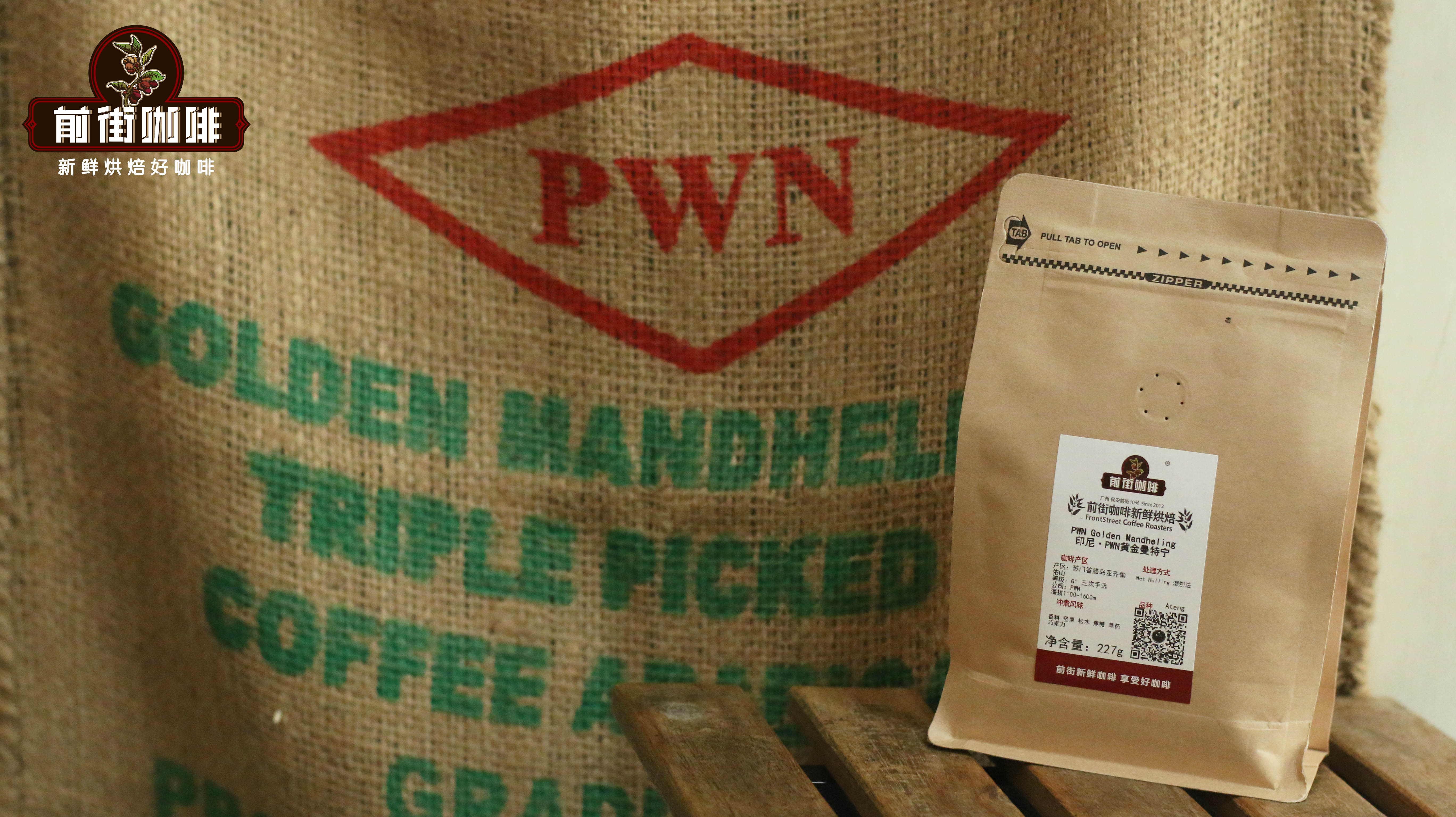
Most of the PWN Golden Mandheling currently on the market comes from the Gayo Mountain region of Aceh in Sumatra, Indonesia, with altitudes ranging approximately between 1,100 and 1,600 meters, representing a typical high-altitude Arabica growing environment. The coffee variety used in this batch of Golden Mandheling is Ateng, which is the local term for Catimor—a hybrid of Robusta and Arabica known for its high yield and disease resistance. Although its flavor complexity may not match that of pure Arabica, with proper processing and careful selection, it can still reveal captivating flavor potential.
One of the most well-known characteristics of Indonesian coffee is its unique wet-hulling process (Giling Basah). This technique originated in Sumatra’s humid and rainy environment, where traditional washed or sun-dried methods are difficult to implement. As a result, farmers developed a method of partially hulling the fermented parchment beans before continuing the drying process. This not only shortens the drying time but also unexpectedly gives the coffee beans intense herbal, spicy, and woody tones. During the wet-hulling process, since mechanical abrasion begins while the beans still have high moisture content after hulling, it results in a denser bean structure, contributing to the distinctive boldness and low acidity of Indonesian Mandheling.
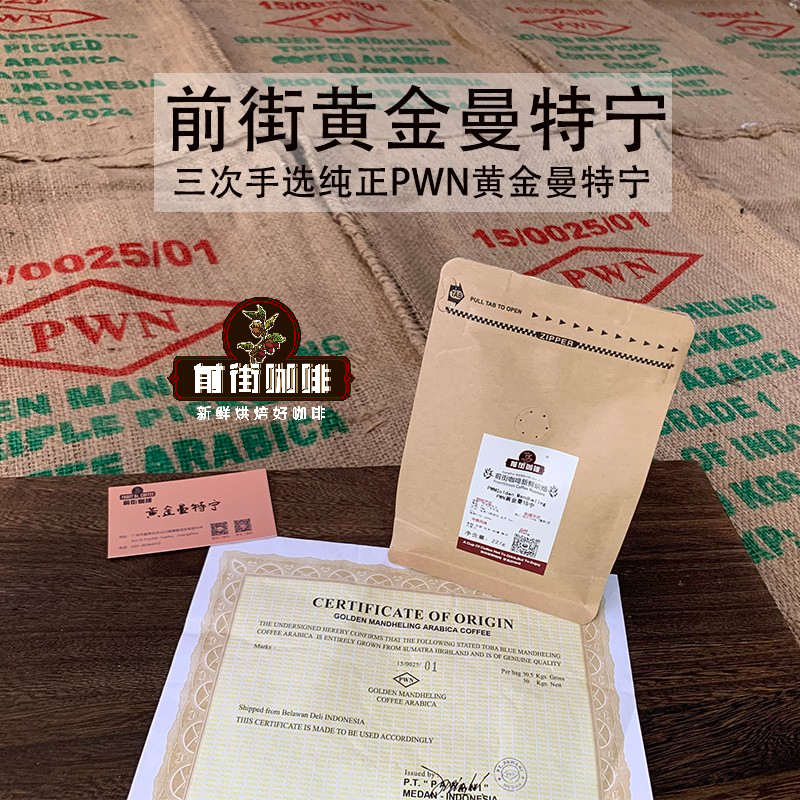
The origin of the name “Golden Mandheling” is said to come from early Japanese buyers who gave this beloved nickname to green beans that gleamed with a golden luster under the sunlight after multiple rounds of manual sorting. “PWN” stands for N.V. Pawani Medan company, a renowned coffee exporter headquartered in Medan and run by a Chinese-Indonesian family. Since 1957, it has been dedicated to promoting premium Sumatran coffee internationally, especially to Japan. PWN’s Golden Mandheling undergoes extremely strict green bean selection, requiring at least three rounds of manual sorting and one round of mechanical sorting to ensure each bean is uniform in appearance and has an extremely low defect rate—this is also a key reason for its clean and consistent flavor.
Regarding the producing region, PWN’s Golden Mandheling this year has shifted to the Gayo Mountain in the northernmost part of Sumatra. This area was previously difficult to export due to political factors, but in recent years, with the stabilization of the situation, the local coffee agriculture has gradually revived, and the produced coffee even surpasses the traditional Lintong region in terms of aroma and richness. The Takegon town and the hillsides around Lake Tawar are the main sources of this batch of coffee beans, grown at altitudes maintained between 1,100 and 1,600 meters, with climatic conditions suitable for cultivating coffee beans with concentrated and layered flavors.
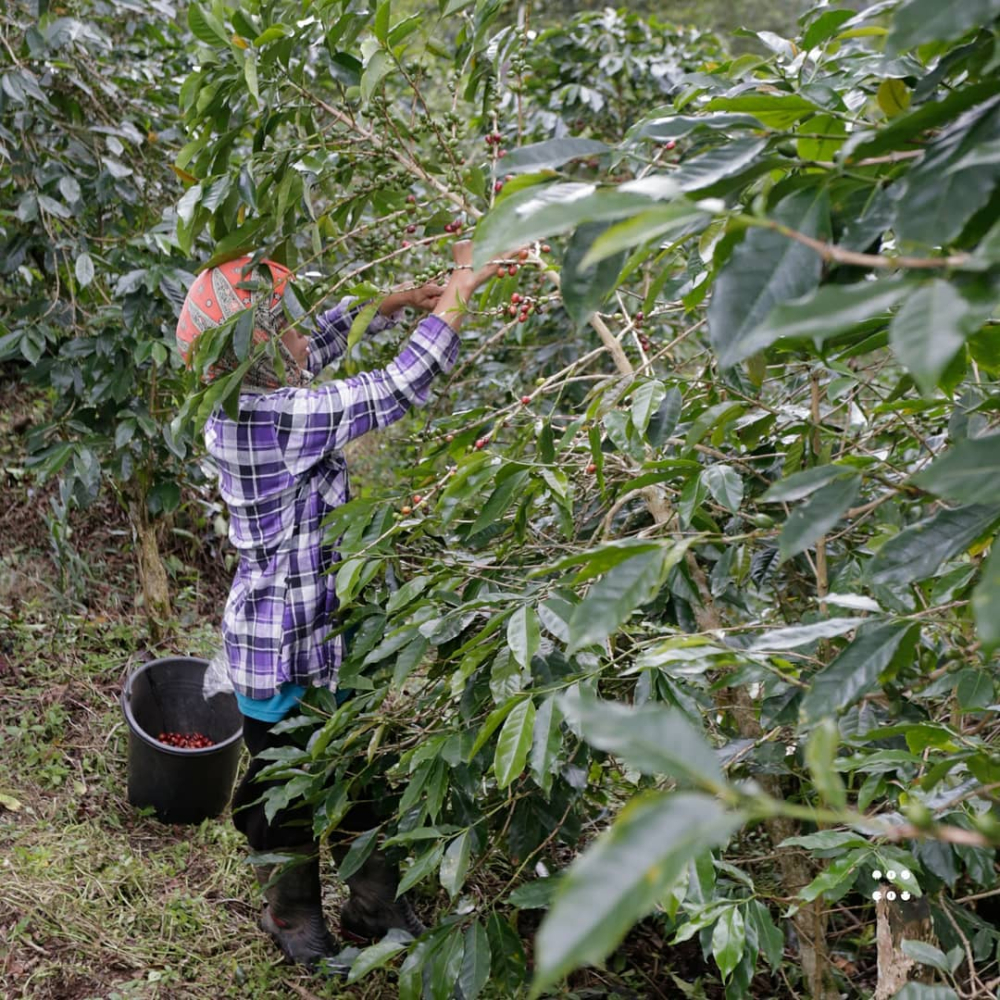
In terms of processing, PWN Golden Mandheling follows the traditional Indonesian wet-hulling method but with stricter quality control. First, farmers only harvest fully red, ripe coffee cherries during the harvest seasons from March to May and September to December each year, ensuring consistent fruit ripeness. Next, the cherries are sent to depulping workshops to remove the pulp, resulting in mucilage-covered parchment coffee beans, which then undergo fermentation for 12 to 36 hours to reduce impurities and undesirable flavors. After fermentation, the beans are initially sun-dried until the moisture content drops to 35–40%, then moved to the processing facility for hulling. At this point, the beans still contain about 15% moisture and need to be further dried down to around 14%, while also undergoing machine and hand sorting to ensure the final green beans are pure and flawless.
In terms of roasting performance, PWN Golden Mandheling exhibits rich caramel sweetness, herbal and spicy notes, along with the aftertaste of roasted toast and nuts. Roasters are advised to finish roasting just before the second crack to preserve its bright sweetness and clear layering, while effectively controlling the potential off-flavors that might arise from over-development. A reference roasting curve is as follows: start at 200°C with the air vent set to 3, adjust the heat to 160°C after 1 minute, around 4 minutes and 40 seconds when the bean surface turns yellow and the grassy notes fade, then gradually adjust the air vent and heat. At 9 minutes and 54 seconds when the first crack begins, continue observing the sound changes, and finally finish roasting at 204.5°C.
As for pour over recommendations, to highlight its rich, clean, and aromatic characteristics, it is recommended to use a KONO filter cone with medium-dark roasted beans. The grind size is suggested to be medium-coarse, with a 1:15 coffee-to-water ratio being ideal—use 15 grams of coffee and 225 milliliters of water, with water temperature controlled at 88°C. The first step is to pour 30 grams of water for a 30-second bloom to help the coffee grounds expand; next, pour 120 grams of water in a circular motion from the center outward, keeping the movement steady to avoid excessive agitation; finally, pour the remaining 100 grams of water and wait for all the coffee liquid to drip through, with a total extraction time of about 2 minutes. This method helps balance the rich body and clear flavor profile, allowing you to fully appreciate the unique charm of this Golden Mandheling.
The above content is compiled by CoffeeHunters, a coffee news website.


