







Introduction:To consistently extract high-quality espresso at home or in a café, aside from the performance of your espresso machine, selecting the right coffee beans and mastering the correct parameters are key. This article provides an in-depth analysis of five espresso blends suitable for both home and shop use, including their blend compositions, flavor profiles, and ideal usage scenarios. It also details core parameter settings such as dose, brew ratio, grind size, and extraction time, offering practical workflows to help readers easily replicate professional-grade espresso.
To make a well-balanced and layered espresso, the first priority is choosing the right coffee beans, followed by precise control of extraction conditions. Even with the same machine, the characteristics of different beans can significantly affect the final flavor. This article starts with coffee bean selection, introducing five blends specifically designed for espresso machines—Classic, Strawberry Candy, Premium, Commercial, and Basic series. Each blend’s ratio and unique flavor are explained, along with a systematic breakdown of key extraction parameters such as dose, brew ratio, grind fineness, and extraction time. Practical advice and step-by-step instructions are also provided to help coffee enthusiasts more reliably recreate their ideal espresso.
Since the performance of each espresso machine and grinder varies slightly, and factors like roast level, freshness, and storage condition of the beans also differ, there is no single “universal” set of values that guarantees a perfect shot every time. The real key lies in understanding how each parameter affects extraction results, and through testing and adjustments, finding the combination that works best for your equipment and taste preferences.
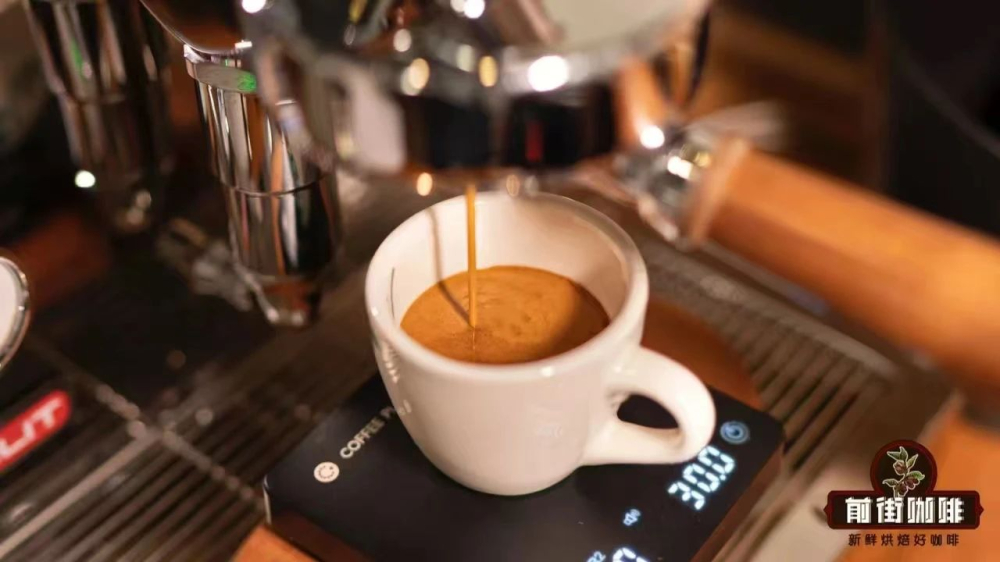
When using extremely finely ground coffee, combined with water heated to around 94°C, and passed through the coffee puck under 9 to 10 bars of pressure, ideal espresso will flow smoothly from the portafilter like honey, with color transitioning from deep red-brown to light golden-yellow. Once extracted, a fine layer of golden crema forms on the surface, created by the emulsification of carbon dioxide and oils from the coffee under a vacuum. This not only gives espresso its signature appearance but also directly impacts the richness and lingering quality of the flavor.
The overall flavor profile of espresso is primarily determined by the coffee beans used. It is recommended that consumers prioritize products from reputable roasters to ensure consistent bean quality and freshness.
Below are five espresso blends specifically crafted for espresso extraction, catering to different needs and flavor preferences:
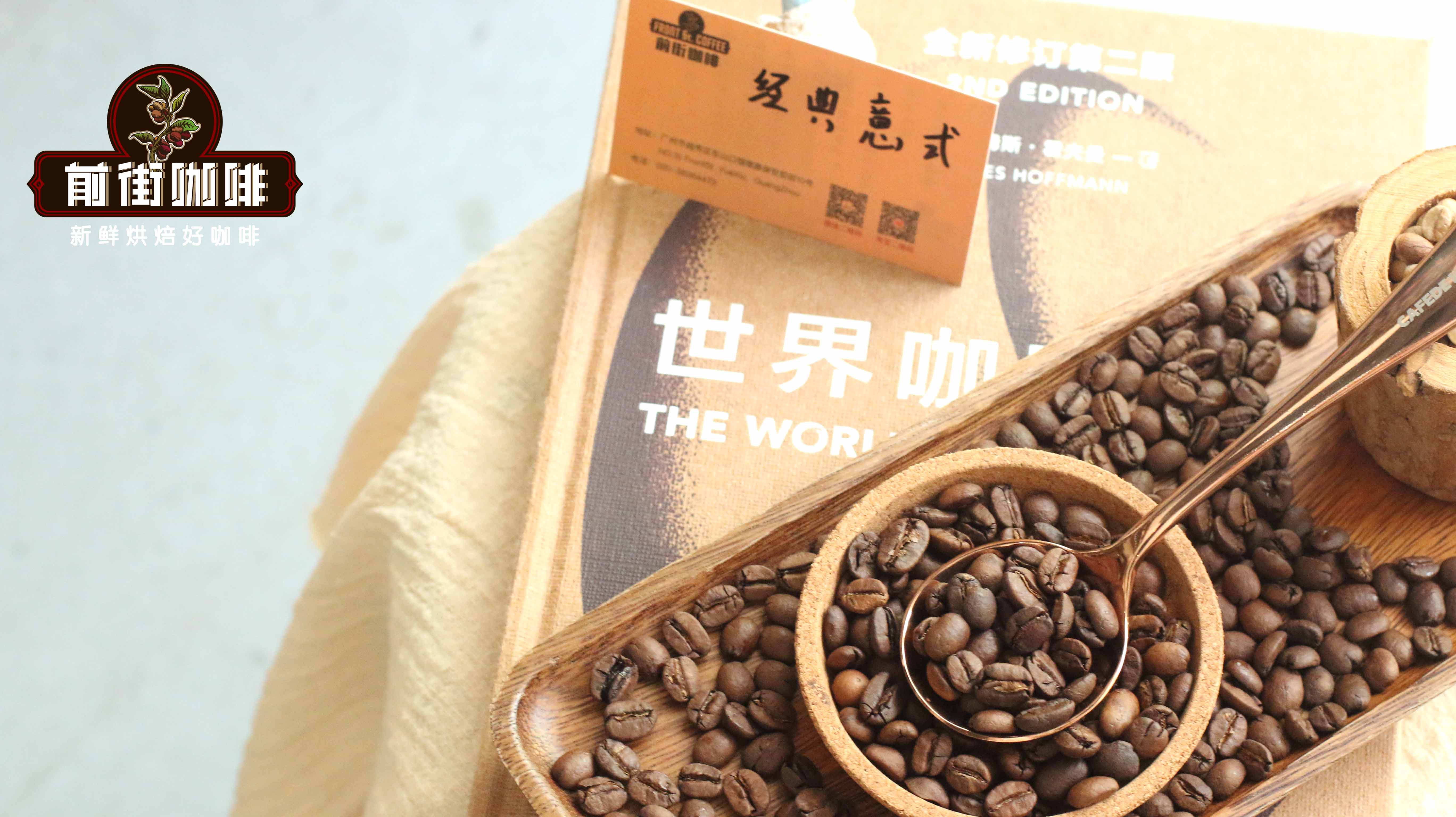
(1) A Classic Espresso Blend: Composed of Brazilian, Mandheling, and Vietnamese beans, this blend adds a moderate amount of Robusta to the traditional Mocha-Java formula, significantly enhancing crema and body richness. It is suitable for home use and also makes latte art on milk-based drinks like lattes more pronounced. The flavor profile centers around dark chocolate, butter, caramel, and hazelnut cookies, with a full-bodied mouthfeel and noticeable aftertaste.
(2) A Strawberry Candy Espresso Blend: Combining beans from Costa Rica, Colombia, and Ethiopia,its flavor features bright fruitiness and soft strawberry taffy notes,with tasting notes of berries, cream, and raisins on the palate, and a clean, lightly fragrant finish. It is highly suitable for making Americanos or lattes, and ideal for those who prefer a refreshing taste.
(3) A Premium Espresso Blend: Blending Colombian and Brazilian beans, medium-dark roasted to achieve a comfortable balance of bitterness and sweetness. It has a smooth mouthfeel with subtle grassy notes, making it a stable choice for daily café offerings. The espresso version offers gentle acidity and nutty aftertaste, with moderate crema, suitable for users seeking balanced flavors.
(4) A Commercial Espresso Blend: Combining Colombian, Brazilian, and Robusta beans, the inclusion of Robusta results in richer crema in the espresso. The overall flavor is bold and full-bodied, with a sweet-sour balance and slight bitterness, and a long-lasting finish. Its flavor profile is dominated by caramel sweetness, nuts, cocoa, and dark chocolate. It is suitable for shop use or high-volume home brewing.
(5) A Basic Espresso Blend: Made from Yunnan and Brazilian beans, its flavor is relatively mild, featuring soft acidity, caramel sweetness, and notes of nuts and dark chocolate. It has a smooth mouthfeel but is generally lighter in expression, suitable for users with budget constraints or lower demand for flavor complexity. It offers excellent cost-performance.
Next, let’s explore several core parameters that influence the taste of espresso. Aside from water temperature and pressure, which are usually preset by the machine, most users can focus on variables such as dose, brew ratio, extraction time, and grind size—all of which directly impact extraction efficiency and final flavor.
"Dose": Depending on the portafilter basket size, for a single shot (1 shot), it is recommended to use 10–11g of coffee, and for a double shot (2 shots), 19–20g.
"Brew Ratio": Common ranges are 1:1.5 to 1:2.5. Beginners are advised to start with 1:2—for example, extracting 40g of coffee liquid from 20g of coffee.
"Extraction Time": It is recommended to keep it between 20–30 seconds. Too short (under 20 seconds) often leads to thin, watery flavors, while over 30 seconds can result in burnt, bitter notes. Many cafés aim for around 28–30 seconds for a standard double shot.
"Grind Size": Grind settings vary greatly between grinders, so adjustments should be made based on actual extraction tests and taste evaluations. If the grind is too coarse, the flow rate is too fast, resulting in under-extraction; if too fine, the flow is slow, risking over-extraction and burnt flavors.
Finally, here is a practicalEspresso Extraction Workflow::
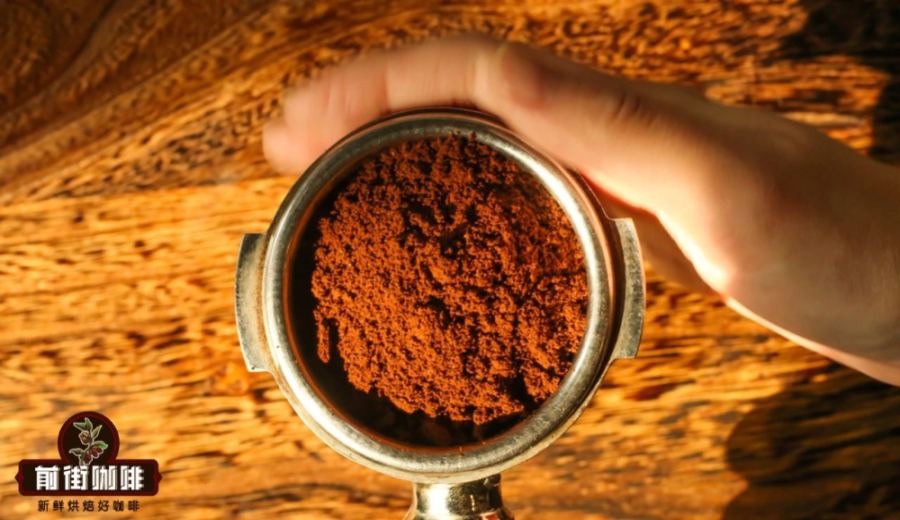
① Dosing: First, ensure the portafilter is dry, then start the grinder and catch the freshly ground coffee.
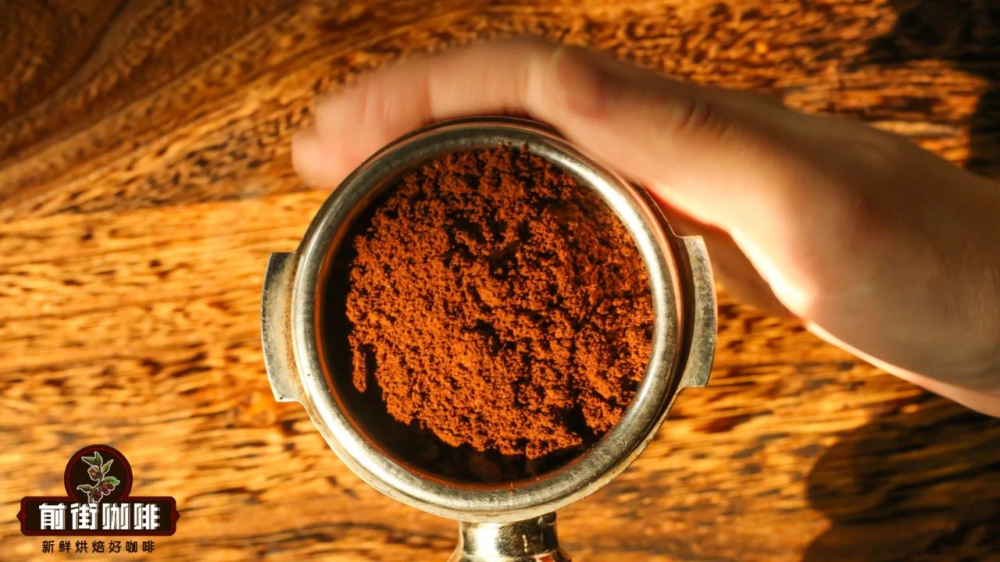
② Distribution & Tamping: Use a distribution tool to evenly spread the coffee grounds to avoid uneven density during tamping. Simply place the distributor flat and rotate it a few times.
③ Pre-Extraction Check: Before locking the portafilter into the group head, check that the tamp is level, there’s no leftover coffee around the basket, and pre-wet the group head. Ensure the portafilter is securely locked to prevent leaks.
④ Extraction: Press the extraction button quickly to avoid overheating the coffee bed. Around the 4th second, the coffee should begin flowing smoothly like honey, transitioning in color from red-brown to light gold. Once extracted, the surface will be covered with a fine layer of golden crema foam, formed by the emulsification of coffee oils and carbon dioxide—an essential contributor to espresso flavor.
The above content is compiled by CoffeeHunters, a coffee news website.


