








Introduction:If you want to easily brew rich, espresso-like coffee at home, the moka pot is an economical and practical choice. This article provides a detailed introduction to the principles, components, and correct operation procedures of the moka pot—from filling water and adding coffee grounds to controlling the heat—guiding you step by step through the key techniques. We also recommend two medium-to-dark roasted coffee beans suitable for moka pot extraction: Brazil Queen Estate and Colombian Huila, analyzing their regional characteristics and flavor profiles so you can enjoy a bold and captivating coffee experience with simple equipment.
For coffee enthusiasts on a budget who crave the rich taste of espresso at home, the moka pot is undoubtedly an affordable and easy-to-use ideal tool. Originating from Italy, it was invented by Alfonso Bialetti in 1933 and uses steam pressure generated by heating to extract coffee. Without the need for expensive professional machines, it can produce a flavor similar to espresso.
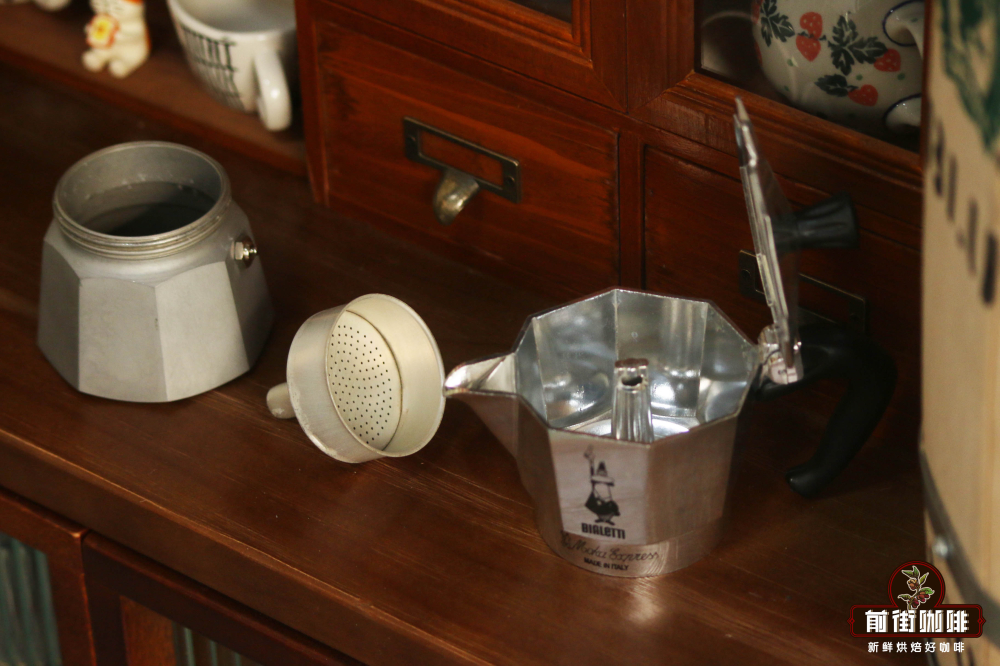
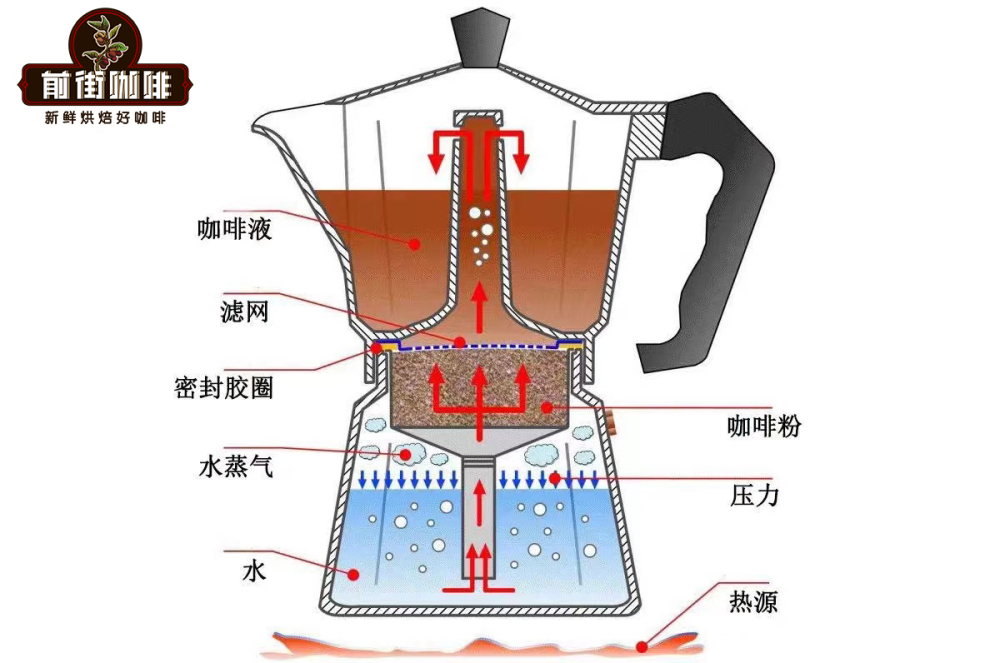
The moka pot mainly consists of three parts: the lower chamber holds the water, the middle filter basket contains finely ground coffee, and the upper chamber collects the brewed coffee. When the lower chamber is heated, the water turns into steam, creating enough pressure to push the hot water up through the coffee grounds, eventually collecting in the upper chamber and bringing out rich aroma and body. This method has a low learning curve and is suitable for beginners.

To successfully brew with a moka pot, you’ll need the following basic equipment: a moka pot, a gas stove or induction cooker, suitable coffee beans, and a grinder. A special reminder: the moka pot is sensitive to the heat source, so it’s recommended to use low to medium heat to control the heating speed and avoid over-extraction or bitterness caused by excessive heat.
When choosing coffee beans,medium-to-dark roastsingle-origin beans are recommended, as this roast level enhances the coffee’s bold characteristics and complements the extraction properties of the moka pot. Compared to light roasts, medium-to-dark roasts offer a richer mouthfeel and body, while reducing the likelihood of overly acidic flavors during extraction.
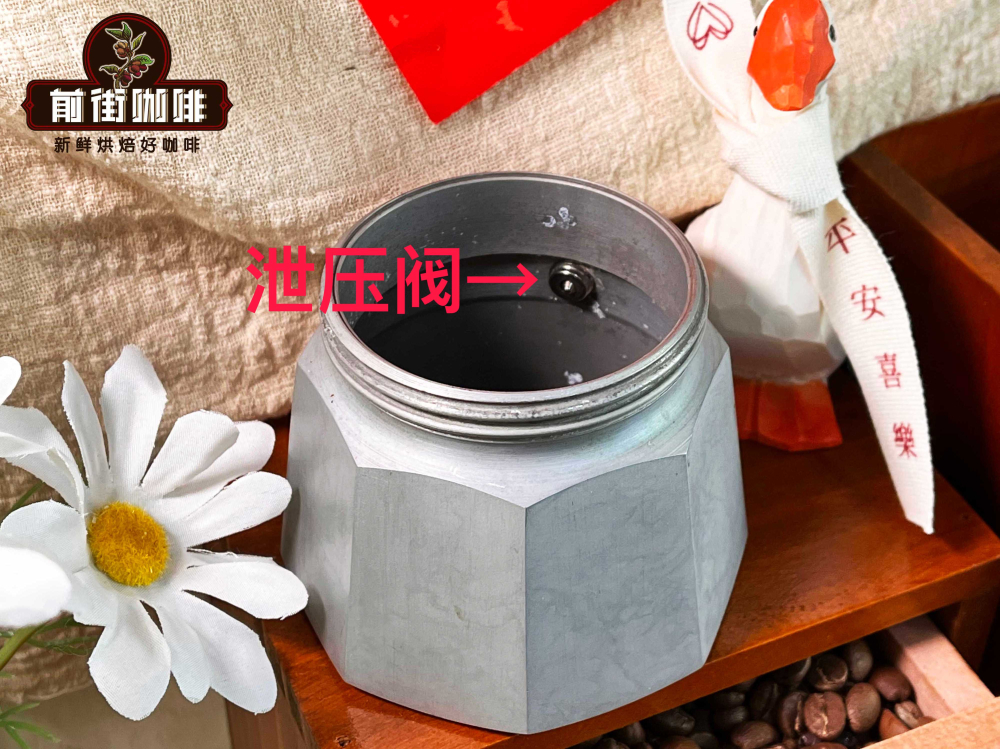
During operation, first pour purified water into the lower chamber, keeping the water level about 0.5 cm below the safety valve to avoid overfilling, which could affect heating efficiency and safety.The grind size should be slightly coarser than that for espresso machines—approximately the same as the gap in the filter basket—to prevent fine particles from seeping into the lower chamber and causing off-flavors.After adding the coffee grounds to the filter basket, gently tap to level the surface, then distribute the grounds evenly using a leveling method to ensure consistent density and avoid under- or over-extraction in certain areas.

Next, place the filter basket into the lower chamber, screw the upper and lower chambers tightly together, and place the moka pot on the heat source. Heat it over high heat initially. Once you hear a clear “wuu wuu” steam sound, immediately reduce the heat to low or medium. You may choose to lift the upper chamber to observe the extraction. When the coffee begins to flow and reaches about half the capacity of the upper chamber, turn off the heat and let the remaining heat and pressure push out the rest of the coffee.
Coffee brewed with a moka pot is usually rich in flavor and can sometimes have a delicate crema similar to that produced by espresso machines. This layer is actually formed by numerous tiny carbon dioxide bubbles, which are more pronounced in medium-to-dark roasted beans due to the higher carbon dioxide released during the dark roasting process, helping to create a rich foam layer.
It’s important to note that although moka pot coffee looks bold, for the best flavor it is recommended to use beans 4–7 days after roasting—this period is known as the degassing or resting phase, during which the internal flavors stabilize and overly sharp aromas that might otherwise disrupt the overall profile are reduced. Additionally, try to use freshly ground beans, as ground coffee quickly releases aroma and carbon dioxide, affecting the integrity of the flavor during extraction.
As for coffee beans suitable for the moka pot, Latin American origins are considered the best match due to their balanced flavors, often featuring notes of nuts and cocoa. For example, the Brazil Queen Estate beans are grown at high altitudes of 1400–1950 meters and processed using the natural (sun-dried) method with the Yellow Bourbon variety. They exhibit rich aromas of nuts, cream, chocolate, and caramel, along with a smooth texture and layered complexity.
Another recommendation is the Colombian Huila beans, which use the Caturra variety and are processed via the washed method, grown at elevations of about 1500–1800 meters. These beans offer a gentle and harmonious flavor profile, highlighted by distinct notes of dark chocolate and nuts, complemented by soft fruit acidity and caramel sweetness. They are perfect for those who prefer balanced taste. Both of these medium-to-dark roasted single-origin beans pair perfectly with the extraction characteristics of the moka pot, delivering captivating layers whether enjoyed straight or mixed with milk for a latte.
The above content is compiled by CoffeeHunters, a coffee news website.


