







Introduction:Want to dive deep into the unique charm of Indonesian Sumatra Mandheling coffee? This article starts with its iconic wet-hulled processing method, analyzing how this technique shapes its bold and Southeast Asia-characteristic aroma. We’ll also explore in detail how top-tier Golden Mandheling achieves its high quality and consistent flavor through origin, processing, and meticulous screening. Additionally, we provide practical pour over brewing parameters to help you fully experience the allure of this classic coffee.
Indonesian Mandheling coffee has long held a place in the global specialty coffee market for its bold, full-bodied profile with distinctive spicy and woody notes. Among them, Golden Mandheling from northern Sumatra is regarded as the pinnacle of the Mandheling category. This coffee not only inherits the typical heavy body of Mandheling but also, thanks to its refined processing and multiple screening stages, presents a clearer, cleaner, and more elegant flavor profile.
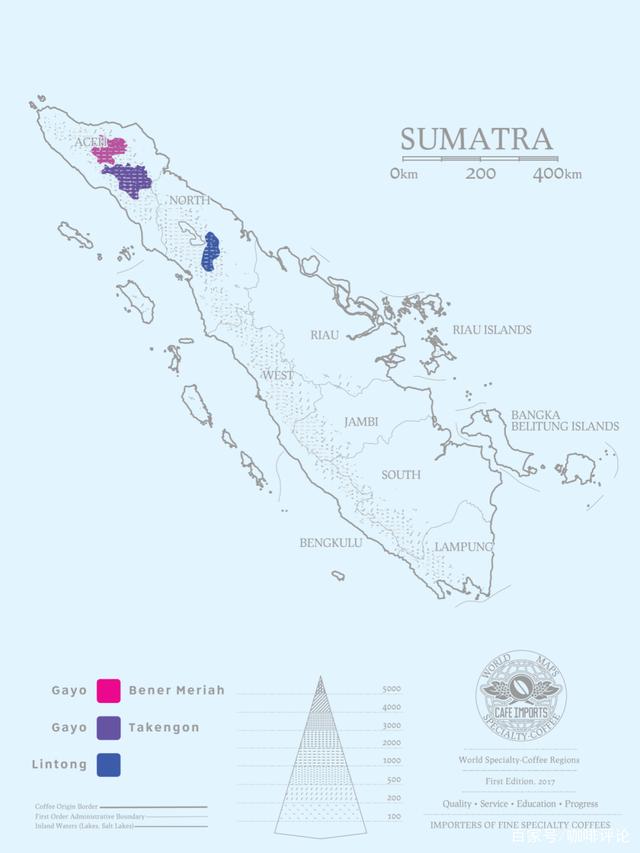
Golden Mandheling is grown around Lake Toba in the mountainous regions of northern Sumatra, which is also the heart of the Lintong production area. This region is known for its volcanic terrain and high-altitude environment, providing ideal conditions for coffee cultivation. The coffee is distributed by the renowned local green bean trader PWN, with its production process undergoing strict quality control, including multiple rounds of manual sorting and processing to ensure every bean meets exceptionally high standards. Compared to regular Mandheling, Golden Mandheling retains a heavy body while featuring lower off-flavors, with more pronounced spicy and chocolate notes — making it highly suitable for coffee enthusiasts who enjoy bold flavors.
Indonesia is one of the world’s major coffee-producing regions, cultivating not only large quantities of Arabica but also significant amounts of Robusta. Among them, Sumatra Mandheling, Sulawesi, Java, and the once-popular civet coffee are all well-known names in the market. In Sumatra, Mandheling coffee mainly comes from Aceh Province and North Sumatra Province in the north, both of which are near the famous volcanic lakes — Lake Toba and Lake Towuti — forming the two classic producing areas of Lintong and Aceh.
However, Sumatra’s tropical rainforest climate, with high temperatures, humidity, and frequent rainfall throughout the year, makes traditional sun-drying or washed processing methods difficult to implement. To address this, local coffee farmers developed the unique “wet-hulled” method. The most distinctive feature of this technique is that it drastically shortens the processing time, usually completing it in just four days, not only reducing drying costs but also contributing to Mandheling’s unique aroma profile.
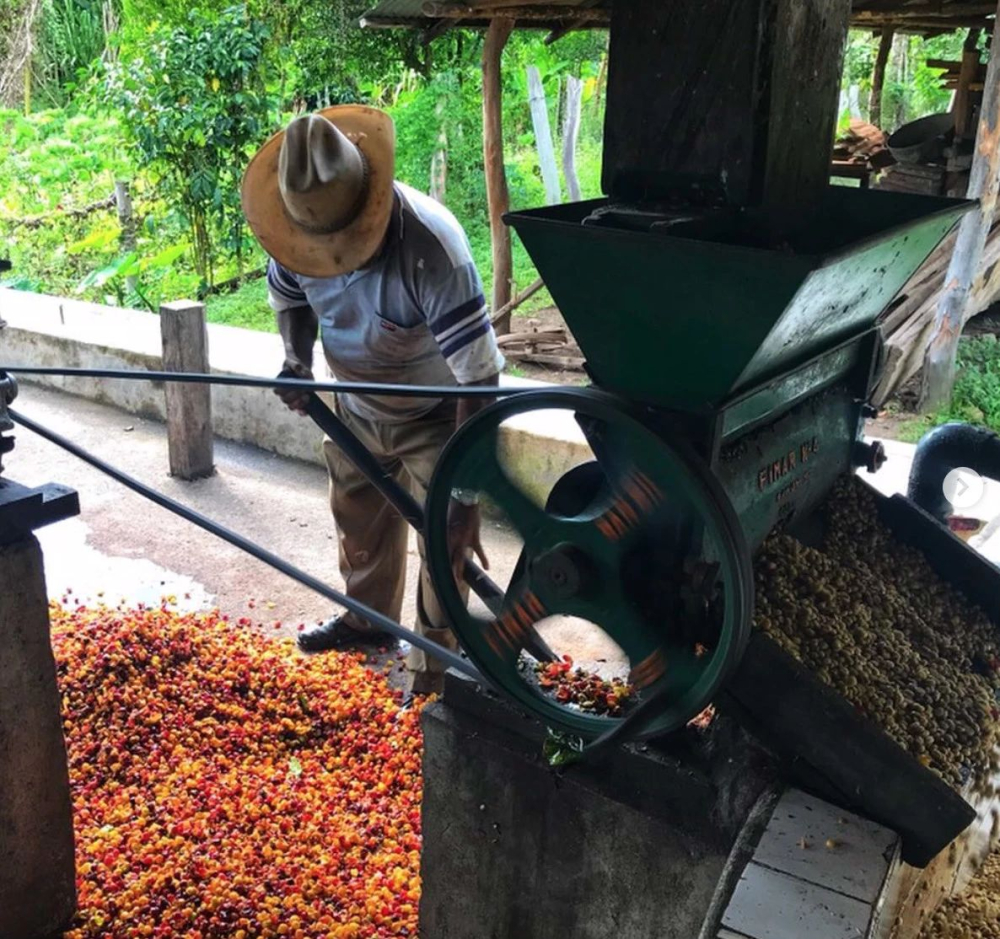
The wet-hulled process generally follows these steps: first, harvested coffee cherries are subjected to floatation to remove unripe ones, then the outer skin is removed, followed by a short fermentation to eliminate some of the mucilage. Due to the humid weather, the parchment beans are typically dried only to a moisture content of about 30% to 40% before being sold. The buyer then further removes the silver skin, bringing the green bean moisture content down to 12% to 13% before export quality control. Although this method is efficient, the multiple exposures to moisture can easily lead to defective beans if not strictly sorted, which is also why Mandheling often carries a slightly damp, earthy base note.
To improve quality, renowned Indonesian green bean companies like PWN implement multiple refinement processes. Golden Mandheling not only meets Indonesia’s G1 top grade standard (fewer than 11 defects per 300g of green beans) but also undergoes additional mechanical screening and three rounds of hand-picking to ensure uniform bean size and consistent appearance. This rigorous processing also results in Golden Mandheling showing fewer earthy off-flavors in cupping, while highlighting delicate notes of spice, herbs, and nuts.
For coffee enthusiasts who enjoy pour over brewing, Golden Mandheling is an excellent choice for both challenge and enjoyment. It is recommended to use freshly roasted (within about five days of roasting) medium-dark roast beans. This roast level results in a looser bean structure and higher water absorption. Using extraction parameters meant for light roasts may easily release excessive bitter and astringent compounds. Therefore, it’s advised to lower the water temperature and adjust the grind size to optimize extraction balance.
In practice, it is recommended to use approximately87°Cof hot water, paired witha medium-fine grind size with a Chinese Standard No. 20 sieve passing rate of about 70%. For the filter, you can opt for a KONO dripper with a slower flow rate. Compared to the V60, the KONO allows for a longer brew time, fully extracting flavor compounds without over-extraction.
A three-stage pouring method is recommended: for the first stage, pour30 grams of water and let it bloom for about 30 seconds, observing whether the coffee grounds expand well to assess freshness; then slowly pour in a circular motion from the center outward until reaching125 grams, and when the water level drops to just about to expose the coffee bed, continue pouring in circles until reaching225 grams, keeping the total brew time controlled at approximatelyabout 2 minutes.
The brewed Golden Mandheling delivers a bold black chocolate flavor upfront, accompanied by harmonious layers of roasted hazelnut, caramel, and a hint of sweet melon. The finish brings a stable spicy sensation with a long, layered aftertaste — a classic coffee well worth savoring slowly.
The above content is compiled by CoffeeHunters, a coffee news website.


