







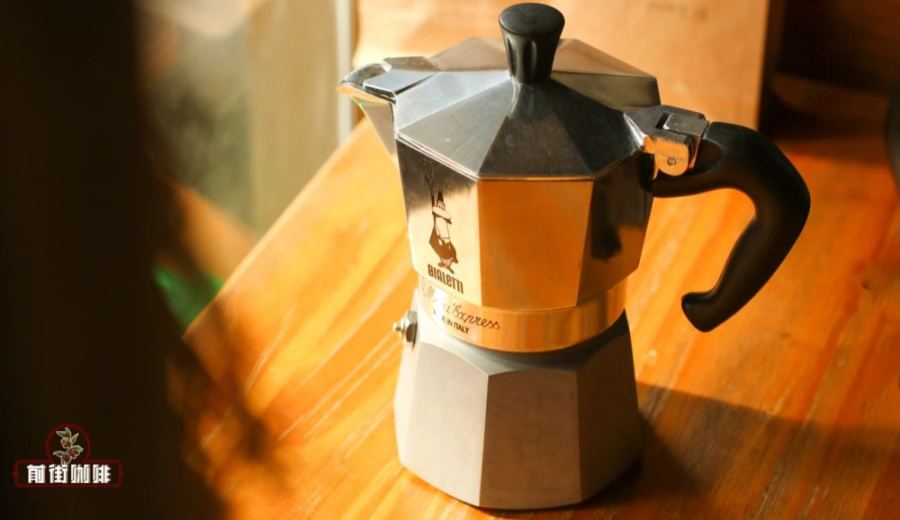
Introduction:Can you brew rich, café-quality coffee at home without a professional espresso machine? Thanks to its pressurized extraction mechanism, the moka pot is a top choice for many coffee enthusiasts. This article delves into the structure and working principles of the moka pot, and offers practical advice on adjusting key brewing parameters—including dose calculation, water control, grind size setting, and the optimal time to remove from heat—so you can master every step with precision. It also recommends several medium-to-dark roast coffee beans well-suited for moka pot brewing, and takes Brazilian Queen Estate as an example to walk you through the full process from filling the basket to extraction. Even beginners can quickly get the hang of it and brew flavorful coffee.
Want to enjoy café-style espresso at home but don’t have an espresso machine? Actually, a moka pot can help you achieve just that. By using steam pressure generated from heating, the moka pot pushes hot water through finely ground coffee, extracting a richly aromatic and full-bodied coffee liquid. Although the output is relatively small and it can't fully penetrate the coffee bed like a professional machine, this extraction method gives the coffee higher concentration and a unique crema layer, making it ideal for making milk-based coffee drinks.
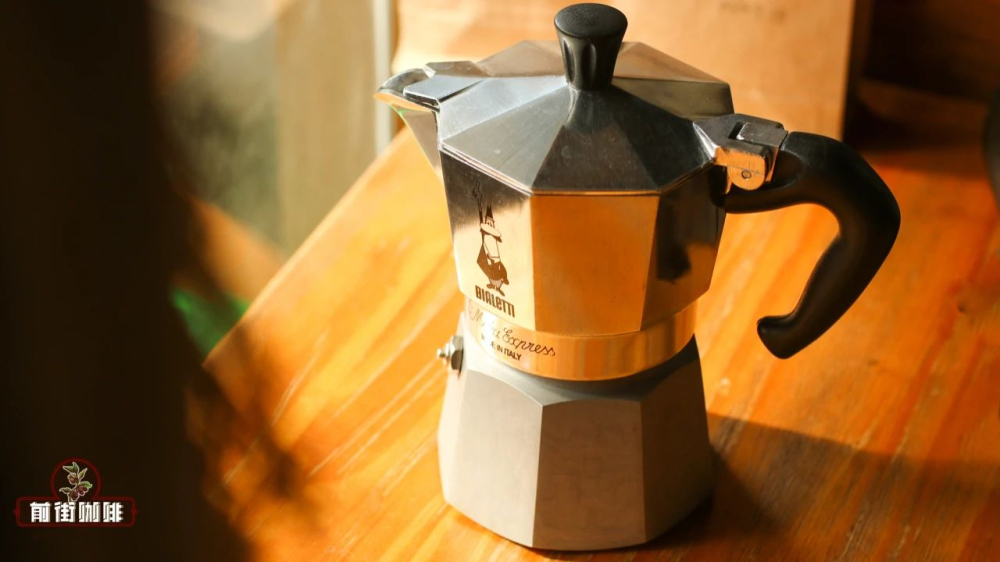
The moka pot mainly consists of three parts: the upper chamber, the filter basket, and the lower chamber. The lower chamber holds the water, the filter basket contains the ground coffee, and the upper chamber collects the final brewed coffee. During heating, water turns into steam, creating pressure that forces the water upward through the coffee grounds, eventually completing extraction in the upper chamber. This combination of siphon and pressure extraction is the key to the moka pot’s espresso-like flavor.
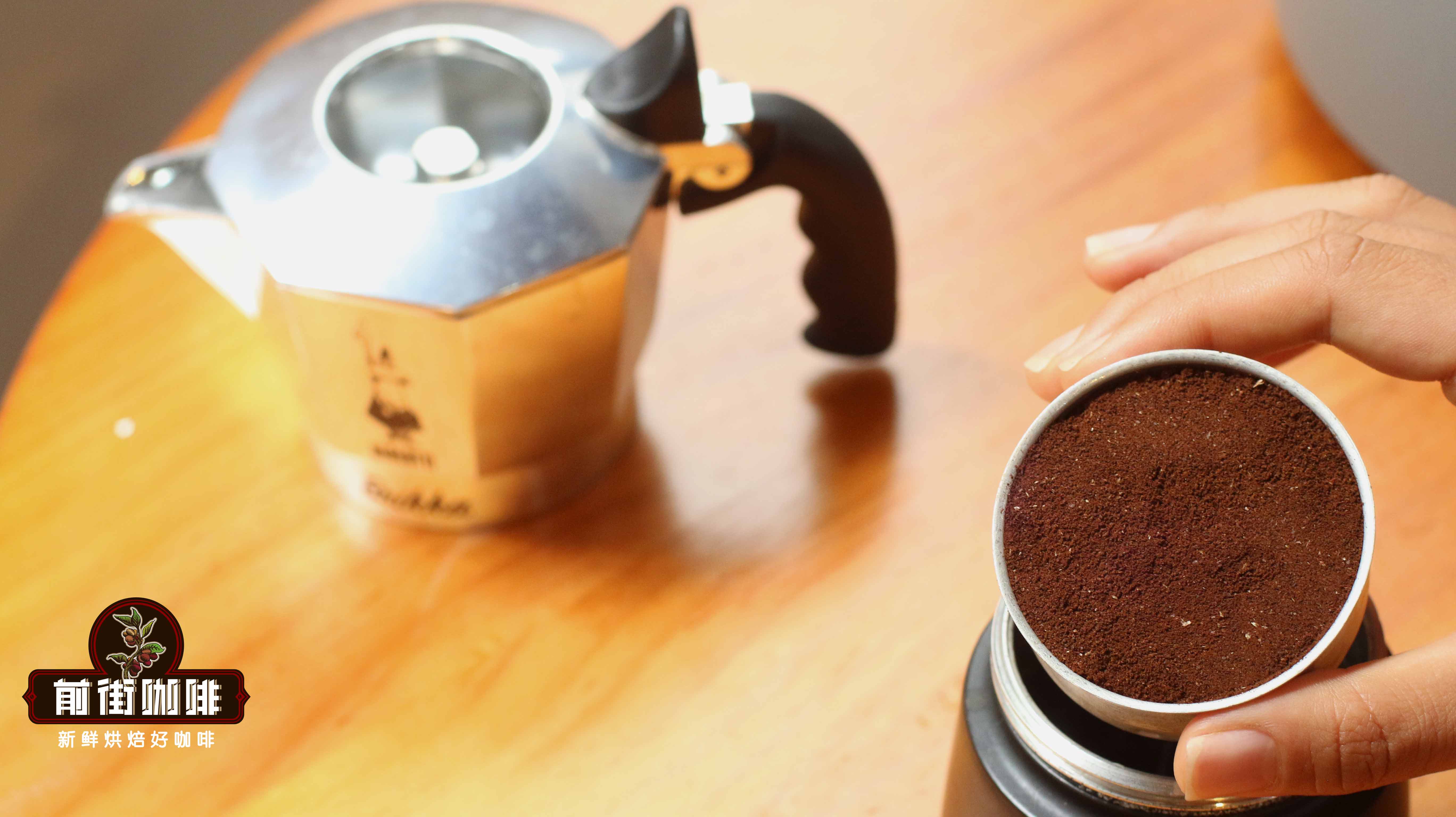
So, how can you use a moka pot to brew espresso suitable for lattes or cappuccinos? Here are several practical tips. First up isdose measurement. It's recommended to adjust your grinder to a fine setting close to espresso using a professional grinder, then gently tamp and level the coffee after filling, followed by weighing to know the actual amount used. For a standard 2-cup moka pot, about 18 to 20 grams of coffee is suggested.
Next iswater control. Since not all water in a moka pot will fully pass through the coffee bed, the output is often hard to predict precisely. It's advised to work backward from your desired brew ratio—such as 1:1.8—to calculate the required water amount. For example, if using 20 grams of coffee and aiming for 36 grams of brew, try brewing once with the recommended water amount, observe the actual output, then adjust the actual water added to the lower chamber accordingly. This helps avoid over- or under-extraction, ensuring balanced flavor.
In terms ofgrind adjustment, ideal extraction should see the coffee flow out slowly and steadily, while the safety valve releases slight gas but not a sharp hiss. If the flow is too fast, the grind may be too coarse—meaning insufficient resistance in the coffee bed—and should be adjusted finer. Conversely, if the flow is slow or stalls and the valve emits a high-pitched squeal, the grind may be too fine and should be adjusted coarser. This step is the most patience-testing and fine-tuning-intensive part of the whole process, and also crucial for flavor outcome.
The timing toremove from heat
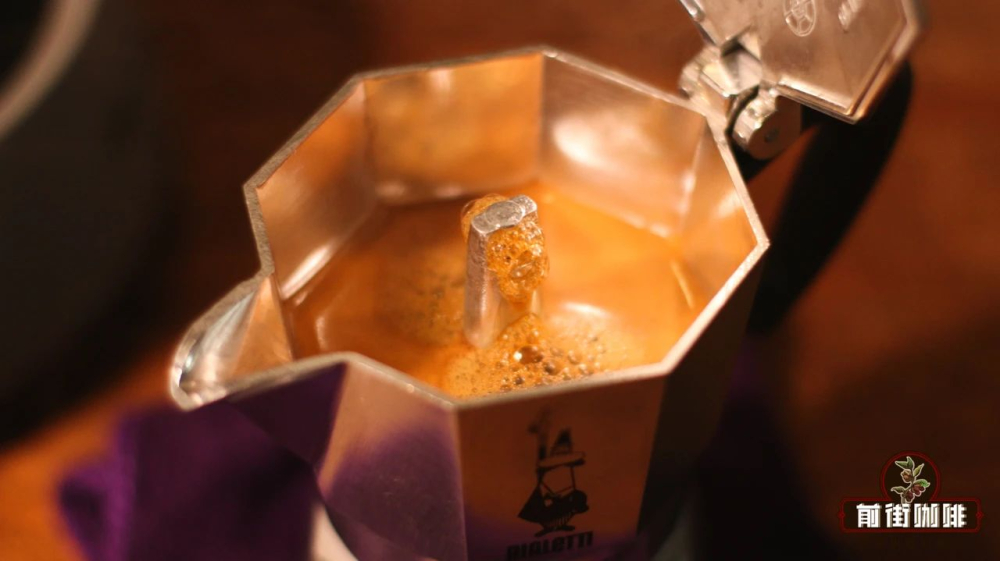
is equally vital. Generally, when coffee begins to drip continuously from both sides of the filter basket and forms a steady stream in the lower chamber, it means most of the coffee has been extracted. At this point, you should turn off the heat immediately to avoid over-extraction, which can bring out burnt bitterness and excessive impurities. After turning off the heat, take advantage of residual heat to “push” any remaining coffee into the upper chamber, then quickly pour and enjoy to preserve the fullest aroma and crema.
For those aiming to brew espresso-like flavors with a moka pot, medium-to-dark roasted beans are recommended. These beans typically offer a richer body and more pronounced crema. If you prefer stable performance and ample crema, go for classic commercial espresso blends. For a brighter profile with fruity and floral notes—like strawberry sugar-forward espresso blends—that’s another great option. For single-origin fans, beans like Golden Mandheling or Colombian Huila, which feature nutty and caramel notes, are also excellent choices.
Here’s a full moka pot brewing demo using Brazilian Queen Estate coffee beans as an example. These beans come from São Paulo State, Brazil, grown at altitudes between 1400 to 1950 meters, with the Yellow Bourbon variety processed via honey or natural methods. They present strong nutty and chocolate tones, along with sweet brown sugar flavors—making them a perfect match for moka pot extraction.
Steps: First, fill the lower chamber with clean water, keeping the water level about 0.5 cm below the safety valve. Then, grind the coffee slightly coarser than standard espresso, fill the basket, and gently shake to distribute the grounds evenly, forming a small mound. Insert the basket into the lower chamber, secure the top and bottom chambers, and heat over high flame. When about half the coffee has flowed into the upper chamber, remove from heat and let residual heat finish the extraction. Finally, pour the brewed coffee into a cup to enjoy its rich crema layer, and feel free to add milk or water to taste.
The above content is compiled by CoffeeHunters, a coffee news website.


