








Introduction:Sun-dried coffee beans from Ethiopia’s Sidamo region are widely loved for their intense fruity aroma and rich body. This article delves into the evolution and characteristics of the sun-drying process, compares the flavor differences between washed and sun-dried coffees, and uses the new-season Huakui as an example to provide practical pour-over parameters and steps to help you better understand how to extract the unique flavor layers of sun-dried beans.
The flavor profile of coffee is inseparable from the processing method of the green beans. Among these, the sun-drying method, as one of the most traditional coffee processing techniques, has evolved from early simple ground drying to today’s meticulously managed raised-bed processes, significantly improving both quality and flavor. Sun-dried coffee beans from Ethiopia’s Sidamo region, with their full body and pronounced berry notes, have become a favorite among specialty coffee enthusiasts. This article will guide you through the background of the sun-drying process’s evolution, analyze its flavor differences compared to washed processing, and offer practical pour-over recommendations and extraction parameters using the new-season Huakui, helping you better appreciate and brew the unique charm of sun-dried coffee.
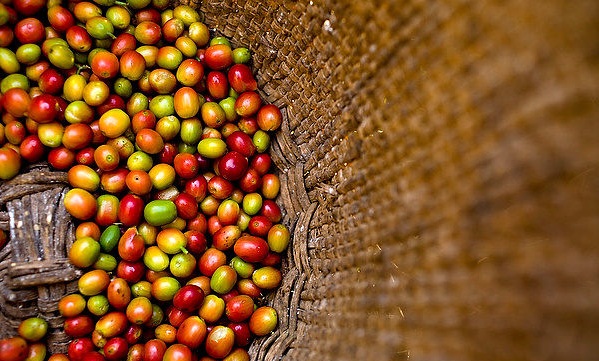
In the world of specialty coffee, the processing method plays a pivotal role in shaping the final flavor. Many coffee enthusiasts often overlook the influence of processing on taste when selecting beans. Take the washed process, for example—it is often regarded as a key indicator for evaluating a region’s flavor potential due to its high stability. Many coffee importers or roasters, when selecting beans from Central and South America or Africa, typically prioritize the cupping results of washed batches to grasp the foundational flavor profile of that region.
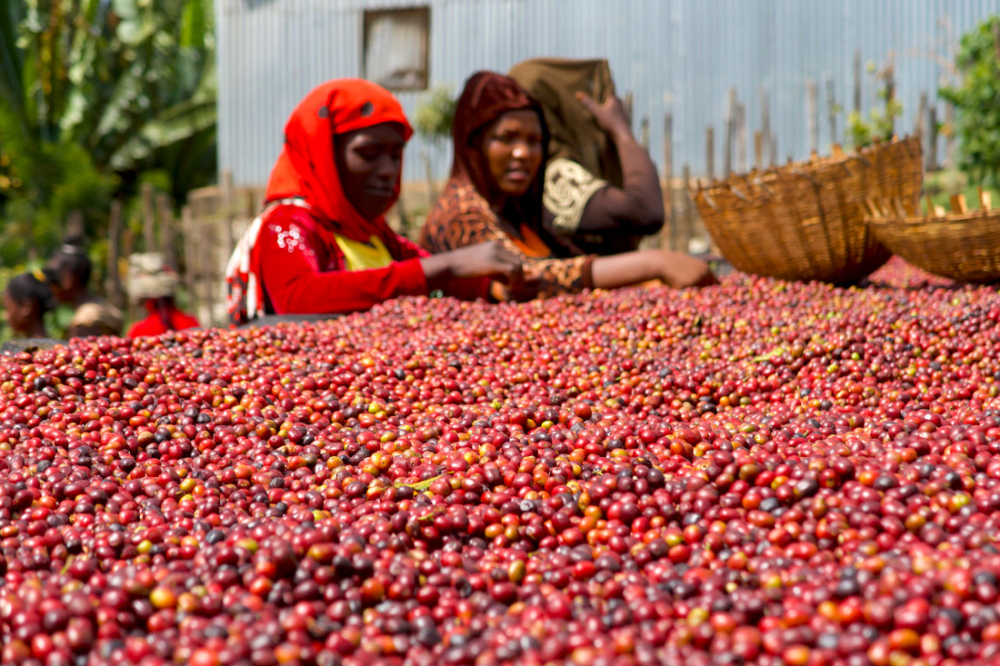
So, what is the sun-drying process? Simply put, it refers to the treatment of coffee beans before they are removed from the coffee fruit. Compared to the washed process, sun-drying can be considered the most primitive and nature-dependent method. The most traditional sun-drying practice, commonly seen among smallholder farmers, involves spreading freshly harvested coffee cherries directly on the ground to dry until the pulp moisture content decreases, after which the outer layer is removed to extract the beans.
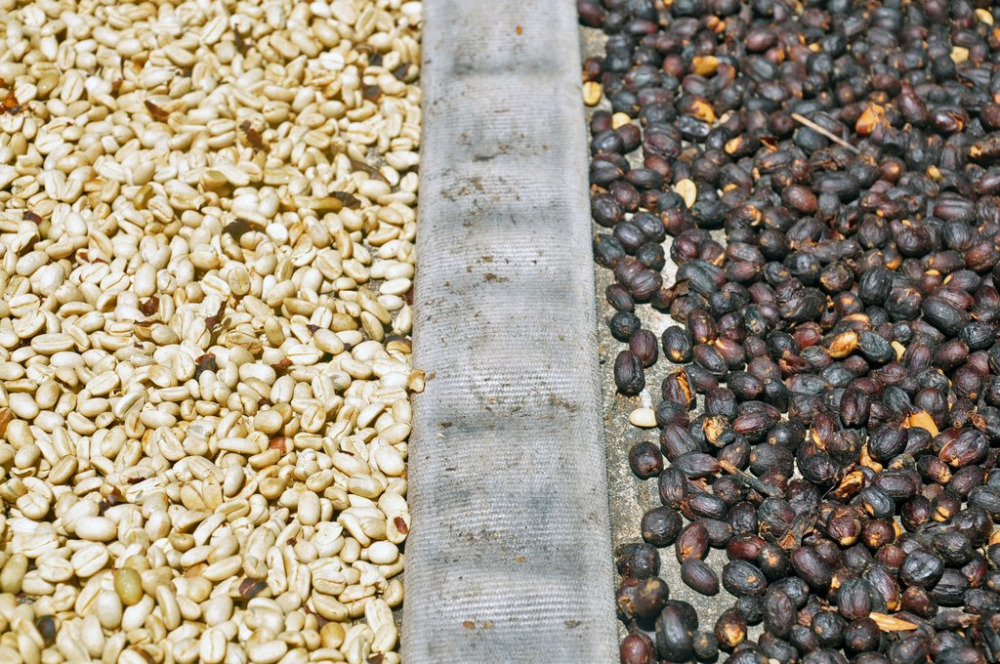
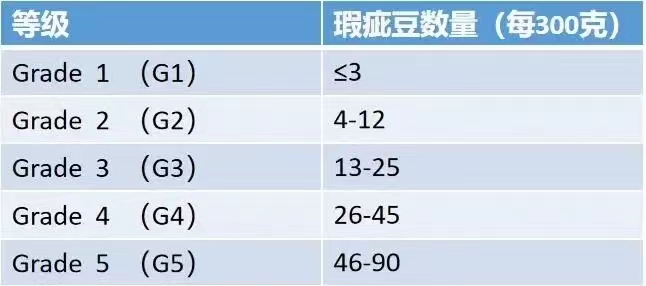
However, this basic method is susceptible to interference from external factors such as dust, insects, and weather, which not only affects hygiene but also easily causes the green beans to absorb off-flavors, resulting in subpar final flavors. In the past in Ethiopia, green bean grades were determined by the number of defective beans per 300 grams—for example, Grade G1 required no more than 3 defective beans, Grade G2 allowed 4 to 12, while sun-dried beans usually only reached Grade G3, meaning they could contain more than 13 defective beans per 300 grams. This limited their market acceptance.
But with advancements in processing technology, many regions’ sun-dried beans can now achieve Grade G1, with Sidamo’s Guji region’s Huakui being a prime example. This sun-dried bean exhibits intense dark berry aromas, a full and layered body, paired with a rich mouthfeel and pleasant fermentation notes, leaving a deep impression. All of this is thanks to the sun-drying process where the pulp and beans dry together, allowing sugars to permeate and thereby enhancing the overall complexity of the flavor.
Although the washed process is favored for its stable and consistent characteristics, the charm of sun-dried beans remains undeniable. In fact, many renowned regions and estates have gradually embraced sun-drying. For instance, the Blue Mountain region was historically known for producing washed Typica, famous for its balanced and stable flavors. But with the evolution of specialty coffee trends, the region began experimenting with sun-drying in 2019 and launched sun-dried Typica Blue Mountain coffee in 2020, successfully capturing market attention.
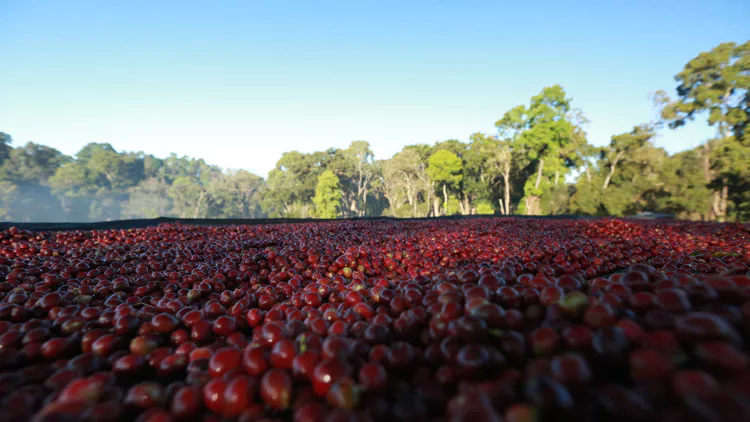
This shift demonstrates that despite the challenges of weather dependency and higher risk associated with sun-drying, when done properly, it can present richer, more layered berry and dried fruit notes, along with intense sweetness and body. The formation of such flavors mainly stems from the drying process, during which the sugars and aromatic compounds in the fruit pulp gradually seep into the bean core, offering a more diverse taste experience.
Modern refined sun-drying processes typically select fully ripe coffee cherries and immediately sort them after harvest, removing underripe or overripe fruits to ensure only the highest-quality cherries proceed to the next stage. These cherries are then placed on breathable raised beds to dry, which not only avoids ground-contact off-flavors but also enhances drying efficiency through good ventilation and sunlight exposure, further preserving the fruit’s natural flavors.
Take the new-season Huakui from Ethiopia’s Sidamo Guji region as an example—this sun-dried coffee bean is grown at high altitudes of 2250–2350 meters, is of local landrace variety, and is processed using the sun-drying method. Its flavor profile includes floral notes, jackfruit, preserved fruits, apricots, and a distinct juiciness, making it ideal for coffee lovers who enjoy intense fruitiness and a full body.
For brewing recommendations, it is suggested to use a Hario V60 #01 filter, with water temperature controlled at 90–91°C, a coffee dose of about 15 grams, and a brew ratio set at 1:15. The grind size can refer to about 80% passing through a Chinese standard No. 20 sieve, which is slightly finer than medium grind, to facilitate full extraction of fruit acids and aromas. It should be noted that although higher water temperatures help bring out fruit acids and aromas, they can also lead to over-extraction. Therefore, it is recommended to use a faster-flowing filter like the V60, whose 60-degree conical design and spiral ribs effectively improve water distribution and flow rate, preventing under-extraction during blooming or over-extraction.
The specific pour-over steps are recommended as follows: First, perform a 30-second bloom with 30 grams of water to activate the coffee’s aroma release; then pour approximately 95 grams of water (total weight around 125 grams), keeping the time around 1 minute; when the water level drops to about two-thirds of the coffee bed, pour the remaining 100 grams of water (total weight around 225 grams), completing the pour within about 1 minute 40 seconds to 1 minute 45 seconds; finally, allow the coffee to drip through for about 2 minutes 00 seconds to 2 minutes 10 seconds before removing the filter and finishing the extraction.
In summary, compared to washed beans, sun-dried coffee often showcases more abundant fruitiness and a fuller body, suitable for slightly higher water temperatures and finer grind sizes to bring out its complex layers. With the right brewing parameters and techniques, you can fully experience the unique charm of Sidamo sun-dried beans.
The above content is compiled by CoffeeHunters, a coffee news website.


