







Introduction:Have you mistakenly assumed that Mandheling coffee is only harsh and bitter? In fact, once you understand the characteristics of Sumatra’s growing regions, the wet-hulling process, and the triple hand-selection standards of the G1 grade, you can taste the rich complexity of this classic coffee. This article delves into the variety differences of Mandheling, as well as its roasting and pour over techniques, and provides practical flavor descriptions and brewing parameters to help you rediscover this iconic Indonesian coffee bean.
Many people who have tried dark-roasted coffee at chain cafes associate "bitterness" and "scorchiness" with coffee. But in reality, a well-roasted Mandheling from Sumatra is not bitter or astringent at all — it can showcase a wealth of aromas such as cedar, licorice, and dark chocolate, with a full-bodied mouthfeel and a soft woody tone. This article will take you step by step from the origins of Mandheling, its growing environment, the wet-hulling process, and variety differences, to the triple hand-selection standards of the G1 grade, helping you gain an in-depth understanding. It also shares useful roasting insights and pour over parameters to help you find the brewing method that suits you best.
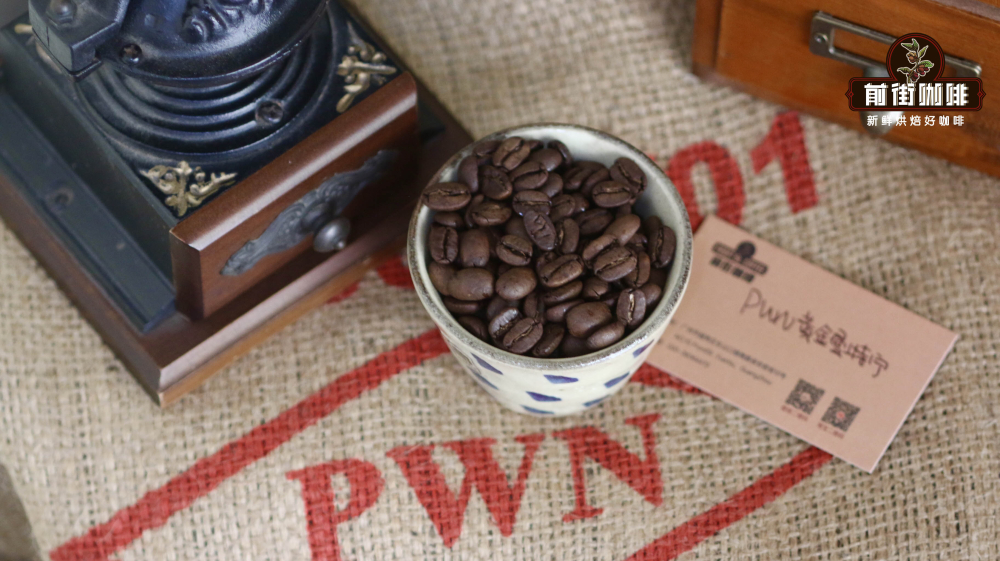
Influenced by the prevalence of dark-roasted beans on the market, many people hold biases against Mandheling. But in truth, this classic coffee is far more diverse than imagined. When roasted properly, Mandheling can present rich and stable flavors, making it a favorite among many coffee enthusiasts. The Golden Mandheling produced by Indonesia's PWN company is a prime example that has received long-standing acclaim in the market.
There is an interesting history behind the name "Mandheling." It is said that during World War II, a Japanese soldier drank an unforgettable cup of coffee in a Sumatran village. When he asked the homeowner what kind of coffee it was, due to a language barrier, the homeowner misunderstood the question as being about where he was from, and answered "Mandheling tribe." After the war, the soldier introduced Arabica beans from Sumatra to Japan and, in commemoration, named them "Mandheling," thus making this Indonesian coffee widely known.
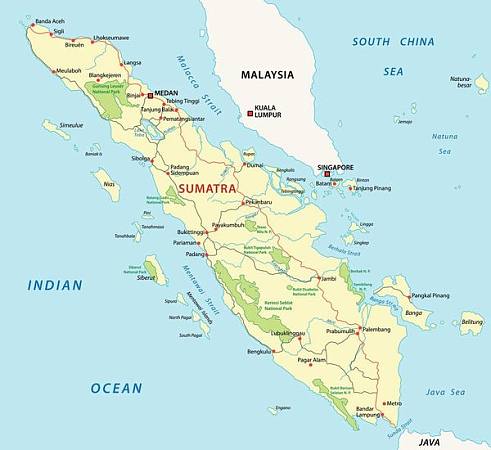
Sumatra Island is located in western Indonesia, with generally low altitudes. The areas suitable for planting Arabica are mostly between 600 and 1200 meters above sea level. Currently, premium-grade Mandheling mainly comes from the Lintong and Gayo Mountain regions.
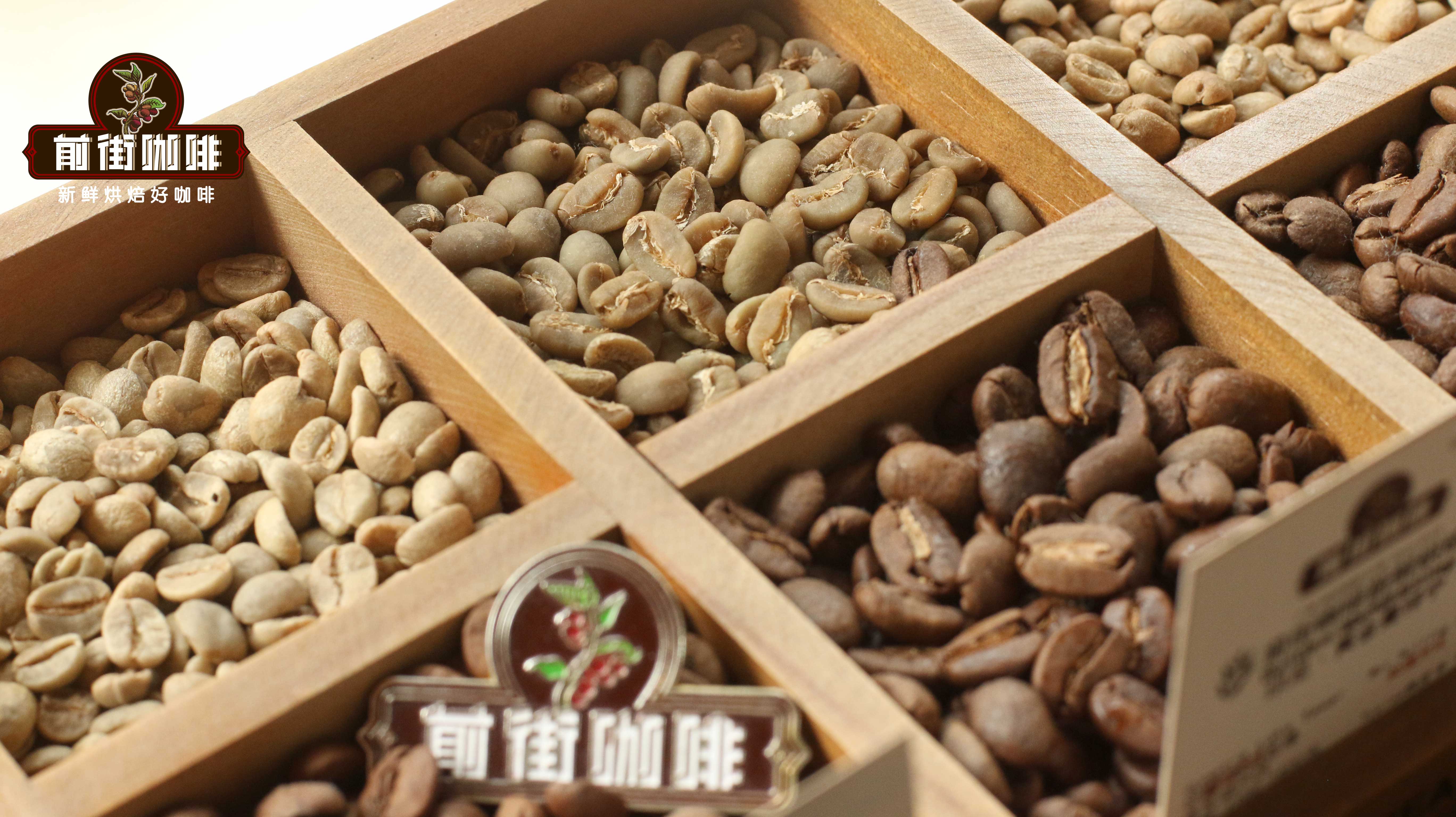
Due to Sumatra’s rainy climate, frequent typhoons, and local economic constraints, it is difficult to adopt the time-consuming and expensive washed processing method. As a result, the unique "wet-hulling" process was developed. This method shortens the drying time and adapts to high-humidity environments, but it also gives Mandheling its distinctive flavor characteristics.
Traditional washed processing usually takes 1 to 3 weeks, while the wet-hulling process takes just a few days. Its steps include: first removing the coffee fruit’s skin and pulp, fermenting briefly, then drying until the beans reach a semi-dry state, after which the parchment layer is removed before continuing to dry until the moisture content is around 12%. Although this fast-processing method is efficient, under Indonesia’s high humidity, if not controlled properly, the green beans can easily absorb moisture and grow mold. In addition to Sumatra, this processing method is also common in Sulawesi and Papua New Guinea. Because the green beans, after the parchment layer is removed, still absorb moisture from the air, Mandheling generally exhibits steady aromas such as woody, herbal, and spicy notes.
When discussing the flavors of Mandheling, one cannot overlook its main varieties: Ateng and TimTim. These names may sound unfamiliar, but TimTim is actually Timor with Robusta lineage, while Ateng is Catimor, a hybrid of Caturra and Timor. These varieties are particularly suited to Indonesia’s hot and humid climate due to their strong resistance to pests and diseases.
Although both Ateng and TimTim carry Robusta genes, which result in flavors that are not as delicate as those of high-altitude Arabica, Ateng, due to further hybridization with Caturra genes, often performs cleaner with a more noticeable sweetness. Additionally, every stage from planting and harvesting to post-harvest processing can influence the final flavor profile.
Commercially available Mandheling varies in processing refinement. For instance, Golden Mandheling from Indonesia’s PWN company undergoes at least three rounds of pure manual selection, choosing only beans larger than 18 mesh, and ensuring that there are fewer than 3 defective beans in a 300-gram sample, making it the highest-grade G1. These beans are dark green in color, uniformly shaped, and flat beans. Meanwhile, Mandheling from the Lintong region may have more lenient screening standards but can still showcase the typical flavors of the Sumatra region.
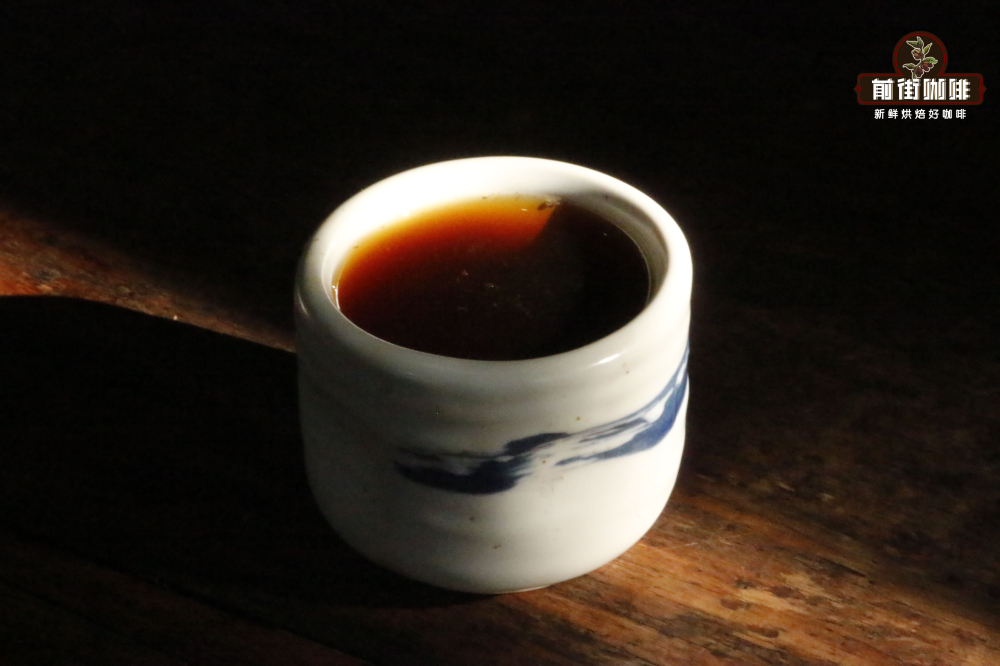
Therefore, some suppliers position Lintong Mandheling as an entry-level or everyday drinking bean, offering it at an affordable price and with high cost-performance, allowing consumers to easily experience the unique charm of Indonesian coffee.
In terms of roasting, to balance Mandheling’s full body and herbal characteristics, many professional roasters choose to finish roasting at the medium-dark stage, stopping just before the second crack. This stage retains Mandheling’s rich depth while highlighting herbal and spicy tones. It should be noted that deep-roasted beans may develop an oily sheen on the surface 3 to 4 days after roasting, which is normal due to the release of carbon dioxide and oils. To ensure freshness of flavor, it is recommended to enjoy the coffee within 5 days of roasting.
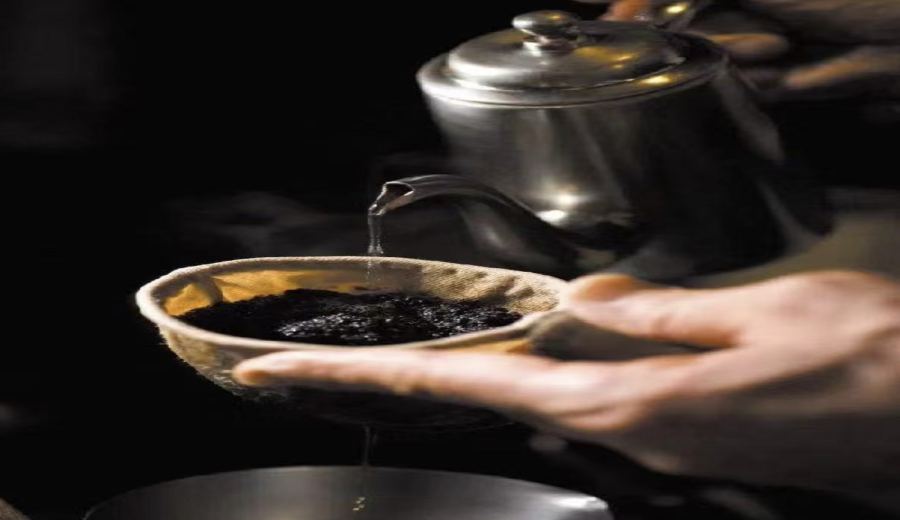
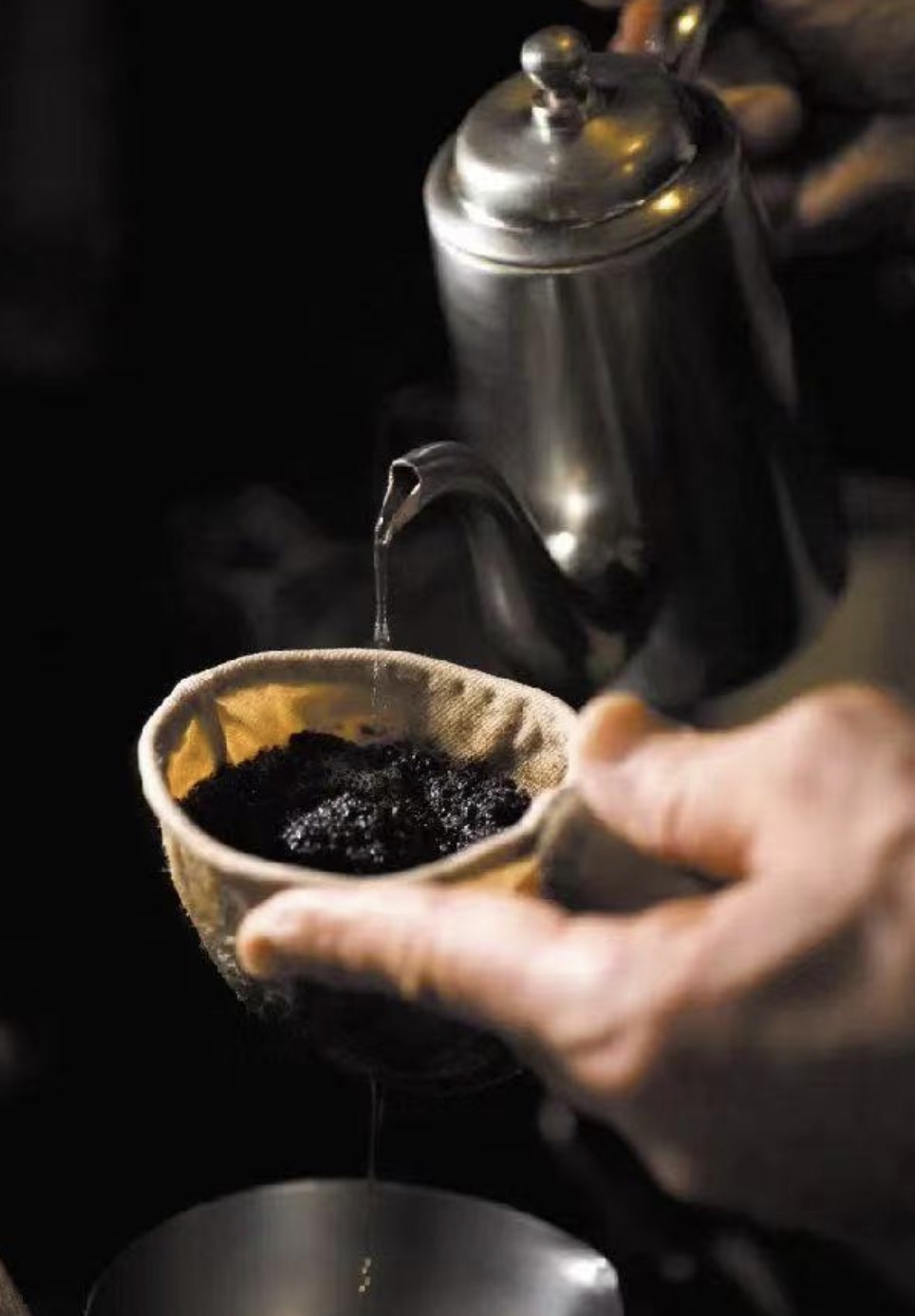
As for pour over, it is recommended to use a medium-coarse grind (similar to coarse sugar, about 70% through a Chinese No. 20 sieve), with water temperature controlled at 88°C, a powder-to-water ratio of 1:15, and paired with a slower-flow KONO filter. The design of the KONO filter allows the filter paper to adhere closely to the bottom ribs, resulting in a slower flow rate compared to V60, which helps improve extraction uniformity and body.
Practical pour over steps are as follows: the first pour involves adding 30 grams of water for a 30-second bloom; the second pour uses a small stream to circle and add water up to 125 grams, then after the water level drops by half, continue pouring to 225 grams, with a total extraction time of approximately 2 minutes and 10 seconds. These parameters can fully bring out Mandheling’s steady aromas and layered profile.
In terms of flavor, Lintong Mandheling typically presents rich herbal aromas, accompanied by black chocolate and caramel sweetness, with a distinct aftertaste of lingering sweetness. Meanwhile, PWN Golden Mandheling has a clearer layering, with clean and full-bodied flavors, delicate nutty and caramel notes with a touch of chocolate, and a long, balanced finish — making it highly suitable for coffee lovers who enjoy classic dark roast profiles.
The above content is compiled by CoffeeHunters, a coffee news website.


