







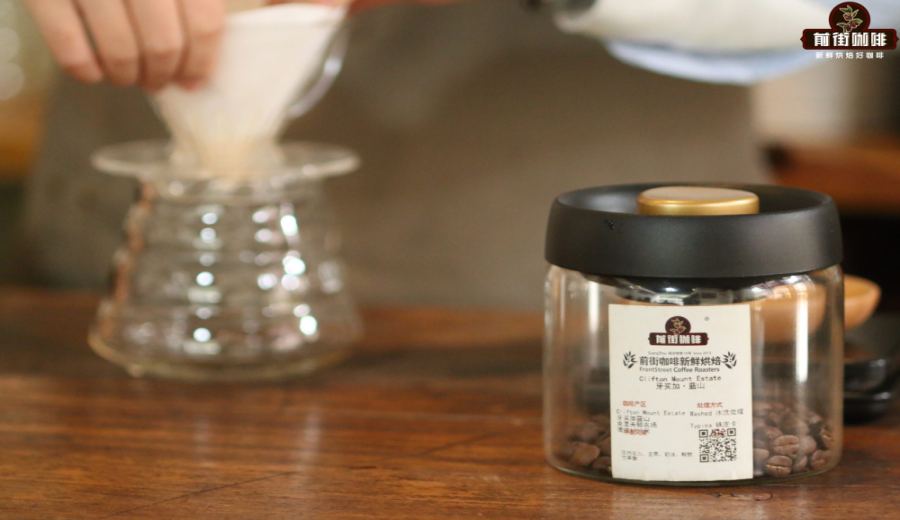
Introduction:Jamaican Blue Mountain No. 1 coffee is world-renowned, but the market is flooded with various “Blue Mountain-flavored” or “Blue Mountain-blend” products that are far from the genuine Blue Mountain No. 1. This article delves into the geography and climate of the Blue Mountains, details Jamaica’s official grading system, the strict selection criteria for Blue Mountain No. 1, and debunks the myth that “you can’t buy the real thing in China.” It also provides an in-depth analysis of the Blue Mountain No. 1 produced by the Clifton Estate, covering aspects such as growing altitude, processing method, and flavor characteristics, along with practical pour over parameters to help coffee enthusiasts master identification and brewing essentials.
When it comes to Blue Mountain coffee, even those not deeply involved in the specialty coffee scene may have heard of it. This legendary coffee often appears in movies and Hong Kong films—whether it's a businessperson or a detective character, the mere mention of “Blue Mountain” always brings a particularly serious expression. However, the market is full of coffee products labeled as “Blue Mountain,” ranging from “Blue Mountain-flavored” to “Blue Mountain blends,” but most of these are merely commercial terms, worlds apart from authentic Jamaican Blue Mountain No. 1 beans.
The reason Jamaican Blue Mountain coffee is so prized lies in its uniquely favorable growing environment. The Blue Mountains are located in northeastern Jamaica, surrounded by the clear waters of the Caribbean Sea. The sunlight reflecting off the sea casts a blue hue onto the mountain ranges, hence the name “Blue Mountain.” The highest peaks exceed 2,000 meters in elevation, but not all areas are suitable for coffee cultivation. For ecological protection, the Jamaican government has designated areas above 1,700 meters as protected zones where crop cultivation is strictly prohibited. Additionally, high-altitude regions face higher risks of frost, which threatens coffee tree growth. Therefore, the suitable coffee-growing areas are mainly between 1,000 and 1,700 meters in elevation, distributed across the four parishes of Portland, St. Mary, St. Thomas, and St. Andrew.
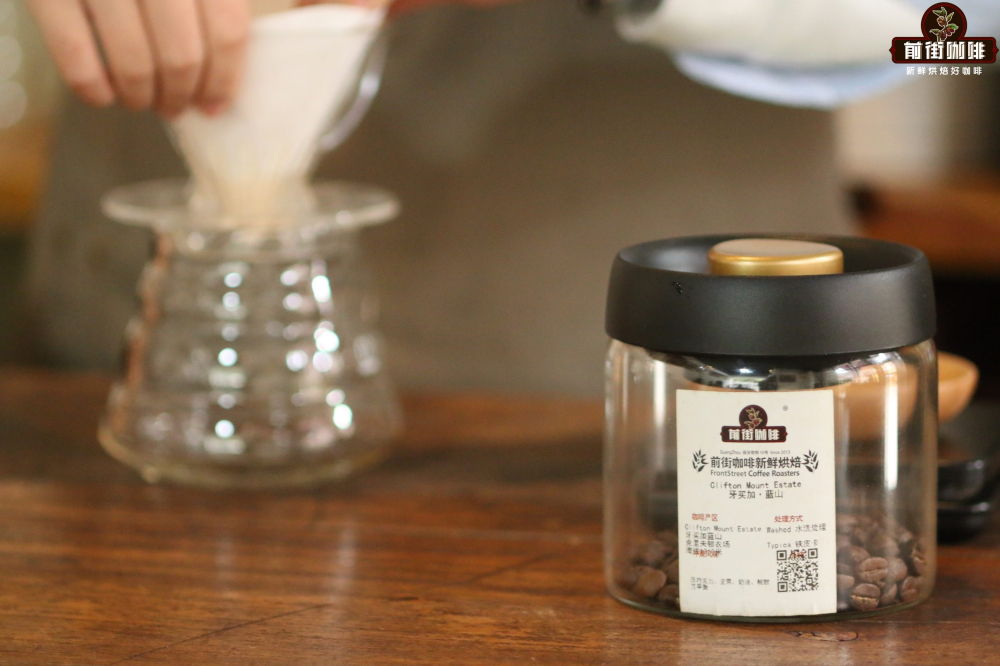
The Jamaica Coffee Industry Board classifies the country’s coffee into three main grades based on altitude and quality: Jamaican Blue Mountain Coffee, Jamaican High Mountain Coffee, and Jamaican Prime Coffee. Among these, only beans grown at elevations between 1,000 and 1,700 meters qualify as “Jamaican Blue Mountain Coffee.” This strict criterion means that beans meeting the Blue Mountain standard account for less than 40% of total production. Furthermore, the official classification is further subdivided into No. 1, No. 2, No. 3, and Peaberry grades based on bean size and defect ratio.
Among these, the selection criteria for Blue Mountain No. 1 are the most stringent. In addition to being grown within the specified altitude range, the green beans must be 17/18 mesh size (approximately 6.7 to 7.1 mm), and the defect rate must not exceed 2%. After multiple layers of rigorous screening, only a very small number of beans ultimately meet the Blue Mountain No. 1 standard, contributing to its rarity and high price.
The claim that “there is no authentic Blue Mountain coffee in China” is actually inaccurate. Although Blue Mountain No. 1 has limited production and a high price, it is not entirely unobtainable. In the past, Japan once funded the development of Jamaica’s coffee industry and thus secured priority purchasing rights, monopolizing over 80% of Blue Mountain coffee beans for a time. However, since 2009, this situation has gradually changed. With the rise in purchasing power in the Chinese market, it is no longer out of reach for domestic consumers to enjoy authentic Blue Mountain No. 1.
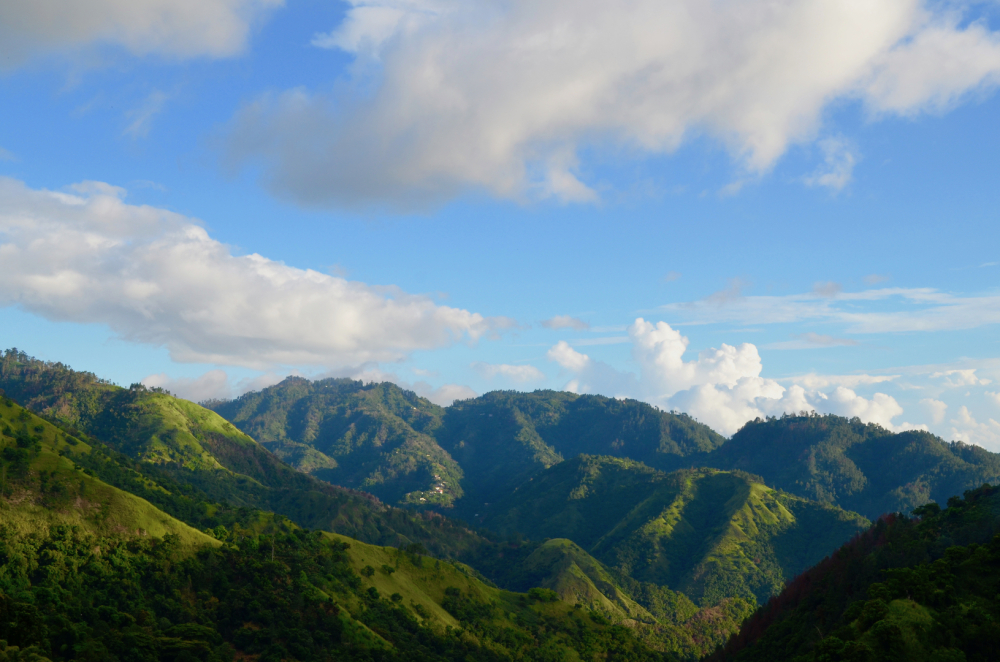
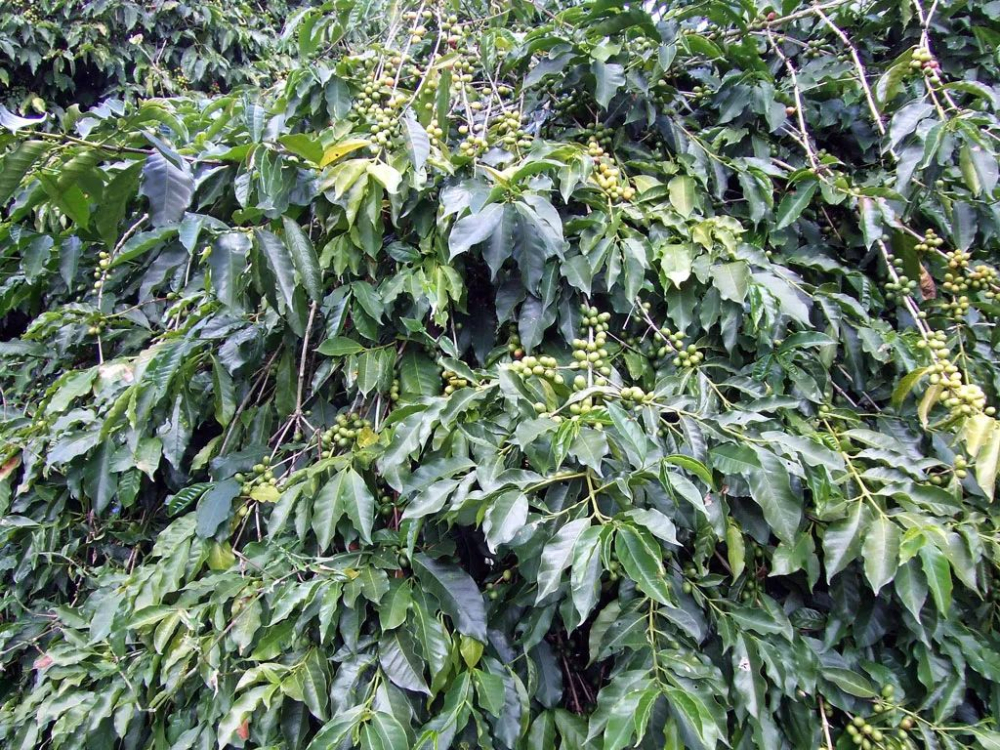
Take a well-known coffee shop as an example—their Blue Mountain No. 1 beans come from the Clifton Estate in Jamaica’s Blue Mountain region. This estate has been operated by the historic Sharp family for over two hundred years and is one of the most representative plantations in the area. The Clifton Estate is located on Catherine’s Peak, the highest-elevation farm in the entire Blue Mountain region, at approximately 1,310 meters. Notably, it is also the only plantation in the Jamaican Blue Mountain area to have earned Rainforest Alliance certification, with both cultivation and production processes meeting strict sustainability standards.
The Blue Mountain No. 1 coffee produced by the Clifton Estate is of the classic Typica variety and is meticulously processed using the washed method. During processing, ripe coffee cherries are handpicked, then the pulp and flesh are removed, followed by thorough washing of the mucilage layer, and finally drying in the sun. This traditional method preserves the most original flavor characteristics of the beans, delivering a clean and bright taste that is highly favored by coffee enthusiasts who appreciate regional terroir.
The flavor profile of Blue Mountain No. 1 coffee is dominated by rich nutty notes and deep dark chocolate, with a balanced harmony of acidity, sweetness, and bitterness, resulting in a round and full-bodied mouthfeel. The Clifton Estate Blue Mountain No. 1 recommended by a well-known coffee shop, after washed processing, further highlights the region’s unique freshness and layered complexity, making it a classic choice for experiencing Blue Mountain flavors.
Jamaican-exported Blue Mountain green coffee beans still maintain tradition by using wooden barrels as packaging containers. Among global coffee-growing regions, Jamaica is the only one that continues this practice, which can be seen as a symbol of its quality assurance. The wooden barrels and origin certificates displayed in the storefront of a well-known coffee shop serve as proof that each batch of beans comes from the Jamaican Blue Mountain region and meets the official No. 1 grade standard.
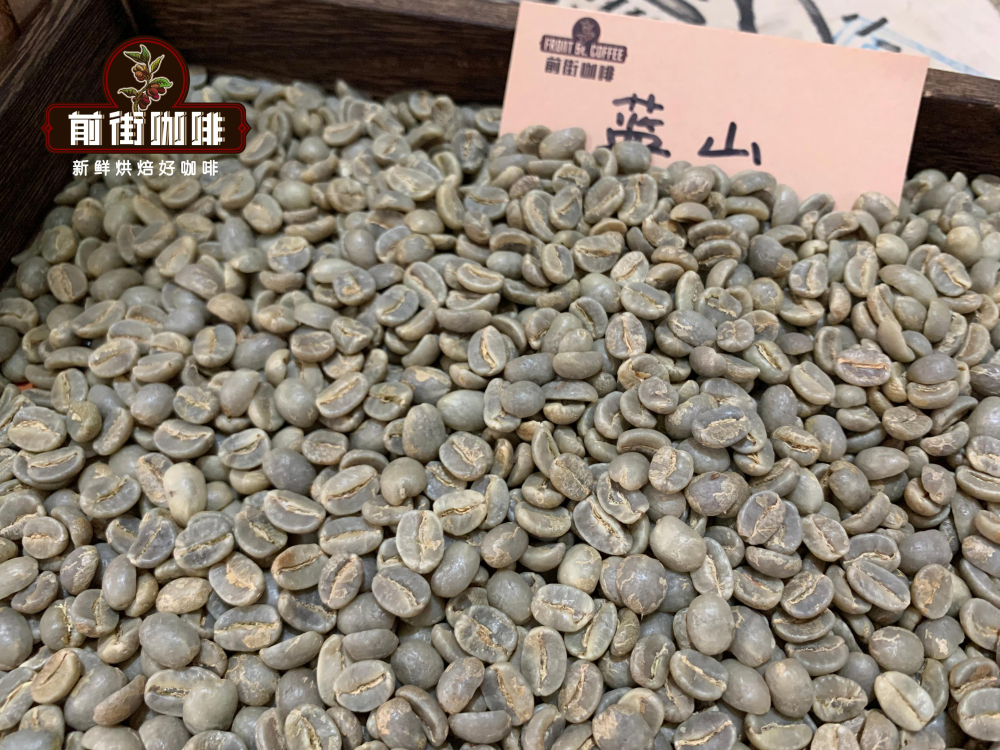
Observations show that the Clifton Estate Blue Mountain No. 1 green beans received by a well-known coffee shop exhibit a vivid bluish-green hue, with plump and uniform beans exuding a soft and lingering aroma. To highlight the classic nutty and chocolatey notes of Blue Mountain No. 1, as well as its rich mouthfeel, roasters typically opt for a medium-to-dark roast level to balance the flavors and bring out depth.
Due to the medium-to-dark roast, it is recommended to use a coarser grind and slightly lower water temperature when pour over brewing to avoid over-extraction and burnt bitterness. Specific parameters are as follows: use a KONO filter, control water temperature at around 88°C, use 15 grams of coffee, set the coffee-to-water ratio at 1:15, and aim for a grind size where about 80% of the particles pass through a Chinese standard No. 20 sieve.
The KONO filter features a unique design with smooth walls and 12 short ribs at the bottom. Once the filter paper is wet, it adheres tightly to the walls, effectively reducing airflow and extending the contact time between water and coffee grounds. This aids in the full extraction of coarsely ground coffee, enhancing overall body and flavor concentration, making it highly suitable for extracting bold-flavored coffees like Blue Mountain No. 1.
Recommended pour over process: Start by pouring about 30 grams of hot water for a 30-second bloom to stabilize the coffee’s flavor and activate the grounds. Then, starting from the center, slowly pour in a thin stream in circular motions until the total water volume reaches 125 grams. When the water level in the filter is about to expose the coffee bed, continue pouring in circles until the total reaches 225 grams, with the entire extraction process taking about 2 minutes. This technique balances flavor layers and smooth mouthfeel.
The bloom time is generally recommended to be around 30 seconds, though it can be fine-tuned based on the roast date of the beans and the current state of the grounds. The Blue Mountain No. 1 beans from a well-known coffee shop are freshly roasted and usually delivered to consumers within 4 to 7 days of roasting, right at their peak flavor window.
If you don’t have a grinder at home, some shops also offer grinding services. However, note that once coffee is ground, its aromatic compounds will begin to release and oxidize more quickly. Whenever possible, it’s best to choose whole beans and grind them just before brewing to achieve the fullest and freshest flavor expression.
The above content is compiled by CoffeeHunters, a coffee news website.


