







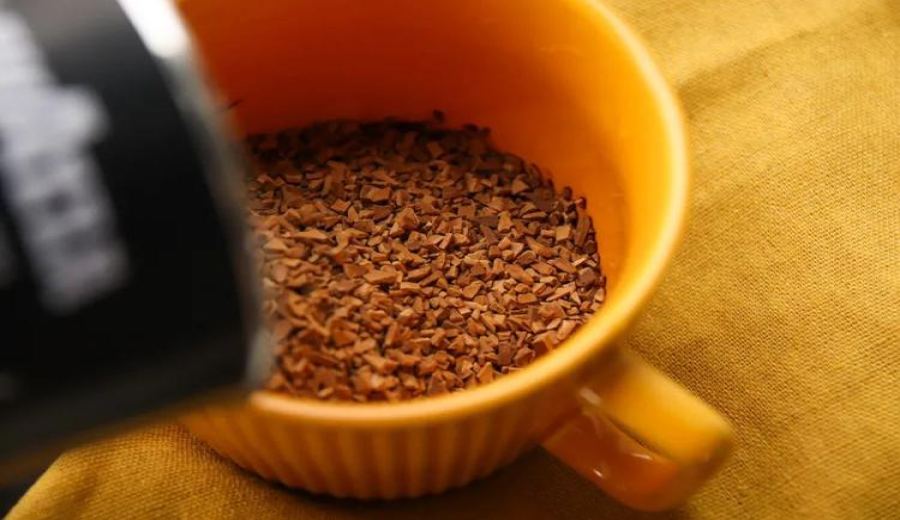
Introduction:Many consumers in the market have doubts about the quality of Sizhimao Coffee, believing that its unusually low price may indicate issues. They also want to know how it compares to the well-known international brand Nestlé and which is the better choice. This article will provide an in-depth comparison of the two in terms of raw material sourcing, flavor characteristics, and health impacts, and will also introduce healthier alternatives—such as high-altitude specialty Catimor coffee from the Baoshan region of Yunnan—to help you make a more informed purchasing decision.
Sizhimao is a full-industry-chain enterprise focused on Yunnan’s small-grain coffee, managing everything from planting and production to sales. Its products are mainly instant coffee. Many consumers often compare it with the international giant Nestlé, not only curious about the difference in taste but also questioning why Sizhimao’s pricing is so affordable—some even suspect there may be quality concerns.
If comparing taste alone, Sizhimao and Nestlé are on a similar level, each with its own supporters. Those who prefer a strong flavor may lean toward Nestlé, while those who support domestic coffee or favor locally distinctive products may find Sizhimao a worthy consideration.
There are significant differences in their raw material composition. Nestlé uses a blend of Yunnan-grown Arabica beans and Hainan-grown Robusta beans to balance flavor and body. In contrast, over 98% of Sizhimao’s formula consists of high-mountain coffee beans grown locally in Yunnan, primarily the Catimor variety. Catimor is a hybrid of Arabica and Robusta. Though not as refined as purebred Arabica, it is noticeably better than typical Robusta, often featuring subtle fruity acidity, nuttiness, and herbal notes.
It’s worth noting that both Nestlé and Sizhimao’s instant coffee products typically contain added sugar and non-dairy creamer. Excessive long-term consumption of these ingredients may increase the risk of obesity and cardiovascular diseases. It is recommended to consume no more than two cups per day and to rinse your mouth with water afterward to help reduce the risk of tooth decay.
If you prioritize health and the authentic taste of coffee, consider switching to freshly roasted coffee beans in the form of drip bags. For example, high-altitude specialty Catimor coffee from the Baoshan region of Yunnan is grown at altitudes between 1450 and 1550 meters. Only fully ripe coffee cherries are harvested and processed using the natural (sun-dried) method, preserving richer natural flavors.
These specialty drip bags can showcase bright acidity and sweetness reminiscent of red berries, the rich texture of dark chocolate, the aroma of roasted nuts, and caramel sweetness without the need for milk. When milk is added, the overall flavor transforms into a softer profile akin to a berry milkshake, chocolate, and caramelized nuts—ideal for those who enjoy milk-based coffee.
The recommended steps for brewing drip coffee are as follows: First, use a cup with sufficient capacity to ensure the drip bag does not come into contact with the brewed coffee during pouring. Next, open the drip bag and unfold the two “ears” on either side, then securely hang it on the rim of the cup.First, pour 30 milliliters of hot water, let it steep for 20 to 30 seconds to bloom, awakening the aroma of the coffee grounds.Then, pour approximately 60 milliliters of water every 10 seconds, twice in total. Finally, remove the drip bag and enjoy a cup of coffee that is rich in aroma and healthier.
The above content is compiled by CoffeeHunters, a coffee news website.


