







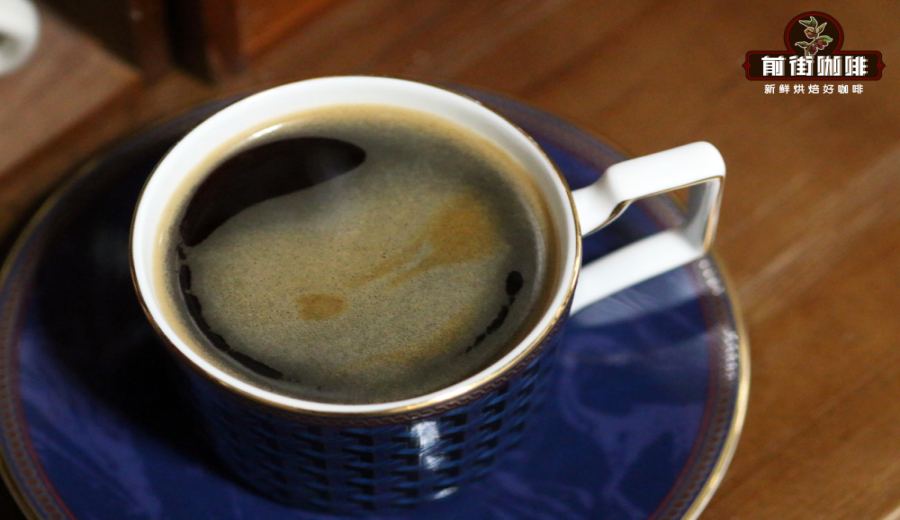
Introduction:Americano is one of the most common types of coffee drinks, but there are actually two main methods of preparation: one is made by diluting espresso with hot water in cafés, and the other is brewed directly using a home drip machine. This article will provide a detailed comparison of the principles, equipment, steps, and flavor differences between these two methods, along with tips on using a drip machine and advice on selecting suitable coffee beans, helping you find the Americano that best suits your taste.
In daily life or at workplaces, Americano is arguably the most commonly consumed coffee drink. However, many people may not realize that Americano can be made through two very different methods: one is by diluting espresso with hot water in cafés, and the other is by directly brewing using a home Americano drip machine. This article will explore in depth the differences between these two methods in terms of preparation principles, required equipment, operational procedures, and final flavors. It will also explain step-by-step how to use a drip machine to brew an ideal cup of Americano, and recommend suitable coffee bean choices based on the flavor characteristics of different regions, helping you find the cup that hits the spot.
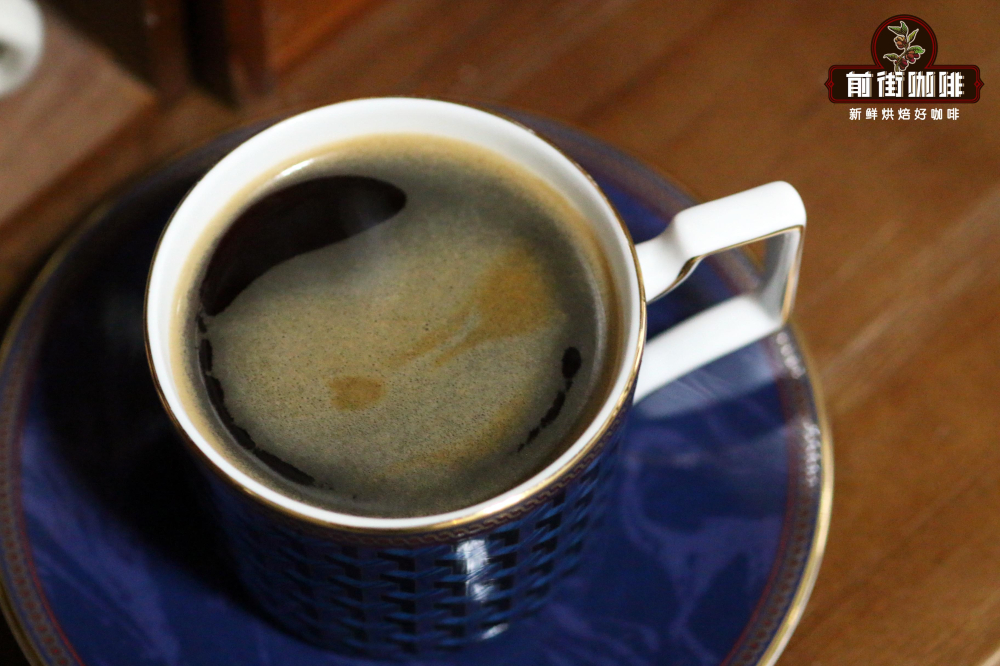
In both café and home settings, Americano is an extremely popular choice. Overall, the preparation of Americano can be divided into two main types: the "espresso plus water" method commonly used in coffee shops, and the "Americano drip machine" extraction method. Although the end result is a cup of coffee that is clear in color and relatively light in flavor, the production logic and final outcomes of the two methods are quite different.
The Americano commonly seen in cafés is actually an extension of espresso-based drinks. Legend has it that this beverage originated after World War II, when Italian immigrants in the United States found that Americans preferred the lighter taste of drip coffee and were not accustomed to the high concentration and strong flavors of espresso. As a result, they diluted the espresso with hot water to adjust it to a more palatable strength, gradually leading to the form of Americano commonly seen in cafés today.
To prepare this type of Americano, a professional espresso machine is required, which is usually only commonly found in coffee shops due to its relatively high price, and is rarely owned by households. However, its advantage lies in fast extraction, enabling a cup of coffee to be made in a short amount of time. In practical operation, for example, 20 grams of coffee grounds are typically used to extract about 40 grams of espresso, which is then diluted with 200 milliliters of hot water, resulting in a coffee-to-water ratio of approximately 1:5. At this ratio, the coffee retains the aroma and layers of espresso without being overly intense due to excessive concentration.
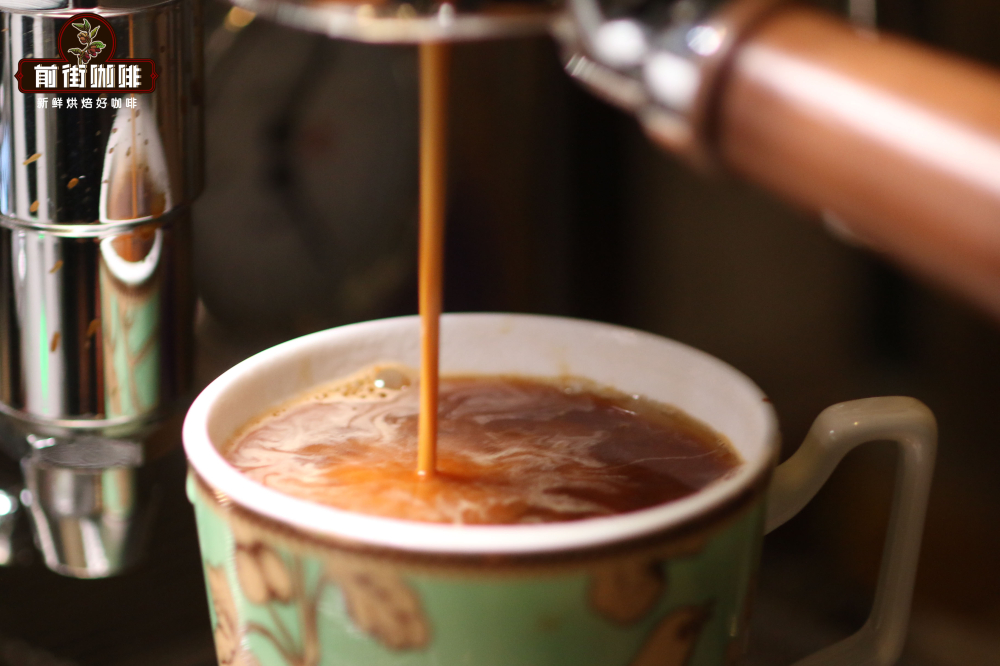
In one real-life café case, an Americano made using the shop’s own roasted 'Sunflower Warm Sun Blend' coffee beans showcased flavors of vanilla cream, caramel-like brown sugar sweetness, and a hint of whiskey aroma, offering a complex profile well-suited for consumers who enjoy layered flavors.
In contrast, the operating principle of the Americano drip machine is closer to that of pour over, also falling under the category of drip extraction, but it largely relies on preset programs within the machine, leaving little room for user adjustment. For beginners who are not familiar with coffee brewing techniques, such machines are quite user-friendly and easy to get started with; however, for coffee enthusiasts accustomed to manually controlling brewing variables, it may seem somewhat monotonous.
Americano drip machines are commonly found in offices, homes, or some Western-style breakfast shops. To use one, first place the bottom carafe into the machine, close the lid, and then add about 20 grams of coffee grounds (the grind size is recommended to be similar to pour over, with reference to an 80% passing rate through a standard 20-mesh sieve) into the metal filter basket built into the machine. If you want the brewed coffee to be clearer and less affected by fine coffee particles, you can additionally place a trapezoidal filter paper inside the filter basket.
In terms of coffee dosage, the generally recommended ratio is 5 grams of coffee grounds per 100 milliliters of water, so 20 grams of coffee grounds would typically require 400 milliliters of hot water. During operation, first fill the water tank with an appropriate amount of hot water. Once the machine is started, water flows from the tank through a U-shaped heating tube, is heated to approximately 100°C, and is then evenly sprayed onto the coffee grounds in the filter basket via water pressure and temperature control, allowing for thorough soaking and extraction. The whole process takes about 5 to 8 minutes, and in the end, a completed cup of Americano drip coffee is obtained in the carafe.
The Americano produced by this method usually has a lighter flavor, a refreshing mouthfeel, and basic coffee aroma, making it an excellent choice to accompany breakfast or serve as an afternoon pick-me-up, and it aligns with the expectations of many consumers for a “light coffee.”
Another advantage of the Americano drip machine is its simplicity of operation—no specialized coffee knowledge is required to use it easily. It is also compatible with a variety of coffee beans of different flavor profiles, and can showcase diverse flavor characteristics depending on the origin and processing method of the beans selected. For instance, if you prefer coffee with pronounced fruitiness and bright acidity, you can choose beans from Ethiopia, Kenya, or Panama. If you prefer a richer, chocolatey or caramel-toned coffee, you might consider beans from Brazil, Colombia, Indonesia, or Jamaica—varieties that often exhibit more intense, sweet flavor profiles suitable for the taste preferences of different consumers.
The above content is compiled by CoffeeHunters, a coffee news website.


