







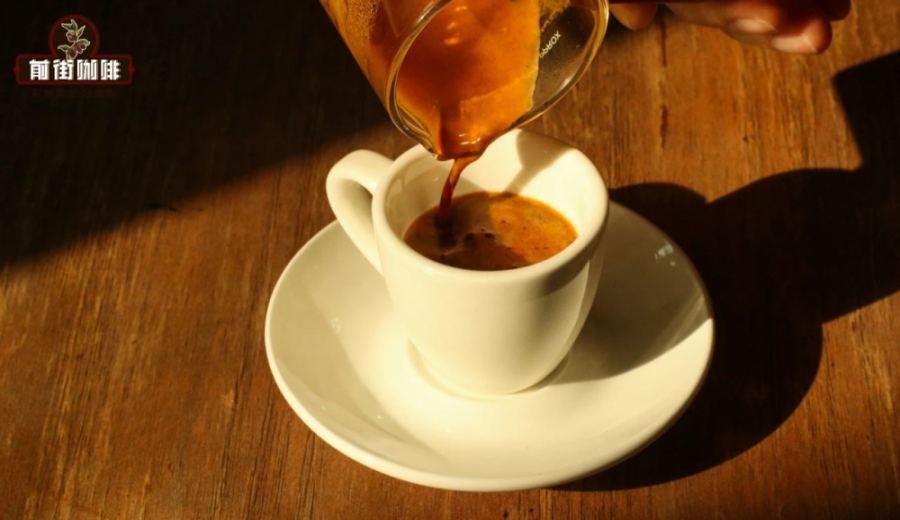
Introduction:To craft an espresso with rich crema and layered complexity, the key lies in selecting the right blend and mastering precise extraction control. This article delves into six classic espresso blend recipes—from balanced profiles to dark roast wine notes—alongside practical parameters for dose-to-water ratio, grind size, and brew time. It also shares tips for choosing high-quality blends to help you master professional-grade espresso-making techniques.
To brew an espresso with fine, persistent crema and a full-bodied texture, not only do you need a reliable espresso machine, but the choice of blend and roast level are also critical to success. Many specialty cafés and home users focus solely on equipment when selecting espresso beans, overlooking the intrinsic characteristics of the beans themselves. In reality, the blend ratio, roast depth, and subsequent extraction parameters are the true soul that shapes the flavor profile.
Below, we introduce six common espresso blend formulas, including balanced profiles, intense bitterness, bright acidity, wine-forward specialties, high-end premium options, and budget-friendly basics. We also provide detailed, knowledge-rich and practical extraction recommendations—such as dose-to-water ratio, grind fineness, and brew time—to help both enthusiasts and professionals find the most suitable blend and brewing strategy.
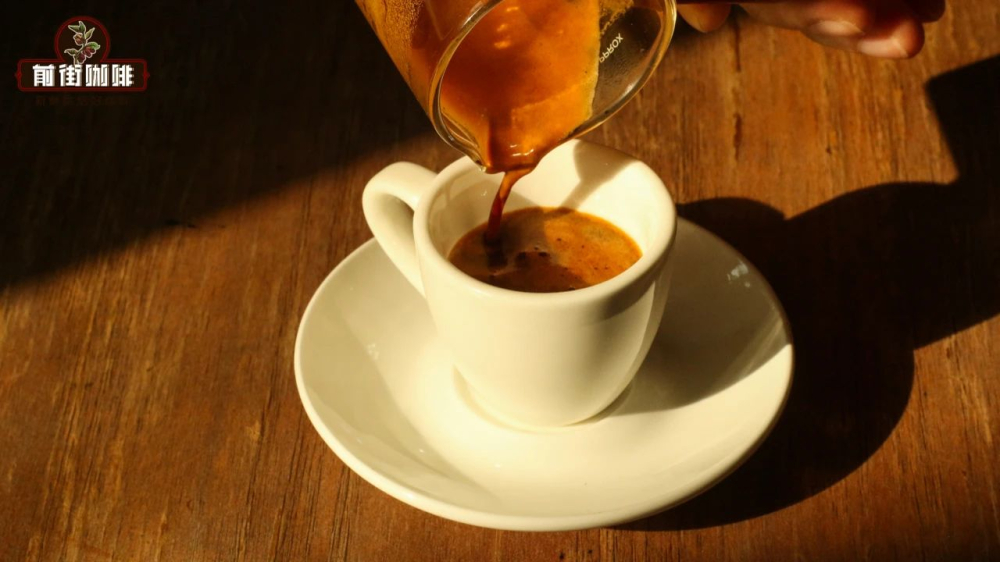
The term "espresso beans" refers to blends specifically designed for use in espresso machines. These are typically paired with milk or hot water to create classic drinks like lattes, cappuccinos, Americanos, and flat whites. Generally, such beans are a combination of two or more coffee varieties—or the same variety roasted to different degrees—and are professionally blended to allow various flavor elements to complement each other, resulting in a richer, more harmonious taste structure.
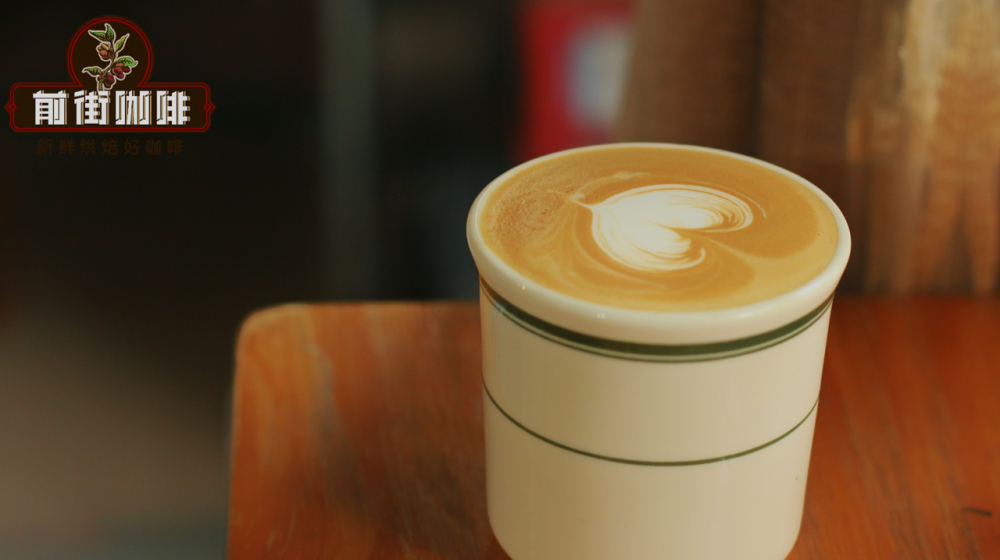
For example, a high-quality espresso blend often achieves balance between acidity, bitterness, sweetness, aroma, and body. The resulting crema is fine and long-lasting, facilitating smooth integration with milk to produce coffee drinks that are both visually appealing and layered in flavor—particularly well-suited for latte art.
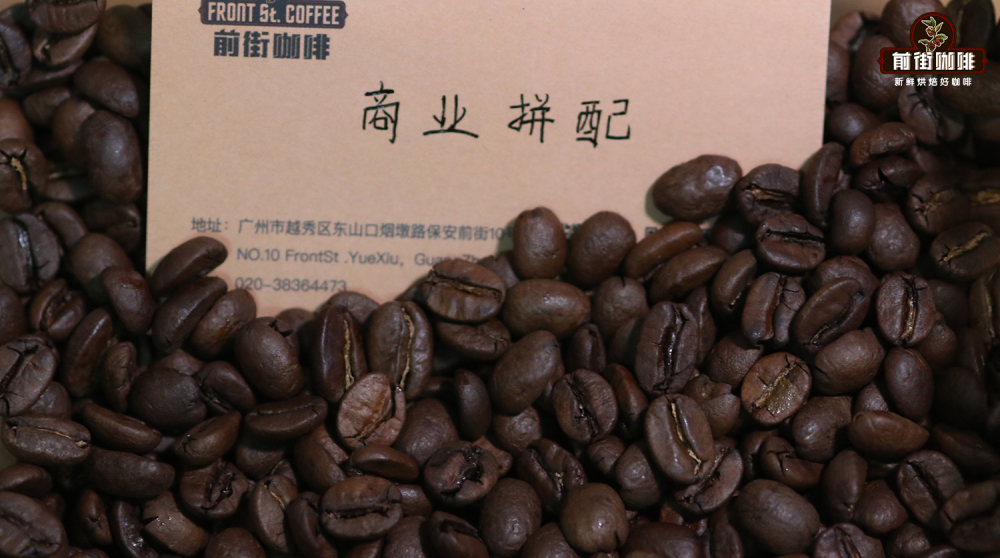
Below are six classic espresso blend options, each showcasing distinct flavor characteristics and suited to different scenarios and consumer preferences:
1. Balanced Flavor Blend (Ideal for Beginners)
Blend Ratio: Guatemala (30%), Colombia (30%), Brazil (20%), Tanzania Kilimanjaro (10%).
Profile: Offers a balanced interplay of acidity, sweetness, bitterness, and aroma, with moderate intensity—perfect for newcomers to espresso. Tanzania contributes fruity notes and mild acidity, Guatemala brings smoky and tropical fruit tones, Colombia balances acidity and bitterness, while Brazil provides a stable base.
2. Bitterness-Dominant Commercial Blend (Classic Intense Flavor)
Blend Ratio: Colombia (30%), Brazil (60%), Robusta (10%).
Profile: Primarily dark roasted, with pronounced bitterness and a full body, plus abundant crema—ideal for cafés with high daily output. Robusta enhances intensity and body, while Brazil and Colombia contribute caramel and nutty notes.
3. Acidity-Focused Blend (Bright Fruity Acidity)
Blend Ratio: Tanzania Kilimanjaro (40%), Yirgacheffe Red Cherry (20%), Brazil (20%), Colombia (20%).
Profile: Features prominent yet harmonious acidity, suited for those who enjoy a fresh, vibrant cup. African beans deliver citrus and floral notes, while Brazil and Colombia temper any overly sharp acidity.
4. Wine-Aroma Specialty Blend (Warm Fermented Notes)
Blend Ratio: Honduras Sherry (60%), Yirgacheffe Red Cherry (40%).
Profile: Named "Sunflower Warm Sun," this blend offers distinct wine-like aromas and creamy sweetness, ideal for consumers seeking unique flavor layers. The main component is sherry-aged beans with intense fermented notes, complemented by the berry acidity of Yirgacheffe.
5. Premium All-Purpose Blend (High-Quality Everyday Choice)
Blend Ratio: Brazil (70%), Colombia (30%).
Profile: Medium-dark roasted, with a full body and layered complexity—suitable for cafés seeking consistent daily offerings. Brazil provides a nutty and dark chocolate foundation, while Colombia adds fruity and nutty undertones.
6. Budget-Friendly Basic Blend (High-Value Entry Option)
Blend Ratio: Yunnan beans (40%), Brazil (60%).
Profile: Exceptional value with a universally approachable flavor—ideal for budget-conscious users who still want a stable taste. Brazil ensures a stable, full-bodied cup, while Yunnan beans round out the basic flavor profile, making it suitable for moka pot or home machines.
When selecting and blending espresso beans, several key points deserve special attention:
1. Prioritize high-quality, stable green beans—low-quality beans can rarely be salvaged even through blending.
2. Strictly remove defective beans, such as those damaged by insects, underdeveloped, hollow, or off-smelling, to avoid compromising overall extraction quality.
3. Understand each bean variety’s characteristics, familiarizing yourself with the flavor tendencies of different origins and processing methods to effectively craft a harmonious blend.
4. Master roast level differences: dark roasts enhance body and crema, medium roasts balance acidity and bitterness, and light roasts highlight fruitiness and aroma. Proper blending achieves the desired flavor expression.
Many specialty shops choose to blend their own beans to create a unique in-house flavor profile. For example, combining Honduras Sherry beans (with wine-like processing) and bright-acidity Yirgacheffe Red Cherry at a 7:3 ratio yields a blend that balances richness and aroma—well-suited for lattes or straight espresso.
Additionally, while espresso beans are designed for use in espresso machines, they can also be used for pour over. If you’d like to try, we recommend using a V60 dripper with about 15g of coffee, water temperature at 90°C, and a dose-to-water ratio of 1:15. Use a slightly coarser grind than for espresso (approximately 75% passing through a #20 sieve). Employ a pulse pouring method: start with a 30g bloom for 30 seconds, then pour in small streams to reach 125g, followed by a final pour to 225g. Total brew time is around 2 minutes, revealing unexpectedly layered flavors.
The above content is compiled by CoffeeHunters, a coffee news website.


