







Introduction:This article delves into the transformative journey of Yunnan coffee—from its early stereotypes to its current significant status in the specialty market. It explores the natural advantages of major producing regions such as Baoshan and Lincang, details the distinctive characteristics of two classic processing methods—washed and natural—and offers practical recommendations for medium roast and a three-stage pour-over method to help readers fully grasp the flavor potential and brewing essentials of Yunnan coffee.
Not long ago, when Yunnan coffee was mentioned, many people would immediately think of impressions such as "low price and mediocre quality." However, today, more and more specialty coffee shops are including Yunnan single-origin beans on their menus, even categorizing flavors based on different processing methods. Represented by Baoshan small-bean and Lincang Typica, Yunnan coffee, with its unique geographical conditions and processing techniques, has gradually secured its place in the global specialty coffee supply chain.
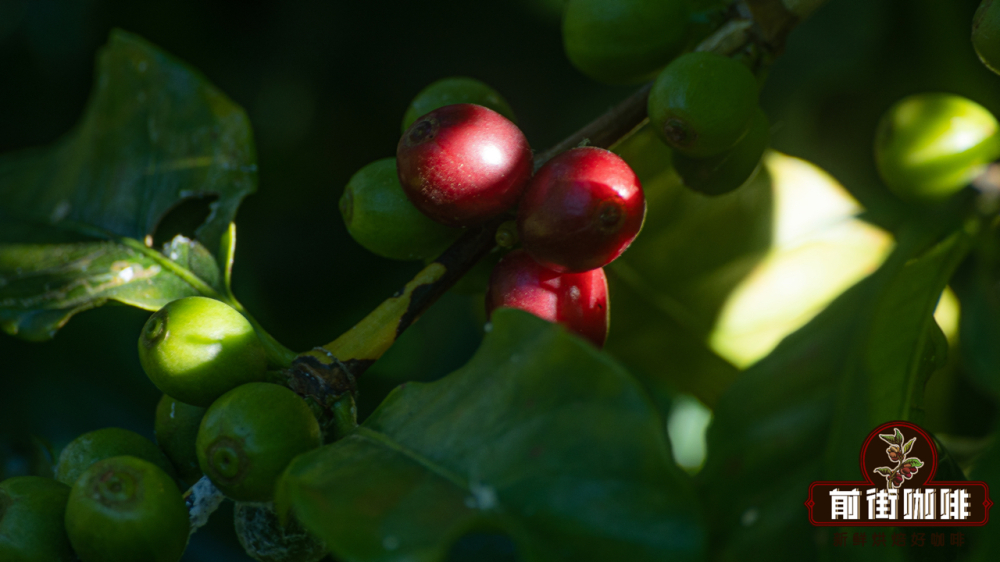
Looking back at history, Yunnan’s connection with coffee began in 1904, when French missionary Téodore Monod planted the first coffee tree in Zhugula Village, Binchuan, marking the beginning of a century-long bond between this land and coffee. The true shift toward commercial cultivation came in the 1950s, when botanist Qin Renchang discovered red coffee cherries in Luxi County, Dehong Prefecture. After being identified as small-bean coffee, trial plantings were carried out in the Mangshi Forest Farm and the Luxi Dam in Baoshan. In 1955, the Luxi Dam officially began production, signifying the start of China’s new-era coffee industry.
The turning point for Yunnan’s coffee industry came in 1988, when Nestlé established a branch locally, introducing the disease-resistant and high-yield Catimor variety, and promising to purchase beans at international futures prices. Subsequently, brands such as Starbucks and Maxwell also entered the market. However, due to early farmers’ lack of professional planting knowledge and relatively crude processing techniques, most green beans were only suitable for instant coffee production, and prices were dictated by the futures market. To break out of this predicament, specialization and industrial upgrading became inevitable directions.

With the rise of China’s domestic coffee consumption market and the international community’s focus on sustainable agriculture, more and more international coffee experts have come to Yunnan. They have provided technical support in areas such as shade tree arrangement, pest and disease management, ripeness control during harvesting, and processing method refinement, significantly improving the quality of Yunnan coffee. Today, well-known brands including Starbucks, Blue Bottle Coffee, Luckin Coffee, and Manner have all launched products inspired by Yunnan-origin beans, further deepening public understanding of the flavors of this region.
Currently, the main coffee-growing areas in Yunnan span eight regions: Pu’er, Baoshan, Dehong, Lincang, Nujiang, and Xishuangbanna, with the first six being core producing areas. These regions are mostly located in low-latitude, high-altitude zones with large day-night temperature variations. Coffee trees are primarily cultivated on slopes, where the terrain and soil conditions are conducive to nutrient accumulation and flavor development. There are already several geographical indication protected products in the area, such as Baoshan Small Bean Coffee, Dehong Small Bean Coffee, and Pu’er Small Bean Coffee. Among them, Baoshan Small Bean Coffee stands out for its unique aftertaste.
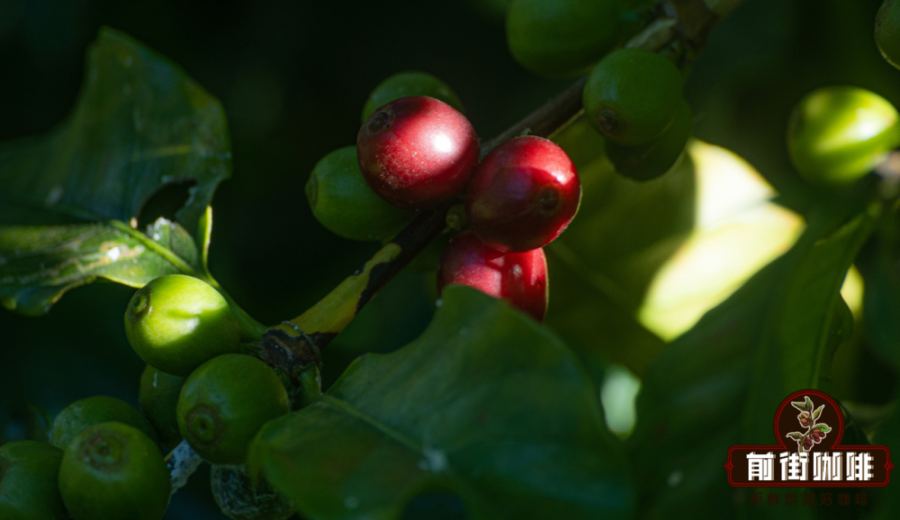
Baoshan Producing RegionBaoshan features a low-latitude mountainous subtropical monsoon climate. Its complex terrain creates a distinct "four seasons on one mountain" vertical climate, with an average annual temperature of 14–17°C and annual rainfall ranging from 700 to 2100 millimeters. The distinct dry and wet seasons, along with moderate rainfall and noticeable day-night temperature differences, facilitate slow maturation of coffee cherries, resulting in more layered aromas and sweet aftertastes. The image shown illustrates the unique geographical and climatic conditions of the Baoshan producing region.The photo depicts the unique geographical and climatic conditions of the Baoshan producing region.
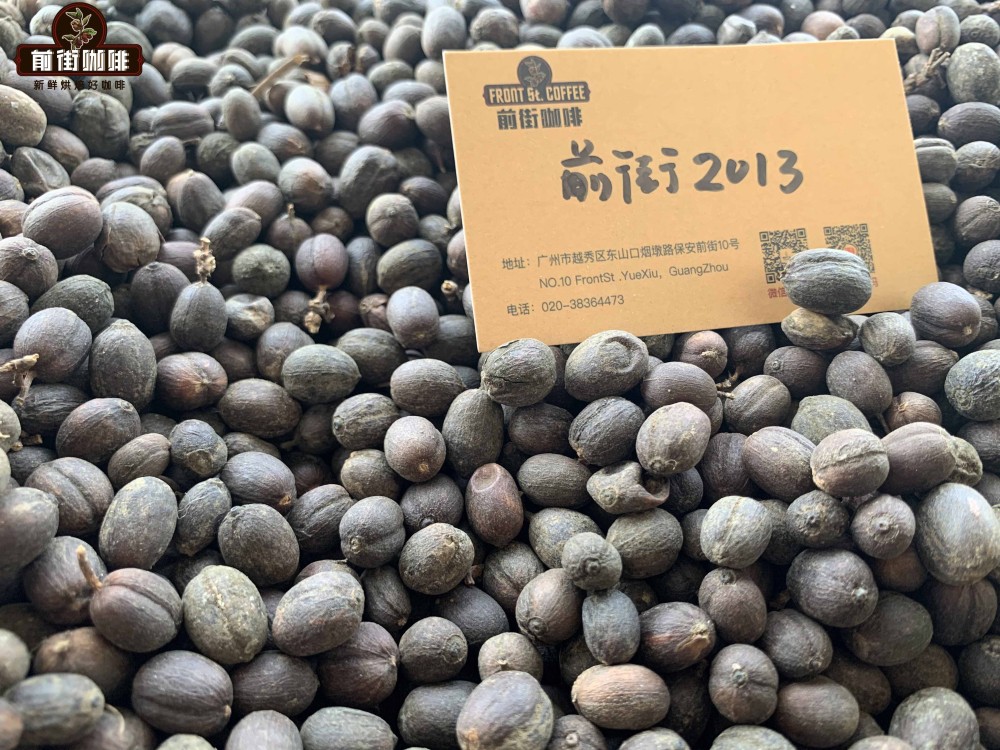
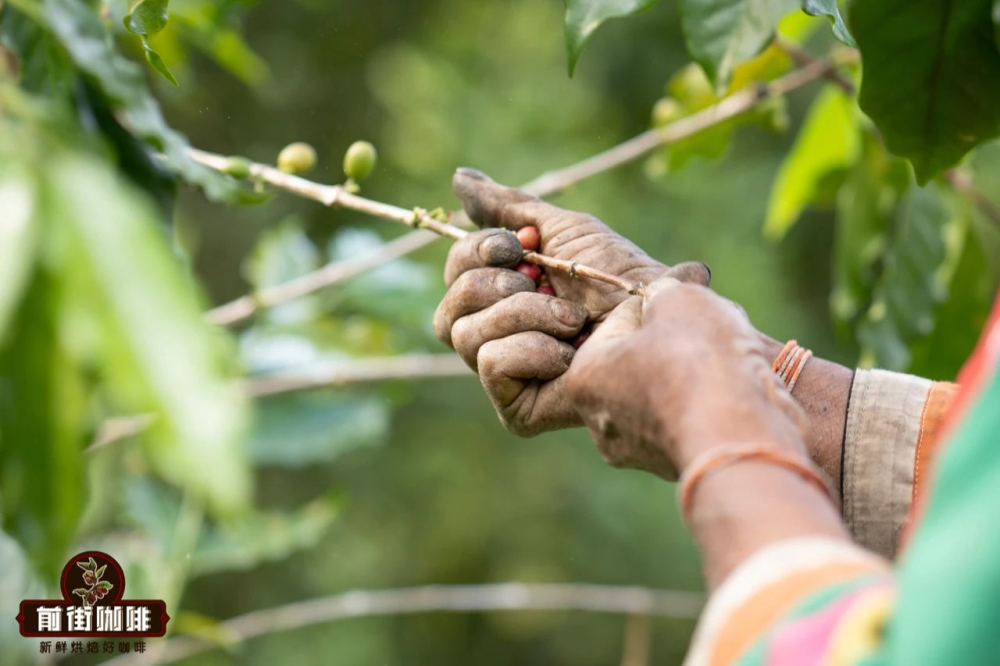
In addition to Baoshan small bean,Lincang Producing Regionis another important hub for Yunnan specialty coffee. Influenced by both the warm, humid airflow from the Indian Ocean and the southwestern monsoon, the region experiences distinct dry and rainy seasons, abundant sunshine, and short frost periods. Some high-altitude areas are even frost-free year-round. A well-known coffee brand owns its own estate in Lincang, managing the entire process—from seed selection and planting to harvesting and processing—since 2013. It has launched an exclusive natural-processed Typica variety named "2013." Every November, when the coffee cherries turn red, workers hand-pick them individually and evenly spread the fresh fruit under the sun to dry naturally, regularly turning it to ensure uniform dehydration. This natural sun-drying method imparts a richer sweetness and more complex fermentation layers to the coffee.
The processing methods for Yunnan coffee are mainly washed and natural. Washed processing significantly reduces defect rates, improving the overall cleanliness and stability of the beans—especially suitable for Yunnan’s rainy climate. Natural processing, on the other hand, highlights sweetness and fruity notes, delivering a rounder mouthfeel. A well-known coffee brand recommends trying washed Baoshan small bean as an entry point to purely experience the authentic flavors of the Yunnan producing region, avoiding misjudgments that flavor-enhanced processing might cause.
In terms of roast level, since the flavor profile of Yunnan coffee tends to be balanced—with acidity, sweetness, and bitterness all present—medium roastis considered the best choice to highlight its characteristics. Cupping results show that washed Baoshan small bean often exhibits layers of hazelnut, herbal, sweet potato, melon, brown sugar, cream, plum, and caramel, with a smooth mouthfeel and a sweet aftertaste. Meanwhile, natural Typica displays aromas of caramel, nuts, chocolate, berries, black tea, and sugarcane, with a medium-to-high body and a long, layered black-tea-like finish.
If you’d like to brew Yunnan coffee at home, it is recommended to use freshly roasted beans within five days to fully experience their complete flavor profile. Here is a practical pour-over recommendation: use a Hario V60 filter, 15 grams of coffee, water temperature around 90°C, and grind size at 70% through a 20-mesh sieve (or EK43s setting 10.5). It is suggested to use the three-stage pouring method to achieve even extraction and avoid over- or under-extraction.
【Three-Stage Pour-Over Parameters】
Filter: Hario V60
Coffee Amount: 15 grams
Water Temperature: 90°C
Grind Size: 70% through a 20-mesh sieve (or EK43s at 10.5)
Coffee-to-Water Ratio: 1:15
Pouring Steps: Start with a bloom using twice the coffee weight (about 30 grams) for 30 seconds; then pour in a small circular motion until reaching 125 grams and pause briefly; once the coffee bed drops to the middle of the filter, pour up to 225 grams. Total extraction time is approximately 2 minutes.
By understanding the terroir, processing techniques, and suitable roast and brewing strategies, you will be able to more deeply appreciate the diverse profiles of Yunnan coffee and discover your own personal favorite.
The above content is compiled by CoffeeHunters, a coffee news website.


