








Introduction:As one of the world’s major coffee-producing countries, Indonesia is renowned for its three major islands—Sumatra, Java, and Sulawesi—which have given rise to classic coffee regions such as Mandheling, Java, and Sulawesi. This article will delve into the geographical characteristics, primary coffee varieties, and unique processing methods—including wet hulling, honey processing, and semi-washed—of these three key Indonesian coffee regions, helping you understand the distinctive flavor profiles and background stories behind these coffees.
Indonesia is a globally recognized Asian coffee-producing region, with its coffee cultivation primarily concentrated on the three major islands of Sumatra, Java, and Sulawesi. These three areas, due to differences in climate, terrain, and processing techniques, produce distinctly flavored coffees, with Sumatra’s Mandheling being the most famous for its bold, full-bodied profile with herbal and dark chocolate notes, favored by those who prefer dark roasts and heavier mouthfeels.
The history of coffee cultivation in Indonesia dates back to the 17th-century Dutch colonial period, when coffee trees were first introduced to Europe from Java. Over time, Robusta gradually became the dominant variety, accounting for over 90% of national production. However, there are still small quantities of high-quality Arabica beans, particularly in high-altitude regions such as Sumatra and West Java, which showcase unique regional flavors.

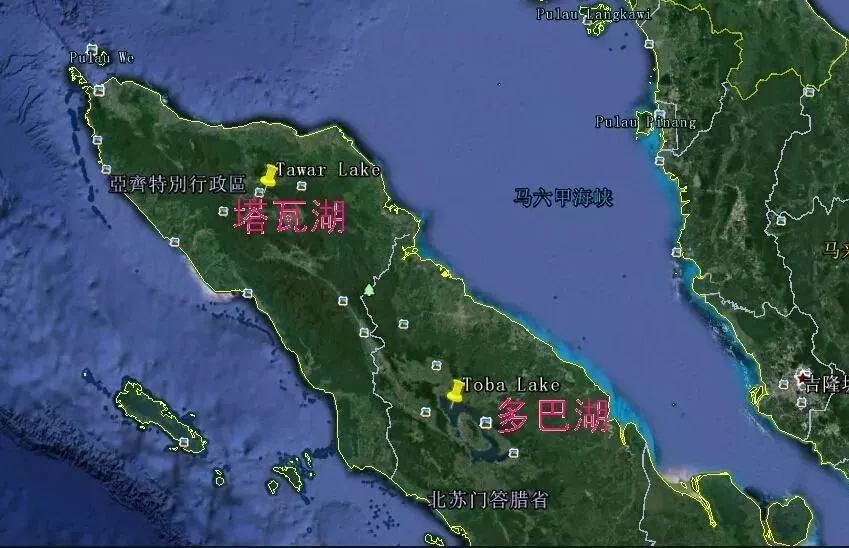
Sumatra is one of Indonesia’s most iconic coffee-producing regions, especially known for its Mandheling grown in the mountainous areas around Lake Toba. With an elevation of around 900 meters, the area features a cool and rainy climate that is very suitable for coffee tree growth. Mandheling coffee is primarily grown in the Lintong region of North Sumatra and around Lake Toba, where the most common variety is Ateng (Indonesia’s term for Catimor). It offers a rich flavor with distinctive herbal and earthy aromas.
Wet Hulling: The Soul of Sumatran Coffee Processing
Sumatra’s wet hulling method (Giling Basah) is a locally unique coffee processing technique. Due to the region’s rainy and unpredictable weather, which makes traditional sun drying difficult, and economic constraints, farmers have developed this efficient yet distinctive processing method. The process can be roughly divided into two stages: first, the skin and pulp are removed, allowing the coffee beans to undergo short fermentation, then the moisture content is reduced to 30–50% in a semi-dry state. At this point, the mucilage layer and part of the parchment are removed, followed by continued drying until the moisture content reaches 12–13%. This processing method gives Mandheling coffee its deep, bold character with unique woody and earthy tones.
Key Characteristics of Sumatran Golden Mandheling
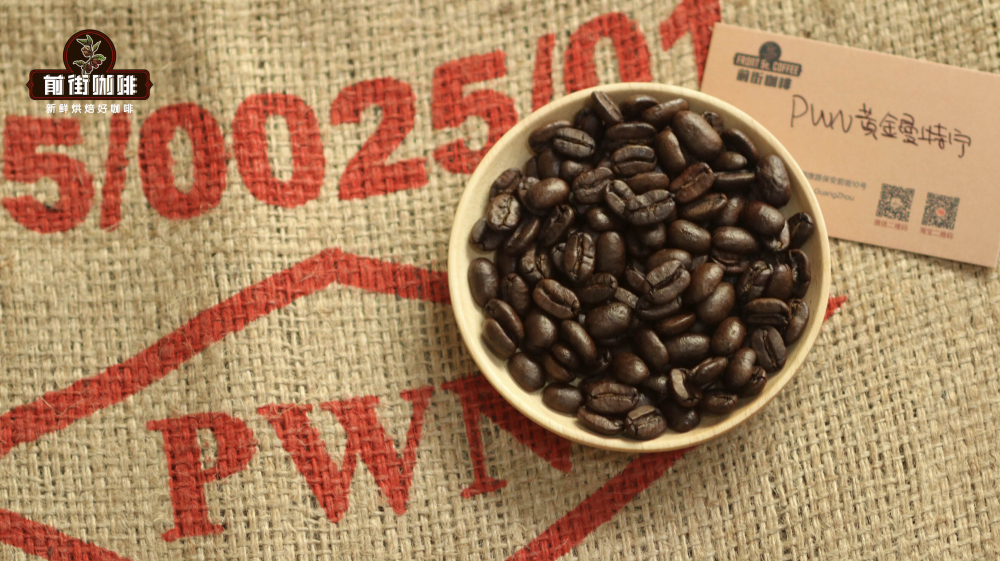
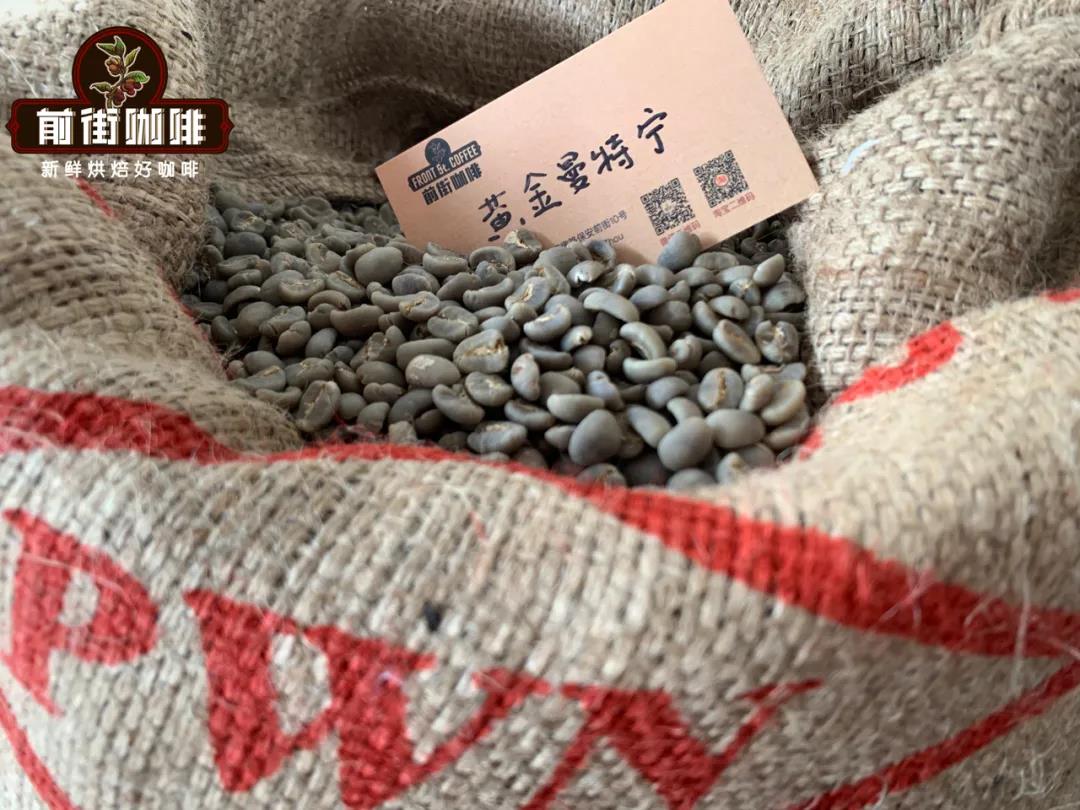
The “Golden Mandheling” commonly heard in the market refers to premium-grade Mandheling from the high-altitude Gayo Mountains in Aceh, Sumatra, graded as G1 with extremely few defects (less than 3 in a 300g sample), and with a darker green color and intact bean shape. This grade of coffee undergoes multiple rounds of manual sorting to remove impurities and off-flavors, resulting in a cleaner, sweeter taste with a pronounced aftertaste. It is one of the representatives of Indonesia’s high-quality Arabica coffees. When purchasing, it is recommended to ask for the raw bean sack packaging or relevant certification information to verify authenticity.
West Java is located in the western part of Java Island and has a tropical rainforest climate, characterized by year-round high temperatures and humidity, but with distinct wet and dry seasons. The region’s soil, enriched by frequent volcanic activity, is highly fertile and well-suited for coffee cultivation. Notable producing areas include Tigalara, which produces coffee varieties such as S795 (also known as Jember)—a high-quality hybrid originating from India, known for its rich floral and fruity aromas.
In West Java, some producers employ the honey processing method (Honey Process), which involves drying the beans while retaining part of the mucilage layer. This allows the coffee beans to accumulate more sweetness and complexity during the drying process. Compared to traditional washed or sun-dried methods, honey processing can deliver a more abundant fruitiness—such as the aromas of tropical fruits like mango and jackfruit—and a hint of wine-like aftertaste. It is an excellent choice for coffee enthusiasts who enjoy a balance of fruity notes and sweetness.
Sulawesi Island (formerly known as Celebes) is one of Indonesia’s oldest islands, with its coffee-growing regions mainly concentrated in the highlands of South Sulawesi, particularly the Toraja area. The region sits at an elevation of about 1,200 meters, with rugged terrain making both coffee cultivation and harvesting challenging. Annual production is only around 1,000 metric tons, classifying it as a rare, premium-grade producing region.
The common processing method for Sulawesi coffee is the semi-washed method (also known as “wet stripping”). This approach involves briefly soaking the coffee cherries to ferment them, then removing the mucilage and drying the beans in the shade. Due to limited water resources in the area, this method balances environmental conditions with quality requirements. The resulting coffee often exhibits a clean, solid mouthfeel, along with soft acidity and pronounced caramel sweetness, with later notes often resembling the aftertaste of ripe grapes. The flavor profile is layered and long-lasting.
In summary, Indonesia’s three major coffee regions—Sumatra, West Java, and Sulawesi—each showcase unique geographical and processing characteristics. Whether it’s the bold richness of Sumatra, the fruity sweetness of West Java, or the solid balance of Sulawesi, they all reflect the wisdom of local farmers living in harmony with their natural environment. For enthusiasts eager to explore the world of Indonesian coffee in depth, understanding the flavor profiles and processing methods of these regions will help in selecting and appreciating the perfect cup that suits your palate.
The above content is compiled by CoffeeHunters, a coffee news website.


