







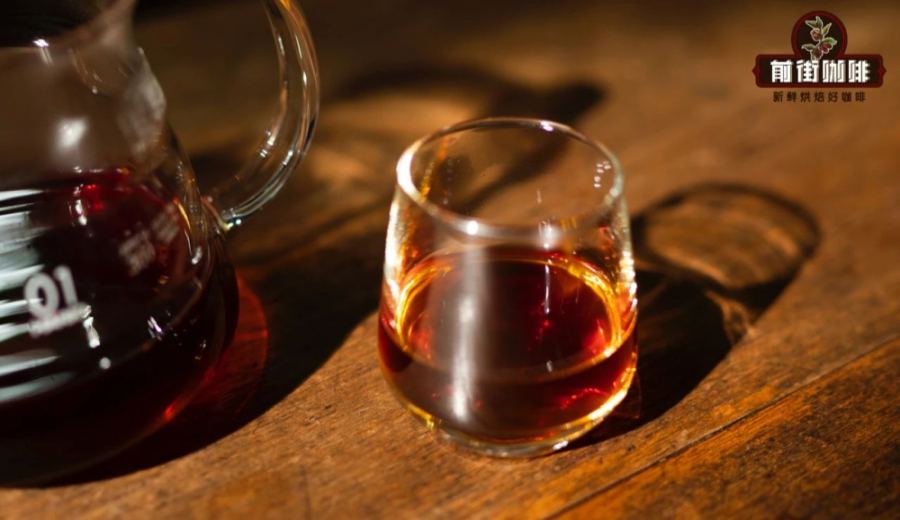
Introduction:Jamaica Blue Mountain coffee is renowned for its delicate and balanced flavor profile, and the Blue Mountain No. 1 from the Clifton Estate stands out as one of its finest examples. This article delves into the origin background and processing methods of this premium coffee bean, and provides a detailed guide to seven different brewing methods—including espresso, pour over, siphon, AeroPress, French press, cold drip, and Japanese-style iced pour over—offering complete parameter settings, step-by-step instructions, and flavor characteristics to help coffee enthusiasts explore the diverse flavor expressions of Blue Mountain.
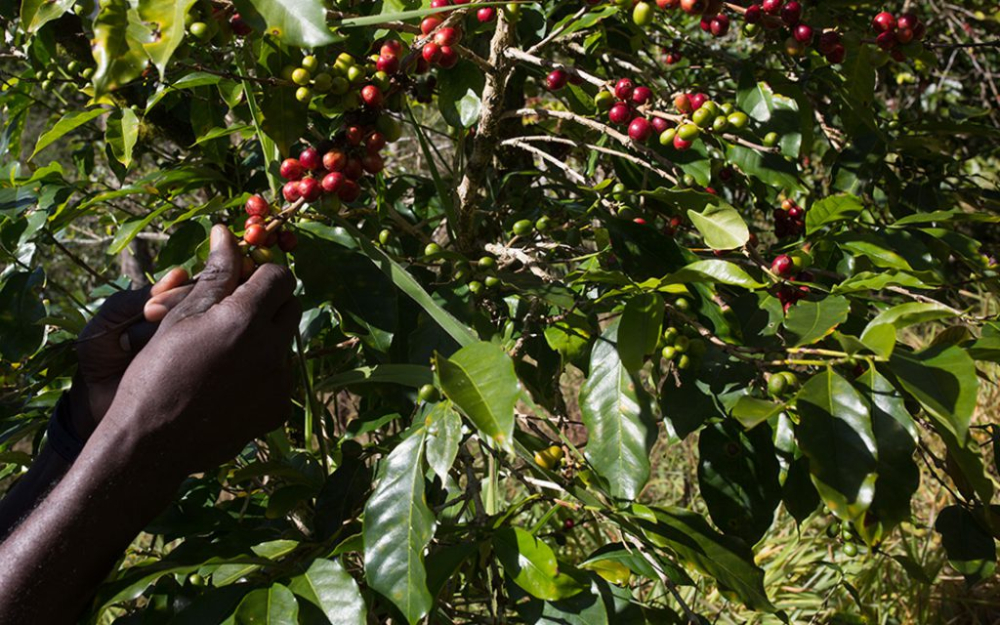
Jamaica Blue Mountain coffee has always been celebrated for its balanced flavor and harmonious interplay of acidity, sweetness, and bitterness. Among them, the Blue Mountain No. 1 from the Clifton Estate is a classic representative. This historic farm, located in the Newcastle region at an altitude of approximately 1310.64 meters, is not only the oldest surviving coffee-producing area in Jamaica but also holds Rainforest Alliance certification, making it one of the internationally recognized premium sources of Blue Mountain coffee.
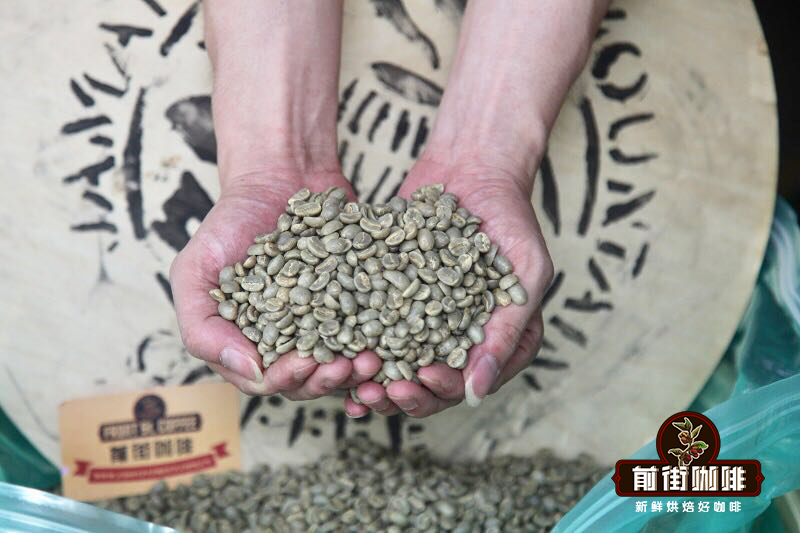
Blue Mountain No. 1 is processed using the washed method, where the pulp layer is removed through fermentation and washing, followed by thorough rinsing with flowing clean water to ensure a smooth bean surface free of impurities. This bean belongs to the Typica variety, with green bean specifications requiring a size of 17 mesh or above, a defect rate below 3%, and a moisture content of around 13%. The coffee beans are exported in wooden barrels and come with a certificate of origin and the Rainforest Alliance certification label to ensure quality and traceability.

For home brewers, Blue Mountain No. 1 is suitable for a variety of extraction methods. Below, we will detail seven common and practical brewing techniques, ranging from espresso to pour over, from siphon to cold drip. Each method comes with specific parameters and recommendations to help you fully appreciate the diverse flavors of Blue Mountain coffee.
1. Espresso and Latte
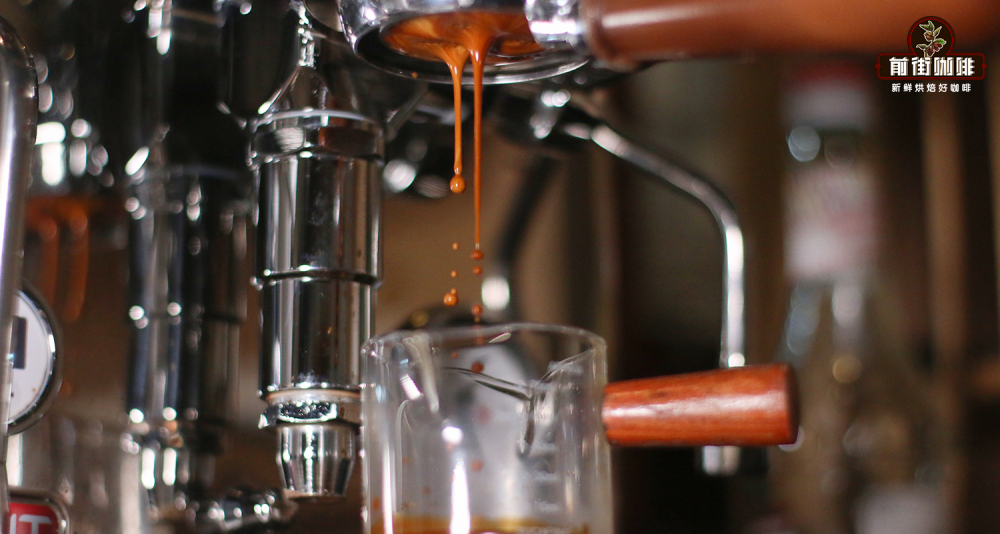
Use an extremely fine grind (close to the coarseness of fine salt), with a recommended dose of 20.5 grams, extracting 40 grams of beverage weight in about 26 seconds. Distribute the grounds evenly and tamp with consistent pressure, aiming for around 25kg/m². This extraction method highlights the caramel sweetness and soft acidity of Blue Mountain No. 1, with crema presenting a beautiful golden yellow. If the shot is diluted with hot water to make an Americano, the sweetness becomes brighter, and the chocolate and brown sugar notes in the aftertaste become more pronounced. When paired with fresh milk to make a Blue Mountain latte, it showcases a hazelnut-like sweetness and creamy chocolate flavors, with a delicate foam that does not overshadow the essence of the coffee.
2. Pour Over Coffee
There are various ways to brew pour over coffee; here we introduce three common filter cone techniques:
Kalita Wave (Fan-Shaped), Kalita Cake Cup, and Kono Filter Cone: Ideal for those who prefer a richer mouthfeel. Recommended dosage is 15 grams of coffee, 88°C water temperature, medium-coarse grind (similar to coarse sugar, 70% passing through a #20 sieve), with a brew ratio of 1:15. Start with a 30-second bloom using 30 grams of water, then pour in two stages to reach 225 grams total. Total brew time is about 2 minutes and 15 seconds. This method enhances body and flavor longevity.
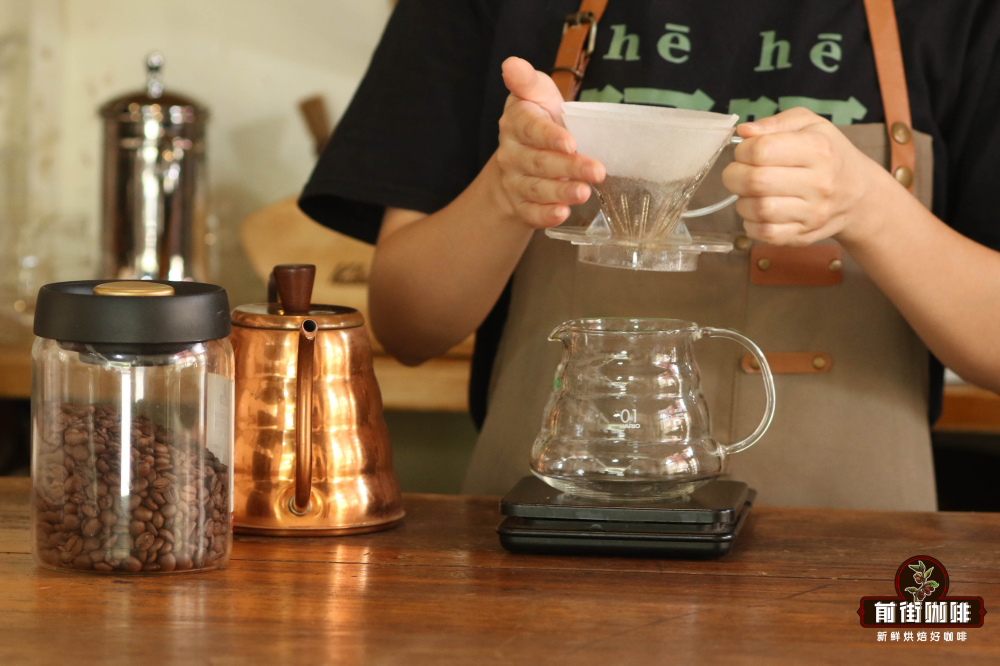
V60 Filter Cone: Known for its light, juicy character, suitable for those seeking a balance of acidity and sweetness. Use a medium grind (similar to white sugar, 75% passing through a #20 sieve), with the same 15 grams of coffee and 88°C water temperature, and a brew ratio of 1:15. Pour in two stages to reach 225 grams total, with a total brew time of about 2 minutes and 5 seconds. The result is a bright, aromatic cup with a clean profile.
Blue Mountain No. 1 performs with exceptional clarity when brewed as a pour over, offering a well-balanced acidity and sweetness, with fruity and dark chocolate notes in the aftertaste. The mouthfeel differences brought by different filter cones are notable and worth exploring.
3. Siphon Coffee
Use 25 grams of medium-coarse ground coffee (65% passing through a #20 sieve), with a brew ratio of about 1:12. Add the coffee grounds when the lower chamber is heated to approximately 90–95°C, stir three times, and bloom for 30 seconds. Total brew time is about 2 minutes and 15 seconds. This method emphasizes caramel and honey-like flavors, delivering a full-bodied yet clean cup with steady fruit acidity and a sweet, lingering finish.
Pay attention to securing the filter cloth and controlling the heat to avoid overheating the lower chamber, which may cause it to crack. The siphon is particularly suited for coffee lovers who enjoy a rich and bold cup.
4. AeroPress
Using the inverted method, 15 grams of medium-fine grind (80% passing through a #20 sieve), at 85°C water temperature. Start by pouring 35 grams of water for a 30-second bloom, then add 200 grams of water. Apply pressure and extract at 1 minute and 50 seconds. This method combines immersion and pressure brewing advantages, resulting in a bright yet full-bodied cup with prominent sweetness, featuring milk chocolate notes and a gentle aftertaste. The overall mouthfeel is smooth, almost tea-like.
The AeroPress is easy to use, perfect for those wanting a quick, rich cup of coffee.
5. French Press
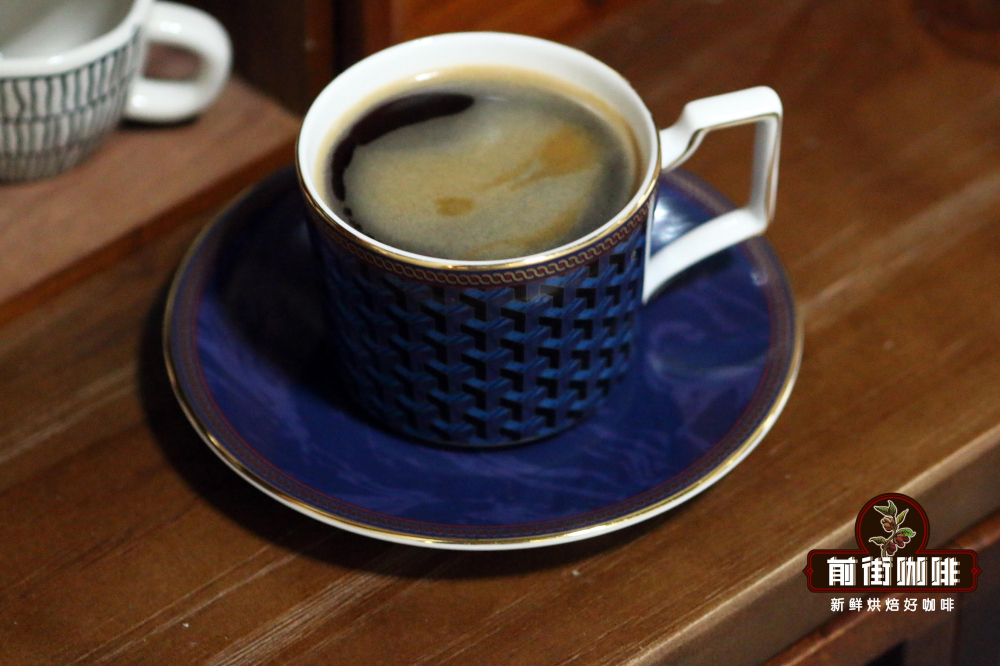
Use a medium-coarse grind (70% passing through a #20 sieve), with a brew ratio of 1:14. Brew 20 grams of coffee in 88°C water to reach 280 grams total, then bloom for 2.5 minutes before pressing down. The metal filter retains oils, enhancing smoothness and caramel sweetness, while showcasing layers of black chocolate and fruit acidity. The mouthfeel is round and full-bodied.
6. Cold Drip Coffee
Using a medium grind (75% passing through a #20 sieve), 60 grams of coffee to extract 600 milliliters, with a brew ratio of about 1:10–1:12. Use 0–2°C ice water, dripping at a rate of about 7 drops per 10 seconds. After dripping, it’s recommended to refrigerate and ferment for 3–4 nights to soften the mouthfeel and enhance body. Flavor-wise, the caramel and black chocolate sweetness is prominent. Over ice, it becomes even more refreshing, with soft fruit acidity and subtle fermented aromas.
7. Japanese-Style Iced Pour Over
Pre-place 100 grams of ice in the lower pitcher, use 15 grams of medium-coarse coffee grounds, at 89°C water temperature. First, pour 40 grams of water for a 30-second bloom to release gases, then slowly pour to reach 160 grams total for extraction. This method reduces concentration but enhances a silky mouthfeel. The acidity is bright, and the aftertaste carries fruity and nutty notes. Though less complex than hot brews, it offers a unique iced coffee experience.
In summary, Jamaica Blue Mountain No. 1 is an exceptionally versatile coffee bean. Through different brewing methods, it can present a wide range of profiles, from rich and bold to bright and sweet. Whether you’re a beginner or a seasoned coffee enthusiast, you can adjust parameters and techniques based on personal taste to discover your own ideal expression of Blue Mountain.
The above content is compiled by CoffeeHunters, a coffee news website.


