







Introduction:Behind a perfect shot of espresso lies the precise control of dose-to-water ratio, puck evenness, and extraction timing. This article delves into the four core operational elements that affect espresso quality, and provides a practical analysis of four different blends with distinct flavor profiles — from roast levels to brewing recommendations — offering coffee professionals and enthusiasts a more comprehensive guide for bean selection and brewing.
Espresso is the cornerstone of the Italian coffee system. Though it may appear simple in form, each step — from dosing, distributing, to extracting — can influence the final flavor. A well-known coffee brand, drawing on years of hands-on barista experience, has identified four key details to focus on when crafting high-quality espresso: drying the portafilter basket before dosing, evenly distributing the coffee grounds, mastering the puck tamping technique, and executing a quick and accurate extraction process. Each stage harbors common pitfalls, and understanding these details can significantly enhance espresso stability and flavor expression.
[Detail 1] Always Dry the Portafilter Basket Before Dosing
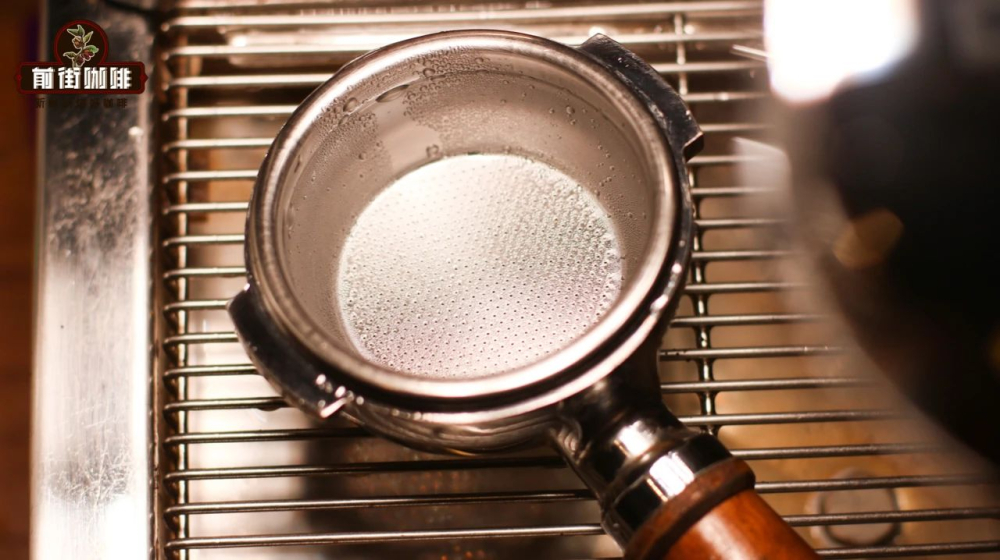
When removing the portafilter from the machine’s group head, it often carries condensation or residual moisture. If the water droplets on the inner walls of the basket are not wiped away beforehand, the coffee grounds can absorb moisture and clump together upon contact, leading to uneven tamping and potential channeling or incomplete extraction during brewing. Therefore, it is recommended to use a clean cloth or paper towel to gently wipe the inner walls of the basket before dosing, ensuring the coffee bed starts off dry and consistent.
[Detail 2] Distribution: Uniformity Is Key
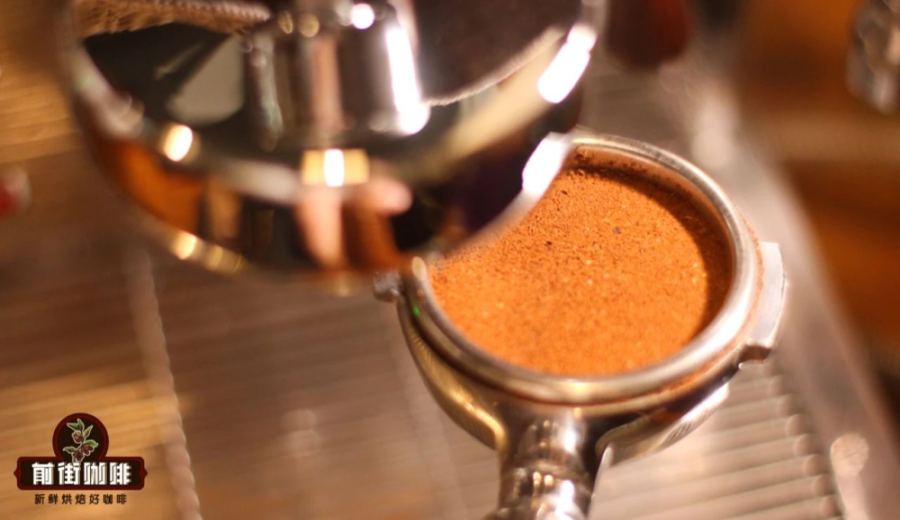
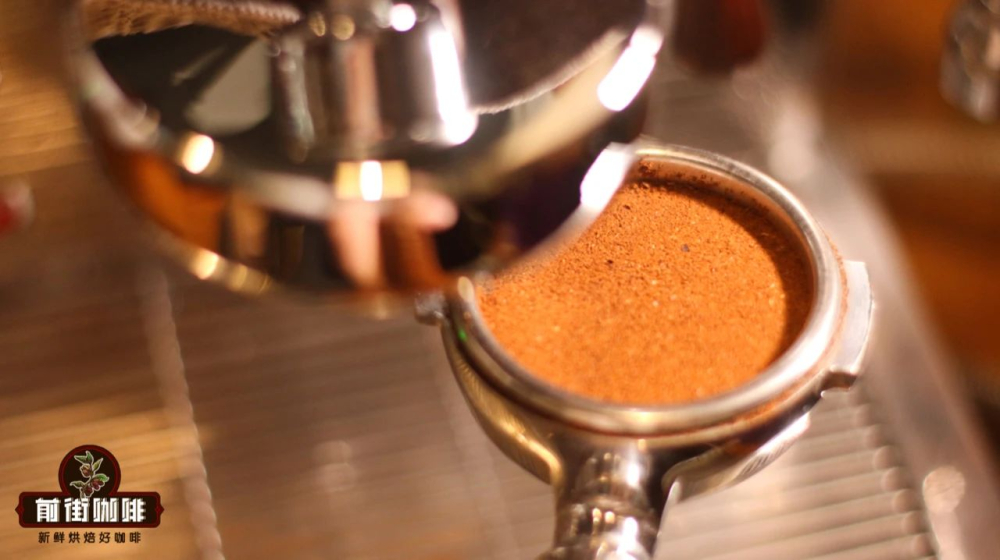
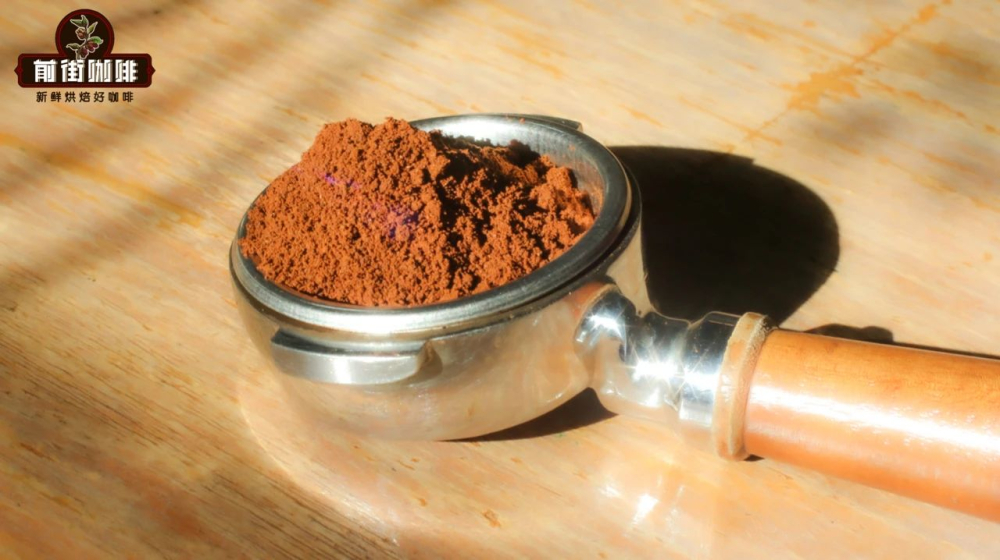
The goal of distribution is to ensure the ground coffee is evenly spread within the portafilter basket — not only flat on the surface but also with consistent spacing between particles to avoid overly dense or sparse areas. Electric grinders often generate static electricity due to burr friction, causing fine particles to clump. In such cases, distribution not only breaks up these clumps but also lays a solid foundation for tamping.
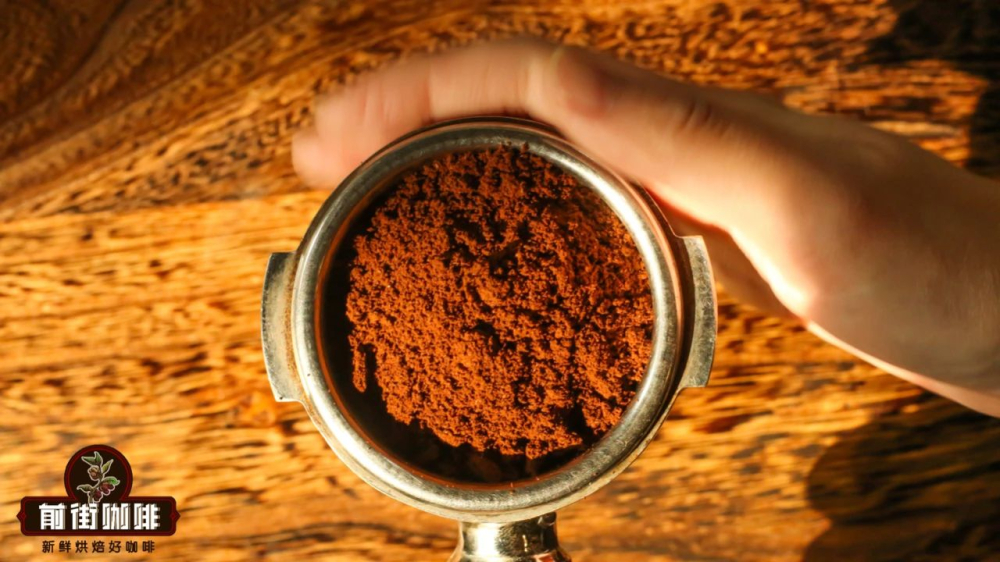
Common distribution methods include finger distribution and the use of distribution tools. If using fingers, it is recommended to gently sweep the coffee surface horizontally to even it out, avoiding downward pressure that may cause uneven density. While distribution tools can improve efficiency, some designs may create cracks in the coffee bed or leave only the surface even while the interior remains uneven. It is advisable to test the tool beforehand and familiarize yourself with its characteristics.
[Detail 3] Tamping Should Be Smooth and Consistent in Pressure
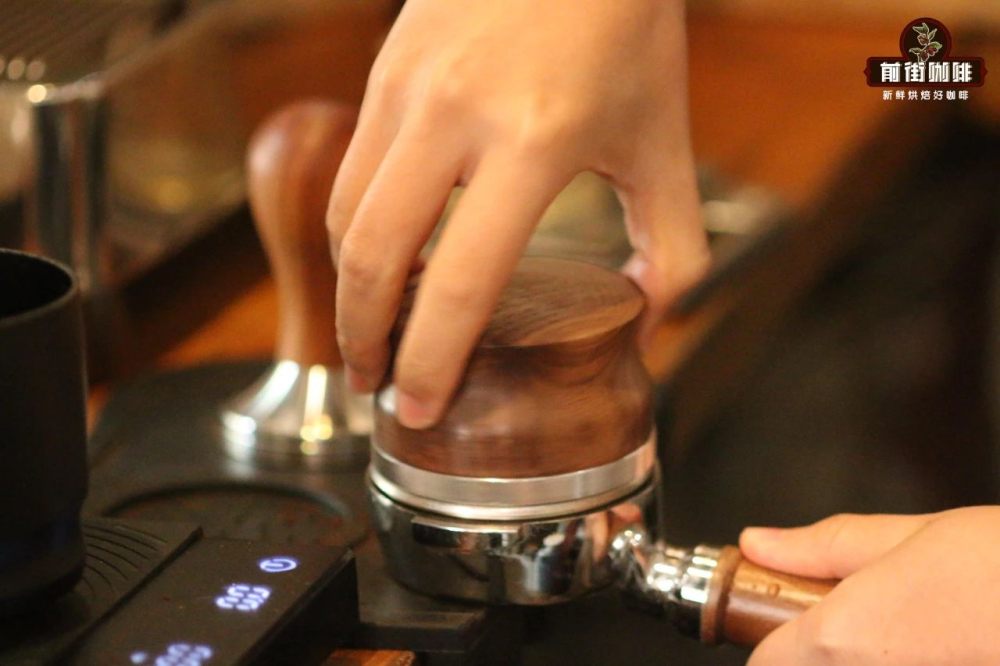
Tamping transforms loose coffee grounds into a level, compact puck — a crucial step that directly affects water flow resistance and extraction uniformity. Too light a tamp allows water to pass through too quickly, extracting excessive impurities and resulting in a thin, watery taste. Too heavy a tamp creates excessive resistance, potentially yielding bitter, over-concentrated flavors. It is recommended to apply a pressure of about15 to 25 kilogramsin one vertical, steady motion, keeping the tamper level to avoid rotation or repeated pressing that could lead to layering or uneven compaction.
After tamping, if there are small loose coffee grounds remaining around the edge of the basket, never tap the portafilter to remove them — this can cause vibrations, creating gaps between the puck and basket and leading to channeling. The correct approach is to gently invert the portafilter, allowing excess grounds to fall out naturally, then simply clean the rim with a dry cloth.
[Detail 4] Extraction: Mastering Timing and Flow Rate
Once the portafilter is locked into the group head, the extraction should begin immediately. Delaying too long can cause the hot group head to “preheat” the puck surface, leading to scorching and unpleasant burnt, bitter notes. Generally speaking, the shorter the time between locking in the portafilter and starting extraction, the better.
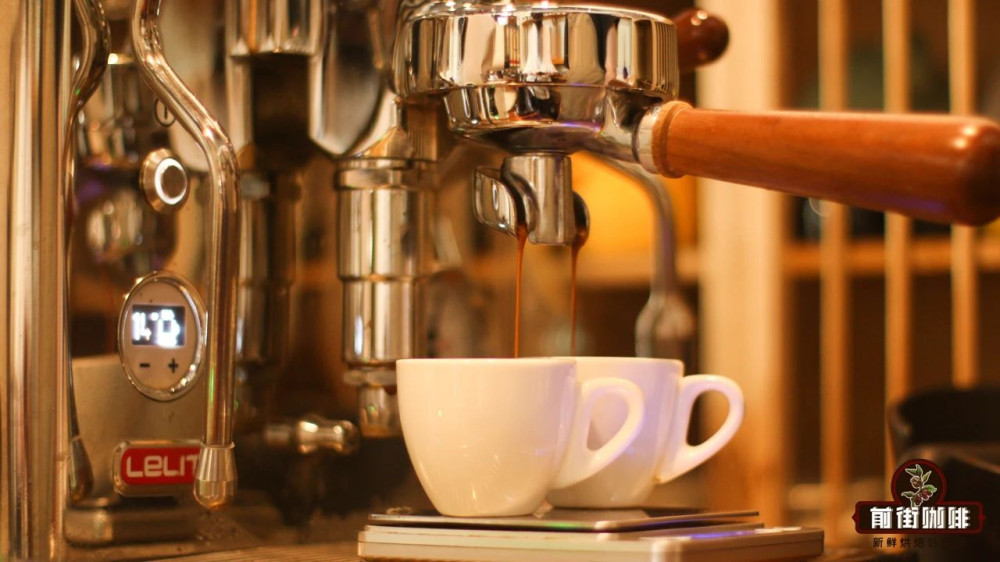
Without pre-infusion, extraction typically begins after3 to 5 seconds.At this point, observe the color and flow rate of the emerging liquid. If a yellowish liquid appears or spraying occurs, it likely indicates overly coarse grind size or uneven distribution/tamping, leading to channeling. Ideally,between 8 and 12 seconds,you should see crema with an orange-brown hue and a stable flow rate. The total extraction time is generally recommended to be within20 to 30 seconds,with an espresso dose-to-water ratio typically at1:2, achieving a balance of flavor and rich mouthfeel.
Flavor Analysis of Four Blended Espresso Beans
Below are four espresso blends designed for different scenarios and needs, covering applications from entry-level to specialty shops, along with their roast profiles, flavor characteristics, and real-world extraction performance.
[Premium Espresso Blend] Colombia + Brazil
Medium-dark roasted, this blend features a smooth, balanced bitterness with hints of grassy notes and nuttiness. It has a silky mouthfeel and a clean finish. Ideal for daily shop use, it produces moderately rich crema, works well with milk or as a straight shot, and offers excellent consistency.
[Commercial Espresso Blend] Colombia + Brazil + Robusta
This blend incorporates a portion of Robusta beans, enhancing crema thickness and flavor complexity. It is suitable for milk-based drinks like lattes and cappuccinos. The overall flavor showcases caramel sweetness, nuttiness, and dark chocolate notes, with a well-balanced acidity and sweetness, and a long-lasting finish — meeting the basic needs of commercial cafés.
[Basic Espresso Blend] Yunnan + Brazil
Positioned as a high-cost-performance option, this blend delivers a lighter profile with gentle fruit acidity, caramel sweetness, and nutty aromas. It has a smooth mouthfeel but relatively simple layers. Suitable for cost-sensitive users or beginners, it is ideal for home or small-shop use.
[Sunflower Sunshine Espresso Blend] Honduras + Yirgacheffe
This blend stands out with prominent fruit acidity and berry aromas, complemented by rich wine-like notes and chocolate tones, plus a pleasant aftertaste. It suits coffee lovers who enjoy fruity profiles and is great for single-origin-style espresso or creative specialty drinks.
It’s worth mentioning that some blends include a small proportion of10%–20% Robusta beansto boost caffeine content and enhance crema, but too high a ratio can introduce undesirable rubbery flavors. Beginners are advised to start with a lower percentage and adjust to find their ideal balance.
Additionally, Robusta and Arabica beans have noticeable differences in appearance — the former has rounder beans, while the latter are more elongated and oval. Observing the raw beans can help preliminarily identify the composition of a blend.
The above content is compiled by CoffeeHunters, a coffee news website.


