







Introduction:Sumatra Mandheling is renowned among coffee enthusiasts for its bold, rich, and full-bodied flavor profile. From Golden Mandheling to sun-dried versions, each variant showcases a unique personality. This article delves into five representative Sumatra Mandheling coffees, covering regional characteristics, processing methods, flavor profiles, brewing suggestions, as well as the origin of the wet hulling method and the selection criteria for Golden Mandheling. It aims to help you master the essentials of selecting and savoring these beans.
Among the many coffee-growing regions, Sumatra Mandheling has long won the hearts of coffee lovers with its steady, bold, and layered taste. Its classic Golden Mandheling, in particular, is often described as "a Sumatran tiger strolling through your mouth"—rich yet balanced with delicate nuances. The most commonly available Sumatra Mandheling on the market can be broadly divided into the classic wet-hulled versions and the rarer sun-dried variants, which exhibit notably different flavor directions.
The geographic environment and climate of Sumatra give its coffee a distinctive flavor profile. Coffee from this region generally features pronounced woody notes, low acidity, and a full body, often delivering tastes of herbs, chocolate, cocoa, and even subtle fruity fermentation notes. Grown at altitudes between 750 and 1500 meters, although Sumatra Mandheling belongs to the Arabica species, it differs greatly from the typical bright and refreshing styles, instead exuding the bold and substantial presence of the “king of coffees.”
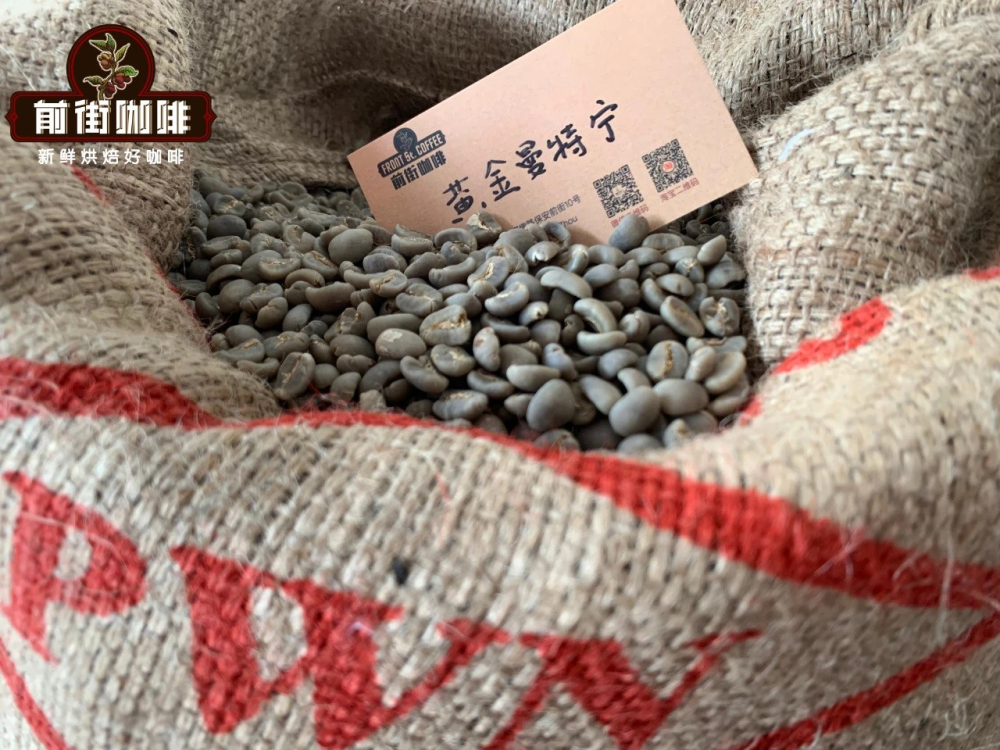
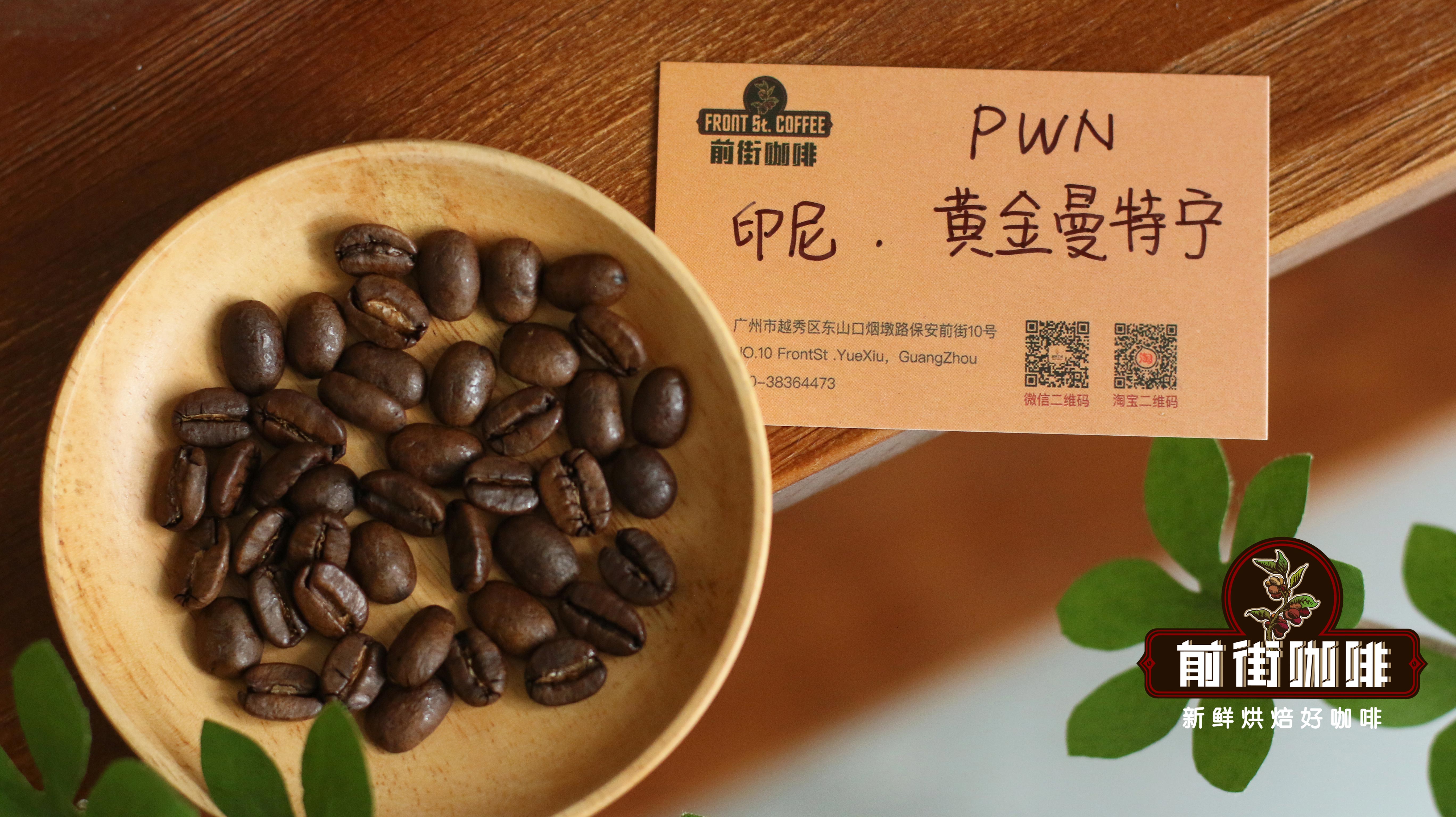
When talking about Sumatra Mandheling, one cannot overlook PWN. Officially known as Pwani Coffee Company, it is a major coffee buyer in Indonesia, especially renowned for its carefully selected Mandheling. Its most iconic product is “Golden Mandheling,” where each green bean undergoes multiple rounds of manual sorting to retain only those that are physically intact and free of defects. These beans come from the Gayo Mountains in Aceh, Sumatra, grown at elevations between 1100 and 1600 meters, and are of the Ateng variety, graded G1 and hand-picked three times. Processed using the wet hulling method, they offer stable and layered flavor performance.
This Lindtang Mandhelingis a more budget-friendly option. Produced in the central-northern part of Sumatra in the Lindtang mountain area near Lake Toba, it also uses the wet hulling process. This method allows for quick drying but often results in the beans developing distinctive “goat hoof” cracks on the surface—a common physical trait of Mandheling and not a defect. Lindtang Mandheling is characterized by low acidity and a bold body, making it suitable for consumers who enjoy a rich taste without wanting to spend too much. It’s also a popular entry-level choice for many coffee beginners exploring Mandheling.
If you prefer a Mandheling with more concentrated flavors and richer layers,Tiger Mandhelingis a great choice. This coffee is meticulously selected using a 19-mesh sieve, keeping only uniformly sized AA-grade beans. It goes through three rounds of screening to ensure top-notch quality in every bean. In cupping sessions, Tiger Mandheling demonstrates high viscosity, outstanding sweetness, and fruity notes, with a pronounced and lingering aftertaste. It’s regarded by many coffee connoisseurs as the “Tiger of Sumatra,” symbolizing its rarity and strong individual character.
For enthusiasts looking to experience flavors refined by time,Aged Mandhelingis a must-try. These coffees are typically well-preserved for 2 to 3 years in low-oxygen, cool, and well-ventilated environments, allowing them to slowly mature. Over time, the initially prominent acidity transforms into rich sugary sweetness and woody notes, resulting in a smoother and deeper flavor profile. The beans also darken to a deep brown, exuding a mature and dignified character. Aged Mandheling often carries aromas of malt, caramel, and herbs, making it ideal for slow sipping to appreciate the traces of time embedded in the coffee.
All four of the above coffees are processed using Sumatra’s uniquewet hulling method. This technique originated from the region’s rainy climate, which is unsuitable for traditional sun drying, coupled with the high cost of wash processing equipment. As a result, the method was developed: first removing the fruit pulp through washing, then partially sun drying the beans while still in their parchment for a short period until the moisture content reaches around 20–24%, followed by hulling off the parchment and continuing to dry until 12–13%. Wet hulling significantly shortens the processing time, but the rapid drying can lead to a higher defect rate. Golden Mandheling mitigates this issue through stringent selection standards.
If you prefer a Mandheling with slightly more pronounced acidity and livelier fruity notes,Sun-Dried Mandhelingoffers a completely different experience. Produced at Wahana Estate in the Lake Toba region of Sumatra, this coffee uses Bourbon and Typica varieties. The sun-drying process allows the sugars in the coffee cherries to fully ferment and transform, resulting in tropical fruit flavors, gentle acidity, and honey-like sweetness. The estate sits at elevations between 1000 and 1700 meters, with a cool climate and significant day-night temperature variations that help concentrate flavors and accumulate sugars. The overall taste is smooth and vibrant.
In terms of brewing, depending on the roast level, it’s recommended to adjust parameters accordingly. ForSun-Dried Mandheling, a medium-light roast, you can use a V60 dripper with a 1:15 coffee-to-water ratio, a water temperature of around 90°C, and a grind size adjusted to 80% passing through a 20-mesh sieve to highlight its fruity acidity and aroma. Forthe other four medium-dark roasted wet-hulled Mandhelings, it’s better to switch to a Kono dripper, lower the water temperature slightly to 88°C, and adjust the grind size to 70–75% passing through a 20-mesh sieve to bring out the bold, nutty, and caramel base flavors.
Whether you prefer the bold, solid, low-acidity classic Mandheling or the fresh, fruity, and softly acidic sun-dried version, Sumatra’s diverse processing methods and regional characteristics can satisfy coffee preferences at various levels. By understanding the background of each bean’s origin, processing techniques, and flavor profiles, you’ll be able to more accurately choose the Mandheling that best suits your taste.
The above content is compiled by CoffeeHunters, a coffee news website.


