







Introduction:Cold brew coffee is extracted using cold water over an extended period at low temperatures, resulting in a uniquely rich mouthfeel and fruity flavor profile. This article delves into key cold brew parameters such as a coffee-to-water ratio of 1:10, grind size, and steeping duration, while also providing practical brewing steps. Additionally, we’ve selected four distinctive coffee beans—ranging from intense fruit-tea notes to dark berry flavors—to guide you through various flavor profiles. Whether you’re a beginner or an advanced enthusiast, you’ll find a cold brew method that suits your taste.
What exactly is the difference between cold brew and regular iced coffee? The core distinction lies in the brewing temperature—cold brew uses cold water throughout, extracting flavors slowly through prolonged low-temperature immersion. Compared to traditional hot brewing or flash-chilled iced coffee, cold brew reduces acidity and bitterness, delivering a smoother, richer mouthfeel, making it especially ideal for summer consumption.
To successfully brew a well-balanced cold brew, you need to master several key elements:Recommended coffee-to-water ratio: 1:10(for example, 40 grams of coffee grounds to 400 milliliters of water),Grind size similar to that of fine sugar(75%-85% passing rate through a Chinese No. 20 sieve, or a grind setting of 9.5–10.5 on an EK43S grinder), andSteeping time: 8–12 hours. These parameters can be fine-tuned to personal taste—for instance, those preferring a stronger brew can reduce the water-to-coffee ratio or extend the extraction time.
During the cold brew process, aromatic compounds in the coffee are released more slowly in cold water, resulting in a gentler and more natural fruitiness. However, be mindful that small-molecule floral notes can dissipate over time in low temperatures. It’s recommended to filter the brew immediately after extraction and store the coffee liquid in a sealed container in the refrigerator,with a best-before period of within 5 daysto avoid flavor loss or bacterial growth.
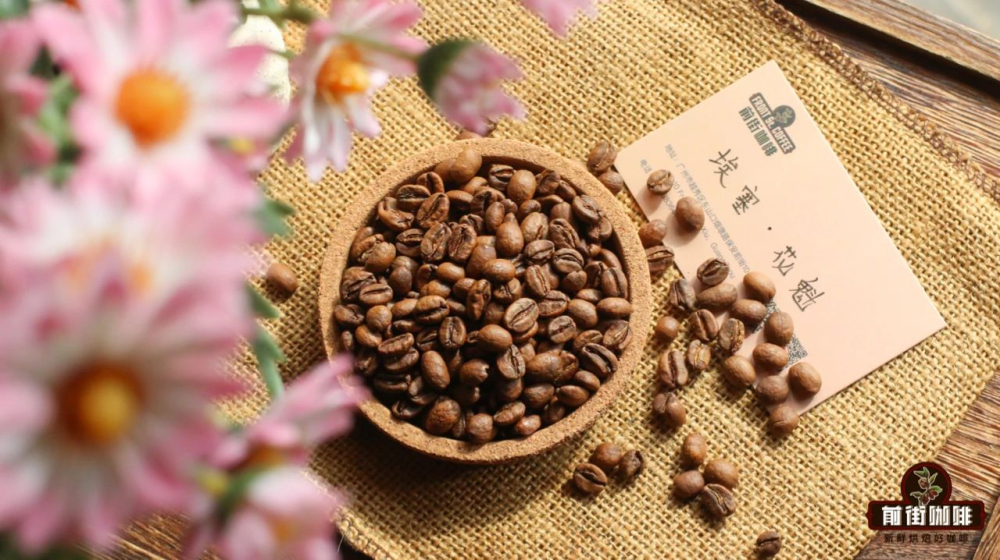
The choice of coffee beans is equally crucial. Freshly roasted beans (ideally within 5–7 days post-roast) must be used, and the processing method and roast level should be selected based on flavor preferences. Below are four recommended coffee beans well-suited for cold brew, each with its own unique characteristics:
“Rich Fruit Tea Type – Ethiopian Huaca”: Sourced from the Guji Hambela region, these sun-dried ripe coffee cherries impart a full-bodied fruit sweetness through fermentation. Cold-brewed, they yield vibrant berry and passion fruit acidity with a red tea-like finish,featuring bright acidity and a pronounced juice-like mouthfeel.
“Fermented Winey Type – Colombian Sidra”: Produced by Finca La Línea in the Huila region, this bean undergoes a double anaerobic natural process, delivering intense passion fruit and grape notes alongside dried fruit sweetness and mandarin orange acidity. Its finish is as smooth as almonds, making it ideal for those who enjoy wine-like flavor profiles.
“Dark Plum Juice Type – Kenyan Little Tomato”: A lightly roasted double-washed bean known for its dark plum and cherry tomato flavors, it offers strong acidity yet a full body. The mid-palate features a notable black plum-like juiciness, with a finish of berry notes and subtle tea aroma,suited for coffee lovers who seek layered complexity.
“Dark Berry Type – Costa Rican Mozart”: The anaerobic honey process lends a unique raisin-like aroma. Cold-brewed, it showcases dark berry notes such as blueberry and black grape, paired with fermented wine-like flavors. It has a refreshing mouthfeel and a long-lasting finish.The winey notes become more pronouncedafter 3–4 days of cold storage, making it ideal for those who prefer bold flavors.
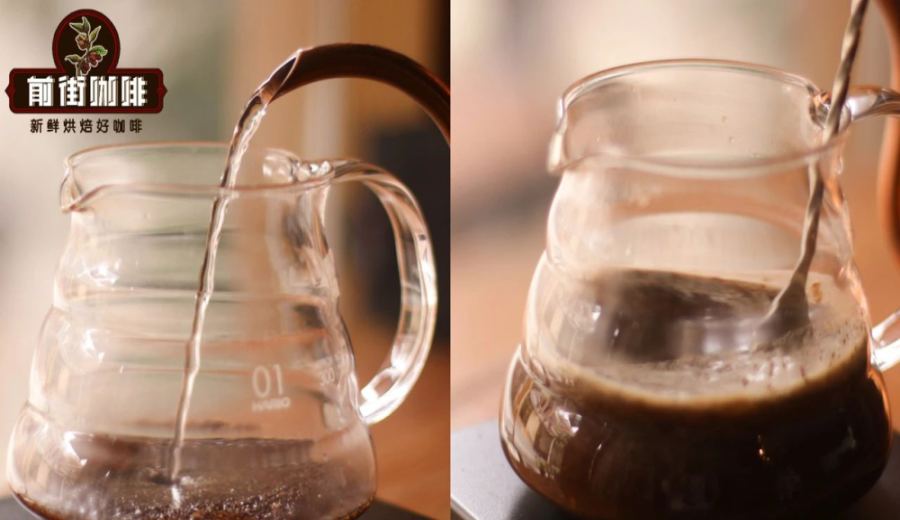
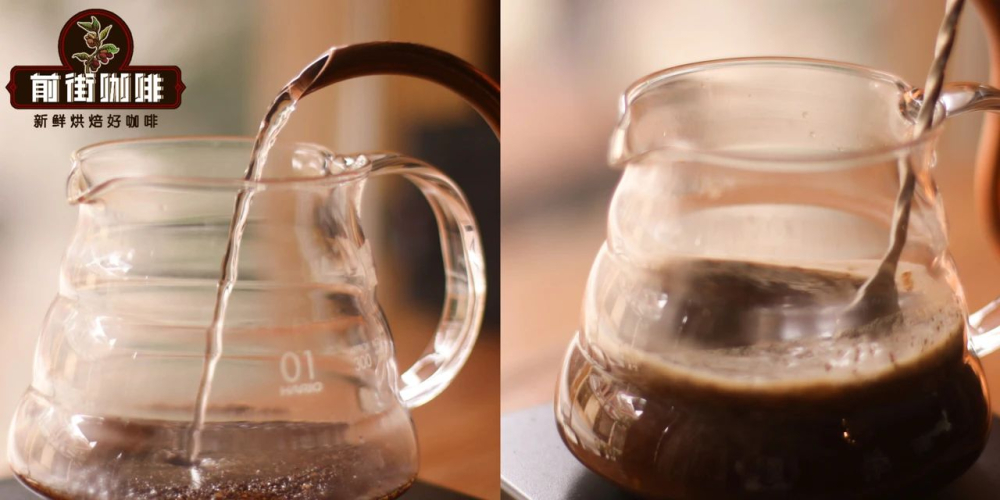
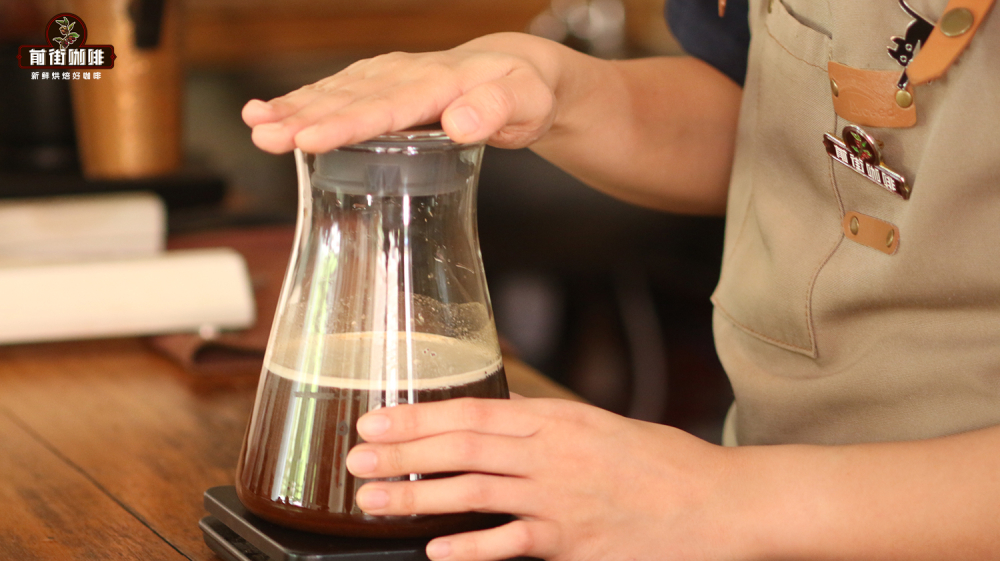
The steps to make cold brew are simple but require attention to detail: Start by preparing fresh coffee beans, a sealed container, and filtration materials. For a common batch using 40 grams of coffee grounds, grind them to a fine-sugar consistency and place them in the container,then add 400 milliliters of room-temperature water at a 1:10 ratio. Gently shake or stir to ensure even contact between the grounds and water. Let it sit in the refrigerator for 8–12 hours, occasionally shaking to promote extraction. Once the time is up, use a paper filter or filter bag to separate the grounds. The resulting clear coffee liquid can be consumed directly or refrigerated for further maturation to enhance its richness.
Common mistakes include grinding too finely (which can lead to over-extraction and bitterness), improper coffee-to-water ratios (resulting in either weak or overly strong brews), and insufficient or excessive steeping times. Beginners are advised to strictly control these parameters, document adjustments, and gradually discover their preferred flavor combinations.
The above content is compiled by CoffeeHunters, a coffee news website.


