







Introduction:Want to understand why Mandheling has its unique herbal and woody aroma? The key lies in Indonesia’s Sumatra region’s distinctive wet-hulling process. This article delves into how this rare technique influences Mandheling’s grading and flavor profile, and provides practical pour over parameters and techniques to help you master everything from bean processing to brewing—discovering your own Mandheling flavor.
Mandheling has long been a classic among many coffee enthusiasts, especially those who prefer medium to dark roasts. They’re particularly drawn to its rich, low-acid profile and long, lingering finish. But even among medium to dark roasts, why does Mandheling always exude such distinctive herbal and woody notes? The answer lies in Indonesia’s Sumatra region’s unique wet-hulling processing method.
This special processing method not only affects Mandheling’s grade classification but also directly shapes its unique regional character. This article will start with the principles of wet-hulling, explain the origins of the G1 grade, and guide you through the best brewing methods and parameter settings to fully grasp this classic coffee crafted by one of the world’s rarest processing techniques.
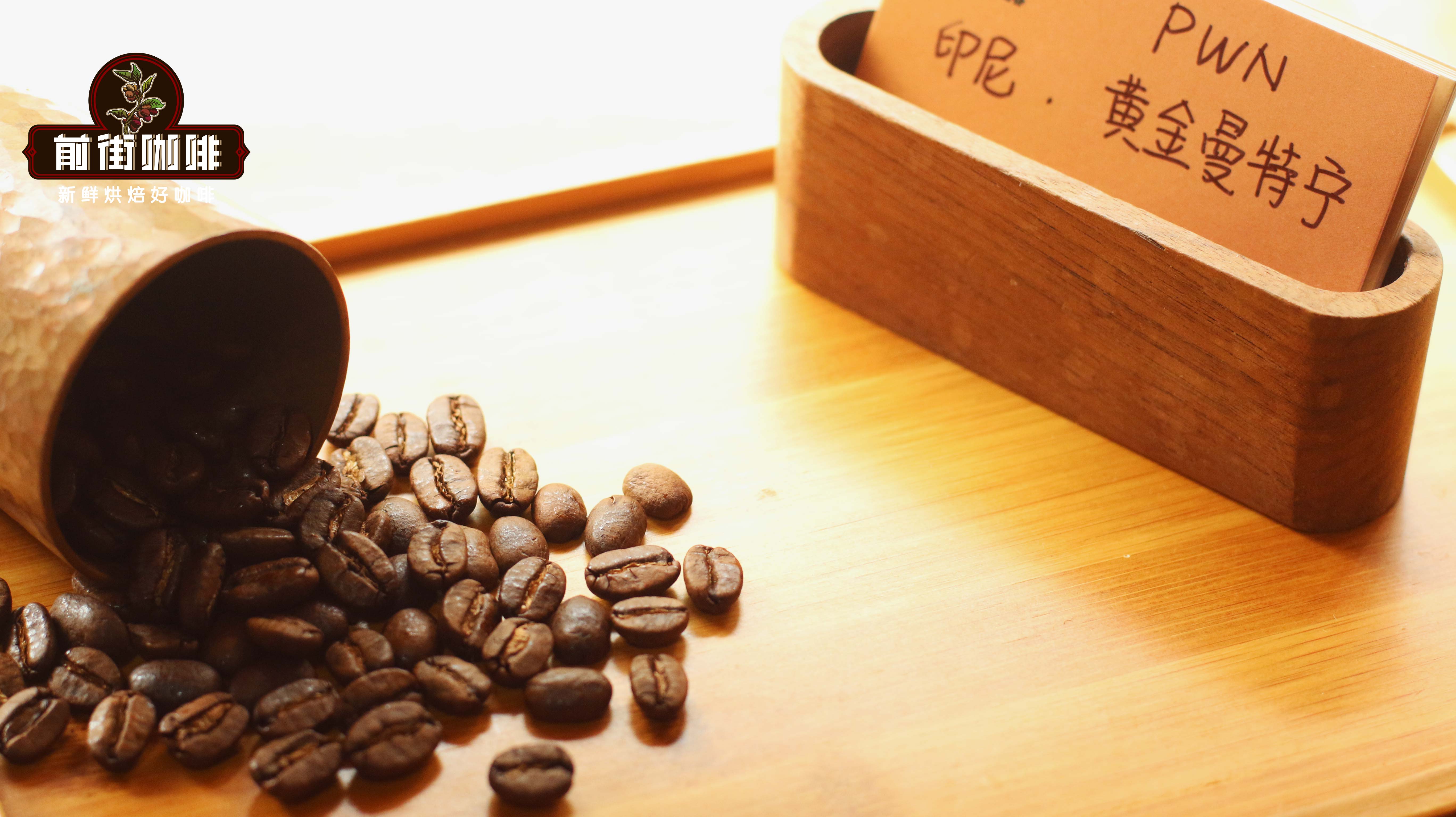
Mandheling coffee is renowned for its intense expression after dark roasting, often featuring rich roasty aromas, a solid and full-bodied mouthfeel, and extremely low acidity. When processed as a dark roast, it not only showcases an enchanting balance of bitterness and sweetness but also releases a distinctive muted aroma. These complex layers leave a memorable impression.
But many coffee beginners or enthusiasts have one question: Why, among medium to dark roasts, does only Mandheling display such unique herbal and woody tones? The key lies in its origin—Indonesia’s Sumatra—and the region’s unique wet-hulling processing technology.
The weather conditions in Indonesia’s Sumatra are extremely challenging, with high humidity and rain throughout the year. The air humidity consistently stays between 70% to 90%, and annual rainfall exceeds 2000 millimeters. Such an environment makes traditional sun-drying or fully dry processing extremely difficult and slow. To accelerate the process and ensure the beans can be brought to market in time, Indonesian coffee farmers developed the unique “wet-hulling” method, also known as Giling Basah.
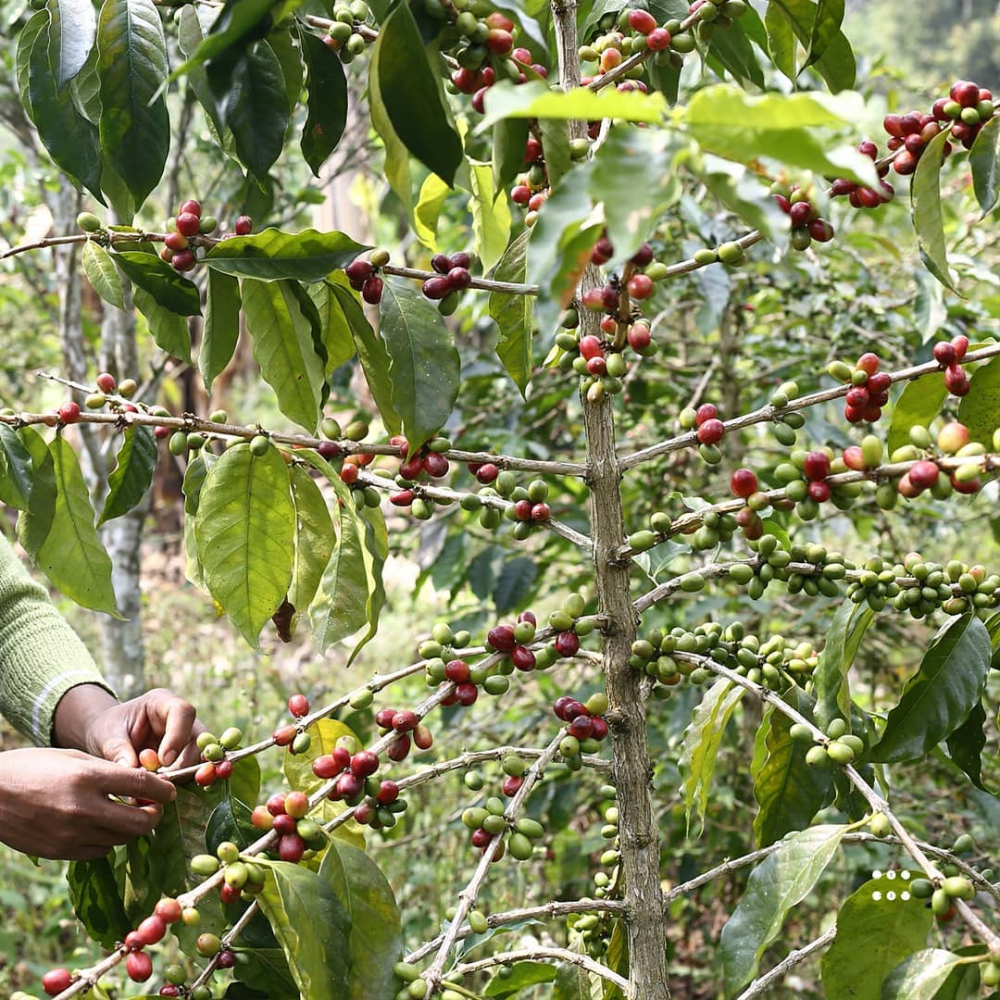
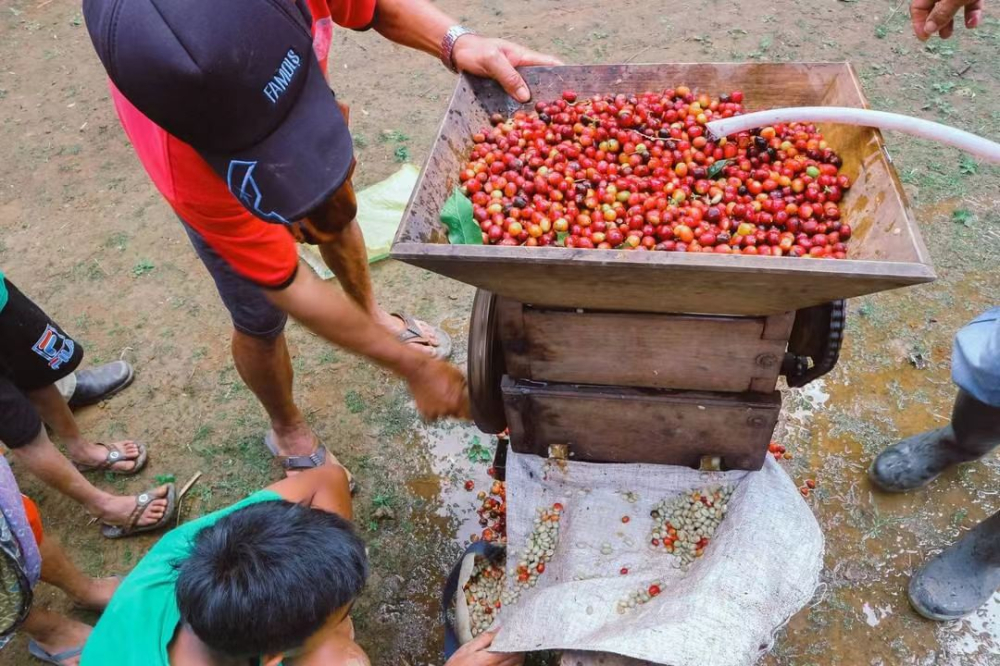
Wet-hulling is actually a method that falls between washed and semi-washed processes, but it differs significantly from common techniques. In Sumatra, farmers typically first remove the outer skin and some of the fruit mucilage from the coffee cherry, leaving the parchment-covered beans to undergo a brief initial drying phase until their moisture content drops to around 30% to 50%. At this point, the beans are still semi-hard and semi-soft, but they must be quickly sent to the processing facility to prevent fermentation or mold.
Once at the processing facility, the most critical step is “husk removal”—that is, before the beans are fully dried, specialized machines are used to scrape off the parchment and silver skin. Sometimes, even the parchment layer hasn’t fully hardened yet. Because the beans still contain high moisture, the machine needs to apply greater friction during hulling, which easily damages the bean surface, often resulting in “elephant hoof”-shaped dents at the ends. This is one of the reasons for the common appearance traits of Sumatra beans.
Even more uniquely, after removing the parchment, wet-hulling exposes the raw beans directly to sunlight and high humidity for further drying. This is vastly different from other methods that preserve multiple protective layers. Without the barrier of parchment and silver skin, the beans more readily absorb surrounding moisture and microbes, which leads to the development of rich woody, spicy, and herbal notes—what we call the “regional character.”
Only when the moisture content drops to around 12% to 15% does the parchment-covered bean undergo final drying and sorting. Grading is based on bean size and defect rate. The highest grade is G1, which is also the source of many premium Mandheling coffees. This includes the well-known Golden Mandheling on the market, which uses wet-hulled beans of this grade.
For beginner coffee enthusiasts, it’s recommended to start with the cost-effective Lintong Mandheling to experience the foundational flavors of the Sumatra region, then gradually explore higher-grade G1 beans. For coffee aficionados seeking the ultimate flavor experience, G1-grade Mandheling is undoubtedly the top choice for savoring the essence of wet-hulling.
When it comes to brewing, Mandheling suits various equipment—whether pour over, French press, AeroPress, or siphon pot, each can highlight its full-bodied character. If you want to accentuate its rich mouthfeel, pour over is one of the best ways to finely control flavor expression. It’s recommended to use a KONO filter, whose specially designed short ribs in the middle-lower section reduce contact between the filter paper and air, prolonging the water-coffee contact time and improving extraction rate. This results in a richer, more layered cup.
Practical parameter suggestions are as follows: use 15 grams of coffee grounds (adjustable to 15–20 grams depending on filter capacity), with a 1:15 coffee-to-water ratio (range of 1:13–1:17, adjustable slightly based on taste preference), water temperature controlled at 87°C, and grind size about equivalent to a 20-mesh Chinese standard sieve passing rate of 70%—roughly a medium-fine grind. Use a three-stage pour: start with 30 grams of water for a 30-second bloom, then pour up to 125 grams, wait for the liquid level to drop, then pour up to 225 grams to complete extraction. Keep the water flow steady throughout to help achieve balanced flavor release.
It’s important to note that these parameters are based on freshly roasted coffee beans. It’s recommended to choose beans roasted within 5 days for optimal flavor. Freshly brewed Mandheling coffee often carries distinct cedarwood, spice, dark chocolate, and roasted hazelnut aromas. It has a robust mouthfeel, a clean finish, and a lasting caramel-like sweetness—a classic coffee worth savoring slowly.
The above content is compiled by CoffeeHunters, a coffee news website.


