







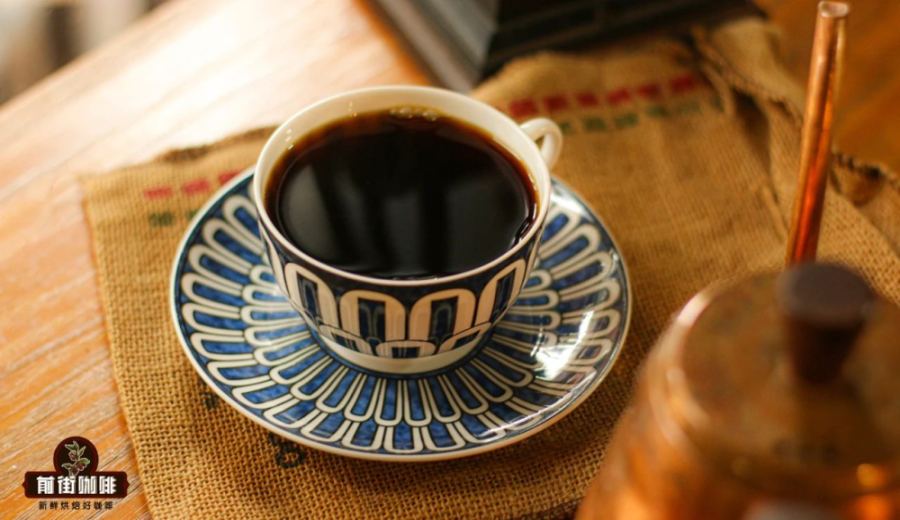
Introduction:Delve into the historical origins of Indonesian Sumatra Mandheling coffee, the unique geographical conditions of the Lintong growing region, and how the wet-hulling process contributes to its classic low-acid, full-bodied flavor profile. This article not only explores the origin of its name and regional characteristics but also provides practical pour over tips, including filter choice, grind size, water temperature control, and a three-stage pouring ratio, helping you fully master the brewing essentials of this classic dark roast bean.
Indonesian coffee is renowned for its rich and bold flavors, with Sumatra Mandheling being a well-known medium-to-dark roast favorite among global coffee enthusiasts. The most distinctive features of this coffee are its low acidity, full body, and pronounced caramel and dark chocolate notes, making it a top choice for those who prefer dark roasts and bold flavors. Among the various producing regions, Mandheling from the Lintong area stands out thanks to its unique wet-hulling process, which creates an unparalleled flavor profile.
When it comes to Mandheling coffee, many might mistakenly assume it’s the name of a producing region. In reality, “Mandheling” originates from the name of an indigenous ethnic group in the Lintong area of Aceh Province, Sumatra, which was not originally known for coffee cultivation. The origin of this name is linked to a Japanese soldier during World War II. It is said that the soldier once tried an impressive coffee in Indonesia and later asked local suppliers to find beans with the same flavor upon returning home. Due to trade secrets and geographical constraints, the supplier could not specify the exact origin, so they referred to it by the local place name “Mandheling.” This name stuck and has since become the classic Indonesian coffee variety we know today.
The history of coffee cultivation in Indonesia dates back to 1696 when the Dutch colonial government introduced the first Arabica coffee seedlings from Malabar, India. Although the initial batch was lost due to flooding, a second introduction in 1699 led to a successful harvest in 1701, marking the official beginning of coffee cultivation in Indonesia. As a key coffee-producing region, Sumatra’s geography and climate are particularly conducive to developing processing methods and flavor profiles distinct from other origins.
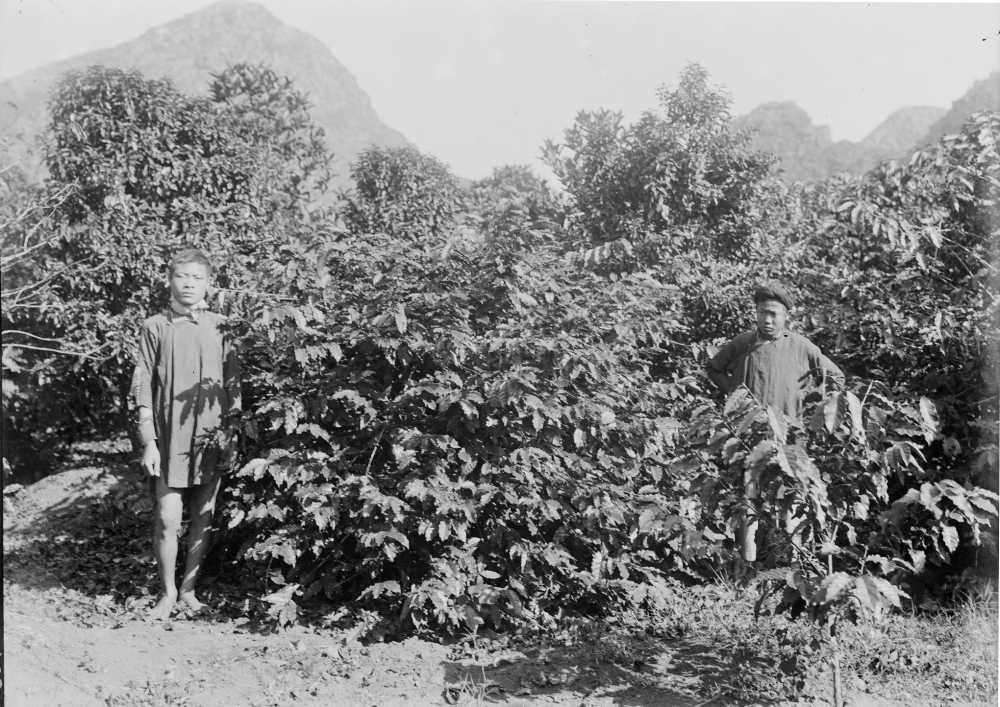
The Lintong region, located in north-central Sumatra near Lake Toba, is one of the key areas for Mandheling coffee production. With its humid and hot environment—where humidity levels typically range between 70% to 90% year-round, and sunshine hours are inconsistent—traditional sun-drying methods are particularly challenging to execute. Even washed processing can struggle to ensure even drying due to insufficient consecutive sunny days. To address this, the locals developed the unique “wet-hulling” method: first removing the fruit pulp through traditional washing and retaining the mucilage for a short fermentation period, then exposing the parchment-covered beans to the sun for 1 to 2 days until their moisture content drops to 30% to 50%. The parchment is then removed, and the beans continue sun-drying until fully dry. This approach drastically shortens drying time while also shaping the signature full body and low acidity of Mandheling.
It’s worth noting that because the beans are still semi-hard during wet-hulling and are exposed to high-temperature sun drying, they tend to develop cracks under pressure, resulting in an appearance similar to “goat hooves.” This phenomenon is commonly known as “goat hoof beans,” but it’s actually normal and not a defect. Understanding this helps in correctly interpreting the relationship between a coffee bean’s appearance and its flavor when selecting or tasting.
For brewing Mandheling coffee using a pour over method, it’s recommended to use beans roasted to a dark level, which usually exhibit more pronounced caramel, nutty, and chocolatey notes. To fully showcase its rich layers,it is recommended to use a Kono filter. If a Kono is not available, a V60 can be used instead, though attention should be paid to powder-to-water control and brewing rhythm.The recommended coffee dose is 15 grams per serving, and the beans are best used 4 to 7 days after roasting, when the flavor development is more balanced. The grind size should be slightly coarser than that for light roasts, ideally adjusted toabout 70% passing through a #20 sieve, to avoid over-extraction—which can lead to burnt, bitter flavors—or under-extraction, which may result in a thin, watery taste.
As for water temperature, it is advised to maintain87 to 88°C. Too high a temperature can amplify burnt bitterness, while too low may result in overly flat flavors. For the powder-to-water ratio,a 1:15 ratio is recommended, as it preserves the overall full-bodied foundation while highlighting the complete aftertaste and layered complexity. Compared to the more concentrated 1:13 ratio, 1:15 better supports flavor balance and extended finish.
In terms of the brewing steps, it is suggested to usea three-stage pouring methodto bring out the rich flavor layers of Mandheling. The first stage is the bloom, where about30 milliliters of hot wateris poured to evenly saturate all coffee grounds, release gases, and prepare for subsequent extraction. The second stage involves pouring about100 milliliters, during which golden coffee crema may appear, helping to enhance overall aroma and body. Finally, in the third stage, gently pour about95 millilitersin the center of the coffee bed to focus on extracting mid-palate and base flavors, enhancing sweetness and emphasizing chocolatey and nutty notes for a full-bodied and balanced finish.
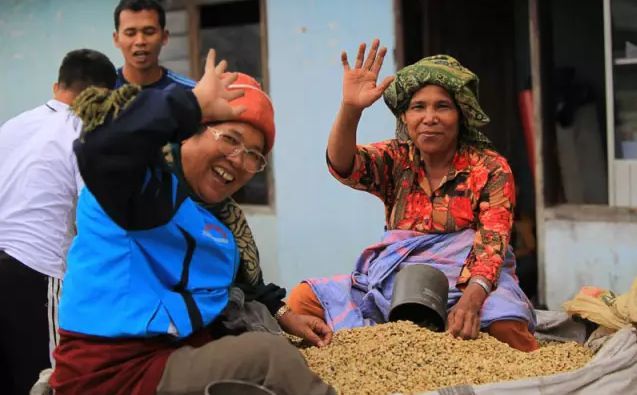
In summary, Sumatra Mandheling is not just a representative of Indonesian coffee. Its growing environment, wet-hulling process, and unique pour over parameters together create the captivating flavor of this classic dark roast bean. Whether you’re a beginner coffee enthusiast or a seasoned drinker seeking a stable flavor foundation, understanding the cultivation, processing, and brewing details of Mandheling will allow you to more deeply appreciate the charm of this classic coffee.
The above content is compiled by CoffeeHunters, a coffee news website.


