







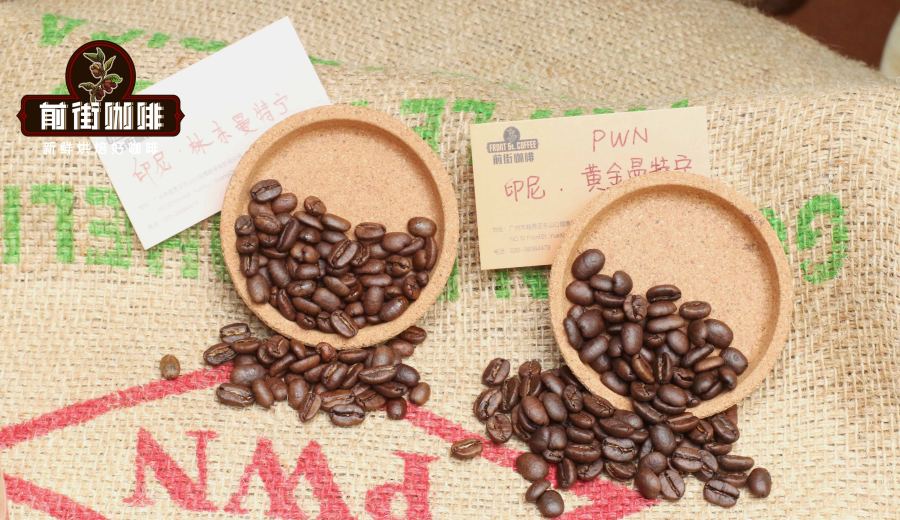
Introduction:Golden Mandheling is renowned for its rich body and distinctive herbal aroma, but there are countless products on the market that claim this name—only a handful are officially certified by the PWN company. This article delves into the origins of Golden Mandheling, the PWN selection process, and clarifies the common misconception about the "twenty mesh" specification, helping you identify truly high-quality Indonesian Golden Mandheling coffee beans.
Golden Mandheling from Indonesia’s Sumatra is globally recognized in the specialty coffee market for its full-bodied texture and complex flavor profile that weaves together herbal notes, pine, and spices. Many consumers often come across products labeled as “Golden Mandheling,” yet only a very small number are officially certified by Indonesia’s Pawani Coffee Company (PWN). This article will explore the background of Golden Mandheling, the rigorous selection standards of PWN, and debunk the common myth surrounding the “twenty mesh” specification, giving you a better understanding of how to choose a premium and authentic Golden Mandheling.
When it comes to Golden Mandheling, one cannot overlook its signature flavor profile: a smooth and full-bodied mouthfeel paired with the freshness of herbs, piney notes, and even a hint of spice. Many beginner coffee enthusiasts mistakenly assume that bold coffee must come with strong bitterness, but in reality, when a coffee reaches a certain level of body, it is often accompanied by a natural sweetness, with a sugary aftertaste reminiscent of brown sugar on the palate—this is the charm of high-quality Mandheling.
One of the most well-known versions of Golden Mandheling on the market comes from Indonesia’s PWN company. PWN (Pawani Coffee Company) is not only the holder of the Golden Mandheling trademark but also responsible for sourcing green beans from various producing regions in Sumatra, then putting them through a meticulous process involving three rounds of hand sorting and one mechanical screening. The resulting beans are not only uniform in appearance, dark green in color, and consistent in size, but also have a significantly reduced defect rate due to the rigorous selection process, leading to a cleaner and brighter flavor profile after roasting.
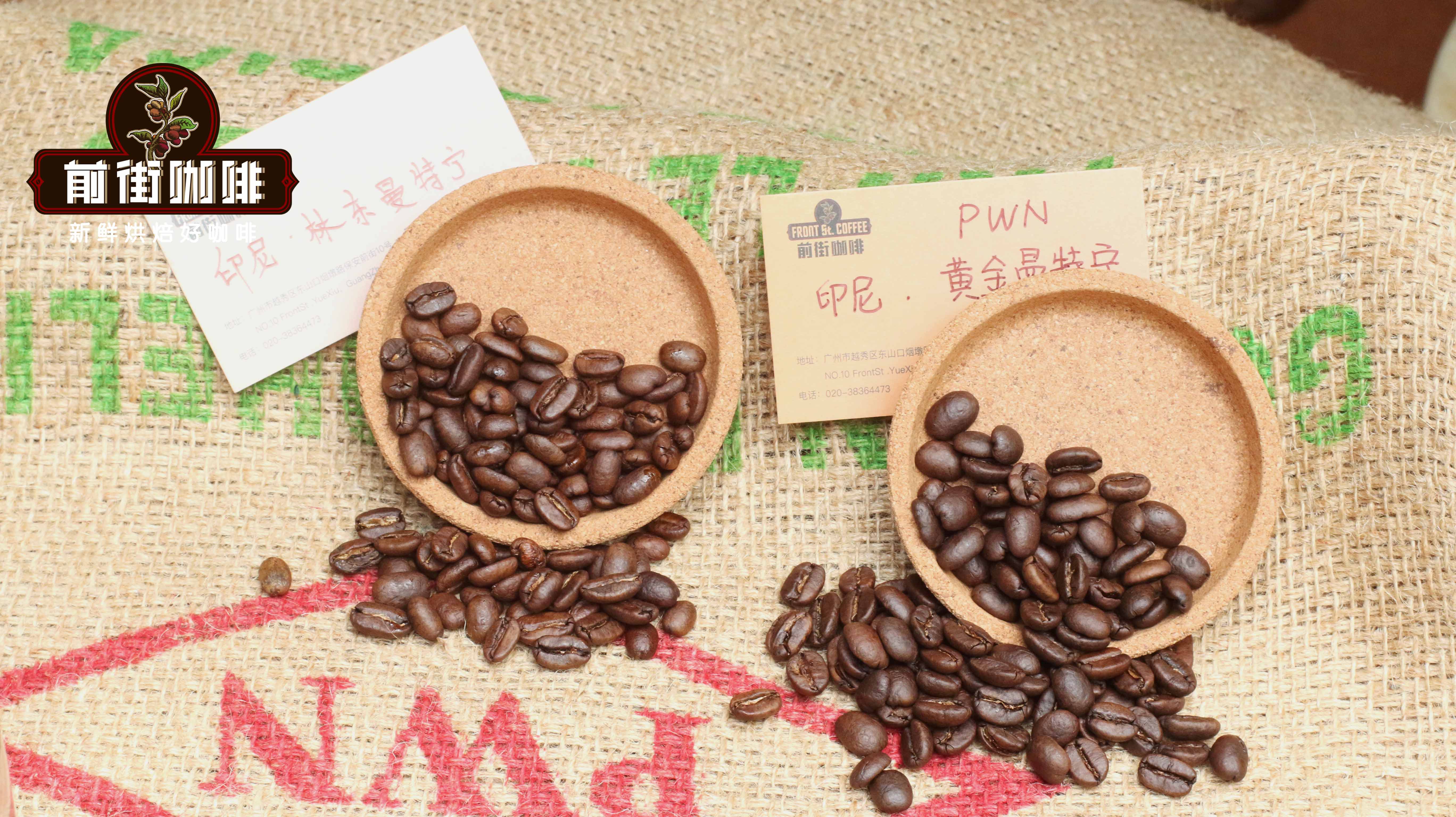
It’s worth noting that many retailers, for marketing purposes, often label large-sized Indonesian beans as “Golden Mandheling,” even using “twenty mesh” as a selling point. In truth, “twenty mesh” only refers to the bean’s screen size and is not the sole indicator of quality. Many consumers mistakenly believe that larger beans are inherently better, but what truly affects flavor and brewing performance is the uniformity of the beans and the overall defect rate. The core strength of some well-known PWN Golden Mandheling beans lies in their high consistency in shape and extremely low defect ratio, rather than simply pursuing a larger size.
If you have the chance to see the actual packaging of a well-known PWN Golden Mandheling product, you’ll easily notice that both the inside and outside of the jute bags are printed with the official PWN logo and certification information, clearly indicating its authentic origin. Its standard specifications include beans that are eighteen mesh and above, typically flat beans in color that leans dark green—all results of strict selection. Based on extensive cupping experiences, PWN-selected Golden Mandheling not only eliminates the earthy or impurity notes often found in regular Mandheling, but also showcases a brighter sweetness and rich layers of aroma, making it an excellent choice for pour over brewing to fully appreciate its nuances.
Regarding the name “Golden Mandheling,” it has actually been registered as an exclusive trademark by PWN, meaning that only specific products from PWN qualify to be called the true “Golden Mandheling.” Many commercially available products may bear the Golden Mandheling name, but without PWN certification, they are essentially just regular Mandheling or high-altitude Sumatran beans marketed under a different name. Therefore, when making a purchase, it is recommended that consumers look for the PWN logo and related certification details to ensure they are getting truly high-quality Mandheling that has undergone strict selection.
In summary, if you’re seeking a cup of coffee with a rich flavor profile, full body, and unique Sumatran characteristics, choosing PWN-certified Golden Mandheling is a solid decision. Whether for personal enjoyment or as a gift, these beans, which have undergone multiple rounds of hand sorting and rigorous quality control, offer a distinctive tasting experience. Remember, don’t be swayed solely by large bean size or the “twenty mesh” label—the focus should be on bean uniformity, visual consistency, and defect rate, as these are the key factors that influence the final flavor.
The above content is compiled by CoffeeHunters, a coffee news website.


