







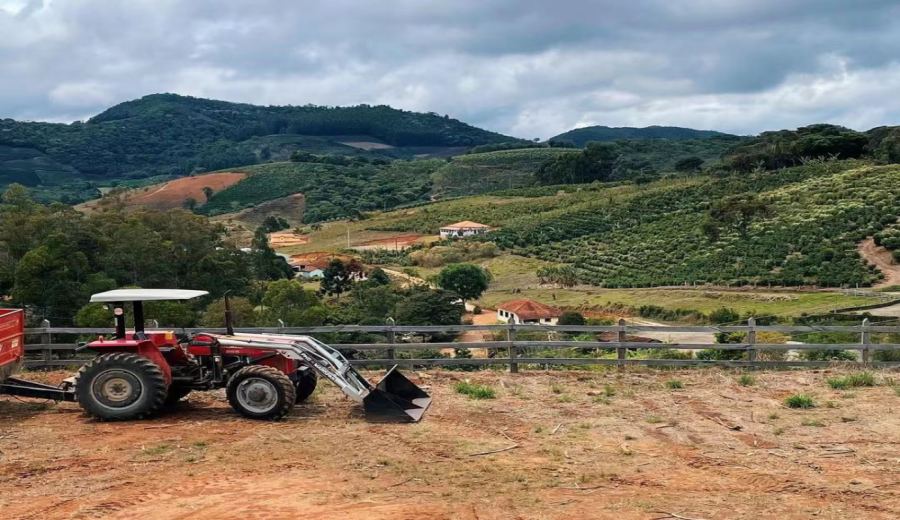
Introduction:Brazil is the world’s largest producer of Arabica coffee beans, and its output and quality have a profound impact on the global market. This article delves into the distribution of Brazilian coffee-growing regions, the characteristics of its varieties, and its typical flavor profiles, while analyzing whether light or dark roasting is better suited to Brazilian beans. It also provides practical pour over parameters and steps to help you fully master the key points of brewing Brazilian coffee.
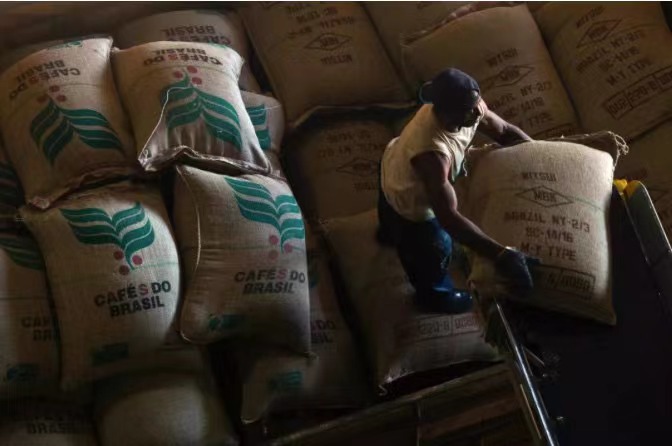
Brazil is not only the largest producer of Arabica coffee beans, but its annual output also directly influences international futures prices. Especially in years of bumper harvests in Brazil, its production often exceeds 30% of the global total of Arabica beans, making it an important market indicator. However, in recent years, due to multiple factors such as climate change, economic pressures, and the pandemic, the supply of Brazilian coffee has faced severe challenges, leading to supply-demand imbalances and subsequent price fluctuations.
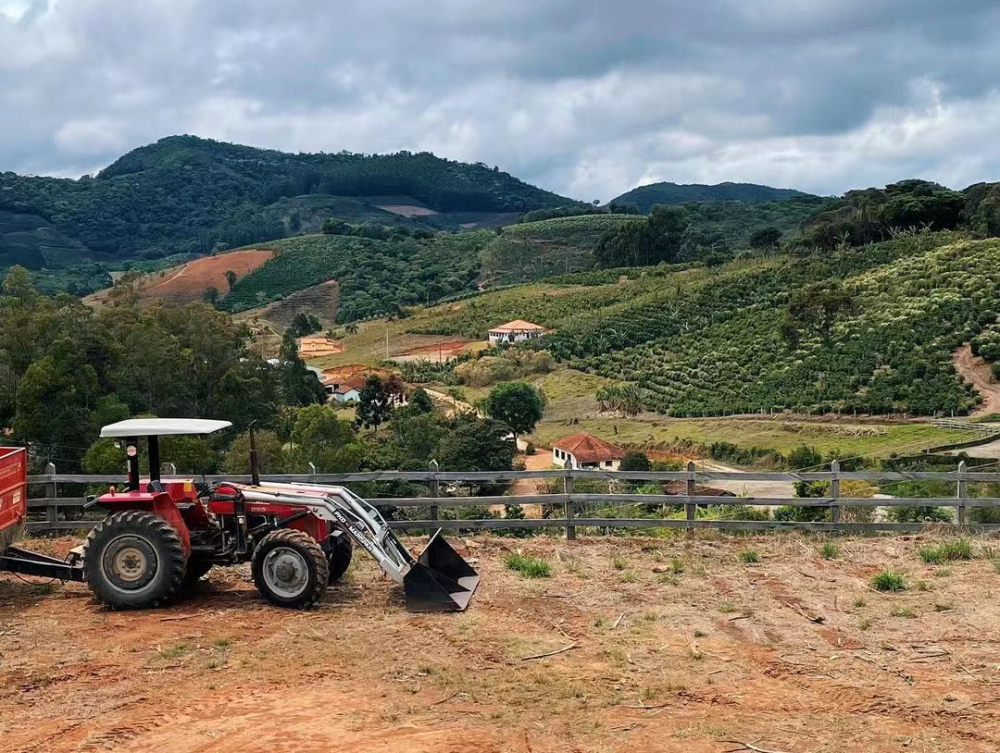
Changes in coffee futures prices are closely related to inventory levels at the Intercontinental Exchange in New York. As Brazil is the world’s primary source of inventory supply, its production and export volumes naturally become key drivers of price trends. Therefore, understanding the growing regions, varieties, and processing characteristics of Brazilian coffee not only helps grasp market dynamics but also enables more precise selection and brewing of ideal Brazilian flavors.
Compared to other high-altitude coffee-growing regions in Central and South America, Brazilian coffee is generally cultivated at lower altitudes, with relatively flat terrain and a lack of significant microclimates. Additionally, most planting areas are not shaded, resulting in relatively softer bean density and overall flavors that are less delicate than those of some high-mountain regions. However, Brazilian beans also have their unique charm, typically exhibiting low acidity, rich, and full-bodied mouthfeel. High-quality Brazilian coffee often carries nutty and dark chocolate-like sweetness, with a well-balanced acidity and bitterness, making it an important base for many blended beans.
If the quality is slightly lower, woody notes or earthy off-flavors may appear, so attention should be paid to the origin and processing methods when selecting.
The history of Brazilian coffee cultivation dates back to the 1720s, initially introduced from French Guiana, where it quickly adapted to the local environment and expanded from the north to the southeast and south. However, when cultivation reached Paraná state, the higher latitude and frequent frost damage in winter caused serious losses. It was not until the 1970s and 1980s that farmers shifted their focus to northern Minas Gerais and Bahia, where winter temperatures are more stable and frost-free, gradually establishing this area as an important region for specialty coffee.
Currently, the main coffee-growing regions in Brazil include Minas Gerais, São Paulo, Bahia, and Espírito Santo. The exports from these four regions account for over 90% of the national total. Among them, the Mogiana region belongs to São Paulo, while within Minas Gerais, the Cerrado and Sul de Minas regions, due to their relatively higher altitudes, are important sources of specialty Brazilian beans.
In terms of varieties, Brazil mainly cultivates Red Bourbon, Yellow Bourbon, Catuai (New World), and Catuaí. Among these, Red Bourbon and Yellow Bourbon are the mainstays. The Bourbon variety is a natural mutation of Typica, with the main difference between Red and Yellow Bourbon being the color change of the fruit upon ripening. Red Bourbon turns from green to red, eventually appearing deep red to dark red, and is the commonly seen 'Bourbon variety' on the market; Yellow Bourbon is a rarer variant with lower yields, but it is generally believed to have more concentrated and superior flavors. Bourbon varieties grown at high altitudes often possess richer aromas and brighter acidity, with some even exhibiting subtle wine-like notes.
So, is Brazilian coffee delicious? The answer depends on the variety, growing region, and processing method. Below are two representative Brazilian regional beans and their flavor profiles.
One of them comes from Fazenda Rainha in the Mogiana region, grown at an altitude of 1400 to 1950 meters, belonging to a high-altitude micro-region in Minas Gerais. This area consists of numerous small and medium-sized family farms, combining traditional and modern management techniques to produce high-quality green beans. Cupping results show that the coffee beans from this farm have a natural cane sugar sweetness. After medium-dark roasting, the flavors present as roasted nuts, silky peanut butter textures, and a mellow brown sugar sweetness. The overall profile is rich and balanced.
The other comes from the Cerrado region, located in the southwestern part of Brazil in the state of Mato Grosso. Although named Cerrado, it actually refers to the high-quality planting belt in the central-western part of Minas Gerais at altitudes above 1000 meters. This area has fertile soil and favorable climatic conditions, suitable for cultivating high-quality coffee. After medium-dark roasting, the Cerrado beans exhibit smooth textures of nuts, peanuts, and butter, along with warm notes of cocoa and caramel. The cup is clean with distinct layers.
For pour over extraction, it is recommended to use a Kono filter cone. Its design differs from the V60—the filter ribs only extend to one-third of the height, with the remaining part having a smooth inner wall. When the filter paper fits tightly against the cone, air circulation is restricted, slowing down the water flow rate, which helps prolong the extraction time, creating an immersion-like effect, resulting in a fuller and more rounded coffee mouthfeel.
Regarding grind size, it is recommended to use a medium-coarse grind (based on a Chinese No. 20 standard sieve, with about 70% passing rate). Water temperature should be controlled between 88 to 89 degrees Celsius, and the coffee-to-water ratio can be set at 1:15. In practice, a three-stage pouring method can be used: first pour 30 grams of water for a 30-second bloom, then pour in a small circular motion up to 125 grams for the first pour. When the water level is about to expose the coffee bed, continue pouring up to a total of 225 grams before stopping. The total extraction time is approximately 2 minutes, effectively highlighting the richness and sweetness of Brazilian coffee, making it suitable for coffee lovers who prefer a balanced flavor profile.
The above content is compiled by CoffeeHunters, a coffee news website.


