







Introduction:As the world’s largest coffee-producing country, Brazil’s bean prices influence the global market. However, altitude limitations have historically challenged its specialty coffee development. This article delves into Brazil’s four-tiered coffee grading system, explores flavor differences between the Cerrado and Fazenda Rainha regions, and provides expert roasting insights and pour-over parameters for Red Bourbon and Yellow Bourbon beans—helping coffee enthusiasts master the brewing techniques for Brazilian beans.
Brazil is not only the world’s top coffee producer but also the second-largest consumer market after the United States. Its production and price fluctuations significantly impact global markets. During the pandemic, slower harvesting and shipping constraints once drove Arabica coffee futures prices to surge. Although Brazil’s coffee industry is dominated by large-scale farms, many specialty estates are dedicated to enhancing flavor profiles—even serving as the birthplace of the COE (Cup of Excellence) competition, showcasing a unique balance of quality and quantity.
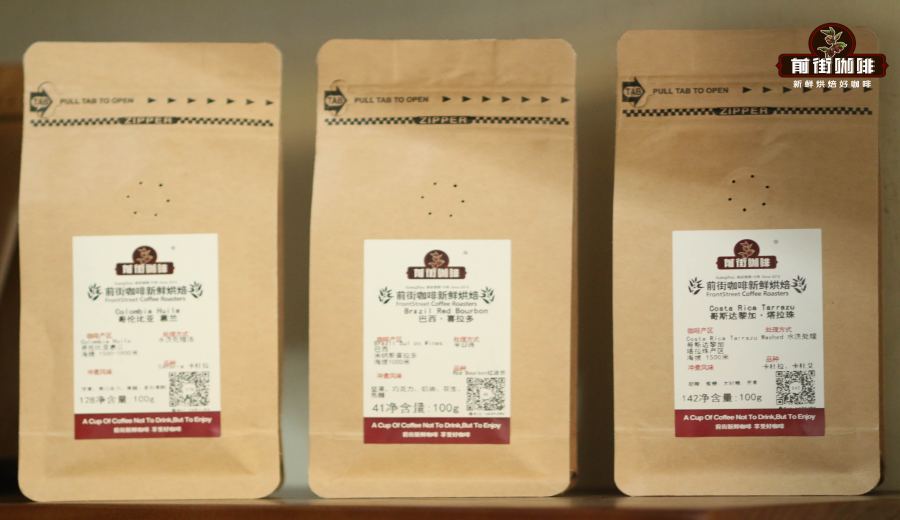
In terms of regional characteristics, most Brazilian coffee is grown on flat plateaus at around 1,000 meters above sea level, terrain ideal for mechanized farming. Compared to other high-altitude regions in Central and South America, this elevation gives Brazilian beans less advantage in specialty coffee evaluations. Yet, this doesn’t mean Brazilian coffee lacks highlights. For instance, two Brazilian beans introduced by one roaster—Cerrado Red Bourbon and Fazenda Rainha Yellow Bourbon—exemplify the distinct profiles of Brazil’s large-scale production and specialty estates.
Among them, the Cerrado region is one of Brazil’s higher-quality Arabica hubs, sitting at around 1,000 meters with flat terrain and widespread mechanization, primarily cultivating Red Bourbon. A historic Arabica variety, Red Bourbon is known for its solid body, bright acidity, and wine-like aromas. The Cerrado region commonly employs the pulped natural process, which reduces defect rates while maintaining cleanliness, resulting in chocolate and peanut notes with a caramel-like finish.
The other bean comes from Fazenda Rainha in the Mogiana region, an area dominated by small-to-medium boutique estates focused on high-quality coffee production. Fazenda Rainha’s Yellow Bourbon, a Red Bourbon mutation, ripens yellow and typically offers richer fruit acidity and aroma. This coffee undergoes meticulous natural processing, with stricter requirements for drying and management, yielding pronounced cane sugar sweetness paired with layers of dark chocolate and nuts.
Brazil’s coffee grading system differs from other Central and South American countries. Due to generally lower altitudes, Brazil doesn’t primarily use “hard beans” (dense beans from high elevations) as a grading criterion. Instead, it evaluates beans based on four key metrics:
- Flavor grade: Ranges from highest to lowest as Strictly Soft (very smooth), Soft (smooth), Softish (slightly smooth), Hardish (harsh), and Rioy (iodine-like or harsh flavors).
- Defect rate: Graded by the number of defects per 300g of green beans. The most common is NY.2 (allowing up to 6 defects per 300g). NY.1 denotes no defects but is extremely rare and supply-unstable, so NY.2 is the highest commonly available grade.
- Cup quality: Categorized as Fine Cup (FC, premium), Good Cup (GC, good), Fair Cup, etc., with FC and GC being the most frequent high-quality grades in Brazilian coffee.
- Bean size: Graded by screen size, with 19 being the largest but rarest. The market commonly considers 17 and 18 as high-quality standards.
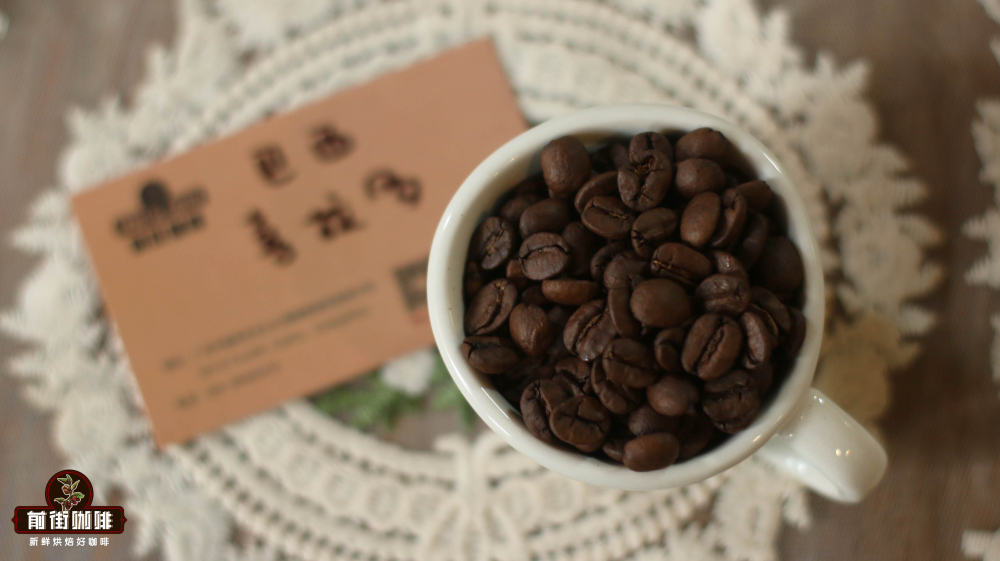
Given Brazilian beans’ characteristics, many roasters opt for medium roasts. This level fully highlights the beans’ balanced profile—extending caramelization slightly to convert acidity into rounder sweetness while maintaining consistent color between the surface and core for stable flavor. Additionally, medium-low temperatures and gradual heat increases help avoid over-extraction or uneven development.
For brewing, medium-to-dark roasted Brazilian beans pair well with the Kono dripper. Its rib design concentrated at the bottom allows the filter paper to cling closer to the walls, reducing airflow and extending brew time—enhancing body. A water temperature of 88°C is recommended to suppress off-flavors from over-extraction, especially suitable for darker roasts.
In practice, use 15g of coffee grounds with a 1:15 ratio (15g coffee to 225g water), ground to ~80% through a Chinese-standard 20-mesh sieve (medium-fine). Brewing steps: First, pour 30g water for a 30-second bloom. Then, pour in small circles to 125g for the first pour. When the water level nearly exposes the coffee bed, pour to 225g total, aiming for a ~2-minute extraction. These parameters work for both Fazenda Rainha Yellow Bourbon and Cerrado Red Bourbon, showcasing their unique profiles.
Fazenda Rainha Yellow Bourbon typically offers intense chocolate and nut aromas, complemented by floral and spice notes. Its sweetness stands out, with a Pu’er tea-like thick finish, delivering a smooth and balanced cup. Cerrado Red Bourbon starts with pronounced sweetness, hints of lemony acidity mid-palate, prominent nuttiness, and transitions to rich dark chocolate in the finish—resulting in a rounded, full-bodied experience.
The above content is compiled by CoffeeHunters, a coffee news website.


