








Introduction:As one of Ethiopia’s most iconic coffee-growing regions, Yirgacheffe is renowned for its distinctive floral and citrus notes. This article delves into the region’s high-altitude garden farming background, the washed processing technique introduced in 1972, and how light roasting brings out its bright, clean acidity and delicate aromas. It also provides tested V60 pour over recommendations, including water temperature, brew ratio, and grind size, to help you easily brew a clean and sweet cup of Yirgacheffe.
Yirgacheffe, a name familiar to many coffee enthusiasts, has long been a gateway to specialty coffee thanks to its unique fruity acidity and floral profile. But what makes this Ethiopian coffee stand out and become a star product in the global market? This article will take you through a comprehensive understanding of this classic coffee—from regional terroir and washed processing to flavor profiles under light roasting—while also offering practical pour over parameters so you can replicate professional-grade flavors at home.
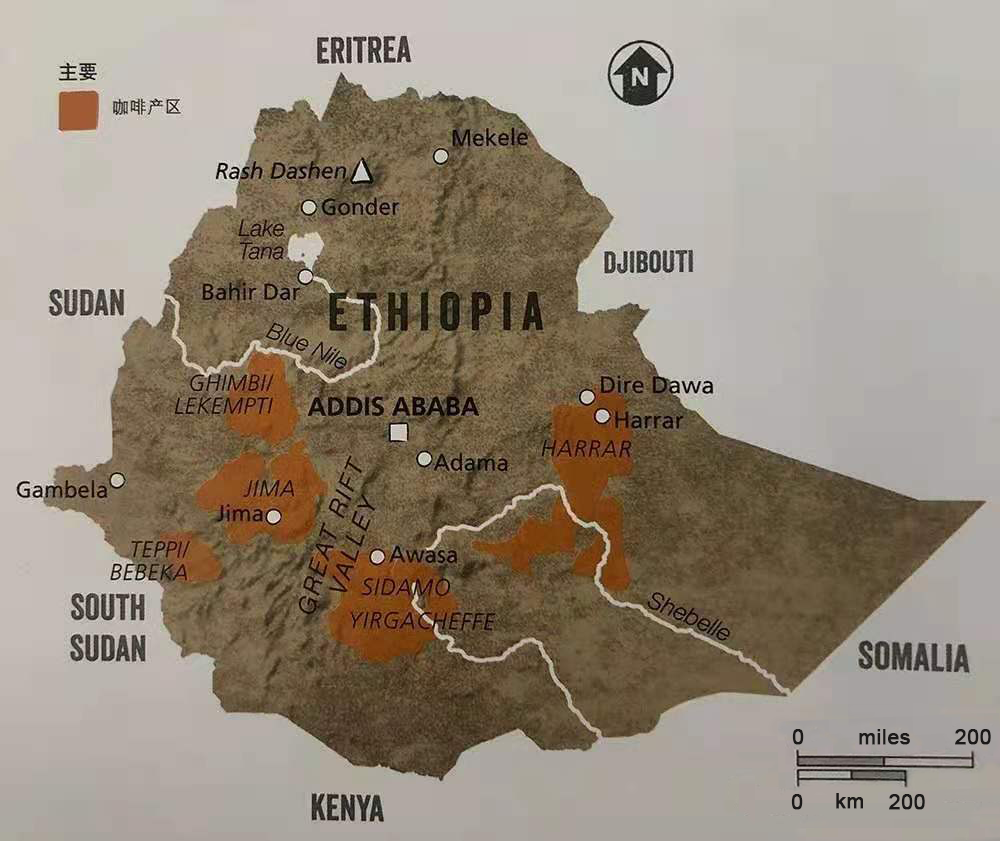
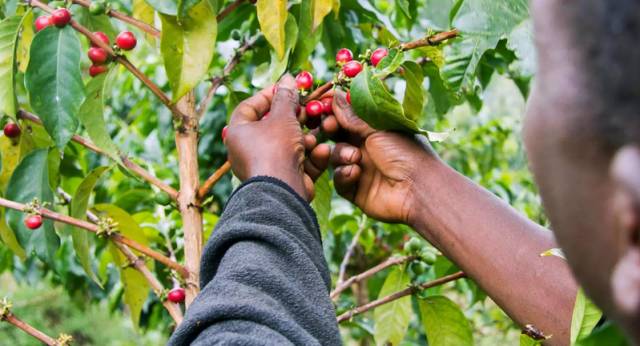
Although often regarded as a single origin, Yirgacheffe is administratively part of Ethiopia’s Sidamo region, located in the central-southern highlands of the country with an average altitude exceeding 2,000 meters, making it one of the highest-altitude coffee-growing areas in the nation. Most local farmers practice small-scale garden-style cultivation, growing coffee trees alongside other crops in their backyards or along the edges of farmland. Though yields are modest, careful farming ensures stable quality. The high altitude results in significant day-night temperature variations, slowing the ripening of coffee cherries and helping accumulate richer aromatic compounds. This also delays the harvest period to between October and January each year. During this time, farmers in the mountains and villages are busy harvesting ripe red cherries, which are then sent to local cooperatives for unified processing.
Among them, Misty Valley is one of Yirgacheffe’s most representative microclimates, often shrouded in fog with cool, moist weather that provides ideal growing conditions for coffee trees. Coffee from this area typically exhibits soft acidity and complex floral-fruity aromas. In addition, micro-regions such as Kochere, Gedeb, and Wolkite have also fostered distinctly flavored coffee beans thanks to their unique cooperative processing teams. The Yirgacheffe used here comes from the Gedeo Zone’s Gedeb Woreda, specifically the Konga Cooperative in the Wolkite area. Established in 2012, this team consists of about 300 member farmers and specializes in washed processing, producing coffees with bright and layered flavor profiles.
Yirgacheffe’s status as a model of African specialty coffee is not only due to its exceptional geographical environment but also closely tied to the washed processing technique introduced by the Ethiopian government from Central and South America in 1972. Compared to natural or honey processing, washed processing requires a reliable water source and well-established facilities. Although more costly, it effectively removes pulp and impurities, significantly improving the cleanliness and consistency of green beans. During washing, fermented coffee beans undergo multiple rinses and friction, removing defective beans while imparting a crisper acidity and delicate white floral notes. This method allows Yirgacheffe to showcase its highly recognizable lemon, green tea, and jasmine profiles, with flavors that are refreshing yet layered.
In the past, the mainstream coffee market favored dark roasts that emphasized intense caramel and nutty flavors, but often came with noticeable bitterness. With the rise of specialty coffee culture, roasters began exploring ways to preserve the intrinsic fruitiness and aromas of coffee. Thanks to its naturally bright acidity and rich fruit characteristics, Yirgacheffe has become the poster child for light roasting. A moderate light roast not only highlights its original flavors but also brings out honey-like sweetness and subtle vegetal aromas, earning widespread acclaim among global consumers.
Since Yirgacheffe is typically lightly roasted, the beans are relatively dense and compact, so it’s recommended to use a high water temperature of 92℃~93℃to fully activate its hidden floral and fruity notes. Regarding grind size,it is advised to opt for a medium-fine grind, roughly equivalent to 78% passing through a domestic No. 20 sieve—or about the coarseness of fine sugar. If the grind is too coarse, it may result in a thin-bodied extraction; if too fine, it risks over-extraction under high temperatures, leading to unwanted bitterness and astringency.
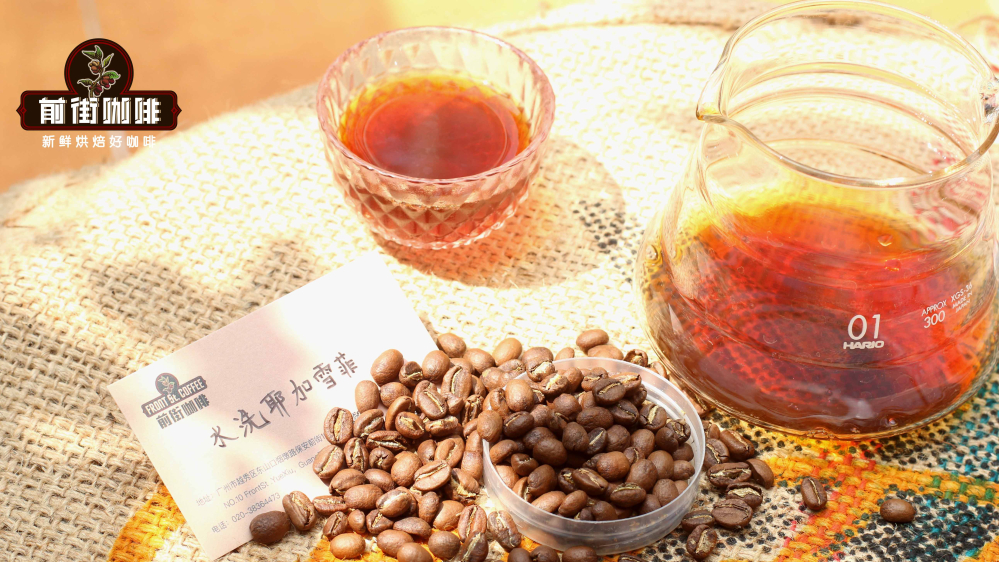
In actual cupping sessions, varying water temperatures and pouring methods noticeably influence Yirgacheffe’s flavor expression. To fully showcase its fresh and pleasant aromas and multi-layered taste, it’s recommended to use a V60 filter cone paired with a three-stage brewing method. The V60’s spiral ridges help release gases from the coffee bed, further enhancing the expression of acidic and aromatic compounds. The following are tested and recommended parameters:
- Filter cone: V60
- Water temperature:92℃~93℃
- Coffee dose: 15 grams
- Brew ratio:1:15 to 1:16(prefer stronger flavors with 1:15, or a cleaner, more floral-sweet taste with 1:16)
- Grind size: Medium-fine, approximately 78% passing through a No. 20 sieve (similar to fine sugar granules)
The specific pour over steps are as follows: First, pour about 30 grams of water (roughly double the coffee dose) to wet the grounds and bloom for about 30 seconds until the coffee bed fully expands. Then, pour water in small circles from the center outward with a gentle stream. When the total water volume reaches 125 grams, pause for the second pour. Once the coffee bed settles to the middle of the filter, continue pouring with the same gentle stream until the total water volume reaches 225 grams. Finally, let it drain completely. The entire process takes about 2 minutes. After brewing, gently swirl the coffee in the server before serving to enjoy this clean and sweet cup from Ethiopia.
When you grind this washed Yirgacheffe, you’ll first notice distinct notes of honey and dried jasmine. As water is added, aromas of berries and citrus gradually emerge. When sipped, a clear lemony acidity greets you, followed by a finish of green tea and citrus. As the cup cools, sweet aftertastes of berries, cream, and sugarcane unfold one by one. Overall, the cup is bright, refreshing, and well-layered, making it an excellent reference benchmark for daily specialty pour over brewing.
The above content is compiled by CoffeeHunters, a coffee news website.


