







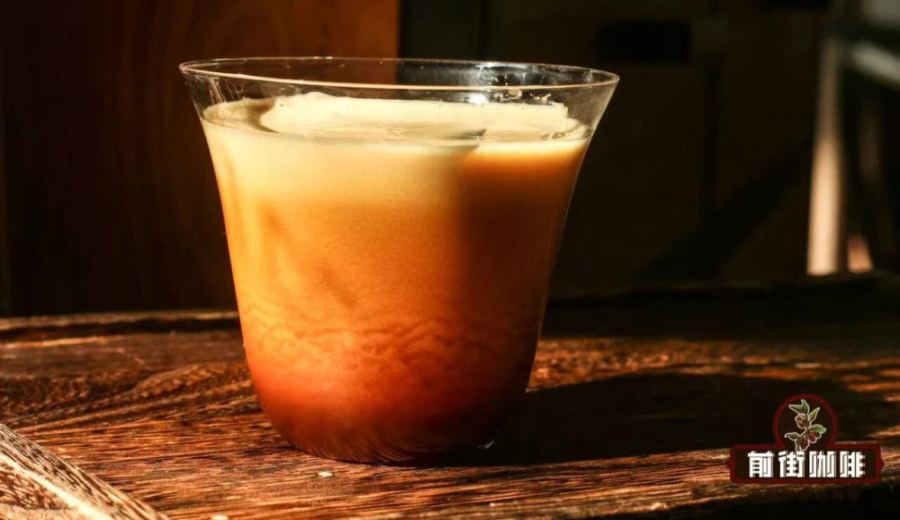
Introduction:SOE (Single Origin Espresso) has become a popular choice among coffee enthusiasts in recent years, but compared to traditional blends, it often comes with a higher price tag. This article delves into the fundamental differences between SOE and Italian-style blends, exploring everything from bean origin, roasting strategies, flavor profiles to cost structures, to help you understand why SOEs are more expensive. It also provides practical home brewing tips, including bean selection, grind adjustment, and parameter tuning, to help you master the key elements of extraction and brew a SOE with distinct flavors.
With the rise of the specialty coffee trend, single-origin SOEs (Single Origin Espresso) are gaining increasing attention in the coffee market. Many coffee shops have introduced drinks based on SOEs to create unique shop-flavor identities. However, many consumers also notice that SOEs are generally more expensive than regular blends, which is actually due to multiple factors such as bean grade, roasting method, and extraction difficulty. This article will provide a detailed analysis of the core differences between SOEs and Italian-style blends, as well as the key elements that influence cost and flavor expression, along with practical home-brewing advice.
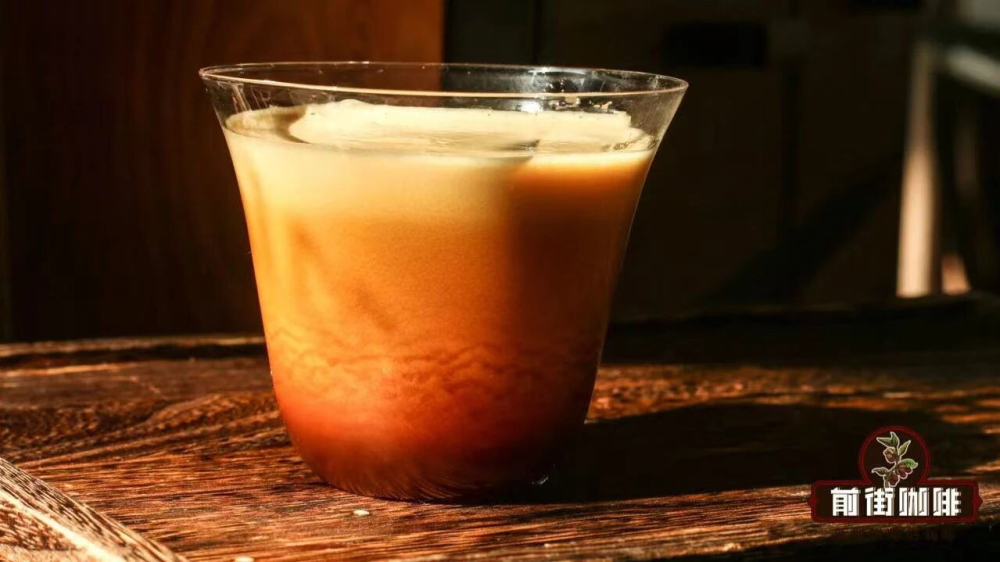
In the era when specialty coffee was not yet widespread, Italian espresso was mostly made from multi-origin blends. These blends typically mixed coffee beans from different countries or regions, using a darker roast level to balance various flavors and mask any potential flaws in the beans, often resulting in rich caramel, chocolate, or nutty notes. This approach ensured stable extraction and helped control costs and flavor consistency during mass production. For beginners or shops aiming for consistent output, blends were a relatively cost-effective choice.
However, entering the 21st century, with the promotion of specialty coffee concepts, coffee consumers are no longer satisfied with uniform, generic flavors and instead crave exploring the unique characteristics of beans from different regions. Especially in competitions and professional circles, baristas began selecting single-origin coffee beans to showcase their distinctive regional flavors, and the concept of SOE gradually took shape. In 2007, World Barista Champion James Hoffmann first used single-origin beans to make espresso in a competition, bringing SOE into the public eye.
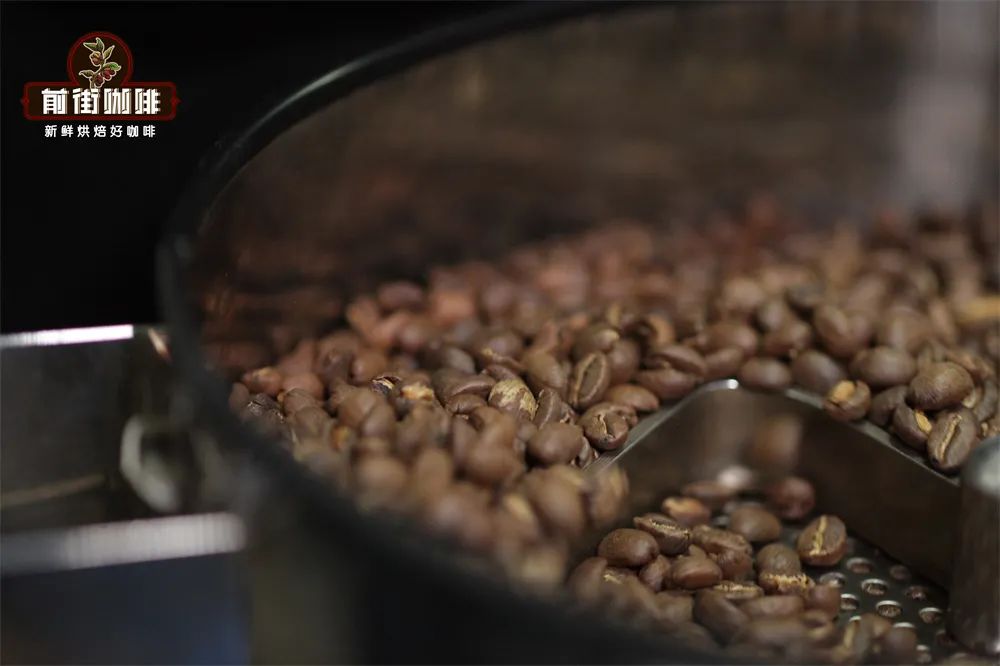
So, what exactly is an SOE? Simply put, an SOE refers to coffee made by extracting beans from a single origin, farm, or even a single batch using the espresso method. The "single origin" here can be a country (such as Ethiopia), a region (such as Yirgacheffe), a cooperative, or a specific farm. This type of coffee emphasizes "origin flavor," which refers to the unique aromas and tastes imparted by the region’s climate, soil, and processing methods—such as the common citrus and floral notes of Yirgacheffe or the rich chocolate tones of Colombian beans.
Compared to blends that emphasize flavor balance and intensity, SOEs focus more on "flavor expression," which means faithfully presenting the characteristics of the region. To highlight these subtle flavors, roasters often opt for lighter roast levels to avoid dark roasting masking the beans’ inherent fruitiness, floral notes, or acidity. However, this also means that SOEs require more technical skill during extraction, with higher demands on environmental variables, grind size, water temperature, and pressure—factors that are directly reflected in their cost and retail price.
Why are SOEs usually more expensive than blends? The primary reason lies in the grade and origin of the beans themselves. The coffee beans used in SOEs are mostly specialty-grade, which undergo strict quality control in planting, harvesting, and processing, naturally leading to higher costs. Additionally, to showcase their unique regional flavors, roasters must handle them with greater precision. While light roasting can bring out fruity and floral notes, it also makes it harder to mask defects, placing stricter demands on bean quality. As a result, shops offering SOEs often charge a premium, which is also a recognition of both the bean quality and the roasting craftsmanship.
Furthermore, the production threshold for SOEs is relatively higher. Every step—from bean selection, roasting, grinding to extraction—affects the final flavor. Especially under the high-pressure extraction environment of espresso, the tighter fiber structure of light-roast beans makes it harder for flavor compounds to be released, thus requiring more precise parameter adjustments, such as moderately increasing water temperature, fine-tuning the grind, and controlling extraction time and coffee-to-water ratio. Changes in environmental humidity or temperature can also significantly impact extraction results, posing a major challenge to the experience and judgment of the barista.
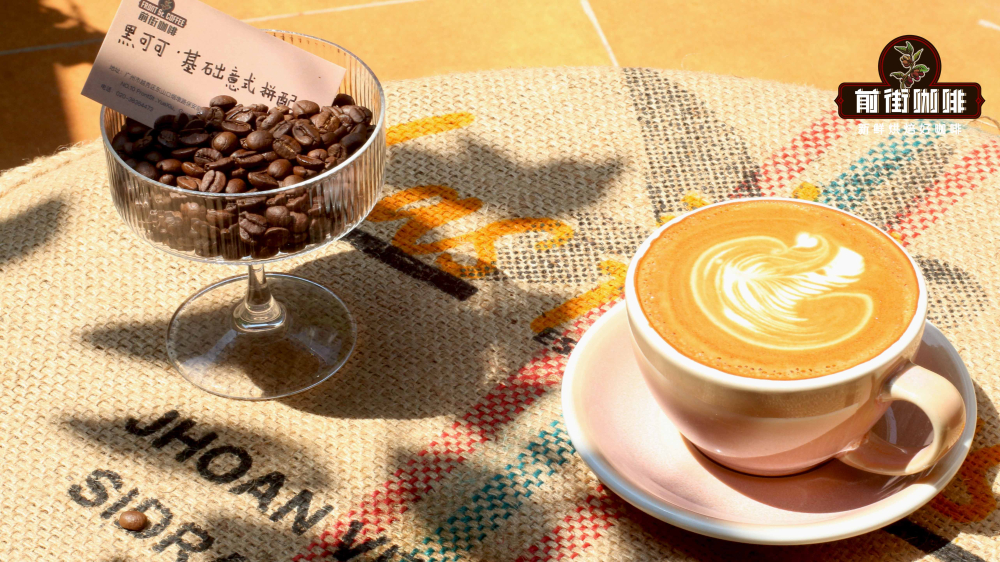
For coffee enthusiasts looking to try SOEs at home, it’s recommended to start with medium-dark roast or single-origin beans with pronounced flavor profiles to lower the initial learning curve. For example, medium-dark roast beans from Brazil often have a balanced taste with notes of chocolate, nuts, and creamy smoothness, suitable for users who prefer balanced flavors. If you prefer fruity profiles, you can choose single-origin beans processed with raisin honey methods, such as some from Costa Rica, which can deliver tropical fruit and sweet aromatic notes.
Regardless of the bean type chosen, freshness is key. It’s recommended to purchase beans roasted within five days and try to use them within two to three weeks of roasting for the best flavor expression. If using light-roast beans for SOEs, due to their higher internal density, consider adjusting parameters appropriately, such as slightly increasing water temperature (around 92–94°C), extending extraction time, or fine-tuning the grind size to improve extraction efficiency. However, be mindful that the grind range for espresso grinders is limited, so adjustments should be made gradually to avoid over-extraction or channeling, which can affect overall balance.
In summary, the higher price of SOEs is not only due to differences in bean sources and grades but also the craftsmanship and technical input behind them. If you hope to enjoy high-quality single-origin espresso at home, every step—from selecting the right bean type, paying attention to storage conditions, to mastering precise extraction parameters—is crucial. Through continuous experimentation and adjustments, you too can brew an SOE with unique flavors and layered complexity.
The above content is compiled by CoffeeHunters, a coffee news website.


