







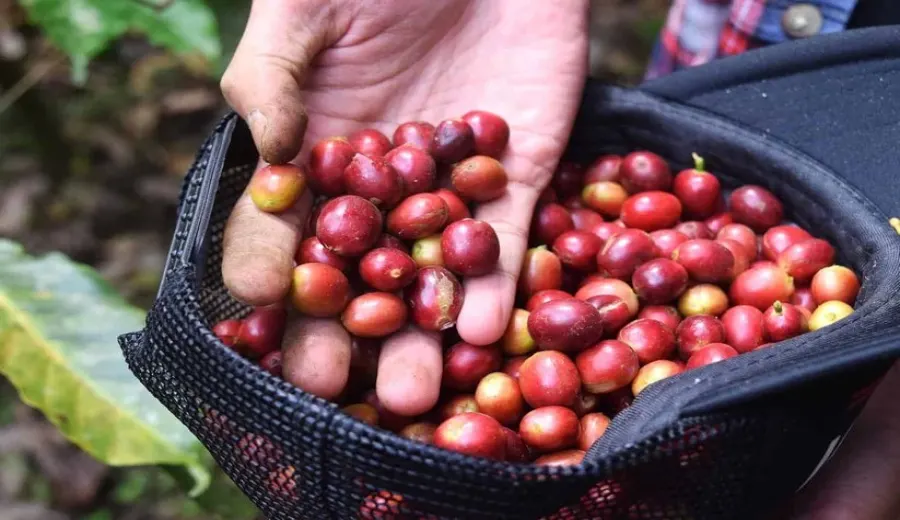
Introduction:Indonesian coffee is often known for its herbal and spicy notes from Sumatra, but the birthplace of its coffee culture is actually Java. This article delves into the historical background, climate conditions, and key varietal evolution of Java’s coffee regions, focusing on the unique flavor profile of West Java’s Tegulang Mountain honey-processed coffee — characterized by tropical fruit acidity and sweetness with a wine-like finish that breaks the traditional stereotype. It also provides practical pour-over parameters to help you explore the nuanced layers of Java flavor.
When it comes to Indonesian coffee, many people first think of Sumatra’s bold herbal and earthy tones. But in fact, Java is the birthplace of Indonesia’s coffee cultivation and industrialization. This article not only outlines the full picture and historical development of Java’s coffee regions, but also takes you deeper into how West Java’s Tegulang Mountain honey-processed coffee overturns the public’s stereotypical view of Indonesian coffee with its tropical fruit acidity and wine-like finish. The article also provides detailed pour-over parameters so you can easily recreate professional flavors at home.
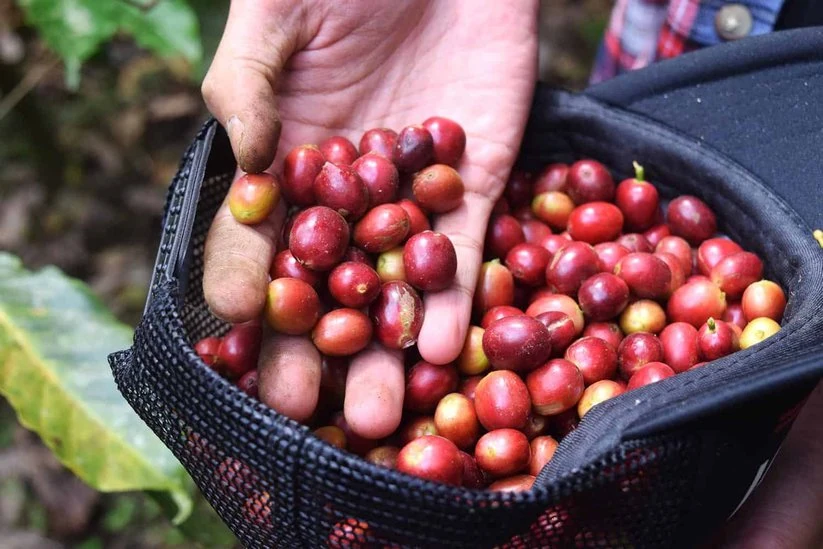
As a first-level administrative region of Indonesia, West Java is located in the western part of Java Island, bordered by the Java Sea to the north and the Indian Ocean to the south, covering a total area of 46,300 square kilometers. Its climate is a typical tropical rainforest type, with high temperatures and humidity year-round. The terrain is diverse, with coastal plains in the north where temperatures are relatively high, and cooler mountainous areas in the central and southern parts. From November to March each year, the northwest monsoon brings frequent rainfall; from April to October, the southeast monsoon dominates, resulting in mostly sunny and dry weather. The capital Jakarta has an average annual precipitation of about 1,760 mm, with daily highs around 30°C and lows around 23°C. In high-altitude areas such as Tosari (approximately 1,735 meters above sea level), temperatures drop to 22–8°C. The fertile soil brought by volcanic activity provides a solid foundation for coffee cultivation.
Java’s coffee industry differs significantly from other Indonesian regions. While most areas rely on smallholder-scale planting and self-processing, Java’s Arabica coffee is mainly grown on large farms or state-owned plantations and generally employs modern washed processing methods. The dominant variety is S795, also known as Jember, which was introduced from India and took root in Java. This variety not only adapts well to high altitudes but also exhibits excellent balance and delicate acidity, with flavors characterized by mild tropical fruit notes, distinctly different from the heavy spices and herbal profiles commonly found in Sumatra and Sulawesi.
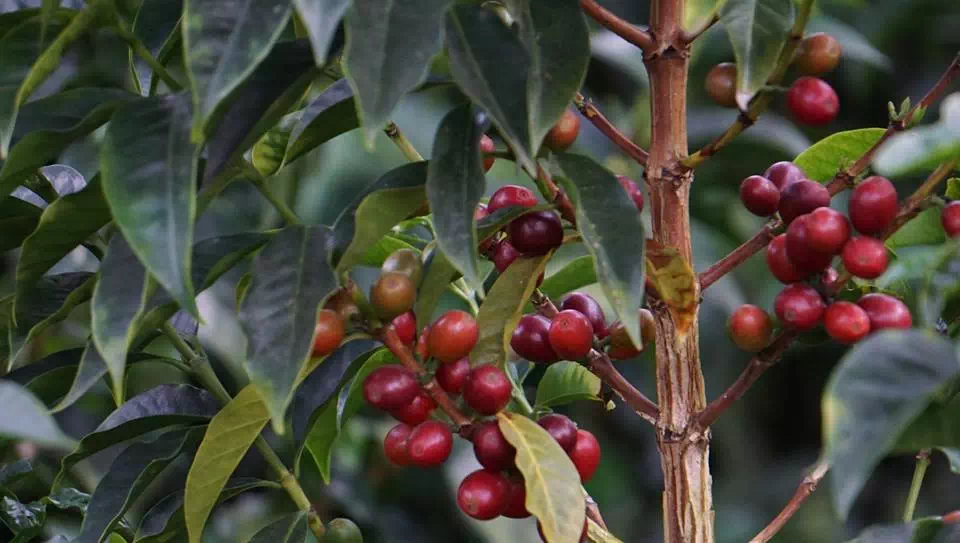
Tracing back to the history of Java coffee, it dates as early as the late 17th century. In 1699, the Dutch introduced coffee seedlings from India to Java, and in 1711, the first coffee seedlings were shipped to Europe via the Dutch East India Company (VOC). Within just ten years, Java’s Java coffee exports exceeded 60 tons per year, making Indonesia the third country in the world to engage in large-scale coffee cultivation after Yemen and Ethiopia. The initial varieties planted were Typica, originating from Ceylon (now Sri Lanka), mainly cultivated around Batavia (now Jakarta) and later expanding to various parts of Java and other Indonesian islands. In 1711 and 1715, Java coffee trees were sent to the Amsterdam Botanical Garden in the Netherlands and the Palace of Versailles in France, respectively, becoming important starting points for the global spread of New World coffee.
However, the coffee leaf rust disaster of 1876 severely damaged Indonesia’s coffee industry, leading to the near-extinction of most Typica varieties. By the end of the 19th century, the Dutch established large plantations in the Ijen Plateau of eastern Java and promoted new Arabica varieties in the early 20th century. To address issues of varietal degeneration and pests/diseases, the Indonesian Coffee and Cocoa Research Institute (ICCRI) was established in 1911, building on the research foundation from the Dutch era. It focused on breeding disease-resistant varieties and promoting modern cultivation techniques, earning international recognition for its research standards, even surpassing those of the SCAA at the time.
Currently, over 90% of Indonesia’s coffee is produced by small farms of less than 1 hectare, many of which practice organic farming, with 19 farmer cooperatives having obtained international organic certification. The mainstream Arabica varieties can be divided into six main categories: Typica (which nearly went extinct due to coffee leaf rust, though some variants like Bergandal and Sidikalang still exist in high-altitude areas of Sumatra), the Arabica-Robusta hybrid Hibrido de Timor (HDT), the Indian-origin Linie S series (such as S-288 and S-795), Ethiopian series (like Rambung and Abyssinia), the Brazilian-origin Caturra, and the Catimor series developed to enhance flavor.
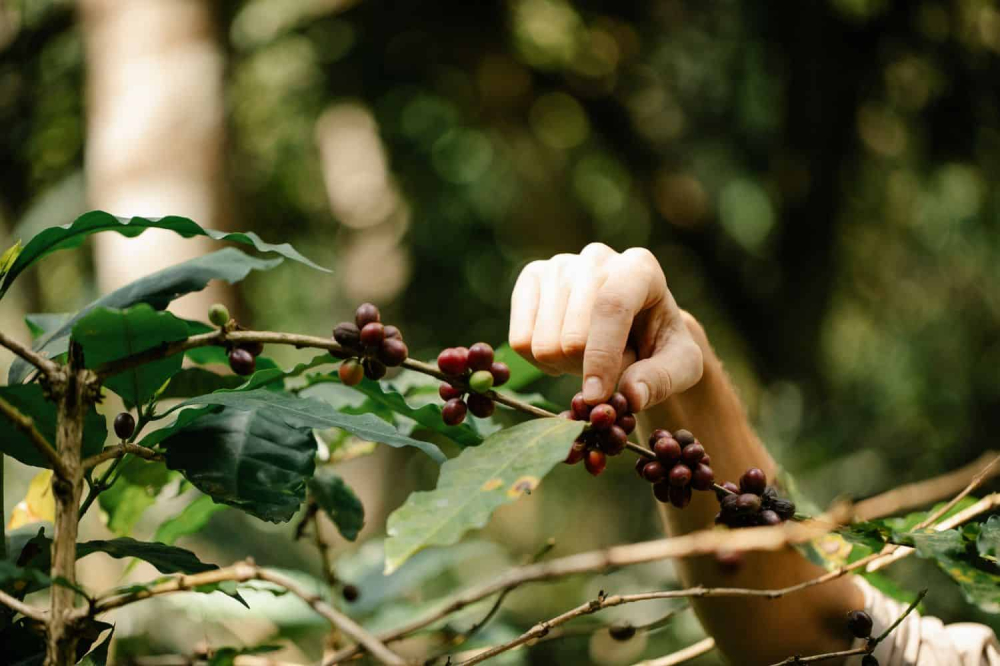
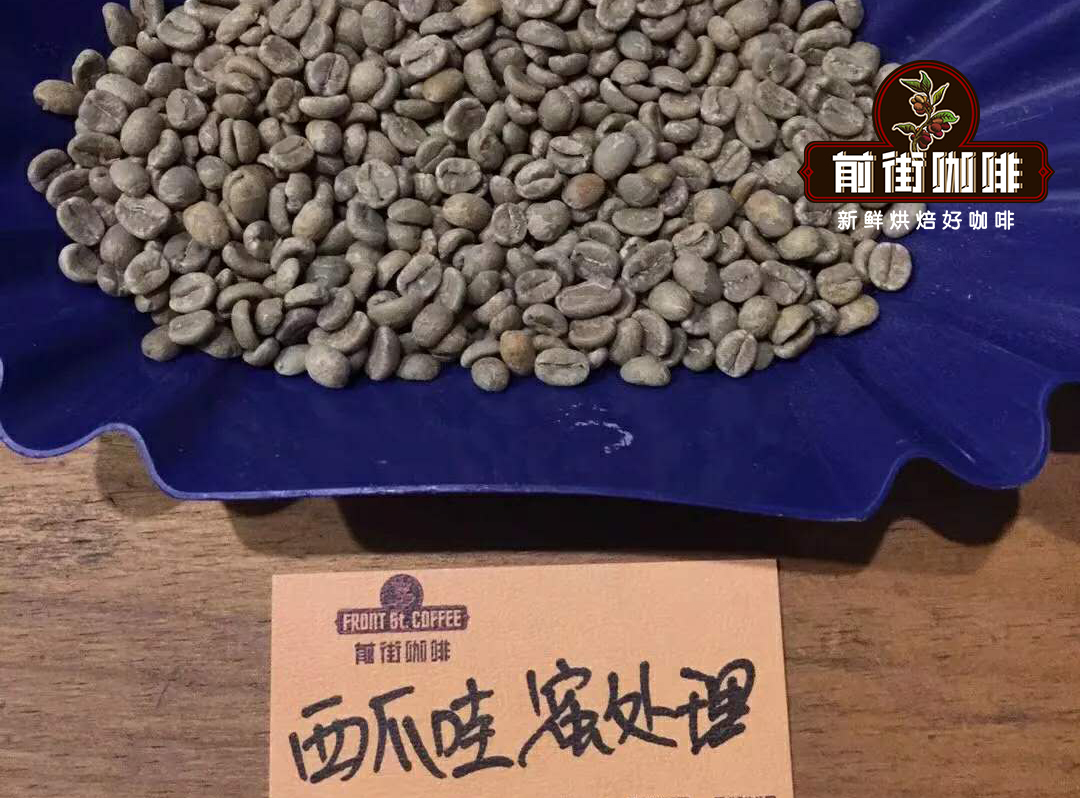
The focus of this article, West Java’s Tegulang Mountain honey-processed coffee, comes from the Ayani Estate, grown at altitudes between 1,400 and 1,600 meters, and the variety is the widely cultivated S795 (Jember). This variety was developed by Indian botanists through multiple hybridizations. The original parent S288 was a further cross between S26 (a cross between S288 and Typica) and Typica. To eliminate the earthy taste of the Liberica lineage, it was eventually crossed with the Kent variety (a cross between S288 and Typica) and a second-generation S288, successfully yielding S795. Since this variety was introduced to Java from the Jampit Coffee Research Center in East Java, local farmers commonly refer to it simply as Jember.
Honey processing is one of the highlights of this coffee. This method involves removing the pulp while retaining the mucilage, which is rich in sugar and acidity, followed by prolonged sun drying to allow sweetness and acidity to gradually penetrate the beans. Compared to traditional washed processing, honey processing retains more fruity aroma and body while maintaining cleanliness. Based on the degree of sun exposure, it can be categorized into yellow honey, red honey, and black honey. This coffee uses medium roasting to balance fruit acidity and sweetness, showcasing its unique tropical character.
A roaster noted that West Java green beans have a relatively high density, requiring careful control of heat during roasting. It is recommended to use medium roasting, starting with higher heat to quickly remove moisture, then adjusting the heat to preserve fruity and sweet notes. Cupping results show that this bean has a rich flavor profile, with distinct tropical fruit sweetness like mango and jackfruit, along with subtle wine fermentation aromas, distinctly different from common Indonesian bean styles.
Practical pour-over suggestions are as follows: water temperature controlled at 90–91°C, grind size approximately at the 10th setting on the EK43s (similar to coarse sugar, 80% passing rate through a #20 sieve), with a powder-to-water ratio set at 1:15, and recommended coffee powder amount of 15 grams. The pouring technique is divided into three stages: the first stage involves pouring 30 grams of hot water for a 30-second bloom; next, pour 95 grams of water (totaling approximately 125 grams) within 1 minute; when the water level drops to two-thirds of the coffee bed, pour the remaining 100 grams of water (totaling approximately 225 grams), with a total extraction time of about 2 minutes. These parameters help fully highlight the fruity acidity and rich texture.
Flavor profile after brewing: Tropical fruit flavors are vivid, with the sweetness of mango and jackfruit interwoven, accompanied by a subtle wine fermentation finish. The overall mouthfeel is rounded and layered, offering a fresh take on Indonesian coffee.
The above content is compiled by CoffeeHunters, a coffee news website.


