







Introduction:Dive deep into one of Colombia’s core coffee-producing regions — Huila Province. From its geography and climate, harvesting rhythms to traditional washed processing methods, this article offers a comprehensive analysis of what makes it a classic Arabica origin. It also details the Excelso grading system and provides practical medium-to-dark roast pour over parameters, allowing you to master everything from origin to brewing in one go.
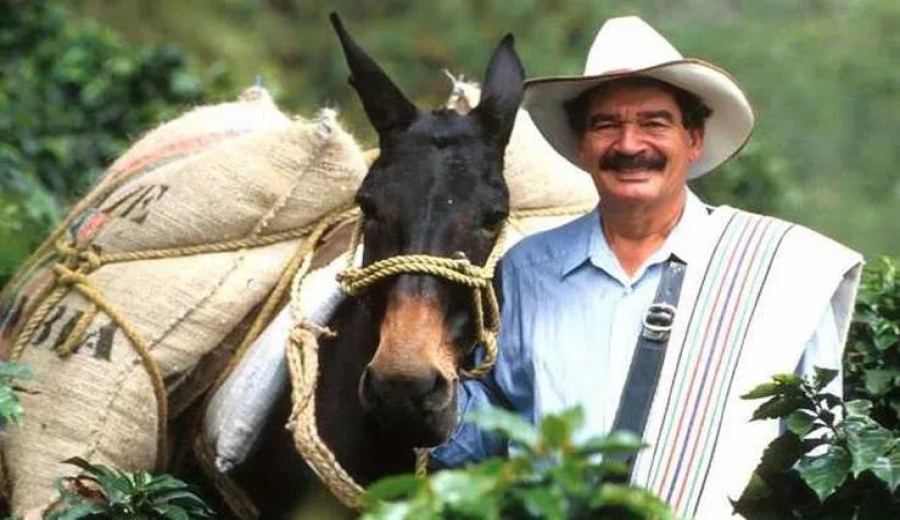
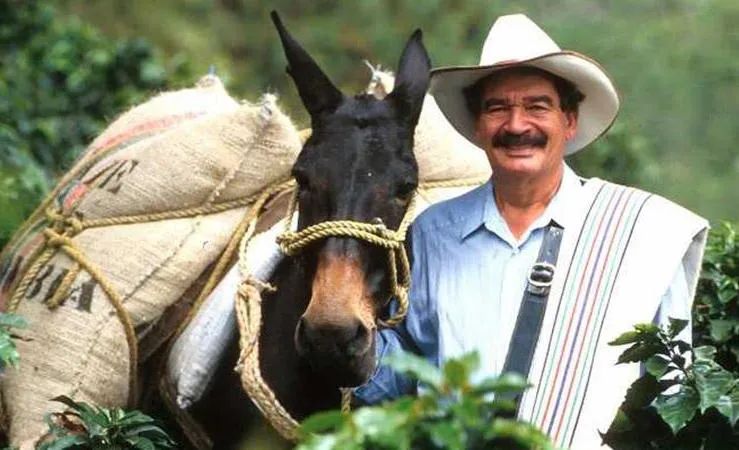
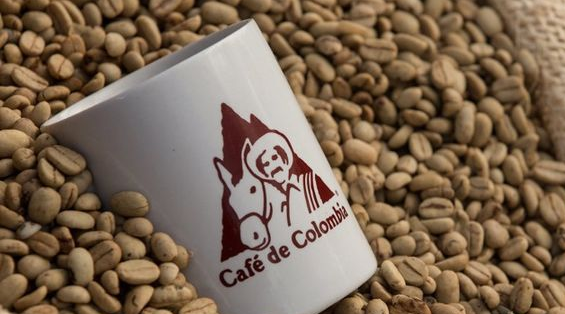
When Colombian coffee is mentioned, many immediately think of Uncle Juan — the iconic figure wearing a white straw hat, traditional attire, and canvas shoes. This deeply ingrained brand image has helped Colombian coffee travel from the mountainous regions of South America to global markets, becoming synonymous with consistency and high quality.
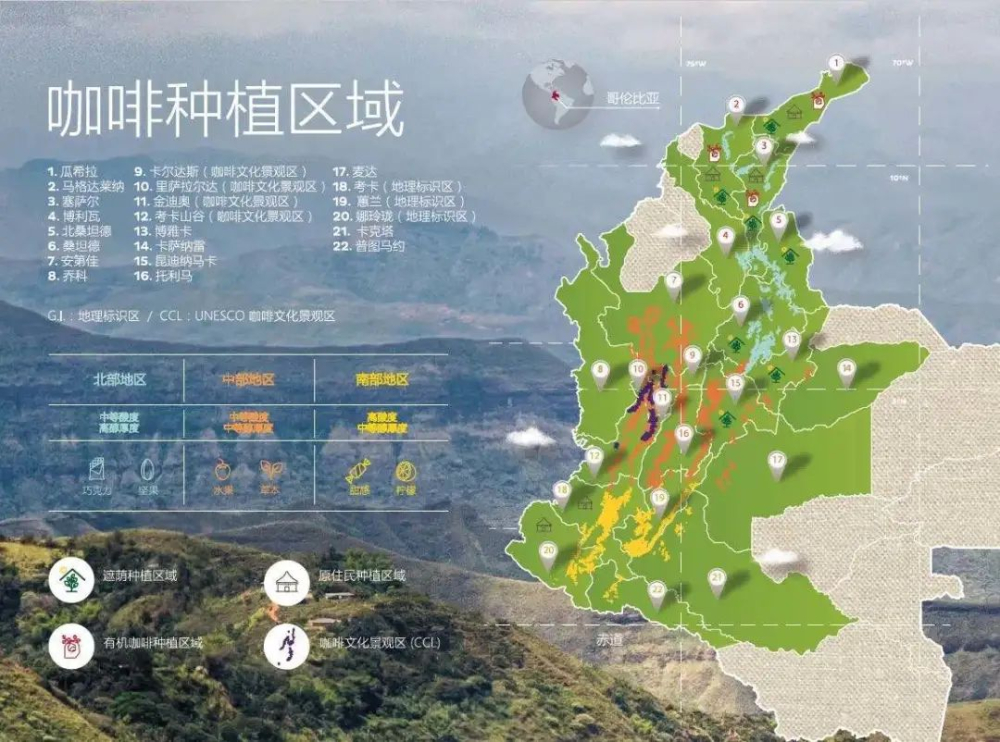
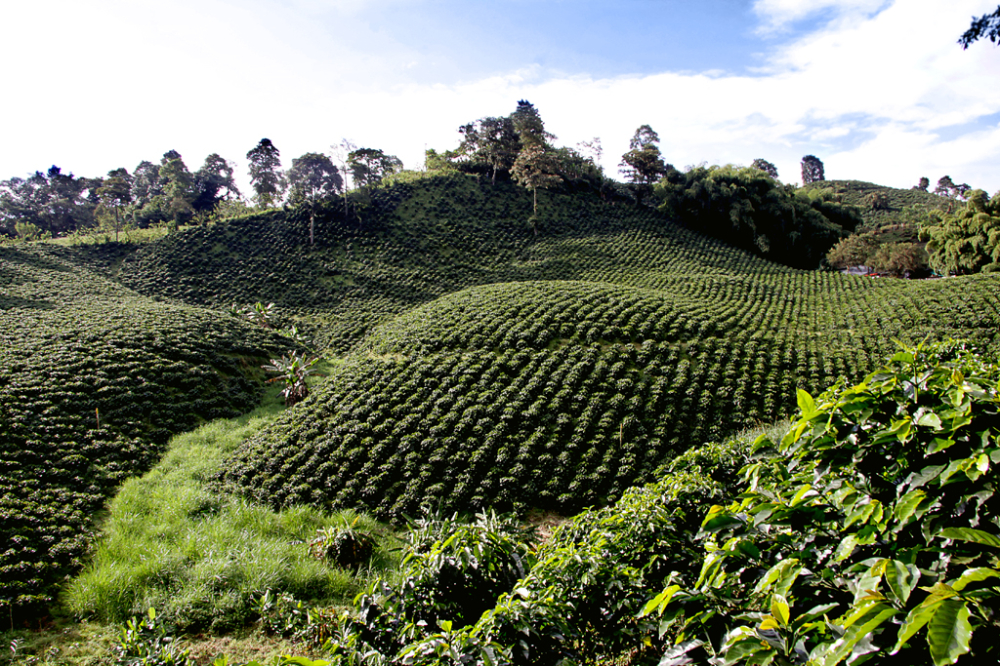
Colombia’s coffee-growing areas are primarily distributed among the hills and valleys of the Andes Mountains. The diverse terrain and altitude create a variety of microclimates. The country can generally be divided into tropical rainforest, subtropical, and tropical savanna climates, with average temperatures ranging between 18°C and 22.5°C — ideal conditions for growing Arabica. This varied climate allows Colombia to produce coffees with diverse flavor profiles, from rich and rounded to bright and fruity.
Colombia’s coffee regions are divided into three major zones based on geography and latitude: northern, central, and southern. Among them, the central zone has a more complex harvest season, with some areas capable of two harvests per year: the main season runs from October to January of the following year, and the secondary season falls between April and July. This seasonal arrangement, combined with elevation differences across regions, ensures that Colombia has fresh coffee available for harvest and export almost year-round.
In the past, Colombia’s most famous coffees mostly came from the “MAM” region — the traditional trio of Medellín, Manizales, and Armenia. However, with the rise of specialty coffee, southern regions such as Huila, Cauca, Nariño, and Tolima have gradually emerged, producing top-tier beans with delicate fruit acidity and aromatic layers, thanks to their high altitudes and refined post-harvest processing.
Huila Province is located at the southern foothills of Colombia’s central mountain range and is nationally recognized as a hub for specialty coffee. The region generally sits at elevations above 1,500 meters, with a mild climate, significant day-night temperature variation, and protection from cold winds by surrounding mountains, along with abundant river moisture — providing an almost ideal environment for Arabica coffee. The coffee here not only possesses distinct regional characteristics but also stands out as a classic in the eyes of many roasters and consumers due to its refined flavor profile.
Most coffee in Colombia is processed using the traditional washed method, which effectively highlights the beans’ inherent flavors. Locally, many small farms use equipment such as Ecomill or Eco-Pulper to first remove the skin and pulp, then use minimal water to wash away most of the mucilage. The remaining small amount of mucilage is fermented overnight before being rinsed clean with water, and finally dried in the sun to reach the appropriate moisture content. This method not only enhances cleanliness and flavor purity but also accentuates the unique traits of Huila washed beans.
The export grading of Colombian coffee is mainly categorized based on bean size and defect rate, with the commonly used standard being Excelso. Although size is not the sole determinant of flavor, larger, plumper, and uniformly shaped beans usually have more consistent ripeness, aiding heat transfer and flavor development during roasting.
The Excelso grade can be subdivided into the following categories:
UGQ (Usual Good Quality) 12*60 (1.5%): Requires beans to be at least 14 mesh, with more than half being 15 mesh or above, and allows up to 1.5% of beans between 12–14 mesh.
EP (European Preparation) 12*60 (10%): Beans must be 15 mesh or above, with a maximum of 10% below 15 mesh (but not smaller than 14 mesh).
Supremo 12*60 (5%): Must be 17 mesh or above, allowing only 5% of beans below 17 mesh (but not smaller than 14 mesh).
All exported Colombian green beans are classified under the Excelso grade, which is currently the most widely used export standard by FNC (Colombian Coffee Growers Federation). In addition, there are higher specifications such as Extra (16 mesh or above), Premium (18 mesh or above), or commercial beans labeled as ‘Product of Colombia’ that do not meet export standards.
The selected Huila everyday drinker bean is a washed batch of Supremo grade, with the green bean code Colombia Huila Supremo SC17/18 FNC — representing the perfect combination of high quality and regional representation.
This Huila washed bean is medium-to-dark roasted, showcasing classic notes of nuts and chocolate while retaining moderate acidity and a full body. It is recommended to use a KONO filter for pour over, with water temperature controlled at 88°C, a brew ratio of 1:15, 15 grams of coffee grounds, and a grind size of approximately EK43s scale 10.5 (about 75% passing through a 20-mesh sieve).
Brewing steps are as follows: start by pouring double the dose of water for a 30-second bloom, then pour in a thin stream in a circular motion until reaching 125 grams, pause until the water level drops to about half the filter, then continue pouring to 225 grams, and finally wait for the drawdown to complete. The whole process takes about 2 minutes, fully highlighting the bean’s balance and layered complexity.
Upon tasting, the first impression is a mellow aroma of nuts and caramel, followed by a mid-palate of soft chocolate with subtle fruit acidity, and a clean, lingering finish — ideal for coffee enthusiasts who appreciate classic flavors with attention to detail.
The above content is compiled by CoffeeHunters, a coffee news website.


