







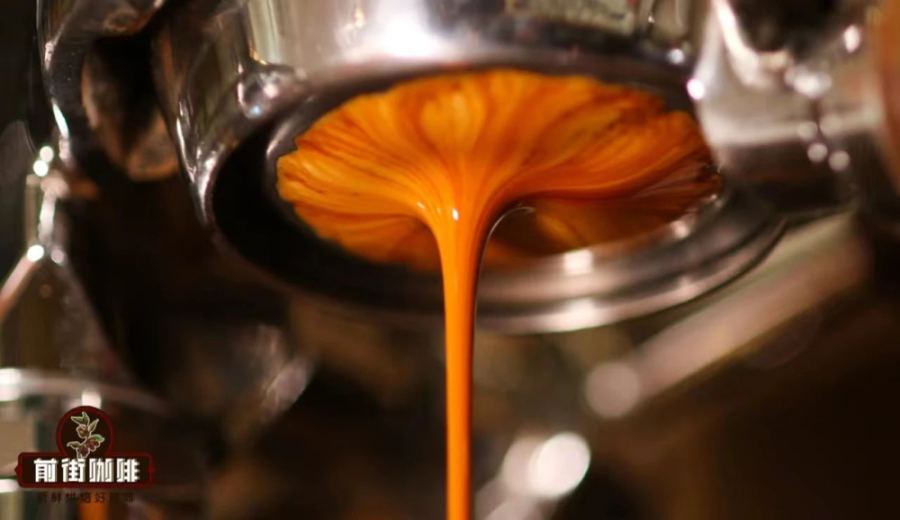
Introduction:Espresso is the soul of many specialty coffee drinks, but do you know the difference between Single Origin Espresso (SOE) and traditional espresso blends? This article starts from their origins, delves into the differences between SOE and Espresso Blends in terms of bean variety, roast level, extraction ratio, and flavor, and explores the reasons behind the recent rise of SOE. Finally, through practical examples, it fully reveals the extraction process and parameter settings for SOE, making it suitable for coffee enthusiasts who want to understand or try recreating it at home.
The soul of specialty coffee drinks is usually hidden in that small cup of espresso. In recent years, a brewing method called SOE (Single Origin Espresso) has gradually gained attention, not only frequently appearing in professional coffee shops but also becoming a popular choice for many coffee lovers to try at home. What exactly is SOE? How is it different from traditional espresso blends? This article will start with historical background to help you deeply understand what makes SOE unique, and analyze its flavor and extraction essentials.
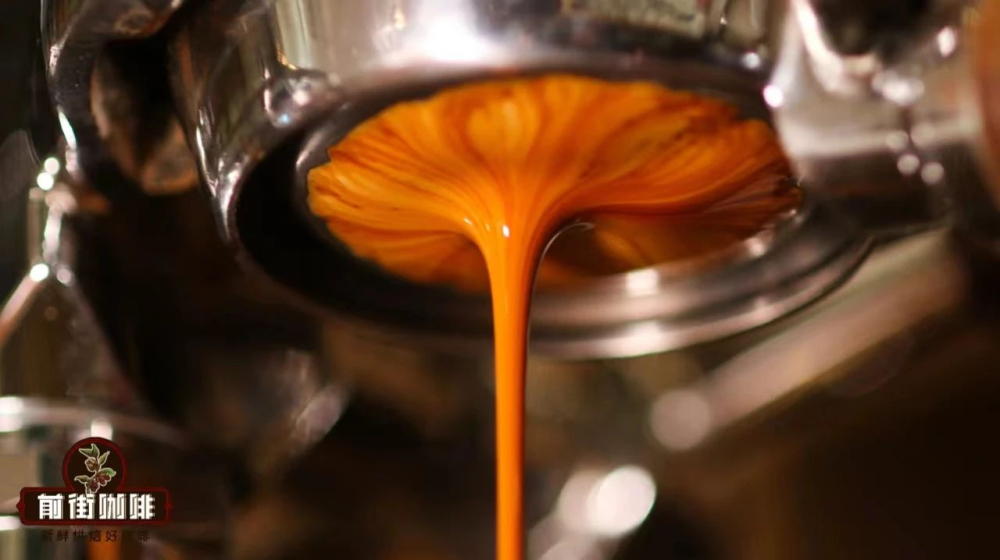
Espresso is a coffee brewing method that uses high pressure and high temperature for rapid extraction. By applying 9–10 bar of pressure and water heated above 90°C, along with extremely finely ground coffee, it extracts a rich coffee liquid in just a few dozen seconds at a 1:2 coffee-to-water ratio. This method originated in Italy and later became popular worldwide, forming one of the cornerstones of modern coffee beverages. However, traditional espresso mostly uses blended beans, whereas nowadays more and more coffee shops and consumers are favoring SOE made from single-origin beans.
The full name of SOE is Single Origin Espresso, meaning espresso made from coffee beans of a single variety from the same origin. Compared to common Espresso Blends, which mix beans from different regions in specific proportions to achieve a balanced and stable flavor, SOE emphasizes the uniqueness of a single origin, allowing the regional terroir and processing characteristics of the coffee itself to be fully expressed.
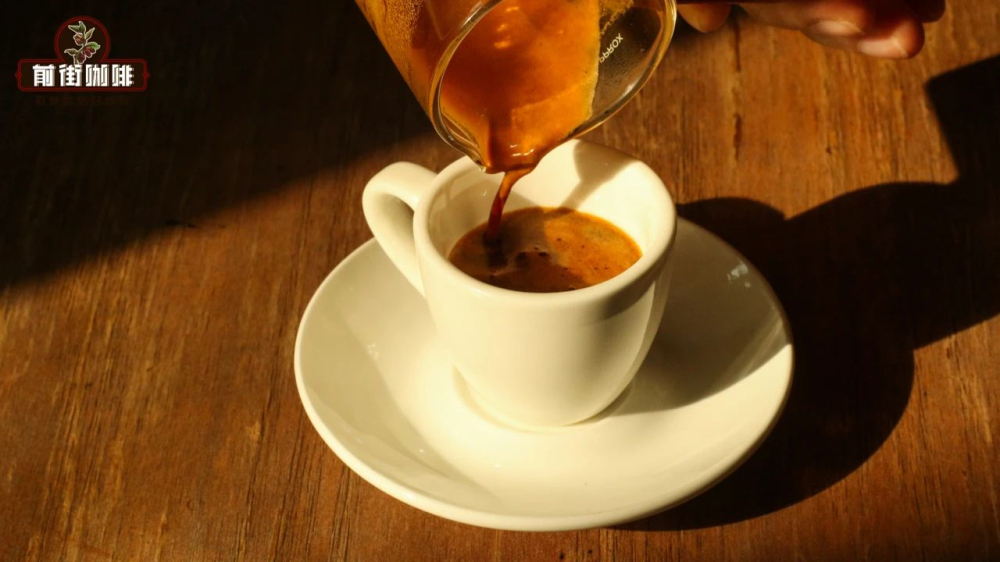
Traditionally, espresso often uses medium to dark roasted blends to deliver a rich, bold, and sweet taste while avoiding excessive sharp acidity or thinness. On the other hand, SOE mostly uses light to medium roasted single-origin beans, which can highlight the fruitiness, floral notes, or citrus tones of the beans. However, under high-pressure extraction, if the beans lack sufficient flavor complexity or are roasted improperly, they may result in a thin taste or unstable flavors. Therefore, SOE demands higher quality beans and roasting techniques, and it can better showcase the seasonality and regional characteristics of the coffee.
The rise of SOE can be traced back to around 2007. With the development of specialty coffee culture, consumers began to pursue a more distinctive and terroir-driven coffee experience. By around 2010, the North American coffee market had gradually embraced espresso made from seasonal single-origin beans and was keen to explore the flavor variations brought by different regions. This trend gradually expanded globally, making SOE one of the common options on modern coffee shop menus.
So, why has SOE garnered so much attention? One reason is the modern consumer’s pursuit of “seasonality” and “terroir.” More and more people are no longer satisfied with a consistently stable taste; instead, they hope to experience the surprises brought by different regions and processing methods with each sip. Additionally, the minimalist recipe of SOE—using beans from just a single origin yet showcasing rich layers—has led people to rethink the potential and possibilities of espresso.
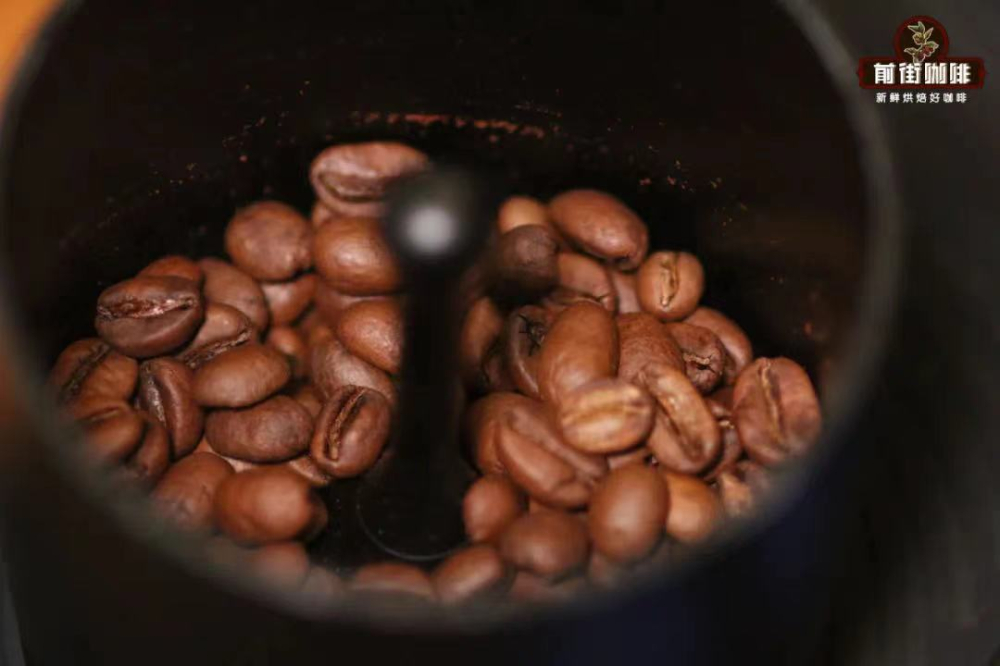
If you’d like to personally experience the charm of SOE, you can refer to the following real-world example: the industry once used washed coffee beans from the Gedeb Cooperative in Ethiopia’s Yirgacheffe region to produce an SOE espresso. These beans are of Ethiopian native variety, grown at high altitudes of around 2,000 meters, processed using the washed method, and exhibit distinct floral notes, tea-like qualities, and berry tones, making them very suitable for single-origin espresso.
The extraction parameters for this case are as follows: using 20 grams of extremely finely ground coffee, aiming to extract 40 grams of espresso, with a 1:2 coffee-to-water ratio, and extraction time controlled between 25–30 seconds. The grinder setting can refer to 1.6 on the Galileo scale, though actual grind size may need fine-tuning based on bean condition. Before extraction, ensure the portafilter basket is clean, evenly distribute the grounds with a distribution tool, then tamp vertically with a tamper to ensure a compact and stable coffee puck.
To begin extraction, first run water for 1–2 seconds to wet the group head, then attach the portafilter and start the extraction. Observe the flow of coffee; when the receiving cup reaches 40 grams and the total time is about 30 seconds, stop the extraction. This process can fully highlight the nuanced flavors of the beans while avoiding over-extraction or under-extraction.
According to actual tasting feedback, the flavor profile of this Gedeb SOE espresso is: medium acidity, low bitterness, soft sweetness, thick body with a distinct berry juice sensation, clear tea notes, and a long, pleasant aftertaste. This flavor profile is key to why SOE stands out—allowing the characteristics of a single origin to be fully expressed in the form of espresso.
The above content is compiled by CoffeeHunters, a coffee news website.


