







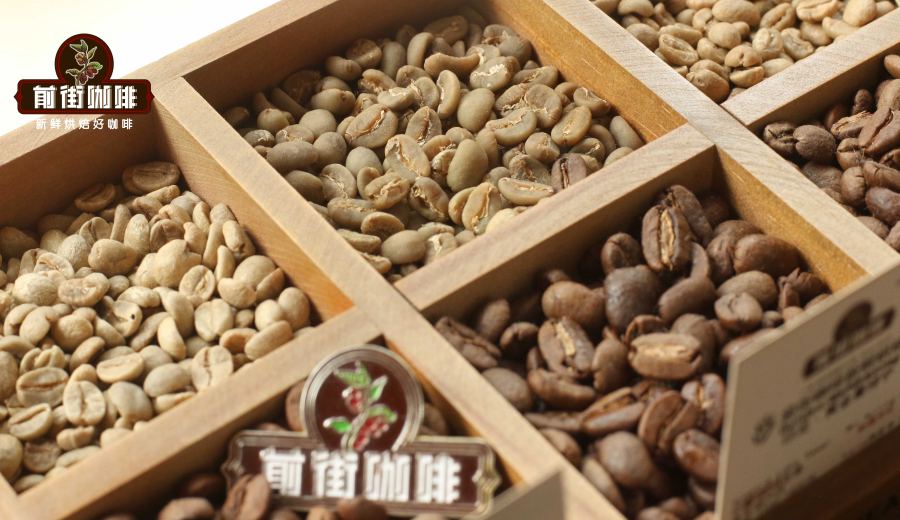
Introduction:Dive deep into the historical roots and classic flavor profile of Sumatra Mandheling, from its regional background to processing methods, and from the differences between Golden Mandheling and Lintong Mandheling to the practical details of the wet-hulled process. This article thoroughly analyzes the flavor wheel, grading standards, and roasting characteristics of this Indonesian classic coffee, and provides tested pour over parameters along with flavor descriptions to help you master the essence of brewing Mandheling.
Sumatra, Indonesia, is not only one of the world’s most renowned coffee-growing regions but also the birthplace of the classic bean variety "Mandheling." This Indonesian bean, which holds an important place in the hearts of coffee enthusiasts, is known for its full body, low acidity, and unique spicy and herbal notes. Behind it lies the wet-hulled process, a technique that has earned a respected place in global green bean processing technologies.
The name "Mandheling" actually stems from a misunderstanding. A batch of coffee beans supplied locally in Indonesia and greatly favored by Japanese soldiers was, for convenience and to avoid revealing the actual origin, casually referred to as "Mandheling" — a term that originally referred to a local ethnic group. This word thus became the synonym for this coffee and has been passed down to this day.
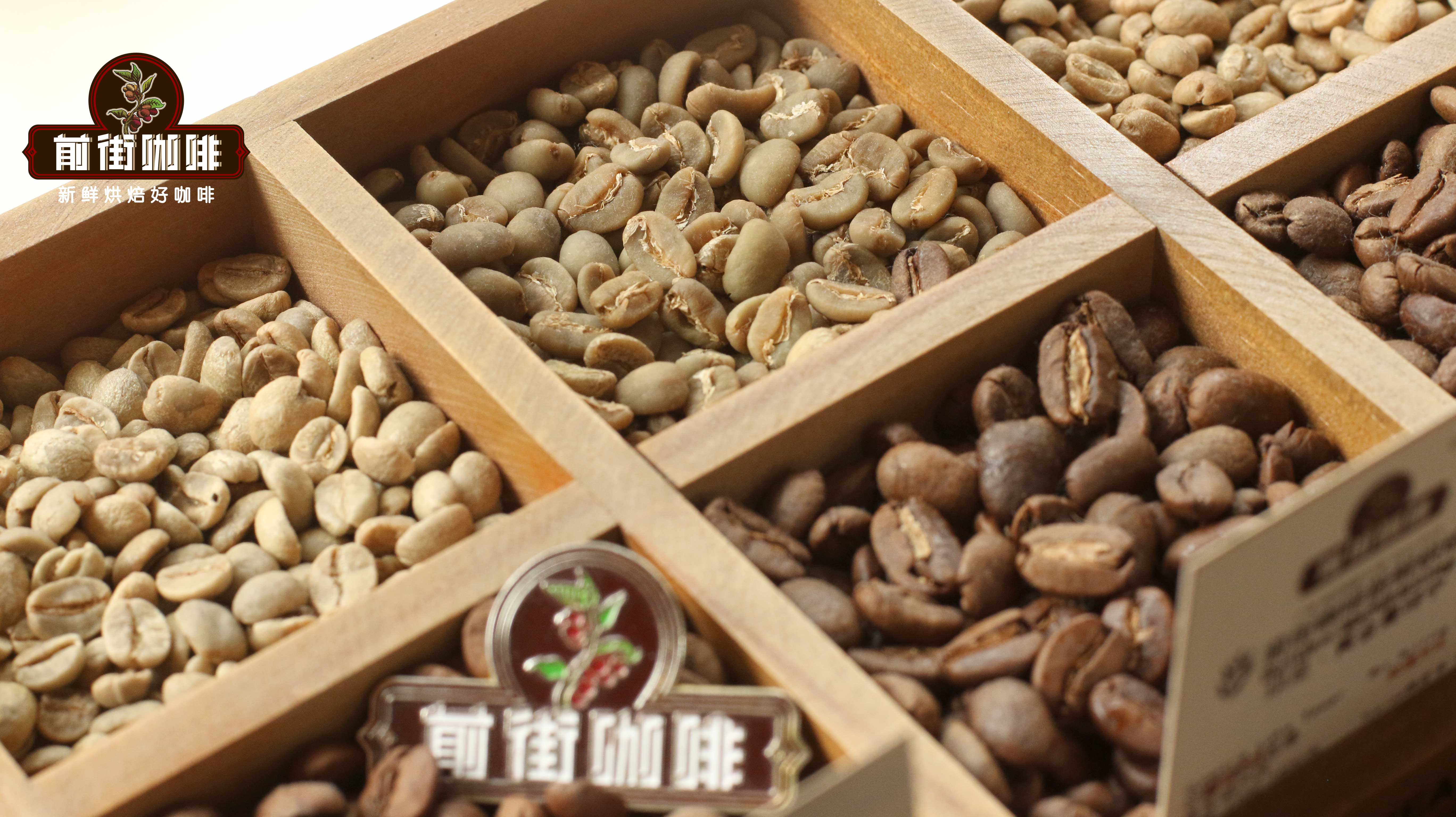
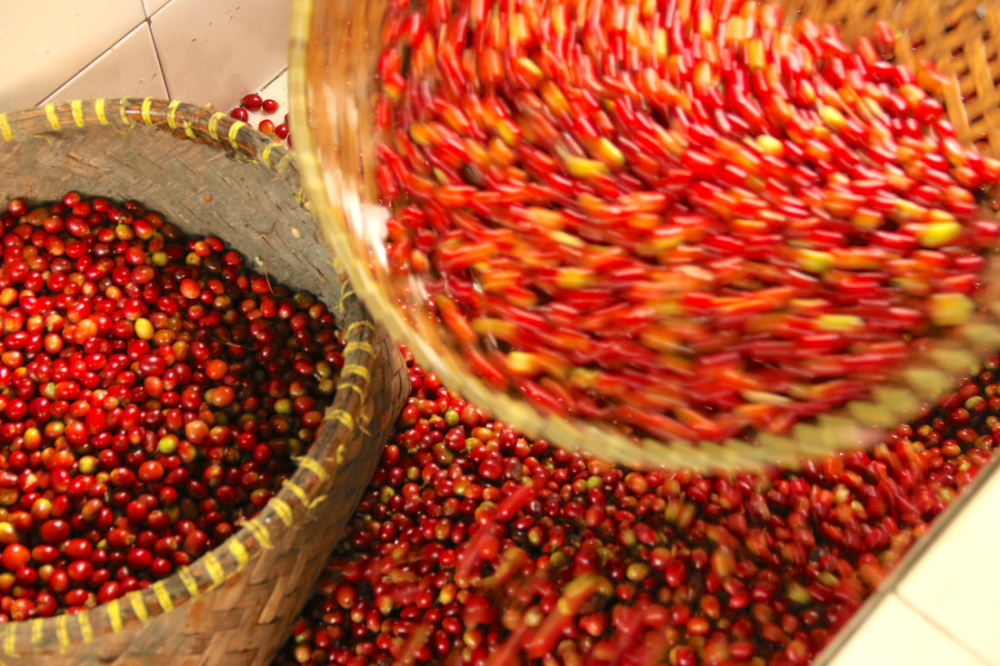
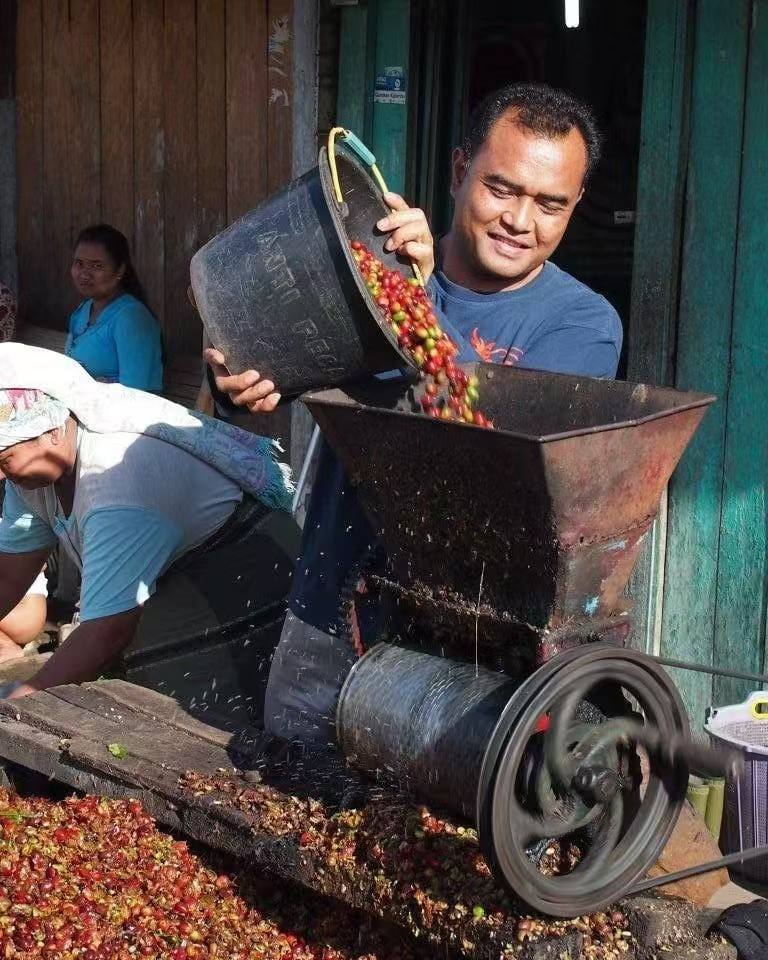
Sumatra’s proximity to the equator results in a rainy and humid climate, with very few stable consecutive sunny days suitable for sun-drying. Coupled with local economic constraints and the high cost of wash processing equipment, the unique "wet-hulled method" has become the mainstream processing approach. The hallmark of this technique is that after the coffee cherries undergo initial fermentation and pulp removal, the parchment layer is removed earlier, before the mucilage is fully dried, thereby accelerating the drying process. This creates its bold, full-bodied character with distinctive earthy or herbal notes.
The general wet-hulled process can be divided into two main stages: First, a simple pulper is used to remove the skin and pulp, and the beans are fermented for about three hours before being spread out to partially dry, reducing the moisture content to 30–50%, at which point the beans are semi-dry. Next, the mucilage and silver skin layers are removed, and the beans are further dried until the moisture content reaches 12–13% to complete the process. Although this technique may seem rough, each step involves extremely precise control over time and temperature-humidity conditions, which also contributes to the irreplaceable flavor profile of Mandheling.
In addition, there is an advanced version called "aged wet-hulled process," where the wet-hulled green beans are stored for an additional 2 to 3 years. During this period, proper ventilation and a cool environment must be maintained, with regular turning to prevent mold. Over time, the acidity in the beans gradually transforms into sugars, resulting in a final coffee flavor that is rounder, lower in acid, and often exhibits rich caramel, spice, and even chocolate notes. The beans’ appearance also turns yellowish-brown or dark brown due to oxidation. Such products are what the market refers to as "Aged Mandheling."
When it comes to the two popular types of Sumatra Mandheling on the market, "Lintong Mandheling" and "Golden Mandheling" both come from Sumatra, but they differ significantly in terms of origin, variety, grade, and processing refinement, which in turn affects their final flavor profiles.
Lintong Mandheling is produced in the Lintong region in north-central Sumatra, near Lake Toba, at elevations between 1100–1600 meters. The main varieties grown are Typica and Catuaí. This coffee is processed using the traditional wet-hulled method, and because the beans are still semi-hard during processing, the machine often leaves a unique "elephant ear" mark during hulling. This is not a defect but one of the common characteristics of Mandheling. In terms of flavor, Lintong Mandheling features notes of toasted bread, nuts, caramel, pine, and herbs. It has low acidity and a strong body. Although its sorting process is relatively basic, its consistently rich taste has won the favor of most coffee lovers.
In contrast, Golden Mandheling is much more refined. It is produced in the Gayo Mountains of Aceh Province, Sumatra, also at an elevation of around 1100–1600 meters, but the variety used is Ateng (the local term for Catimor hybrid). This bean belongs to the highest grade, G1, and is subject to strict selection criteria — only beans larger than 18 mesh, with no more than 3 defects per 300 grams, are chosen. They also undergo at least three rounds of manual hand-picking to ensure uniform size and clean appearance. Golden Mandheling also uses the wet-hulled process, but due to its high-grade raw materials and multiple stringent selections, its flavor profile is cleaner and more vibrant. Common tasting notes include spices, herbs, nuts, caramel, and chocolate, with overall high clarity, richer layers, and a long, clean aftertaste.
In terms of roasting, both of these Mandhelings are typically roasted to a medium-dark level, aiming to balance the beans’ naturally higher acidity and enhance their body and overall flavor integration. In actual roasting, medium to large commercial roasters are generally used — for example, the Yangjia 800N, with a single batch size of about 550 grams. By controlling the heat and drum speed, the beans achieve optimal balance during the drying, Maillard, and development stages, ultimately delivering a cup that is rich and layered.
For pour over parameters, it is recommended to use a Kono filter, as its ribs are concentrated at the bottom edge, creating a high seal between the filter paper and cup wall. This extends the water-coffee contact time and helps fully extract body-rich compounds, making it especially suitable for medium-dark roasts. Tested parameters are as follows: water temperature 88°C, coffee dose 15 grams, brew ratio 1:15, grind size at 70–75% through a #20 sieve. The pour over can be done using the classic three-pour method: start with a 30-gram bloom for 30 seconds, then pour in a small circular motion up to 125 grams and pause, wait for the water level to drop, then pour up to 225 grams, and finally remove the filter just before the bed is exposed, with total brew time controlled to around 2 minutes.
In terms of flavor, Golden Mandheling presents a relatively clean and balanced profile, with prominent spice and caramel aromas and a long-lasting chocolate finish. Lintong Mandheling, on the other hand, showcases intense herbal, dark chocolate, and nut tones, with a noticeable sweetness on the palate. Though it carries a slight earthiness, it remains a classic favorite among many Mandheling enthusiasts.
The above content is compiled by CoffeeHunters, a coffee news website.


